What Is Clay? Complete Guide to Definition, Properties, and Uses
Published on: December 10, 2025
Get an estimate for your project in 60 seconds
 Your information is secure

Clay is a naturally occurring material made up of extremely fine particles, typically smaller than 0.005 millimeters. When wet, clay becomes moldable and plastic, and when dried or fired, it hardens into a durable material. This unique combination of properties makes clay one of the most versatile materials used across construction, ceramics, agriculture, and environmental applications.
Quick fact: Clay particles are so small that a single teaspoon of clay can contain over a billion individual particles, giving it remarkable water retention and molding capabilities.
Understanding clay’s properties and uses helps you make informed decisions whether you’re planning a construction project, working with pottery, or managing soil conditions. From ancient brick-making to modern environmental barriers, clay continues to play a vital role in our built environment.
Understanding clay definition and formation
Clay forms through a natural weathering process that takes thousands of years. When rocks containing minerals like feldspar break down due to wind, water, and temperature changes, they create tiny particles that eventually accumulate as clay deposits.
The specific type of parent rock determines clay’s final characteristics. For example, clay formed from granite will have different properties than clay formed from limestone. This explains why clay color ranges from white and gray to red and brown, depending on iron content and organic matter present during formation.
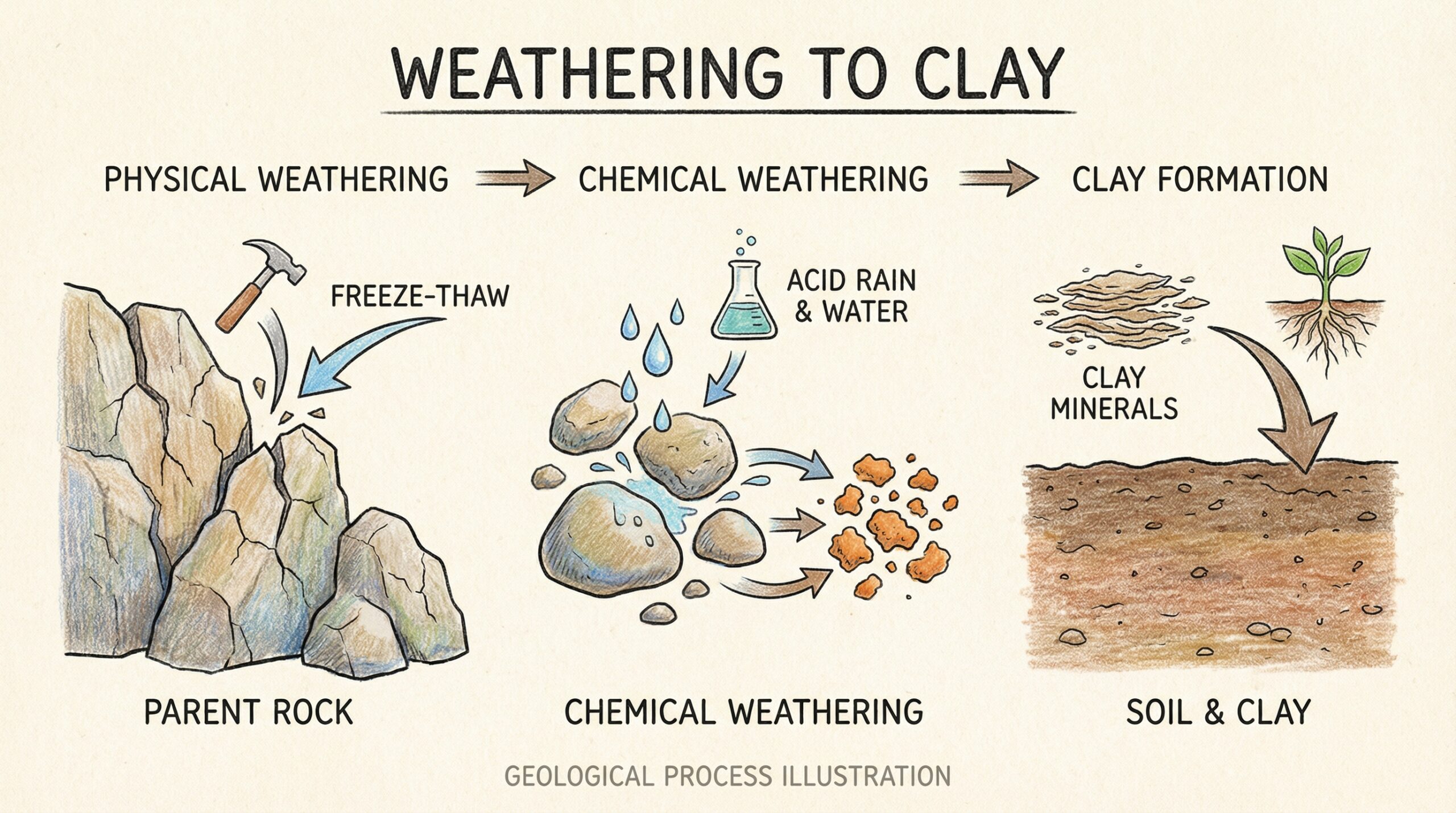
Geologically speaking, clay consists of layered silicate minerals including kaolinite, illite, and smectite. These minerals give clay its distinctive properties like plasticity when wet and strength when dried. The mineral composition also affects how clay behaves in different applications, from construction fill to pottery glazes.
Key properties that make clay valuable
Clay’s unique properties stem from its incredibly small particle size and mineral structure. When you add water to clay, it becomes plastic and moldable because water molecules fit between the tiny clay particles, allowing them to slide past each other while maintaining cohesion.
The most important property for construction and ceramics is clay’s ability to harden when dried or fired. This process, called vitrification, transforms soft clay into a strong, durable material. That’s why clay bricks can last for centuries and pottery pieces survive from ancient civilizations.
| Property | Clay | Sand | Silt |
|---|---|---|---|
| Particle size | <0.005mm | 0.05-2mm | 0.005-0.05mm |
| Water retention | High | Low | Medium |
| Plasticity | High | None | Low |
| Permeability | Very low | High | Medium |
Clay also exhibits shrink-swell behavior, meaning it expands when wet and contracts when dry. This characteristic can be beneficial for applications like pond liners but challenging for building foundations. Understanding this behavior helps you choose the right clay type for your specific project.
Important consideration: Clay’s low permeability makes it excellent for water retention but can create drainage challenges in construction applications.
Major uses of clay across industries
Construction and building materials
Clay serves as a fundamental building material in several forms. Clay bricks remain popular because they’re fire-resistant, durable, and provide excellent insulation. Modern manufacturing techniques have improved brick quality while maintaining the traditional benefits that have made clay bricks a preferred choice for thousands of years.
In construction projects, clay is often used as fill material or for creating barriers. Its low permeability makes it ideal for lining landfills or creating water barriers. However, you should be aware that clay soils can present challenges for foundations due to their expansion and contraction with moisture changes.
Clay tiles for roofing offer both functional and aesthetic benefits. They’re waterproof, fire-resistant, and available in various colors and styles. While initially more expensive than some alternatives, clay tiles often provide better long-term value due to their durability.
Ceramics and artistic applications
The pottery and ceramics industry relies entirely on clay’s moldability and hardening properties. Different clay types serve specific purposes – kaolin clay for fine porcelain, ball clay for strength and plasticity, and earthenware clay for everyday pottery.
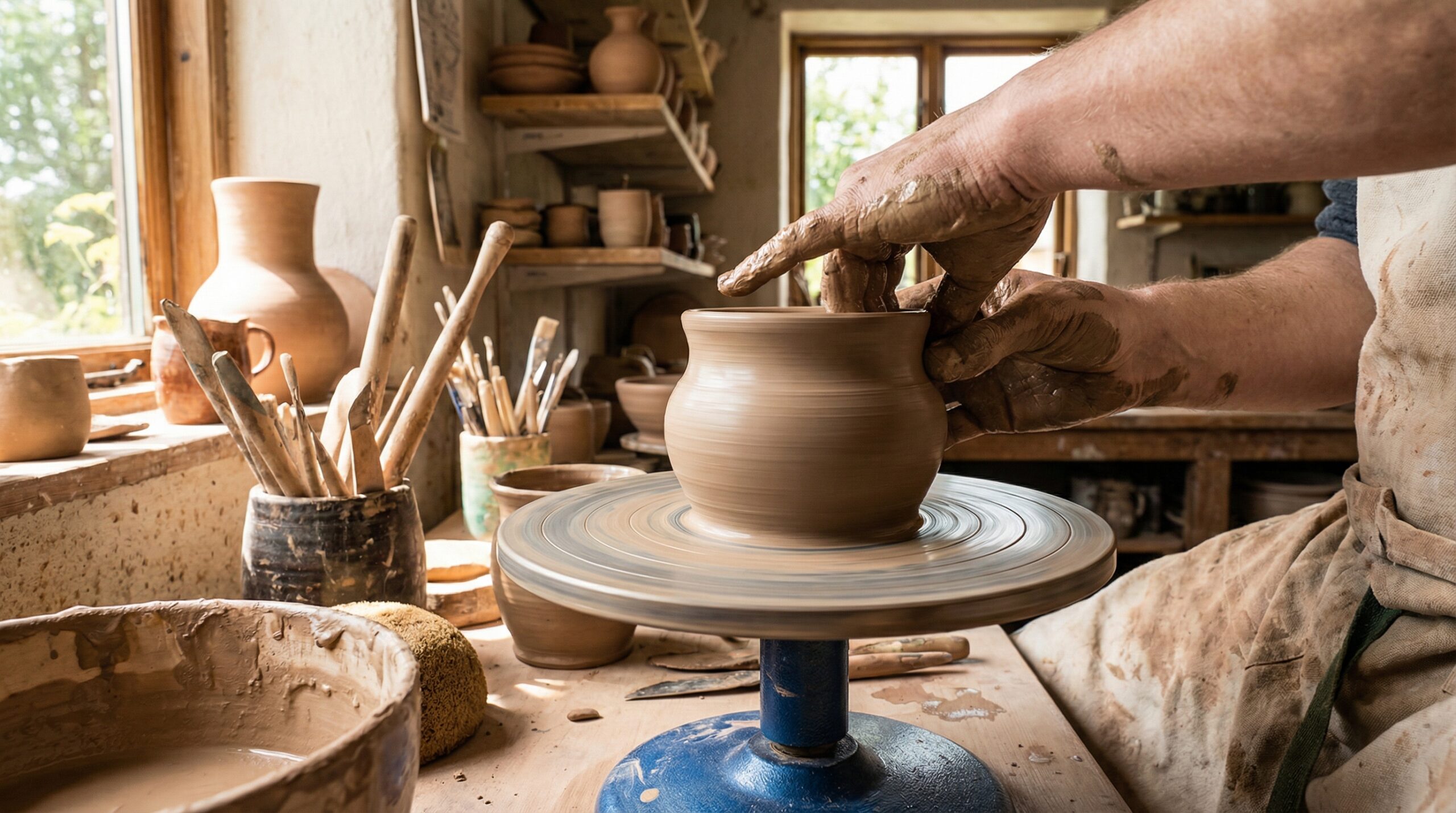
When you work with clay in artistic applications, you’re taking advantage of its unique ability to hold fine detail while remaining workable. The firing process not only hardens the clay but also allows for glazing, which adds color, texture, and additional waterproofing.
Modern ceramic applications extend beyond traditional pottery to include technical ceramics used in electronics, medical devices, and aerospace applications. These specialized uses require specific clay formulations and precise firing temperatures.
Agricultural and environmental applications
Clay soils offer both benefits and challenges for agriculture. The high water and nutrient retention capacity of clay helps plants during dry periods and reduces fertilizer runoff. However, high clay content soil can become waterlogged and compacted, requiring careful management.
For environmental applications, clay’s impermeability makes it valuable for waste containment and water management. Bentonite clay, in particular, is used for sealing wells, creating pond liners, and containing hazardous materials because it swells when wet, creating an effective barrier.
Environmental benefit: Clay barriers can prevent groundwater contamination for decades when properly installed, making them a sustainable choice for environmental protection projects.
Cost considerations and choosing the right clay
Clay costs vary significantly based on type, quality, and intended use. Basic clay fill for construction typically ranges from $15 to $40 per ton, while specialty pottery clays can cost $50 to $200 per ton. The price difference reflects processing, purity, and specific performance characteristics.
Several factors influence clay pricing including transportation distance, processing requirements, and market demand. Local clay sources are generally more economical than imported materials, but you should balance cost with performance requirements for your specific application.
When choosing clay for your project, consider the intended use, required properties, and long-term performance. For construction applications, focus on stability, drainage characteristics, and load-bearing capacity. Understanding the differences between materials like fill dirt vs clay can help you make the right choice. For pottery or ceramics, prioritize plasticity, firing temperature, and final appearance.
Professional consultation can help you select the most appropriate clay type and avoid costly mistakes. Whether you’re planning a large construction project or starting a pottery hobby, understanding clay’s properties ensures you choose the right material for successful results. In some cases, blended soils that combine clay with other materials may offer the ideal balance of properties for your specific needs.
Clay’s versatility and availability have made it an essential material throughout human history. From simple pottery to complex construction projects, clay continues to provide reliable, sustainable solutions across numerous applications. When you understand clay’s properties and uses, you can make informed decisions that lead to successful project outcomes and long-lasting results. For projects requiring specific soil characteristics, consider exploring options like clay loam or sandy loam depending on your drainage and workability requirements.
For high-quality clay aggregates and expert guidance on material selection, Hello Gravel provides reliable sourcing and delivery services to support your construction and landscaping projects nationwide.
FAQ
What is the simple definition of clay?
What are the main uses of clay in construction and ceramics?
How does clay differ from sand and silt?
What factors affect clay pricing and costs?
Author: igor