
Pond Calculator
— How Much Do You Need?
Quick pond material estimator — truckload quantities & delivery pricing for gravel, sand, topsoil.
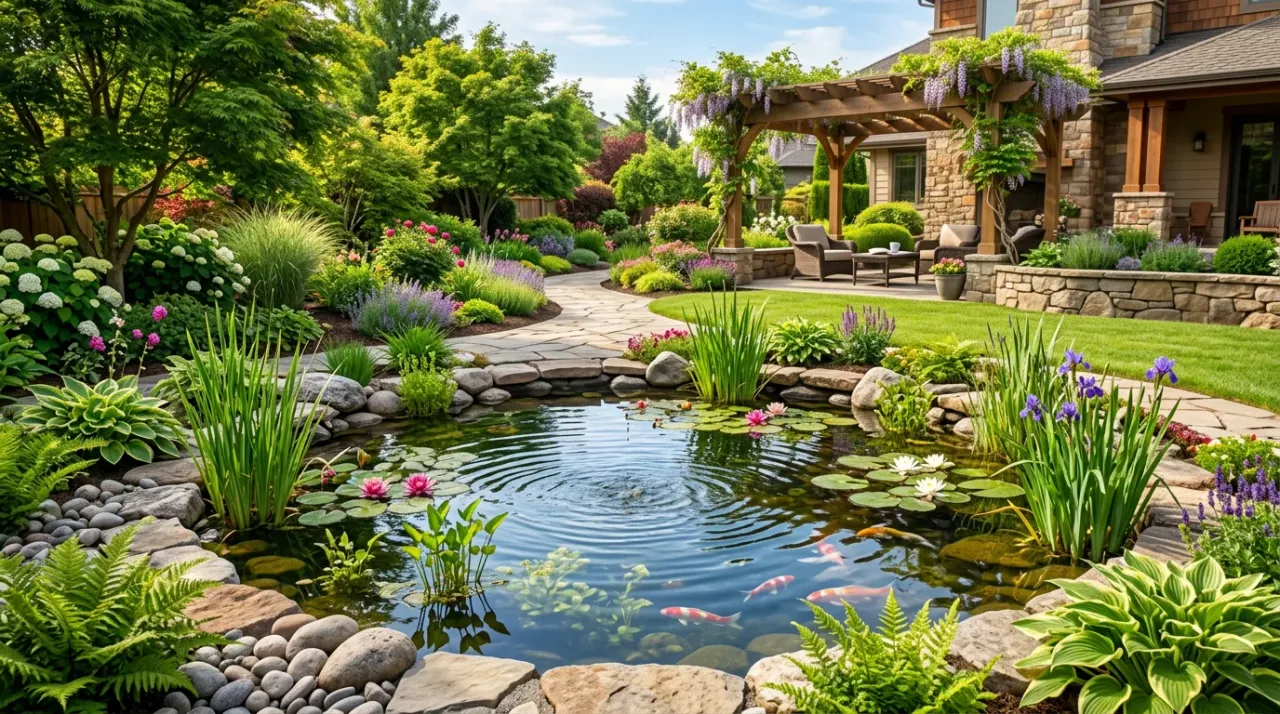
How to Use This Pond Calculator
Planning a pond requires precise measurements to ensure you order enough material without overspending.
- 1 Measure Area: Measure the length and width of your planned pond area in feet.
- 2 Determine Depth: For most pond projects, a depth of 4 to 6 inches is recommended for stability.
- 3 Review Results: The calculator provides both cubic yards (for bulk volume) and tons (for ordering weight).
Common Materials for Ponds
Proper material selection — especially impervious clay fill for embankments and well-graded gravel for drainage structures — is critical to achieving water retention, structural stability, and long-term pond integrity.
| Material | Description | Best For | Est. Cost |
|---|---|---|---|
| Fill Dirt (Clay-Rich) | Excavated or borrow soil with high clay content, fine-grained, and low permeability suitable for compaction. | Embankment Core, Cutoff Trench, Basin Sealing, Impervious Liner | $ |
| #57 Crushed Stone | Angular, 3/4-inch crushed limestone or granite that provides excellent drainage and structural support. | Pipe Inlet Drainage, Filter Pit Surrounds, Spillway Base, Anti-Seep Collar Backfill | $$ |
| Coarse Gravel (1.5-inch) | Washed, rounded to semi-angular gravel ranging from 1 to 1.5 inches in diameter with minimal fines. | Standpipe Protection, Inlet Cover Layer, Drainage Layer | $$ |
| Concrete Sand (Washed) | Fine, angular, washed sand with uniform particle size typically between 0.075 and 4.75 mm. | Riser Backfill, Anti-Seep Collar Bedding, Limited Use | $ |
Understanding the Cost
Several factors influence the final price of your pond project.
Material Volume
The dimensions of your project directly dictate the tonnage needed. Deeper bases require significantly more material.
Delivery Distance
Transport logistics play a major role. Being closer to the quarry or depot reduces delivery fees significantly.
Material Type
Decorative stones cost more than utility grades. Choose based on your project's functional and aesthetic requirements.
Recommended Products for Your Pond
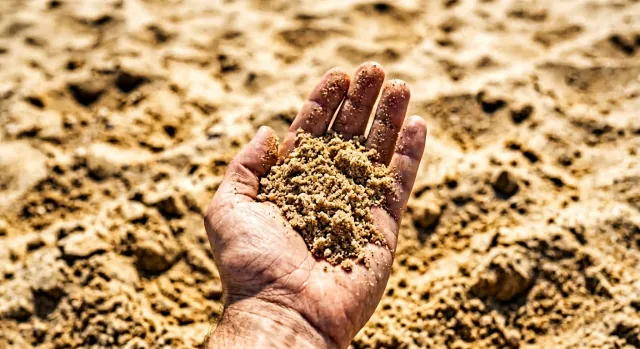
Sand Calculator
Use this sand calculator to estimate cubic yards, tons, and bags. Covers fill, leveling, and bedding sand with weight and cost estimates included.
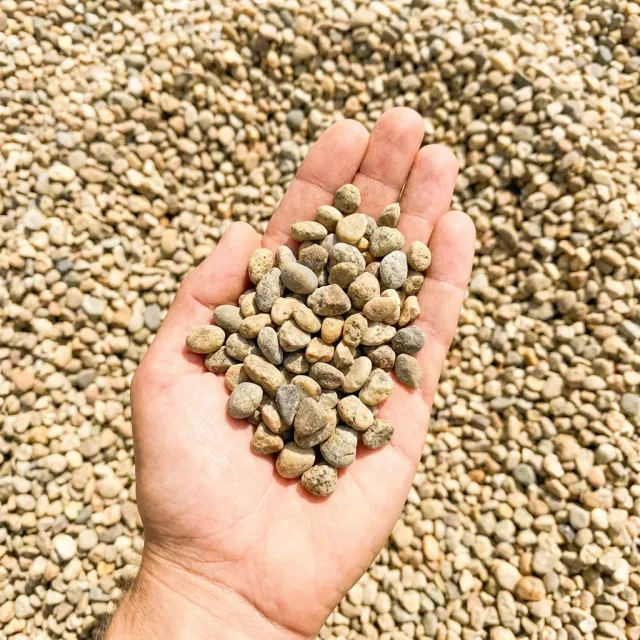
Pea Gravel Calculator
Pea gravel calculator — enter your project dimensions to estimate volume in cubic yards, tons, and bags. Ideal for pathways, patios, and ground cover.
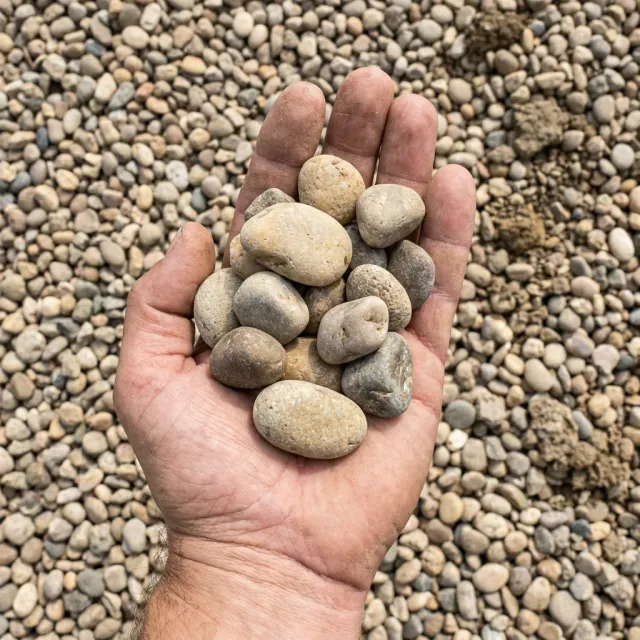
River Rock Calculator
This calculator estimates river rock by the ton for flowerbeds, dry creek beds, and borders. Adjusts for rock size — larger stones cover less per ton.
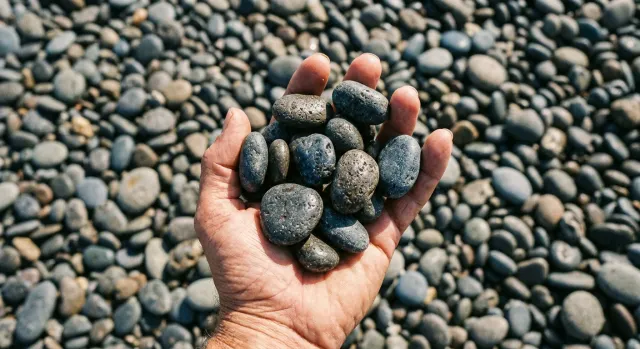
Mexican Beach Pebbles Calculator
Coverage varies with pebble size. This calculator estimates accurate tonnage from your area and depth for pools, water features, and accent landscaping.
Frequently Asked Questions
What types of aggregate materials are used in pond construction and landscaping?
Building or landscaping a pond typically calls for several different aggregate materials, and each one serves a specific purpose. Sand is commonly used as a protective base layer placed beneath a pond liner, cushioning it against sharp rocks and debris in the subgrade below. Pea gravel and river rock are popular choices for pond shelves, edging, and surrounding borders, giving the finished pond a clean, natural appearance. Larger decorative stone can be placed along the waterline for visual appeal and to help stabilize the bank edges. Fill dirt is often needed to sculpt the surrounding landscape, build berms, or adjust the grading around the pond perimeter after excavation. Topsoil comes into play once the grading is done, providing a healthy growing medium for grass, plants, and ground cover in the areas surrounding the water. Hello Gravel supplies all of these materials in bulk by the truckload, so you can get everything your pond project calls for in one place with clear upfront pricing and free delivery to your site.
What types of ponds typically need bulk aggregate materials?
Almost any pond project benefits from aggregate materials at some stage of construction or finishing. Ornamental garden ponds and koi ponds need sand for liner protection and decorative stone for the surrounding landscape and edging. Farm ponds and retention ponds often require fill dirt for shaping berms and embankments, along with larger stone to protect the shoreline from erosion. Natural swimming ponds may use gravel or sand to create a gradual beach-entry area at the waterace. Detention and stormwater ponds frequently need crushed stone or drainage gravel at their inlet and outlet structures to manage water flow and prevent scour damage. No matter the scale or style of pond you are building, Hello Gravel can supply the bulk materials your project requires, with delivery available nationwide through a vetted network of local haulers.
What size and type of stone works best for pond edging and borders?
The right stone for your pond edge depends on the look you want and the function it needs to serve. Pea gravel, which is typically around 3/8 inch in size, is a popular choice for pond shelves and shallow edging areas because it is smooth, rounded, and easy to work with. It settles naturally and creates a soft, clean appearance at the waterline. River rock in the 1 to 3 inch range gives a natural, stream-bed look and works well for lining the perimeter just above and below the waterline. Larger flat or fieldstone in the 3 to 6 inch range works for creating a more structured, layered border with visual weight. For larger ponds where erosion is a concern along the bank, angular riprap or larger crushed stone provides better resistance to water movement than smooth rounded stone. If you are working on an ornamental pond, pea gravel and river rock will likely give you the natural aesthetic you are after. If stability and erosion control matter more than appearance, angular stone is the stronger choice. The Hello Gravel team is always happy to help you think through which material fits your specific design.
What role does sand play in pond construction?
Sand is one of the most important materials in a pond build, even though it often goes completely unseen once the project is finished. The most common use is as an underlayment layer placed directly beneath a flexible pond liner. A 1 to 2 inch bed of sand smooths out any sharp edges or irregularities in the excavated soil, protecting the liner from punctures over time. That protective layer is a low-cost step that can save you from a costly liner repair down the road. Sand is also used to create beach-entry sections in natural swimming ponds and decorative water features, giving you a gradual, natural transition from the surrounding landscape into the water. For larger earthen ponds built without liners, coarse sand may be incorporated into the soil mix to support compaction in key areas. Hello Gravel delivers masonry sand and other sand types in bulk by the truckload, so you can get the quantity you need without making multiple supply runs or dealing with retail bags.
Can fill dirt and topsoil be part of my pond project?
Yes, and they each serve a distinct role in shaping the land around a pond. Fill dirt handles the heavy earthwork. You use it to build up berms, reshape grades, and backfill areas around the pond perimeter after the excavation work is done. It gives you the structural foundation for the overall pond landscape before any planting or finishing work begins. Topsoil comes into play after the grading work is finished. You spread it over fill areas to create a healthy growing medium for grass, perennial plants, or other ground cover around the water. Because fill dirt alone does not support healthy plant growth, that layer of topsoil is important if you want a lush, established look around your pond. If your project involves any significant grading, berm construction, or replanting of the surrounding area, ordering fill dirt and topsoil alongside your stone and sand makes good sense. Hello Gravel can deliver each material by the truckload, and you can schedule different delivery dates for each one so everything arrives when you are ready to use it.
More Project Calculators
Playground Calculator
This calculator estimates mulch, rubber, or wood fiber surfacing for playgrounds. Enter area and recommended depth to get cubic yards and tons.
Chicken Coop Calculator
Use this calculator to estimate how much gravel your coop base requires. Input dimensions and depth for volume in cubic yards and stone type guidance.
Basketball Court Calculator
Court base calculator — estimate gravel, sand, and sub-base quantities for backyard or regulation basketball courts. Input court size for material totals.
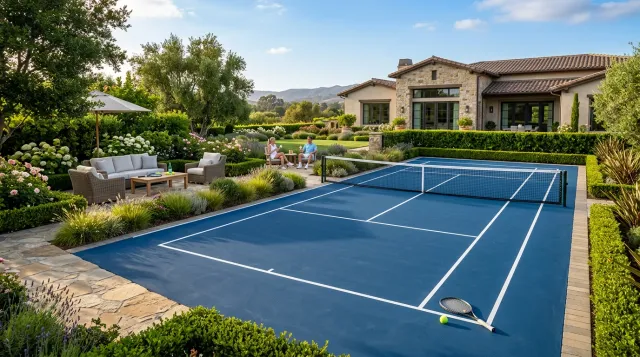
Tennis Court Calculator
Use this calculator to estimate the crushed stone base for a new or resurfaced tennis court. Enter dimensions and depth for volume and tonnage.
Delivery Logistics & Truck Info
Know your delivery options and access requirements before scheduling your order.
Truck Capacities
- Standard Dump Truck10–14 tons
- Tandem Axle14–18 tons
- Semi End Dump20–25 tons
A standard cubic yard weighs approximately 2,000–2,700 lbs depending on material and moisture.
Site Access Requirements
- Trucks require a minimum 12-ft wide, overhead-clear access path
- Soft ground or slopes over 10% may limit truck access — contact us before ordering
- Ensure no underground utilities or irrigation lines are in the drop zone
- Mark your desired drop location clearly before delivery
Important Notes
- Delivery estimates are based on available inventory and route proximity
- Minimum order quantities apply — typically 5 cubic yards or 1 truckload
- Material certification is available upon request for permitted projects
- Always confirm local ordinances before major material placement