
Does Pea Gravel Wash Away in Rain? Best Gravel for Wet Areas
Free local estimate
See delivered prices for your ZIP in 60 seconds
Tell us where the project is and we'll price this material — delivered — for your exact ZIP.
- Real delivered pricing for your ZIP — not a generic range.
- Works for any quantity — driveways, pads, drains, or full projects.
- Prefer to talk? We follow up with local availability and delivery windows.
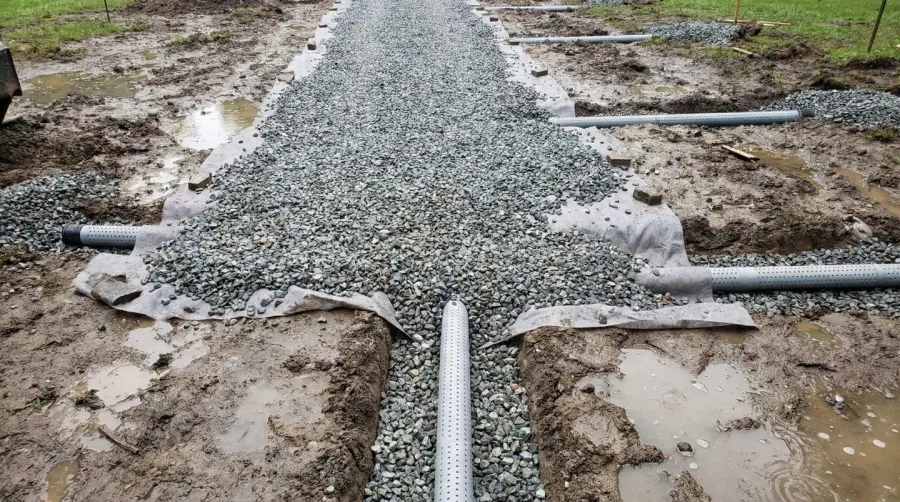
Choosing the right gravel for wet locations can save you thousands in foundation repairs and prevent ongoing drainage headaches. Crushed stone in 3/8-inch size is the top choice for wet areas because its angular shape creates excellent drainage while providing stability that won’t wash away during heavy rains.
Whether you’re dealing with a soggy yard, need gravel for a wet climate driveway, or want to prevent water pooling around your foundation, the key is selecting gravel that balances drainage with durability. The wrong choice leads to shifting, erosion, and costly repairs down the road.
Quick Answer: For most wet area applications, use 3/8-inch crushed stone as your primary material, with pea gravel for decorative areas and river rock for landscaping features.
About Hello Gravel
Hello Gravel delivers bulk gravel, rock, dirt, and sand by the ton. Enter your ZIP code to see prices with delivery included. A local dump-truck driver places the load where access is safe; spreading is not included.
Why crushed stone works best in wet conditions
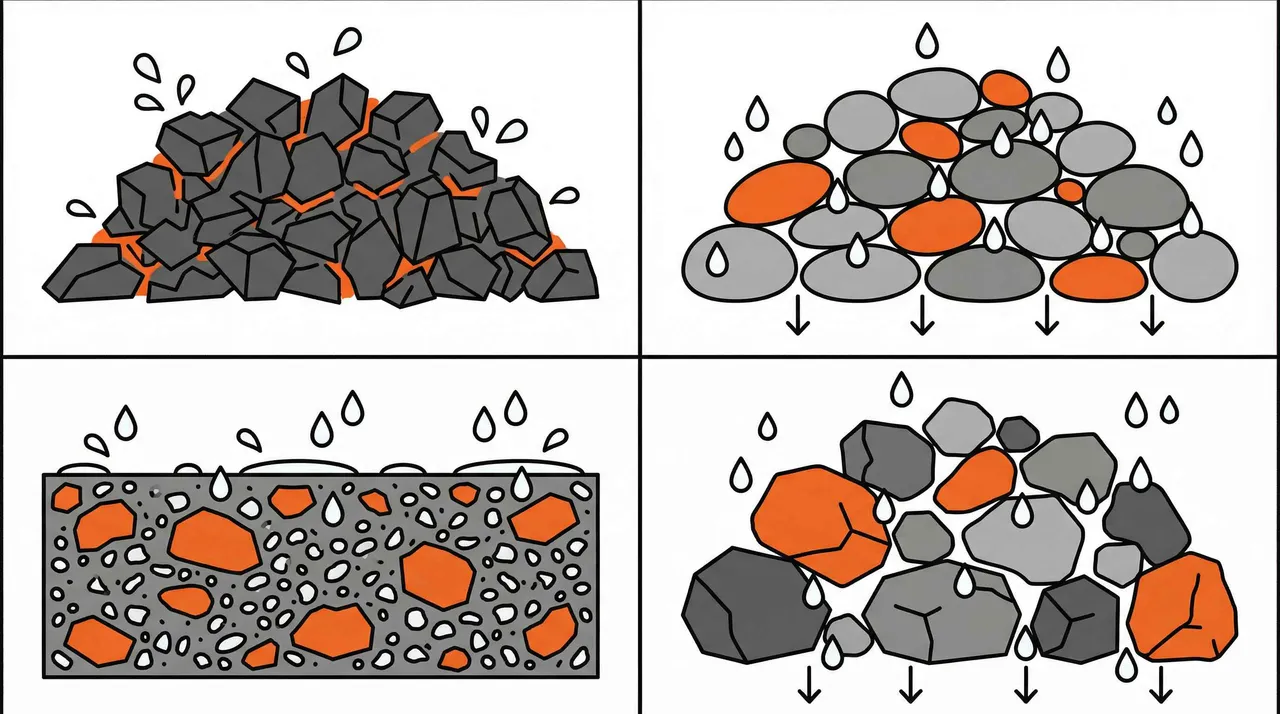
Crushed stone outperforms other gravel types in wet areas because of its angular, interlocking design. Unlike rounded stones that can shift and settle, the sharp edges of crushed stone create a stable matrix that water flows through without displacing the material.
The angular shape creates void spaces between stones, allowing water to percolate down rather than pooling on the surface. This prevents the waterlogging that causes other materials to become unstable or wash away during storms. For applications requiring optimal drainage performance, understanding these properties is essential.
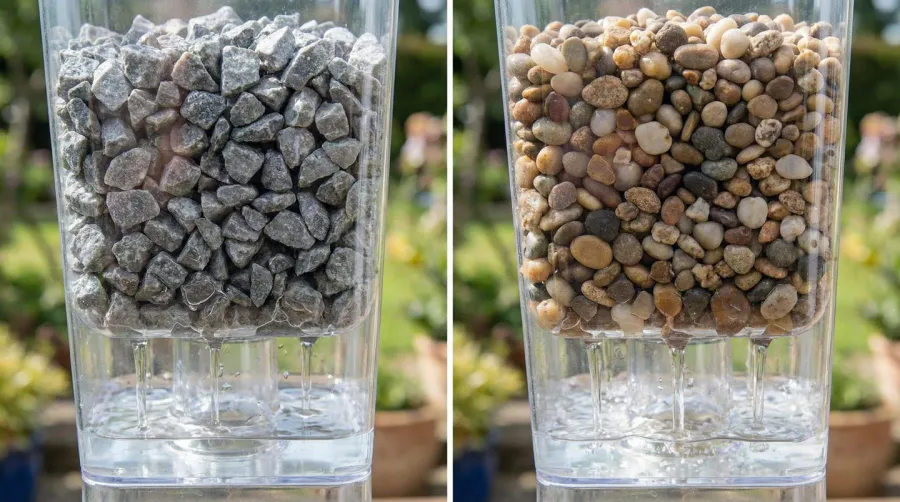
For wet locations, stick with sizes between 1/4-inch and 3/8-inch. This range provides the sweet spot between drainage capability and surface stability. Larger stones create too much void space and can shift, while smaller stones may compact and reduce drainage over time. If you’re wondering about the best gravel size for drainage, this range consistently delivers superior results.
Comparing your gravel options for wet areas
| Gravel Type | Size Range | Drainage Rating | Stability | Best Use |
|---|---|---|---|---|
| Crushed Stone | 1/4″ – 3/8″ | Excellent | High | Driveways, foundations |
| Pea Gravel | 1/8″ – 3/8″ | Good | Medium | Pathways, decorative |
| River Rock | 1/2″ – 2″ | Very Good | Medium | Landscaping, water features |
Crushed stone remains your go-to choice for structural applications. Its angular nature means it compacts well while maintaining drainage, making it perfect for driveway bases and foundation work in wet climates. When selecting materials for foundation projects, crushed stone provides unmatched stability.
Pea gravel works well for decorative applications where you want smooth surfaces. While it drains adequately, the rounded stones can shift more than crushed stone, so it’s better suited for walkways and garden beds rather than heavy-duty applications. Learn more about using pea gravel for various projects.
River rock excels in landscaping applications where you want natural aesthetics. The larger size provides excellent drainage for dry creek beds and around water features, though it’s not ideal for areas requiring a stable walking or driving surface. Consider river rock for retaining wall base projects where drainage is critical.
Pro Tip: Avoid limestone and sandstone in wet areas as they break down when exposed to constant moisture, creating drainage problems over time.
Installation steps that prevent washout
Proper installation makes the difference between gravel that lasts decades and gravel that washes away after the first heavy rain. Start by excavating the area to at least 8 inches deep, removing all organic material that could decompose and create soft spots.
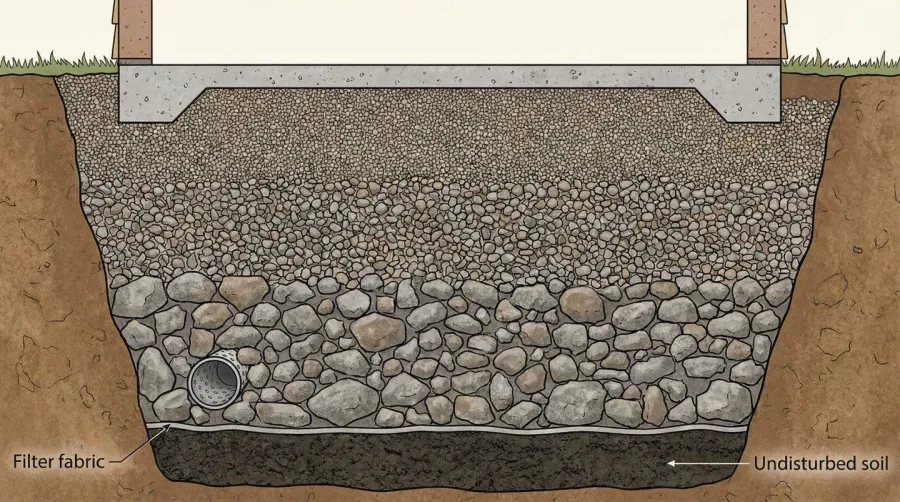
Install a geotextile fabric barrier before adding any gravel. This prevents the gravel from mixing with underlying soil while still allowing water to drain through. The fabric acts as a separation layer that maintains the integrity of your gravel base.
Add your gravel in two layers. Put down 4 inches of larger crushed stone first, then compact it thoroughly. Follow with 2-4 inches of your finish gravel, depending on the application. This layered approach creates a stable base that water can move through without destabilizing the surface. For detailed guidance on proper installation techniques, following best practices ensures long-term performance.
Create proper drainage slopes by ensuring water flows away from structures. A slope of 1-2% (about 1/4 inch per foot) provides adequate drainage without being noticeable to the eye or affecting usability.
Maintenance that keeps gravel performing
Regular maintenance keeps your gravel functioning properly in wet conditions. Remove debris like leaves and organic matter that can clog drainage pathways and create water pooling. This simple step prevents most drainage issues before they start.
Check for erosion patterns after heavy rains and address them immediately. Small washouts become major problems if left untreated. Add fresh gravel to any areas where material has been displaced, and consider adding edging or retaining structures in problem spots. Understanding what type of gravel is best for erosion control helps you choose the right materials for vulnerable areas.
Refresh the top layer annually in high-traffic areas. Even the best gravel will compact over time, reducing its drainage capability. Adding a thin layer of fresh material and light raking restores the surface drainage properties.
Maintenance Schedule: Inspect monthly, clear debris seasonally, and refresh surface material annually for optimal performance.
The right gravel choice transforms problematic wet areas into functional, stable surfaces that handle whatever weather throws at them. Crushed stone provides the foundation for success, while proper installation and maintenance ensure long-term performance. Whether you’re fixing a muddy driveway or preventing foundation drainage issues, these proven approaches will keep your gravel exactly where you put it.
FAQ
What is the best gravel for wet areas?
3/8-inch crushed stone is the best gravel for wet areas because its angular shape creates excellent drainage while providing stability that won’t wash away during heavy rains. The angular edges interlock to form a stable matrix that allows water to flow through without displacing the material, making it ideal for driveways, foundations, and other structural applications in wet conditions.
Is pea gravel good for wet locations?
Pea gravel can work for wet locations but has limitations. While it provides good drainage, its rounded stones can shift more than crushed stone, making it better suited for decorative pathways and garden beds rather than heavy-duty applications like driveways. For wet areas, pea gravel works best when contained with proper edging and used in low-traffic zones.
What gravel should I avoid in wet areas?
Avoid limestone and sandstone in wet areas as they break down when exposed to constant moisture, creating drainage problems over time. Also avoid gravel that’s too small (under 1/4-inch) as it may compact and reduce drainage, or too large (over 3/8-inch for most applications) as it can shift and become unstable during heavy rains.
How do I prevent gravel from washing away in wet conditions?
Prevent gravel washout by proper installation: excavate 8 inches deep, install geotextile fabric, add gravel in two layers (4 inches of larger crushed stone base, then 2-4 inches of finish gravel), and create proper drainage slopes of 1-2% away from structures. Regular maintenance including debris removal and annual surface refreshing also helps maintain stability.
Materials for this project
Get it delivered — dumped where you need it
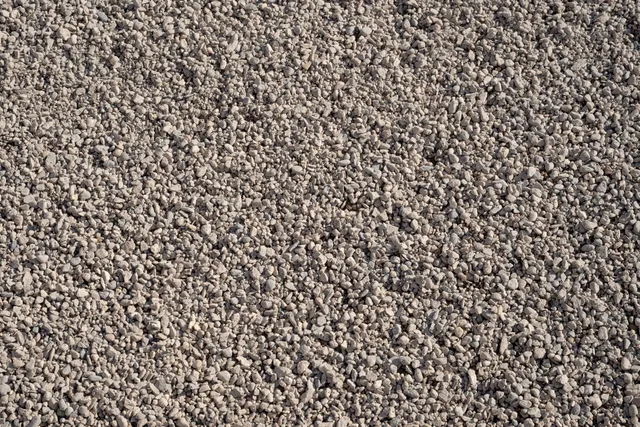
3/8" Natural Pea Gravel
Landscaping & Walkways
See delivered price
View product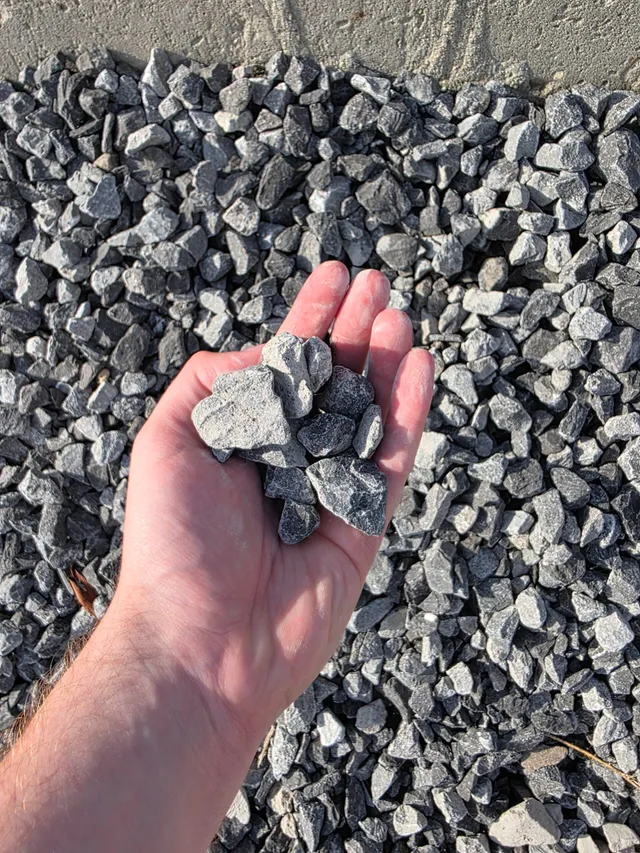
Driveway Gravel
Driveways & Parking areas
See delivered price
View product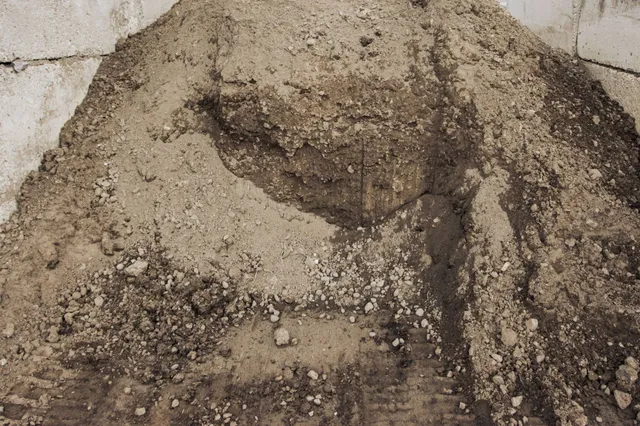
Fill Dirt
Grading & Backfill
See delivered price
View product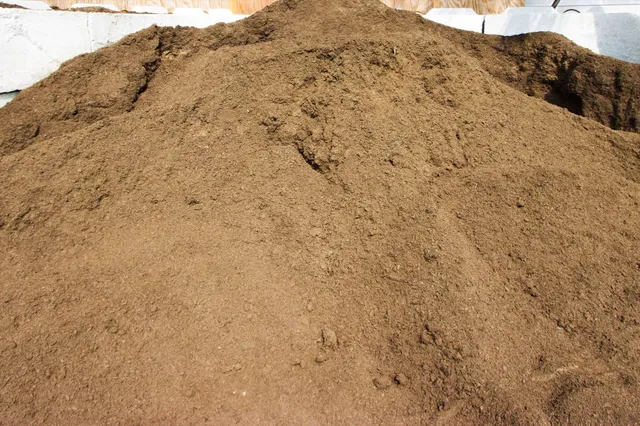
Topsoil
Lawn establishment & Garden beds
See delivered price
View product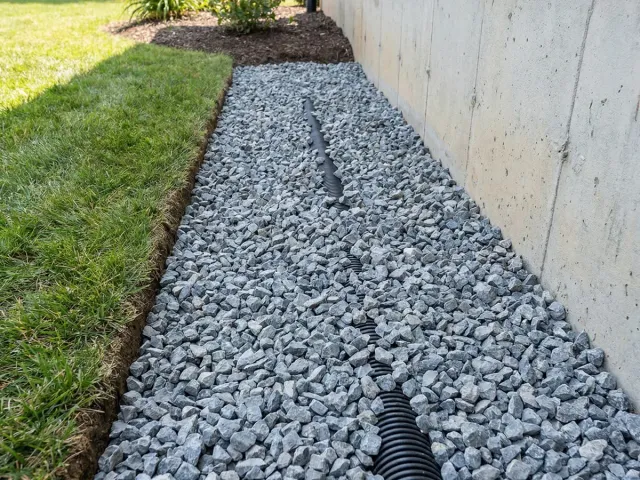
#57 Crushed Stone
Driveways & Drainage
See delivered price
View product