Best Gravel Size for Drainage Systems in 2026

Published on: January 25, 2026

Get an estimate for your project in 60 seconds

This field is hidden when viewing the form
Security lock iconYour information is secure


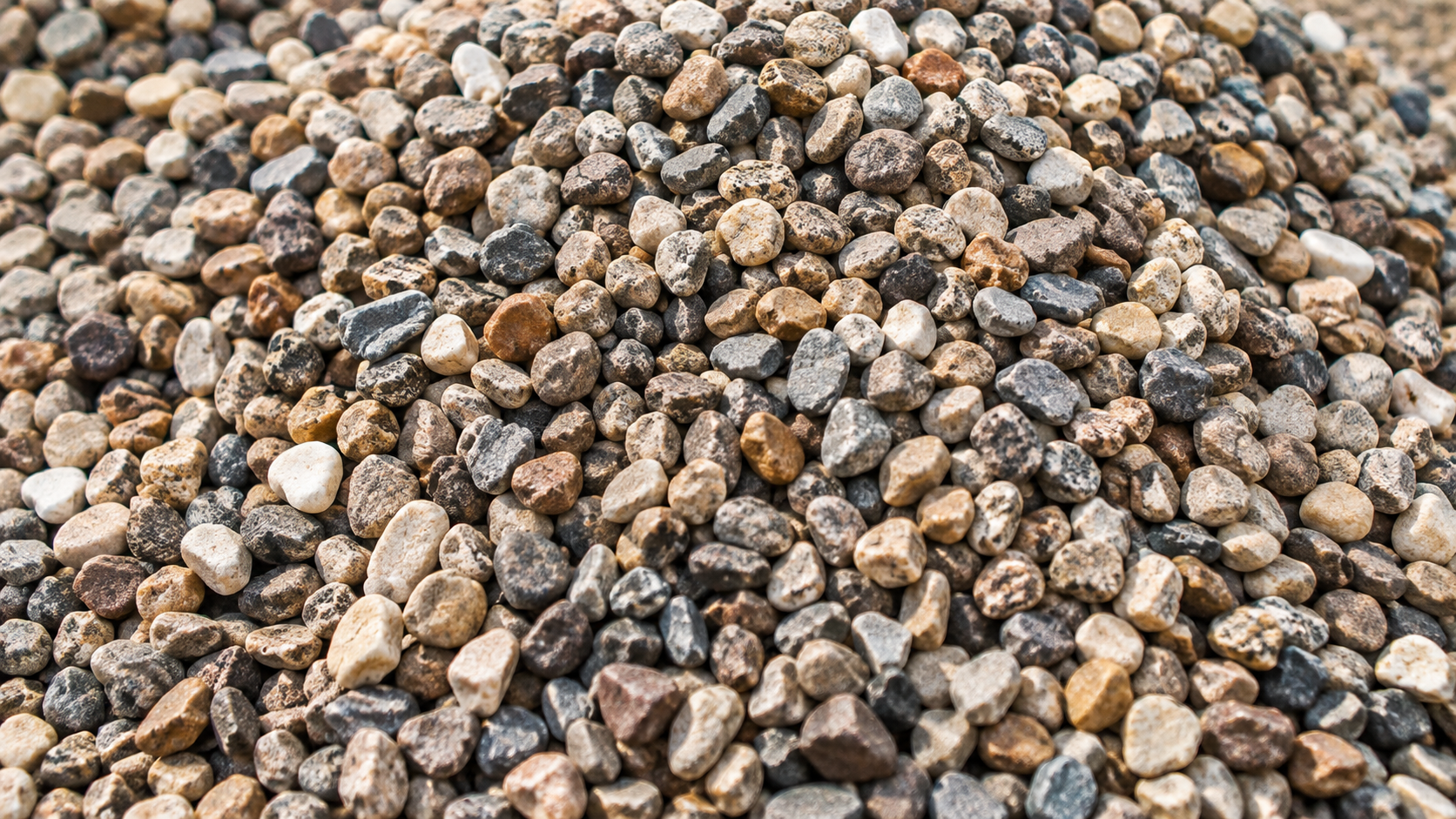
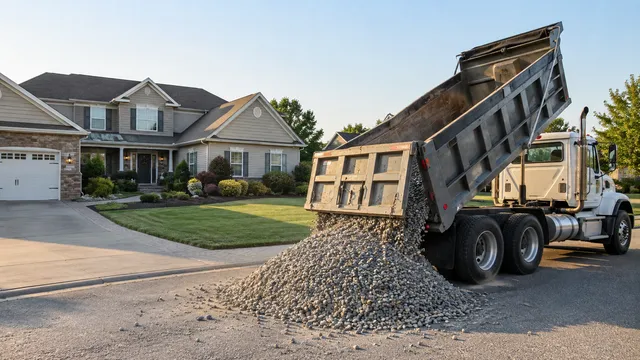
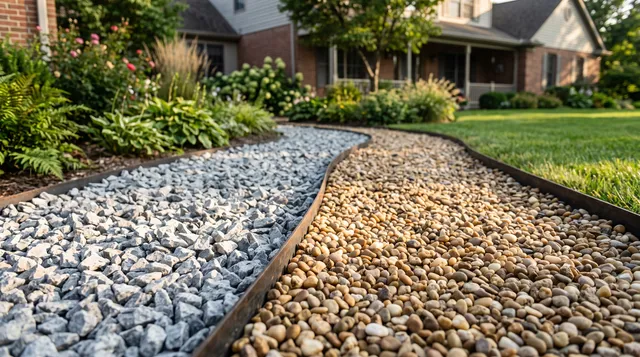
Various gravel sizes drainage comparison

Choosing the right gravel size for drainage can make or break your project’s success. The best gravel size for most drainage applications ranges from 3/8 inch to 3/4 inch, providing optimal water flow while maintaining structural stability. However, your specific choice depends on factors like soil type, water volume, and intended use.

Poor drainage leads to foundation damage, waterlogged landscapes, and costly repairs. The right gravel creates pathways for water to flow freely while filtering out debris and providing long-term stability. Understanding which size works best for your situation saves you time, money, and future headaches.

Pro Tip: For standard residential drainage projects like French drains or foundation drainage, 3/8 to 1/2 inch crushed stone offers the perfect balance of drainage speed and stability.

Understanding gravel’s role in drainage systems

Gravel acts as nature’s filter and highway for water movement. Its porous structure creates interconnected spaces that allow water to pass through while catching larger debris that could clog pipes or channels.

The angular shape of crushed gravel creates better interlocking than rounded stones, providing stability under load. This prevents settling and maintains consistent drainage performance over time. According to hellogravel.com, properly sized gravel can handle significant water volumes without compromising structural integrity.

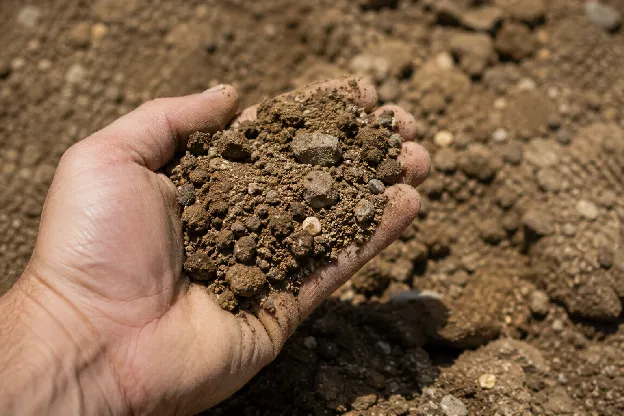
Different soil types affect how gravel performs. Clay soils drain slowly and benefit from smaller gravel sizes that provide more surface area for water absorption. Sandy soils drain quickly and can handle larger gravel sizes without waterlogging issues. Understanding what type of aggregate is best for drainage helps ensure your project succeeds from the start.

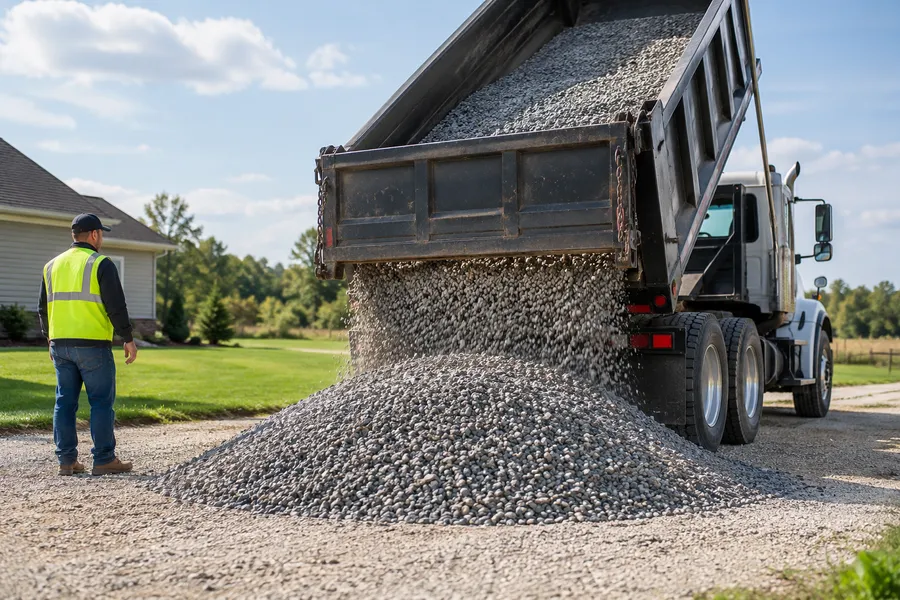
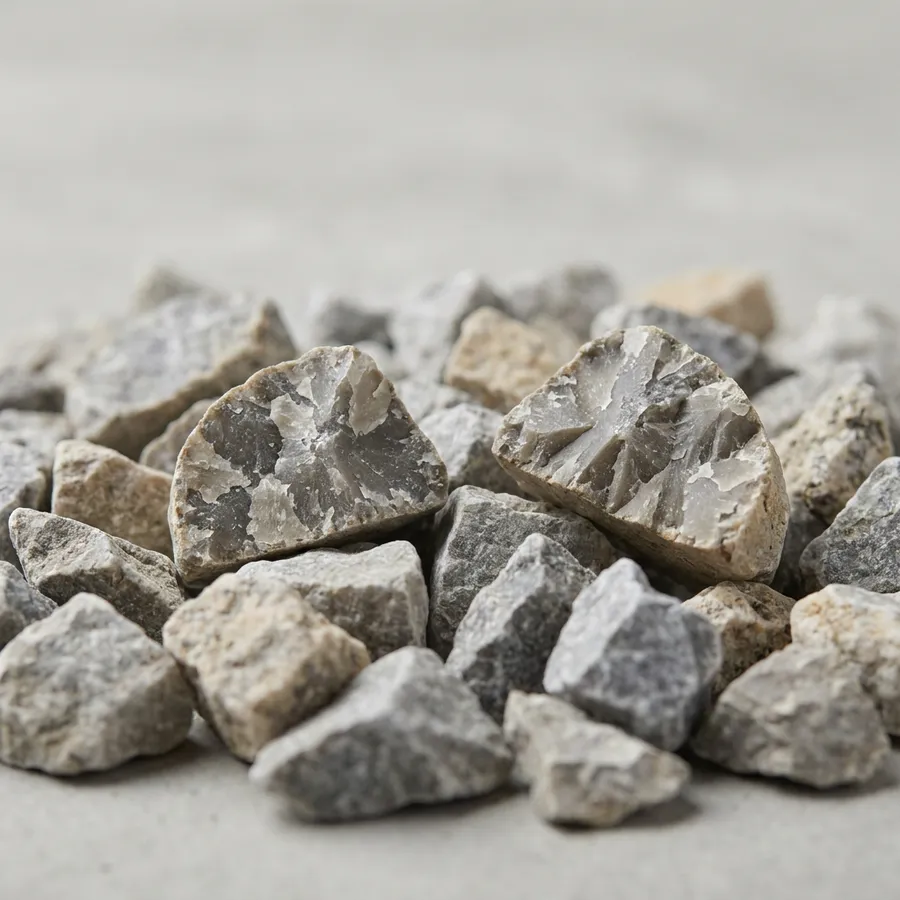
Gravel drainage system cross-section

Comparing gravel types for optimal drainage

Gravel Type Size Range Best Use Drainage Speed
Pea Gravel 1/8″ – 3/8″ Light drainage, decorative Moderate
Crushed Stone 3/8″ – 1/2″ Heavy-duty systems Fast
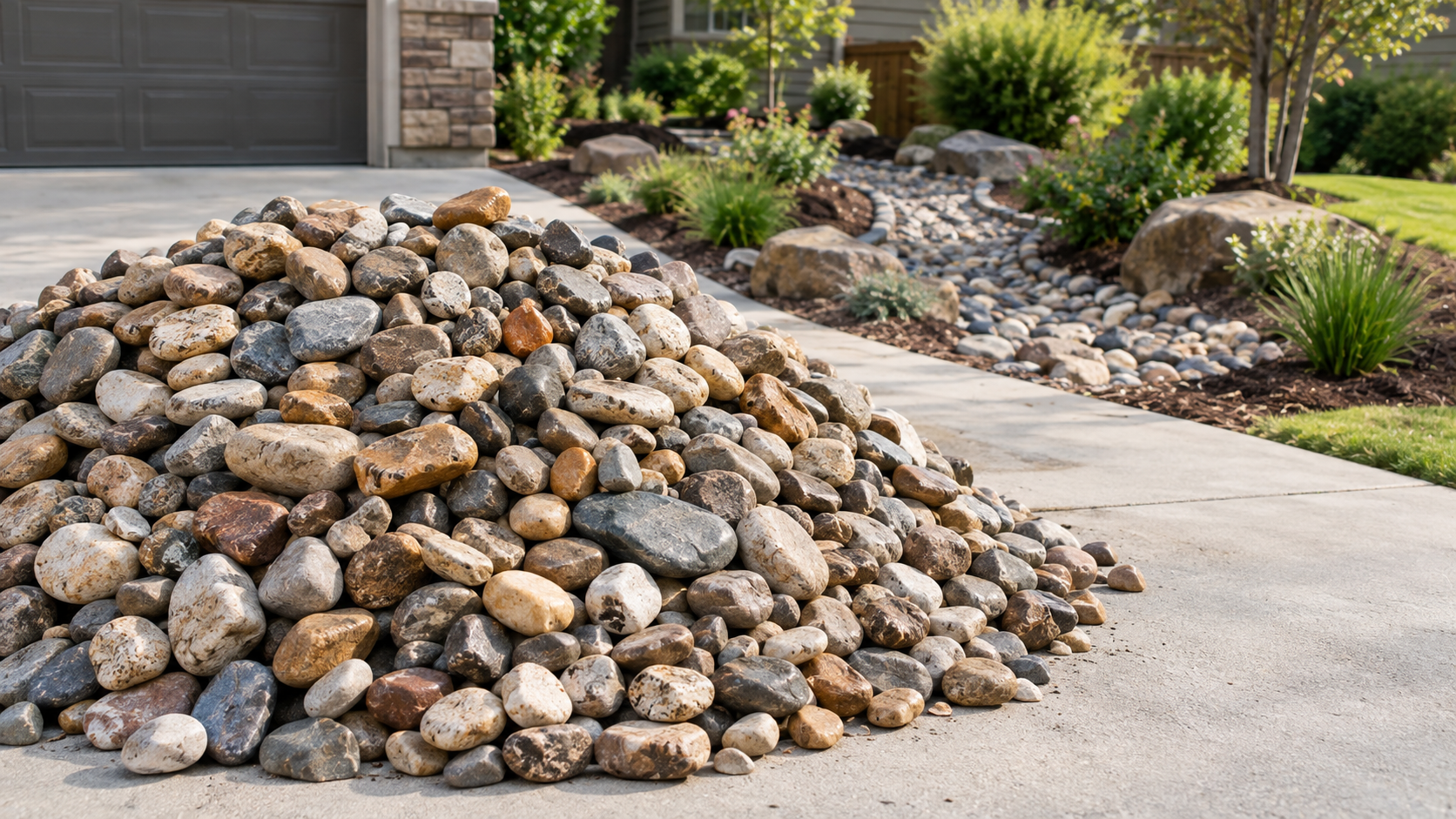
River Rock 1/2″ – 2″ Aesthetic drainage Slow

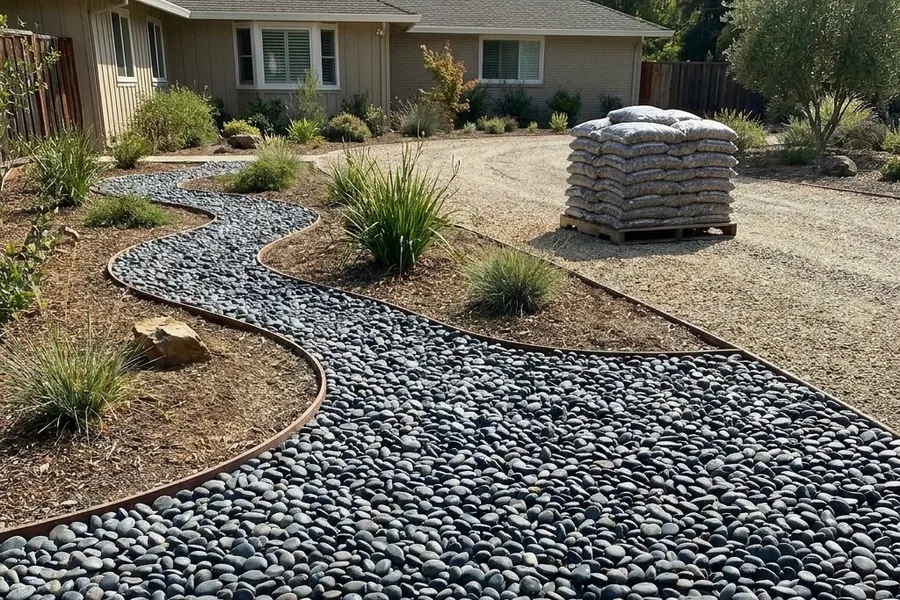
Pea gravel works well for lighter drainage needs and decorative applications. Its smooth, rounded surface makes it comfortable to walk on, making it popular for pathways that double as drainage areas. However, its rounded shape means less interlocking and potential for movement under heavy loads.

Crushed stone provides superior performance for serious drainage challenges. Its angular edges lock together, creating a stable base that won’t shift. The 3/8 to 1/2 inch size range offers excellent water flow while preventing soil migration through the system. For those wondering what is the best crushed stone size for drainage, this range consistently delivers optimal results.

River rock adds visual appeal but sacrifices some drainage efficiency. Its larger size creates bigger gaps for water flow, but fewer contact points mean less filtration. Best used where aesthetics matter as much as function.

Key Insight: Crushed stone outperforms rounded gravel in drainage applications because angular particles create more stable, interlocking structures that resist shifting and settling.

Factors determining ideal gravel size

Your local climate significantly impacts gravel size selection. Areas with heavy rainfall need gravel that can handle sudden water surges without backing up. Regions with light, steady precipitation can use smaller sizes for better filtration.

Soil composition plays a crucial role in size selection. Clay-heavy soils retain water and need smaller gravel sizes (3/8 inch or less) to provide adequate surface area for water absorption. Sandy soils drain naturally and can accommodate larger sizes (1/2 to 3/4 inch) without waterlogging.

The slope of your drainage area affects water velocity. Steeper slopes move water faster, allowing for larger gravel sizes. Gentle slopes need smaller gravel to ensure water doesn’t pool or flow too slowly through the system.

Load requirements matter for areas that will support weight. Driveways and walkways need crushed stone in the 1/2 to 3/4 inch range for stability. Decorative drainage areas can use smaller sizes without structural concerns. Learn more about what type of aggregate base is best for drainage to match your specific project needs.

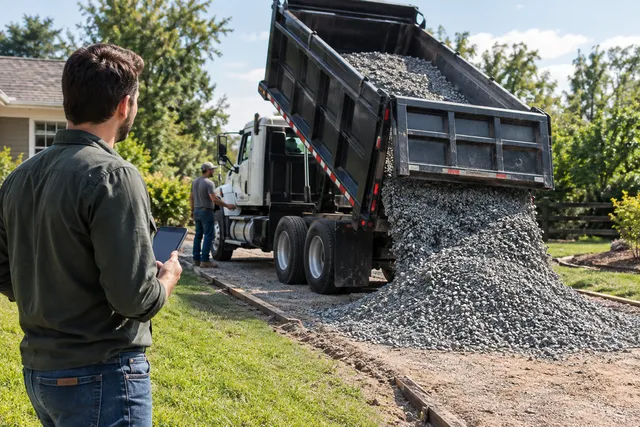
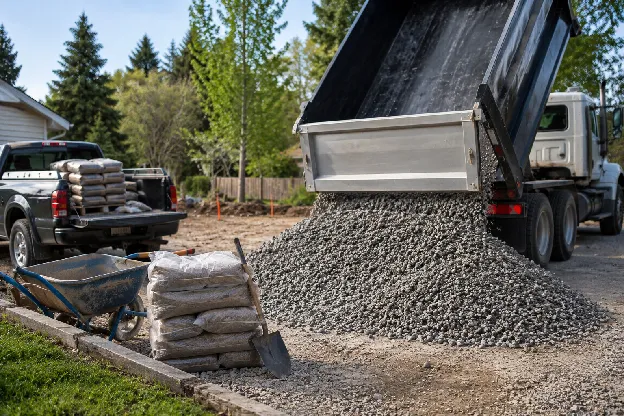
Gravel size comparison drainage efficiency

Installation best practices for gravel drainage

Proper preparation sets the foundation for drainage success. Remove all vegetation, debris, and loose soil from the drainage area. Create a slight slope away from structures to encourage water flow in the right direction.

Install landscape fabric before adding gravel to prevent soil migration into your drainage system. This barrier maintains the gravel’s porosity while keeping fine particles from clogging the spaces between stones.

Layer your gravel strategically for maximum effectiveness. Start with larger stones (3/4 to 1 inch) at the bottom for structural support, then add your primary drainage layer (3/8 to 1/2 inch), and finish with a top layer suited to your specific needs. For comprehensive guidance, check out our guide to using gravel in drainage systems.

Compact each layer lightly to ensure stability without eliminating the spaces needed for water flow. Over-compaction reduces drainage efficiency, while under-compaction leads to settling and uneven surfaces.

Installation Tip: Always test your drainage system with water before final backfilling to ensure proper flow and identify any areas that need adjustment.

Regular maintenance keeps your gravel drainage system performing at its best. Inspect the surface quarterly for debris accumulation or signs of settling. Clear any blockages immediately to prevent water backup and potential damage.

The right gravel size transforms drainage problems into reliable water management solutions. Focus on your specific soil conditions, climate, and load requirements when making your selection. With proper sizing and installation, your gravel drainage system will protect your property for years to come. For those working on French drain installations, selecting the appropriate gravel size is especially critical to long-term performance.

FAQ

What is the best gravel size for French drains?

3/4-inch crushed #57 gravel is optimal for French drains due to its angular shape that promotes excellent water flow without clogging. The angular edges create better interlocking and stability compared to rounded stones. For high-volume drainage needs, you can use 1 to 1.5 inch gravel, but 3/4-inch provides the best balance of drainage speed and filtration for most residential applications.

Should I use pea gravel or crushed stone for drainage?

Choose pea gravel (1/8 to 3/8 inch) for decorative applications and light drainage where aesthetics matter, such as walkways or garden drainage. Use crushed stone like #57 (3/4 inch) for heavy-duty structural drainage including French drains, foundation drainage, and areas that support vehicle traffic. Crushed stone’s angular shape provides better interlocking and stability, while pea gravel’s smooth surface makes it more comfortable for foot traffic but less stable under load.

How thick should my gravel drainage layer be?

Install a minimum of 4 to 6 inches of gravel for most drainage applications. For French drains and foundation drainage, use 4-6 inches of primary drainage gravel. For driveways and heavy-load areas, install 6-12 inches depending on soil conditions and expected traffic. Always layer larger stones (3/4 to 1 inch) at the bottom for structural support, followed by your primary drainage layer, and finish with appropriate top material for your specific use.

What gravel size works best for different soil types?

Clay soils drain slowly and benefit from smaller gravel sizes (3/8 inch or less) that provide more surface area for water absorption and prevent waterlogging. Sandy soils drain naturally and can accommodate larger gravel sizes (1/2 to 3/4 inch) without drainage issues. For mixed soil conditions, 3/8 to 1/2 inch crushed stone offers the best compromise, providing adequate drainage speed while maintaining stability across different soil types.

Author: