Best Aggregate for Drainage Gravel vs Sand vs Crushed Stone

Published on: January 8, 2026

Get an estimate for your project in 60 seconds

This field is hidden when viewing the form
Security lock iconYour information is secure


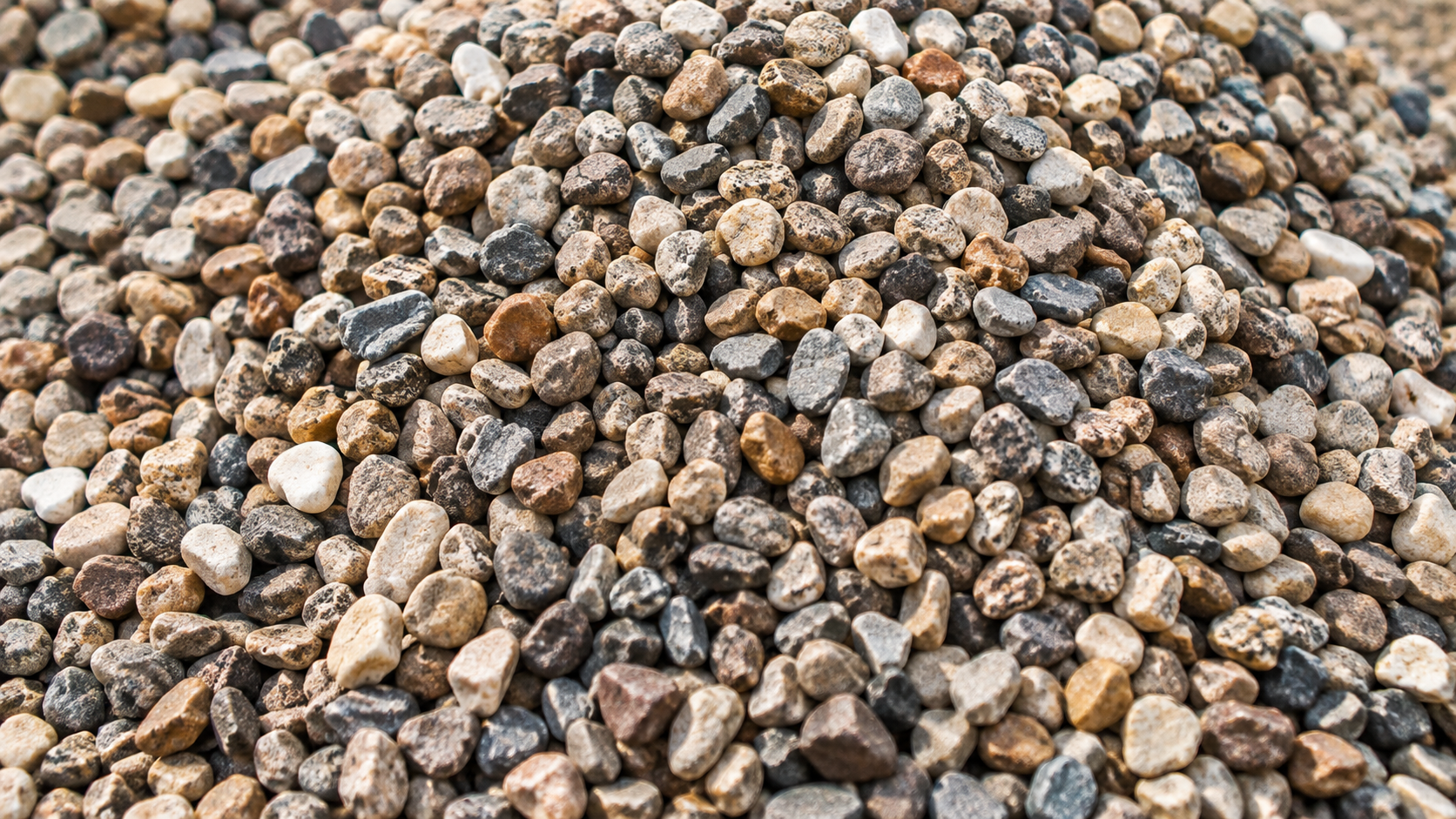
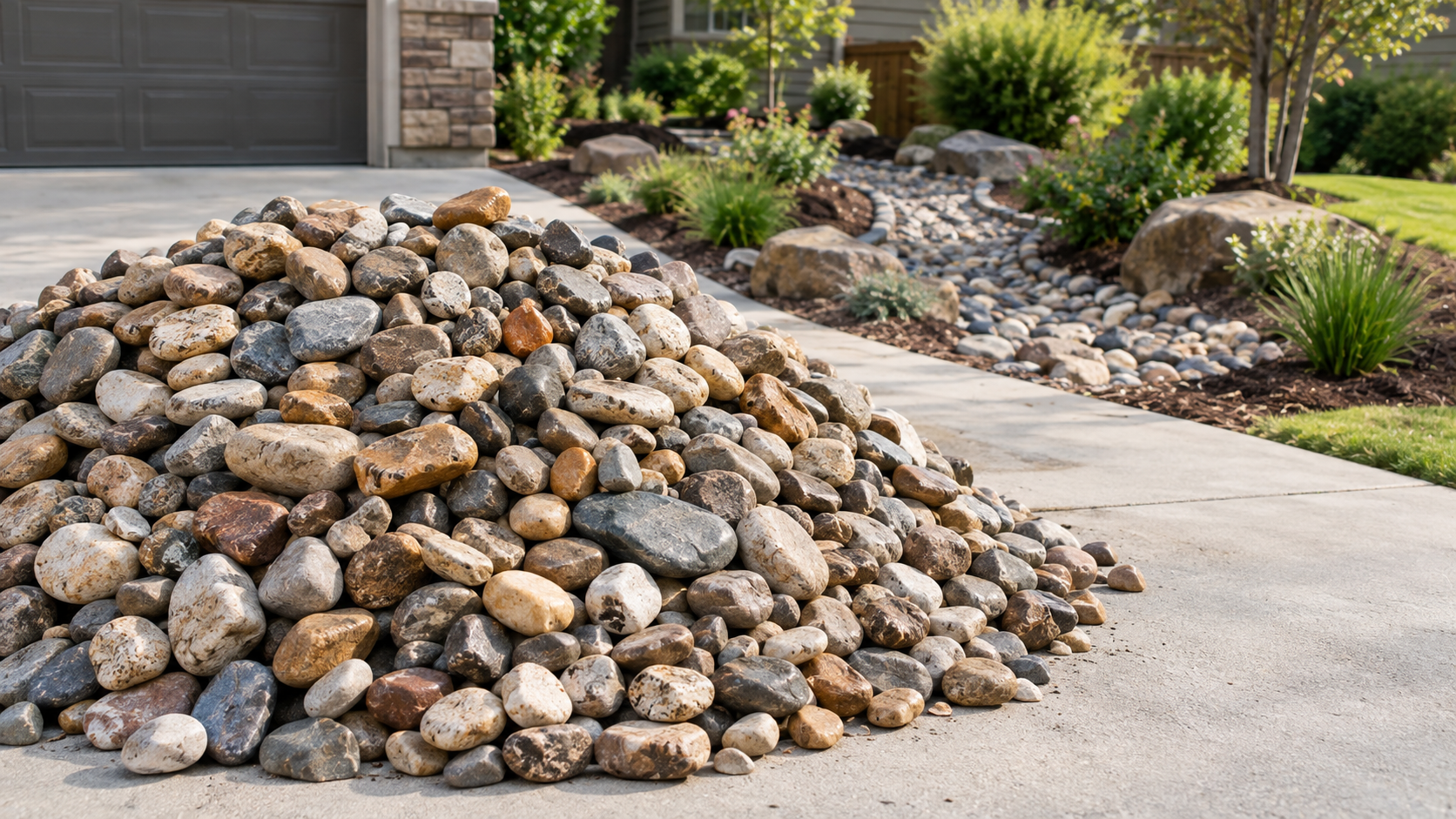
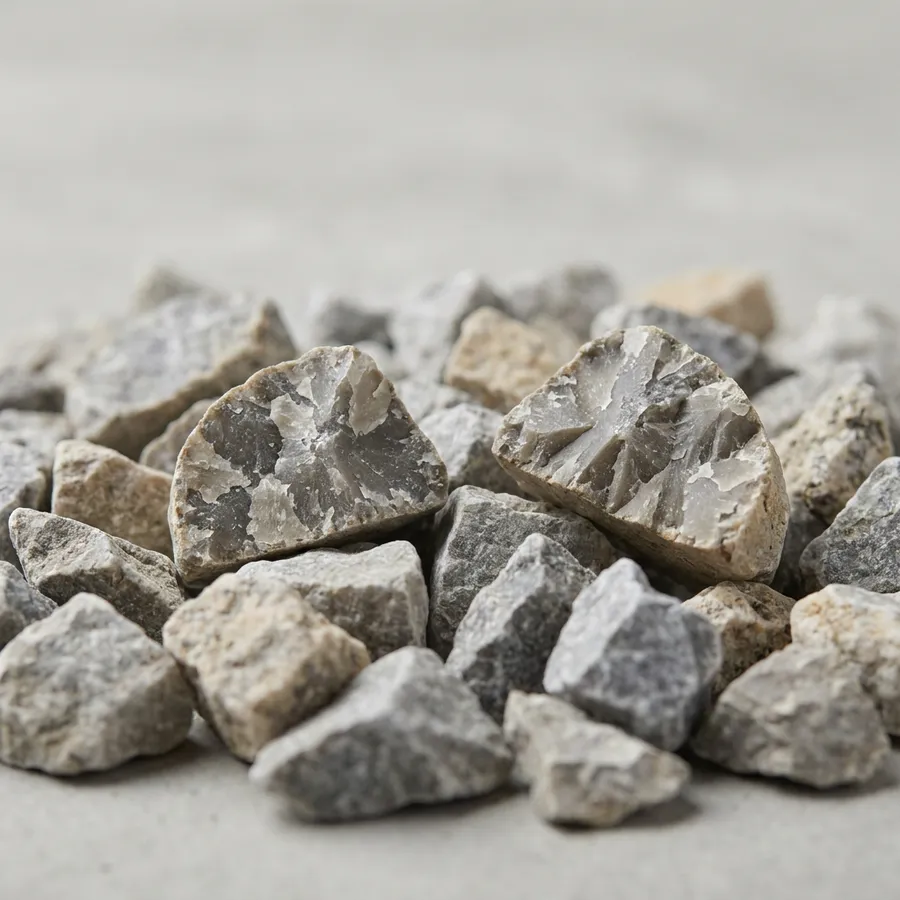
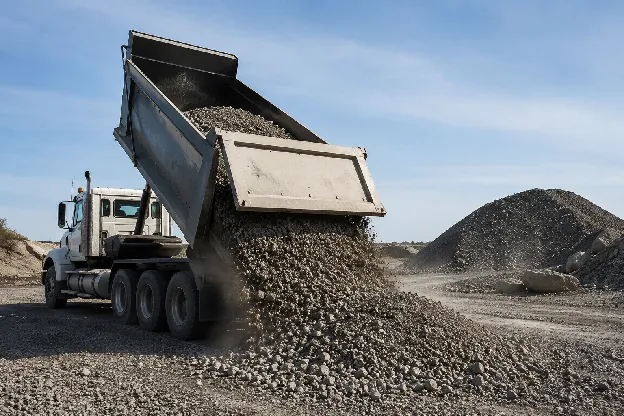
Various drainage aggregates including gravel, sand, and crushed stone laid out for comparison

When water pools around your foundation or creates muddy patches in your yard, choosing the right aggregate for drainage becomes critical. Coarse gravel typically provides the best drainage performance due to its large particle size and excellent water flow properties, though sand and crushed stone each offer unique advantages for specific applications.

Quick Answer: For most drainage projects, 3/4-inch to 1.5-inch coarse gravel delivers optimal water flow while maintaining structural stability. However, your soil type, budget, and specific drainage needs will influence the final choice.

Understanding which aggregate works best for your situation can save you from costly drainage failures and water damage. Let’s explore how each option performs and when to use them.

What Makes Aggregate Essential for Drainage

Aggregate creates the foundation of any effective drainage system by providing pathways for water movement. When water hits the ground, it needs somewhere to go quickly to prevent pooling and structural damage.

Think of aggregate like a highway system for water. Just as cars need roads with proper lanes and spacing, water needs open spaces between particles to flow efficiently. The size and shape of these particles determine how fast water moves through your drainage system.

Different aggregates create different sized pathways. Larger particles like coarse gravel create bigger spaces, allowing water to rush through quickly. Smaller particles like sand create more surface area but smaller pathways, slowing water movement while providing better filtration.

The key lies in matching your aggregate choice to your drainage goals. Fast water removal requires larger particles, while areas needing gradual filtration benefit from smaller ones.

Comparing Drainage Aggregates: Performance and Applications

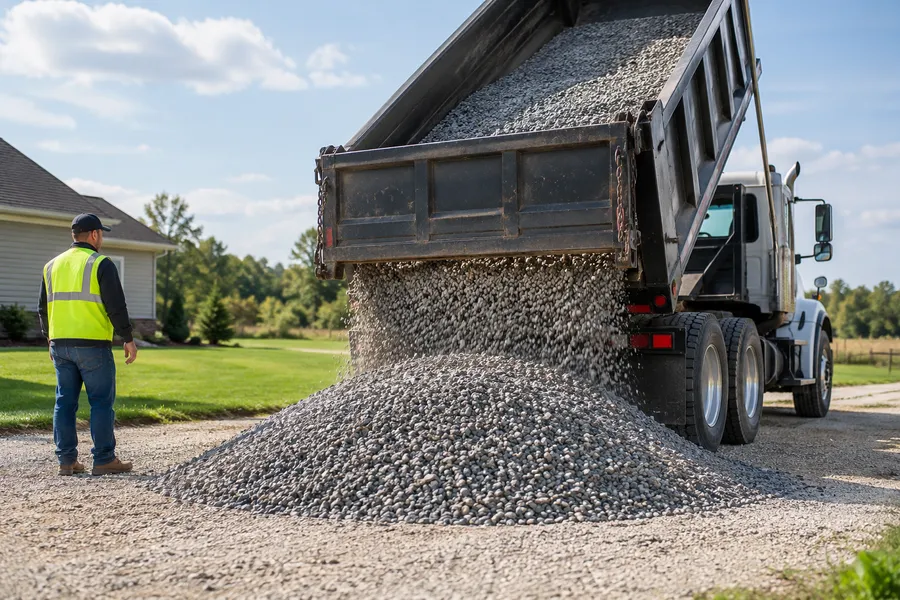
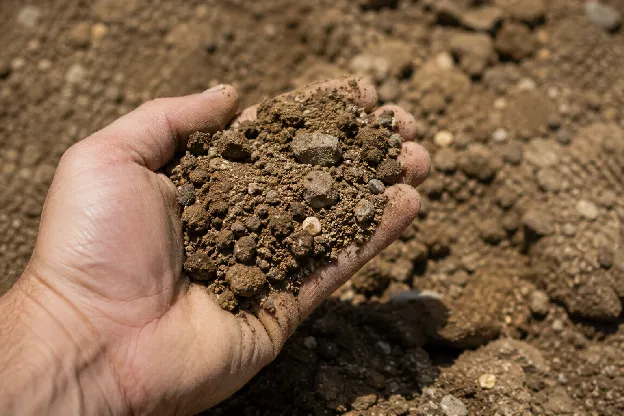
Cross-section view of different aggregates in drainage applications showing water flow patterns

Each aggregate type brings distinct characteristics that affect drainage performance. Understanding these differences helps you select the right material for your specific needs.

Gravel for Drainage Systems

Gravel stands out as the most versatile drainage aggregate. Its rounded stones create excellent void spaces that allow rapid water movement while resisting compaction over time.

The rounded shape of gravel particles prevents them from locking together tightly, maintaining drainage capacity even under pressure. This makes gravel ideal for French drains, foundation drainage, and areas with heavy water flow.

Gravel comes in various sizes, from pea gravel at 1/4 inch to coarse gravel at 1.5 inches. Larger sizes drain faster but provide less stability, while smaller sizes offer better compaction but slower drainage.

Sand as a Drainage Medium

Sand offers unique advantages despite its reputation for poor drainage. While fine sand can create drainage problems, coarse sand provides excellent filtration while still allowing water movement.

The smaller particle size of sand creates more surface area, making it effective at filtering sediments and pollutants from water. This quality makes sand valuable in septic systems and areas where water quality matters.

However, sand requires careful selection. Fine sand can clog easily, while coarse sand maintains better drainage properties. Sand works best when combined with other aggregates in layered drainage systems.

Crushed Stone Benefits

Crushed stone brings angular particles that interlock for superior stability. This characteristic makes it excellent for drainage applications requiring structural support, like under driveways or heavy traffic areas.

The angular edges of crushed stone create a stable base that resists shifting while still providing adequate drainage. Different grades of crushed stone offer varying drainage rates, with larger grades draining faster.

Crushed stone typically costs less than gravel and offers good availability in most areas. Its durability makes it suitable for long-term drainage solutions where maintenance access is limited.

Key Factors for Choosing Your Drainage Aggregate

Aggregate Type Particle Size Drainage Speed Best Applications Relative Cost
Coarse Gravel 3/4″ – 1.5″ Excellent French drains, foundation drainage Medium
Pea Gravel 1/4″ – 3/8″ Good Surface drainage, decorative areas Medium
Coarse Sand 1/16″ – 1/4″ Fair Filtration, septic systems Low
Crushed Stone 1/2″ – 1.5″ Good Structural drainage, driveways Low

Particle Size Impact

Particle size directly affects drainage speed and system performance. Larger particles create bigger void spaces, allowing faster water movement but potentially sacrificing stability.

For rapid drainage needs like foundation protection, choose aggregates in the 3/4-inch to 1.5-inch range. These sizes provide excellent water flow while maintaining reasonable stability. If you’re wondering about the best gravel size for drainage, this range consistently delivers optimal results.

Smaller particles work better for gradual drainage or filtration applications. They slow water movement, allowing time for infiltration and reducing erosion potential.

Cost and Availability Considerations

Budget constraints often influence aggregate selection, but choosing solely on price can lead to poor performance. Gravel typically costs more than crushed stone but offers superior drainage in most applications.

Local availability significantly affects pricing. Crushed stone and sand are often locally produced, reducing transportation costs. Gravel may require longer shipping distances, increasing overall project costs.

Cost Tip: Calculate total project costs including delivery, installation, and long-term maintenance. A slightly more expensive aggregate that lasts longer often provides better value.

Consider bulk purchasing for larger projects to reduce per-unit costs. Many suppliers offer discounts for orders over specific quantities, and you can learn more about ordering sand and gravel in bulk to maximize your savings.

Installation Guidelines for Optimal Performance

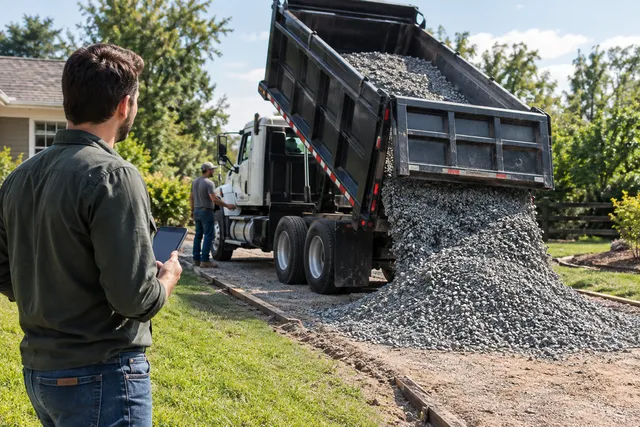
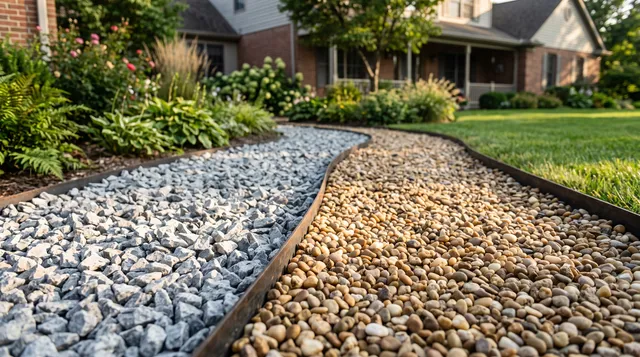
Step-by-step installation process showing proper aggregate layering techniques

Proper installation determines whether your drainage system succeeds or fails. Even the best aggregate won’t perform without correct installation techniques.

Site Preparation Steps

Start by excavating to the proper depth and creating appropriate slopes. Most drainage systems require a minimum 1% grade to ensure gravity-fed water movement.

Remove all organic material, debris, and fine soil from the excavation area. These materials can clog your aggregate over time, reducing drainage effectiveness.

Install landscape fabric to separate your aggregate from surrounding soil. This prevents soil migration into your drainage system while allowing water passage.

Layering Techniques

Create distinct layers using different aggregate sizes for optimal performance. Start with larger aggregate at the bottom for maximum drainage, then transition to smaller sizes toward the surface.

A typical layered system uses 2-3 inches of coarse gravel at the base, followed by medium gravel, then a surface layer of smaller aggregate or decorative stone.

Compact each layer lightly to ensure stability without eliminating void spaces. Over-compaction destroys drainage capacity, while under-compaction leads to settling issues.

Maintenance for Long-Term Success

Regular inspection prevents small problems from becoming major failures. Check your drainage system after heavy rains to ensure proper water flow and identify any blockages.

Remove accumulated debris, leaves, and sediment that can clog aggregate surfaces. This maintenance typically requires only basic tools and minimal time investment.

Monitor for settling or erosion that might affect system performance. Address these issues promptly to maintain optimal drainage capacity.

Proper aggregate selection and installation creates drainage systems that protect your property for decades. Whether you choose gravel for maximum drainage, sand for filtration, or crushed stone for stability, understanding each material’s strengths ensures your project succeeds. Take time to evaluate your specific needs, local material availability, and budget constraints before making your final decision.

FAQ

What size gravel is best for drainage?

For most drainage applications, 3/4-inch to 1.5-inch coarse gravel provides the optimal balance of drainage speed and structural stability. This size creates adequate void spaces for rapid water movement while maintaining system integrity. For lighter drainage needs or decorative applications, pea gravel (1/4-inch to 3/8-inch) works well, while heavy-duty drainage systems may benefit from larger 1.5-inch aggregate.

Is crushed stone or gravel better for drainage?

Gravel typically provides better drainage performance due to its rounded shape, which creates larger void spaces and resists compaction over time. However, crushed stone offers superior structural stability with its angular particles that interlock together. For pure drainage applications like French drains, gravel is preferred. For areas requiring both drainage and structural support, such as under driveways, crushed stone is the better choice.

Can sand be used effectively for drainage?

Coarse sand can be effective for drainage when used properly, particularly for filtration applications like septic systems. While it drains slower than gravel or crushed stone, sand excels at filtering sediments and pollutants from water. Fine sand should be avoided as it can clog easily. Sand works best when combined with other aggregates in layered drainage systems rather than used alone.

How do I maintain my aggregate drainage system?

Regular maintenance involves inspecting the system after heavy rains to ensure proper water flow and removing accumulated debris, leaves, and sediment that can clog the aggregate surface. Monitor for settling or erosion issues and address them promptly. Most maintenance requires only basic tools and minimal time investment. Proper installation with landscape fabric helps prevent soil migration and reduces long-term maintenance needs.

Author: