Crushed Stone Playground Base: How to Build a Safe Swingset Foundation
Published on: December 12, 2025
Get an estimate for your project in 60 seconds

Planning a backyard playground for your kids? You’re probably wondering about the best foundation to keep your swingset stable and safe. A properly installed crushed stone base provides excellent drainage, prevents equipment wobbling, and creates a solid foundation that lasts for years.
Crushed stone works as an ideal sub-base under playground equipment, but it’s typically paired with a safety surface layer like rubber mulch or engineered wood fiber for fall protection. This guide walks you through everything you need to know about building a crushed stone foundation for your playset.
Quick Answer: Crushed stone makes an excellent playground base when properly installed at 4-6 inches deep with proper compaction and drainage slope. However, you’ll need to add a safety surface layer on top for fall protection in play areas.
What is a playground base and why do you need one
A playground base, also called a sub-base, is the foundation layer beneath your playground equipment and safety surfacing. Think of it like the foundation of a house – you wouldn’t build directly on soft soil, and the same principle applies to playground equipment.
The sub-base differs from the surface layer in important ways. Your sub-base provides structural support and drainage, while the surface layer (like mulch or rubber) handles impact absorption when kids fall. Most playground installations use both layers working together.
Without a proper base, you’ll face problems like equipment sinking into soft ground, puddles forming after rain, and uneven surfaces that create safety hazards. A good foundation prevents these issues and extends the life of both your equipment and safety surfacing.

Why crushed stone works perfectly for playground foundations
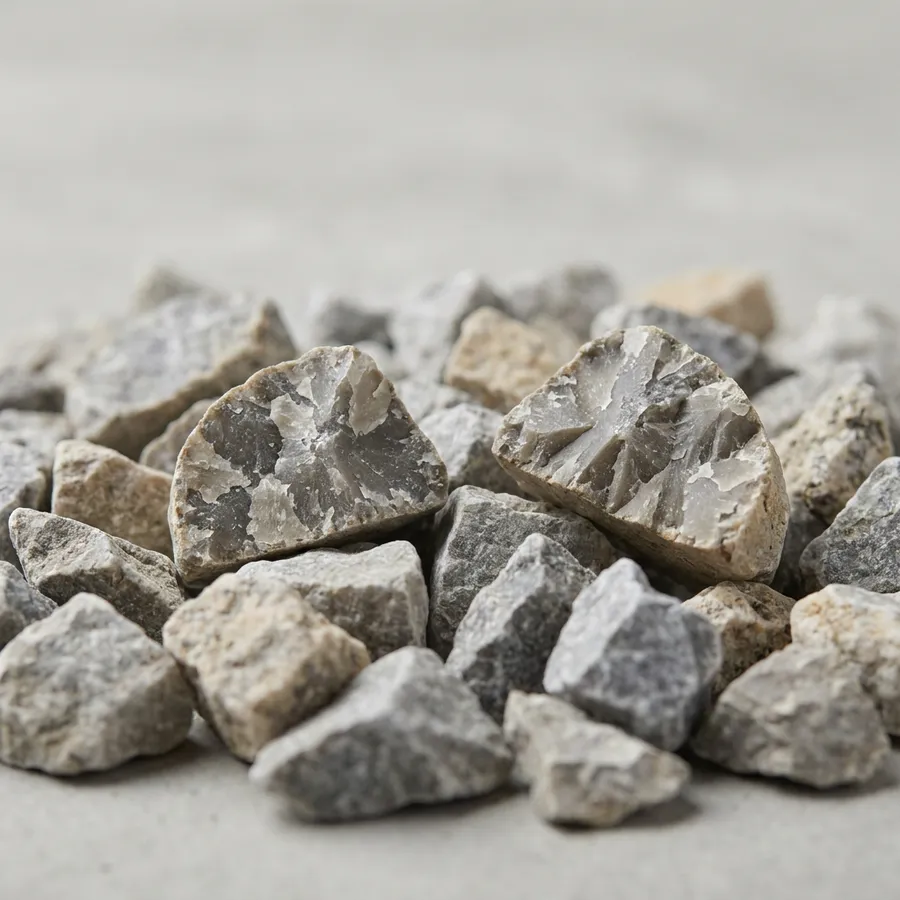
Crushed stone offers several advantages that make it the go-to choice for playground foundations. The angular edges of crushed stone lock together when compacted, creating a stable surface that won’t shift under heavy use.
Drainage benefits
Water flows freely through crushed stone, preventing puddles and mud around your playground. This drainage keeps your play area usable even after heavy rain and prevents water damage to equipment. Most installers recommend grading the stone base with a slight 2% slope to encourage water runoff.
Long-term stability
Unlike organic materials that decompose over time, crushed stone maintains its structure for decades. When properly compacted to 95% Standard Proctor density, it creates a rock-solid foundation that won’t develop ruts or soft spots.
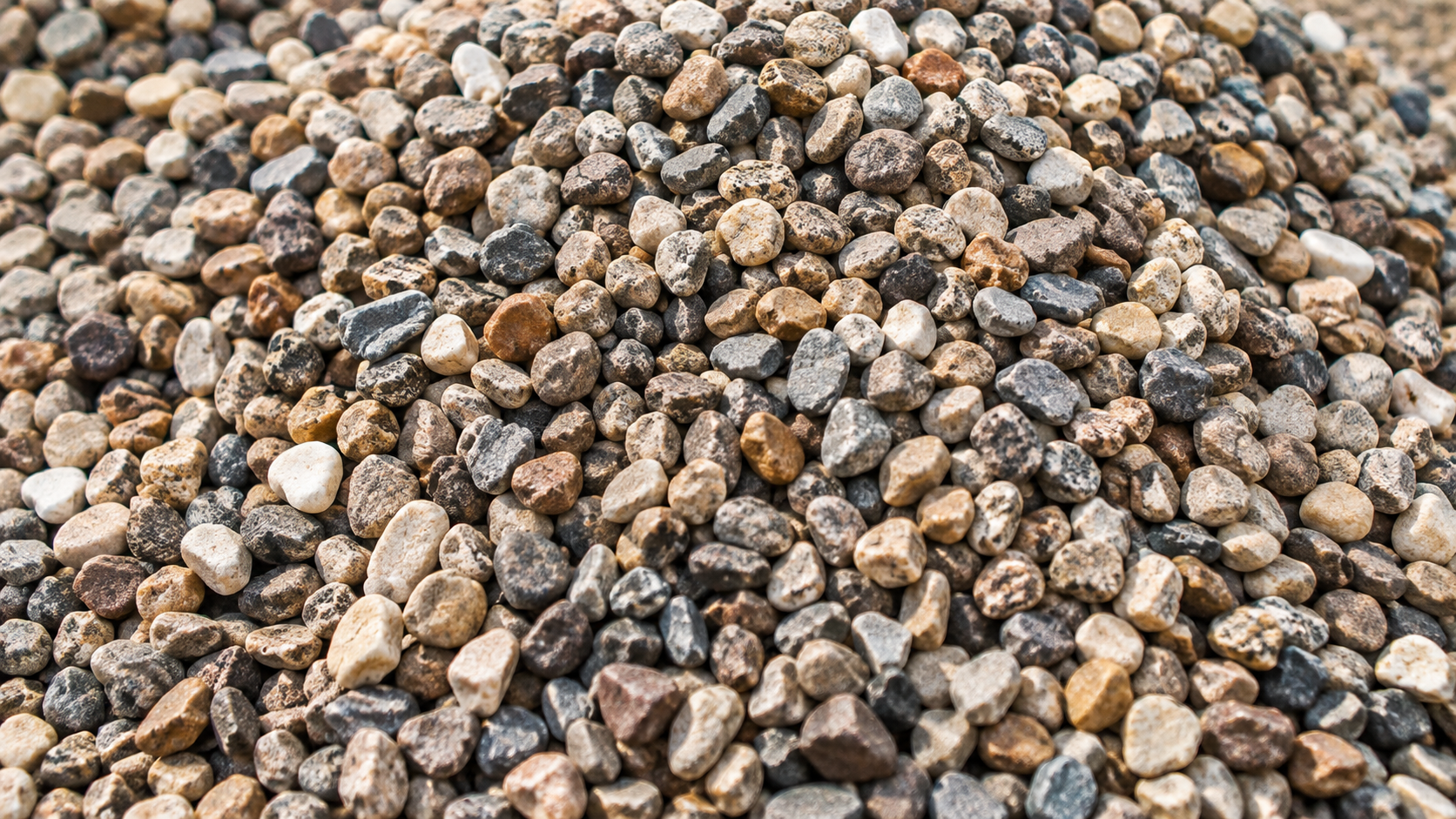
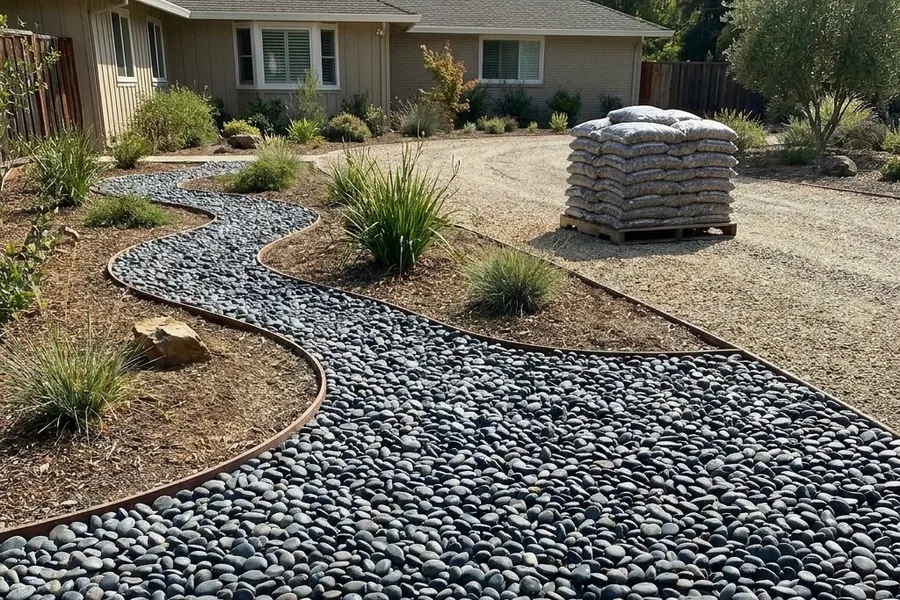
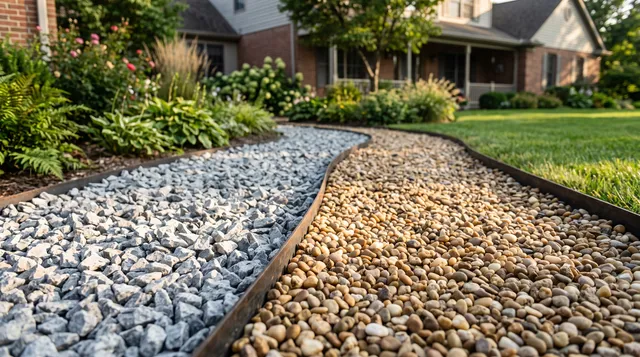
The key is using the right type of stone. You want crushed stone (with angular edges) rather than rounded pea gravel, which doesn’t compact well. Three-quarter inch minus crushed stone or similar graded blends work best for most playground applications.
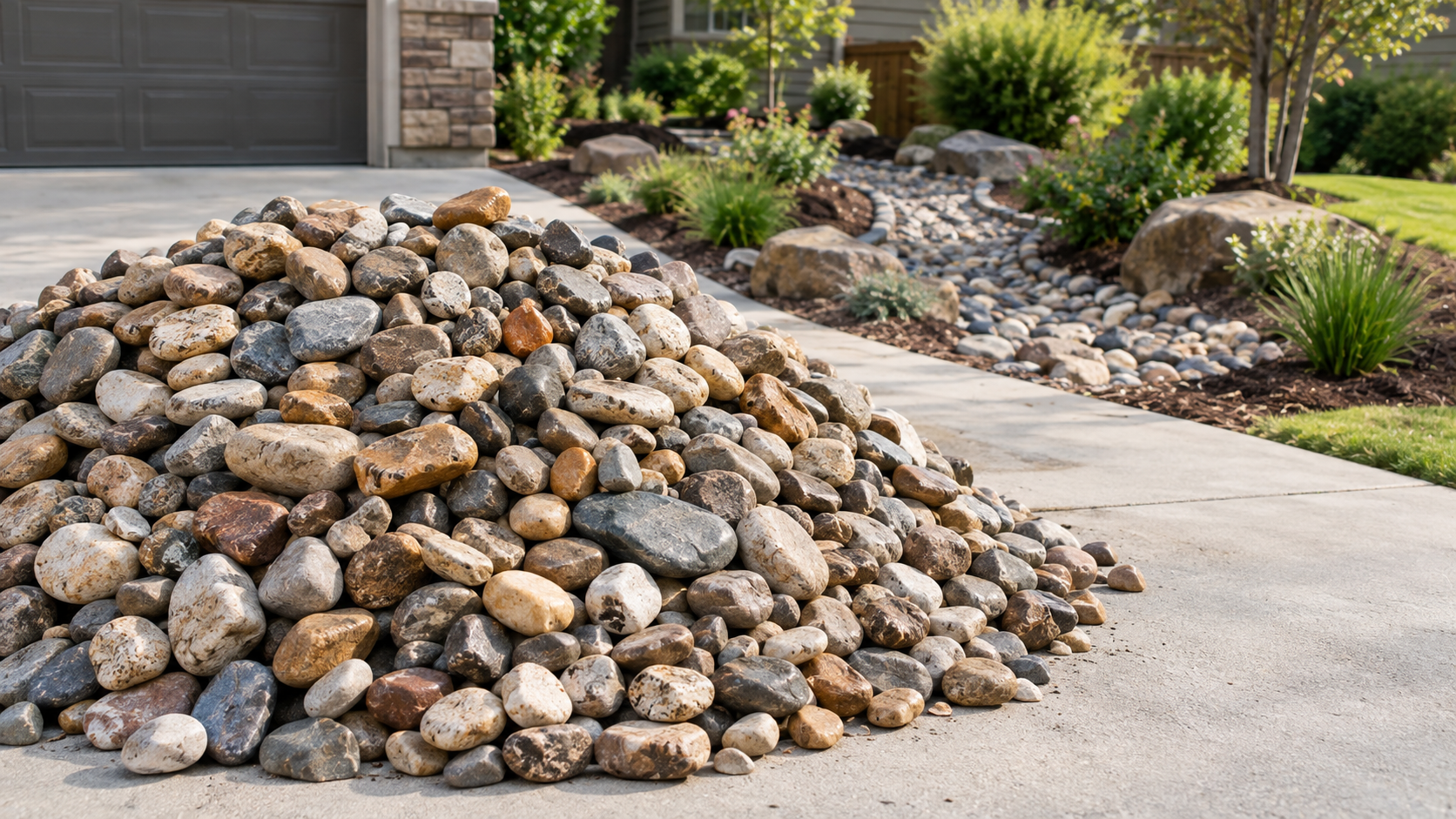
Pro Tip: Never use rounded pea gravel as a playground base – it won’t compact properly and will shift under equipment weight, creating an unstable foundation.
Choosing the right materials and specifications
Getting the stone type and depth right makes the difference between a foundation that lasts decades and one that fails within a few years. For most residential playgrounds, you’ll want 4-6 inches of compacted crushed stone.
Stone type and sizing
Three-quarter inch minus crushed stone provides the ideal balance of drainage and compaction. This gradation includes stones ranging from dust particles up to 3/4 inch, allowing smaller particles to fill gaps between larger ones for maximum stability.
Depth requirements
Your stone depth depends on your soil conditions and planned surface material. Standard residential installations typically use 4 inches of compacted stone, while areas with poor drainage or heavy equipment may need 6 inches. Always compact the stone in 2-inch lifts rather than dumping the full depth at once.
Compaction standards
Proper compaction is crucial for long-term performance. Use a plate compactor to achieve firm, stable results. The surface should feel solid underfoot and show minimal movement when walked on.
| Base Material | Compaction Ability | Drainage | Cost | Best Use |
|---|---|---|---|---|
| Crushed Stone | Excellent | Excellent | Moderate | Most playgrounds |
| Pea Gravel | Poor | Good | Low | Not recommended |
| Sand | Fair | Poor | Low | Limited applications |
| Concrete | Excellent | Poor | High | Commercial/permanent |
Step-by-step installation guide
Installing a crushed stone playground base involves careful planning and attention to detail. Taking time with each step ensures your foundation will perform well for years.
Site preparation and layout
Start by measuring your play area, including safety zones around equipment. Mark corners with stakes and spray paint, checking that corners are square by measuring diagonals. Remove all grass, weeds, and debris from the marked area.
Excavate to accommodate both your stone base and surface material. For a 4-inch stone base plus 3 inches of mulch, you’ll dig down about 7 inches total. Grade the excavated area with a slight slope for drainage.
Installing edging and containment
Install landscape timbers or rubber edging around the perimeter before adding stone. This containment keeps materials in place and creates clean edges. Anchor edging securely and check that it’s level using a string line.
Adding and compacting the stone
Spread crushed stone in 2-inch lifts, raking it level before compacting each layer. Use a plate compactor to achieve firm, stable results. The final surface should be level but maintain your drainage slope.
After compacting the final lift, consider adding landscape fabric to prevent weeds and keep surface materials from mixing with the stone base. If you’re looking for guidance on using decomposed granite as a base for playground equipment, the same compaction principles apply.

Maintenance and long-term care
A well-installed crushed stone base requires minimal maintenance, but periodic checks help ensure continued performance. Inspect your playground base annually, looking for signs of settling, erosion, or drainage problems.
After heavy storms, check for washout around edges or low spots where water might pool. Add stone as needed to maintain proper grades and drainage. If you notice soft spots developing, these usually indicate inadequate initial compaction or water infiltration.
Maintenance Schedule: Check your playground base each spring for winter damage, and inspect drainage after heavy rains to catch problems early.
The beauty of crushed stone foundations lies in their longevity. Unlike organic materials that need regular replacement, a properly installed stone base can last decades with minimal intervention. Most maintenance involves the surface layer rather than the base itself.
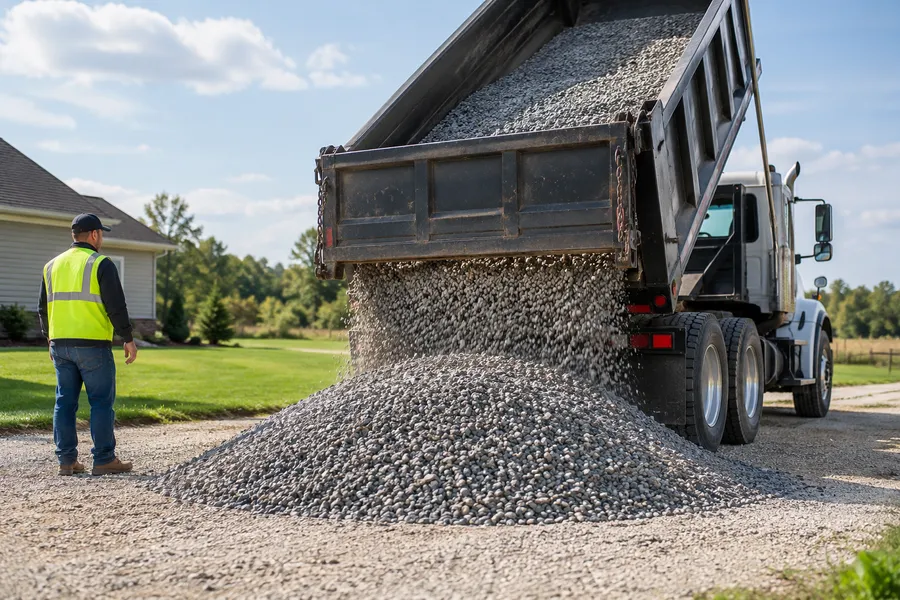
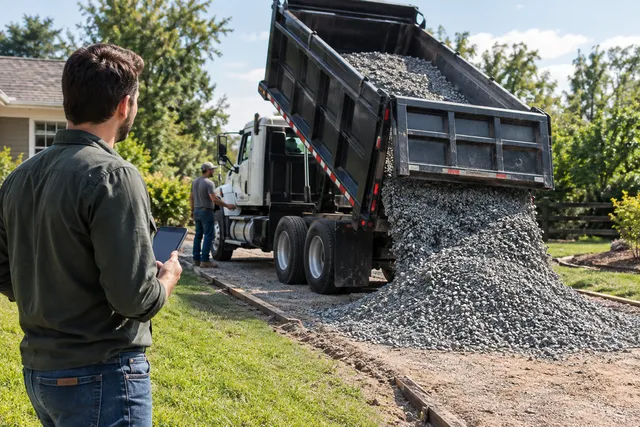
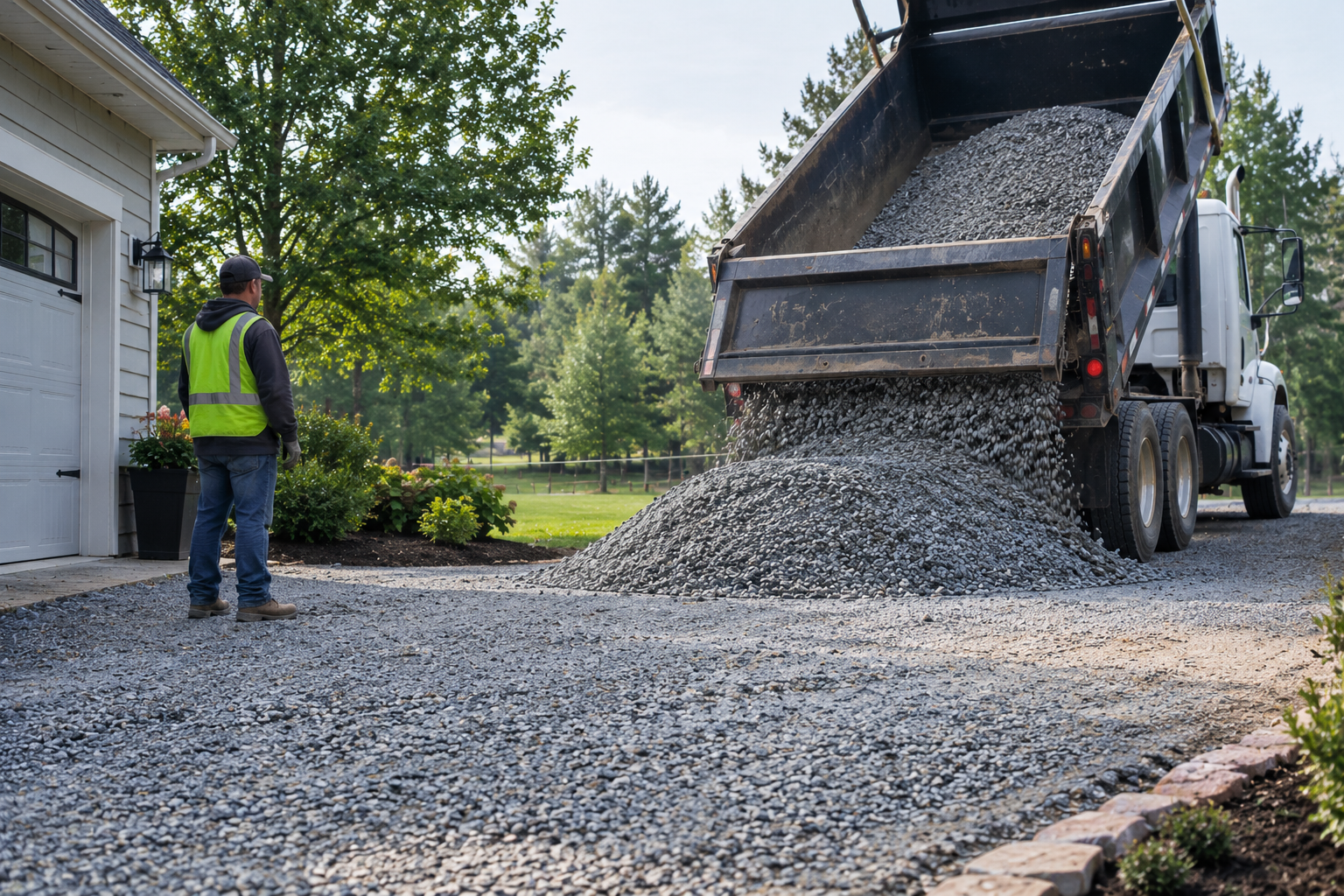
Ready to build a solid foundation for your playground? Hello Gravel offers high-quality crushed stone specifically graded for playground applications. Our delivery service brings the right materials directly to your project site, taking the guesswork out of material selection and quantities. Whether you’re building a base for a basketball court, creating a dog run area, or installing a gazebo or pergola foundation, the same quality crushed stone and installation techniques ensure long-lasting results. For alternative surface options, you might also consider using pea gravel as a base for playground equipment or explore limestone as a base for playground equipment projects.
FAQ
What is the best base for a swingset?
How thick should crushed stone be under a playset?
What type of crushed stone is best for playground foundations?
Can I install a crushed stone playground base myself?
Author: igor