Best Gravel Types for Erosion Control on Driveways and Slopes
Published on: January 19, 2026
Get an estimate for your project in 60 seconds
Erosion threatens your property’s stability and can cost thousands in repairs if left unchecked. The right gravel choice makes all the difference in protecting your driveway, slopes, and landscape from water damage.
Crushed stone gravel is typically the best choice for high-flow areas like steep driveways and slopes because its angular edges interlock to create a stable surface. For gentler slopes and decorative areas, pea gravel and river rock offer effective erosion control with aesthetic appeal. Your choice depends on water flow intensity, slope gradient, and specific site conditions.
Quick Tip: Angular gravel materials like crushed stone provide better erosion resistance than smooth, rounded stones because they lock together more effectively.
What causes soil erosion on your property
Water flow is the primary culprit behind erosion problems. When rainwater hits bare soil or poorly protected surfaces, it picks up soil particles and carries them away. This process accelerates on slopes where gravity increases water velocity.
Several factors determine how quickly erosion occurs. Rainfall intensity affects how much water hits your property at once. Steep slopes create faster water movement, while soil type influences how easily particles wash away. Clay soils compact easily and shed water, while sandy soils drain quickly but lack binding strength.
Vegetation normally helps prevent erosion by slowing water flow and binding soil with roots. When you remove plants for construction or landscaping, you expose vulnerable soil that needs protection through materials like gravel.

Top gravel types for effective erosion control
Different gravel types serve specific erosion control needs based on their size, shape, and durability characteristics.
Crushed stone gravel
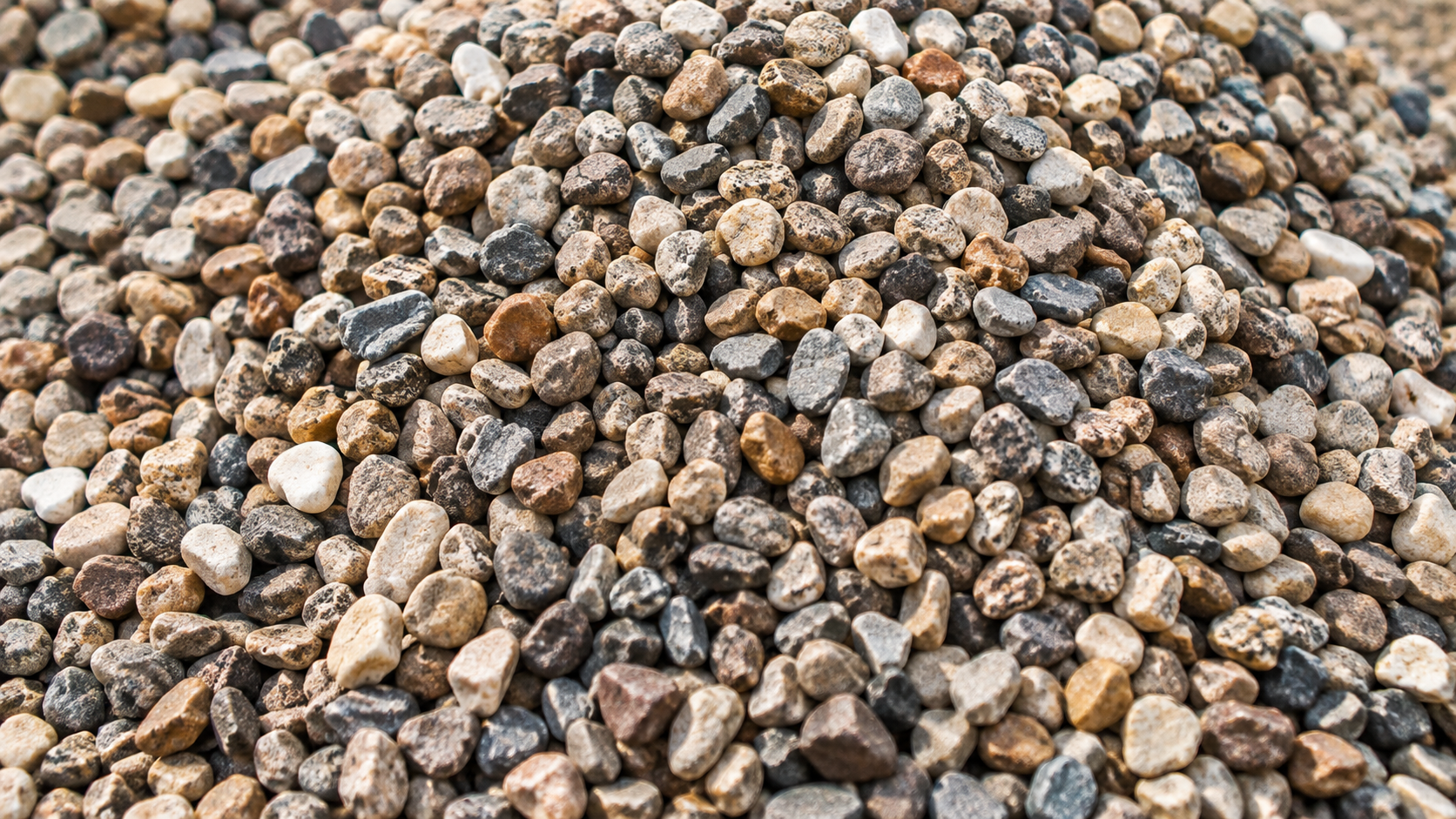
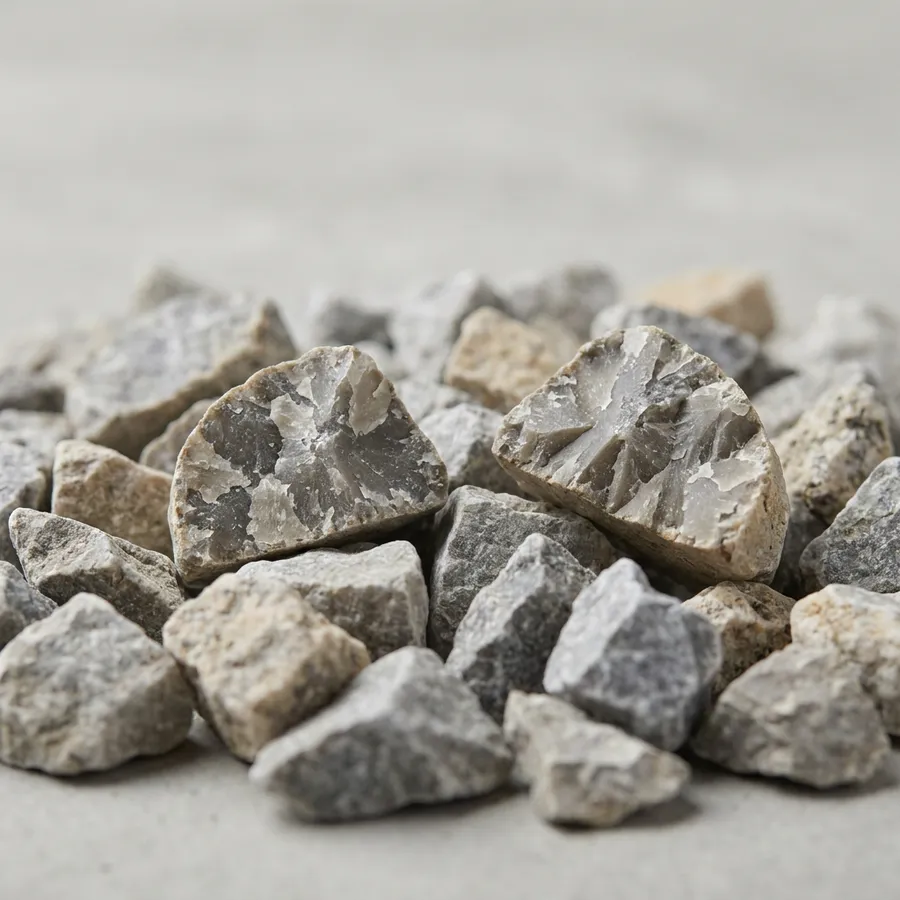
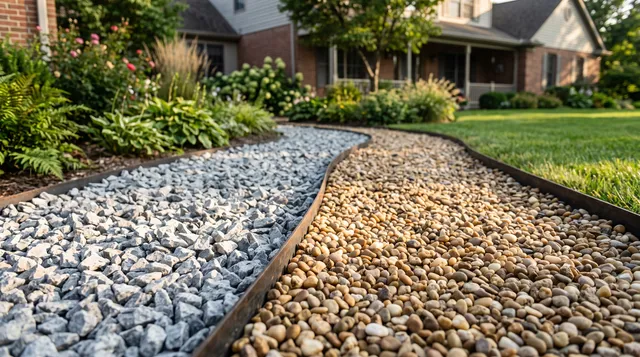
Crushed stone consists of mechanically broken rock pieces with sharp, angular edges. These jagged surfaces create friction that helps stones lock together, forming a stable barrier against water flow. The interlocking nature makes crushed stone excellent for high-traffic areas like driveways and steep slopes where water moves quickly.
You can find crushed stone in various sizes, typically ranging from fine screenings to larger chunks. The angular shape also allows water to filter through while maintaining surface stability, making it ideal for drainage applications.
Pea gravel
Pea gravel features small, smooth, rounded stones about the size of peas. While its smooth surface makes it less stable than crushed stone, pea gravel excels in areas where you want water infiltration combined with erosion protection. The rounded stones allow excellent drainage while providing enough weight to resist moderate water flow.This gravel type works well for garden paths, decorative landscapes, and areas with gentle slopes where aesthetic appeal matters as much as function.
River rock
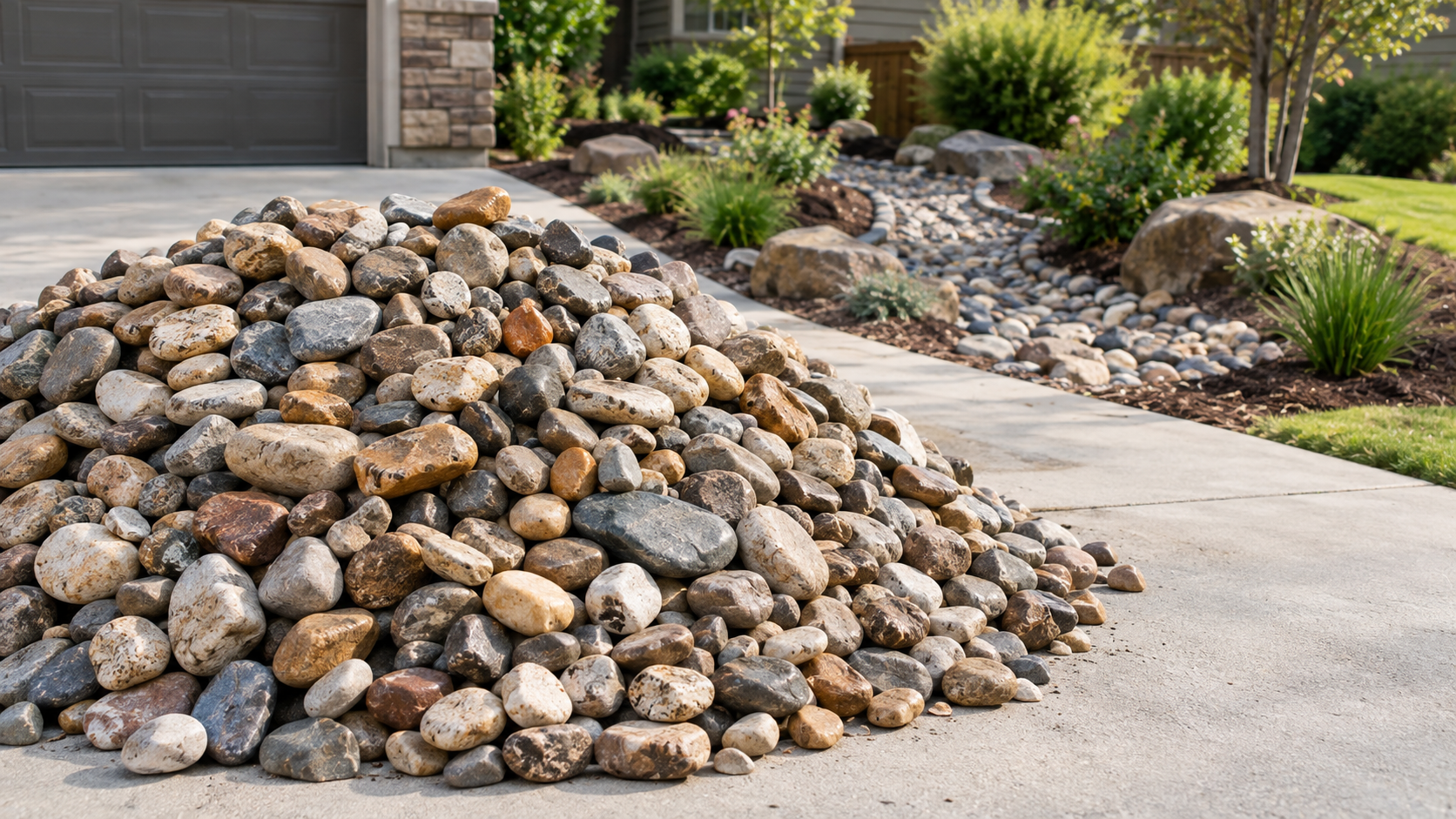
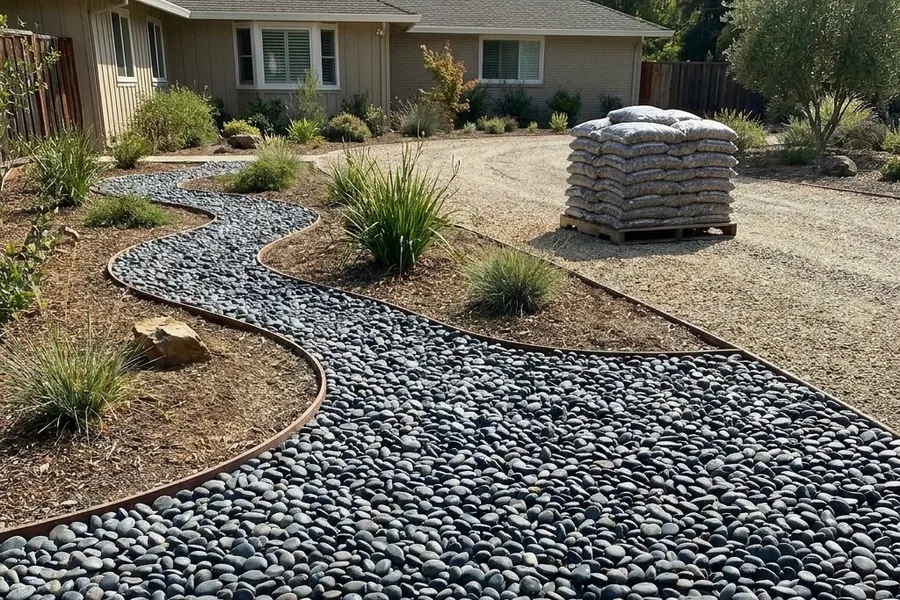
River rock consists of naturally rounded stones shaped by water movement over time. Available in various sizes from small pebbles to large cobbles, river rock provides excellent erosion control in areas with heavy water flow. The natural rounding creates a pleasing appearance while the weight and size help dissipate water energy.
Larger river rocks work particularly well along shorelines, drainage channels, and areas where you need to slow fast-moving water.
| Gravel Type | Best For | Pros | Cons |
|---|---|---|---|
| Crushed Stone | Driveways, steep slopes | Excellent stability, interlocks well | Less attractive, can be dusty |
| Pea Gravel | Gardens, gentle slopes | Good drainage, attractive | Can shift under heavy flow |
| River Rock | Water features, channels | Natural look, handles heavy flow | More expensive, harder to walk on |
How to choose the right gravel size
Gravel size directly impacts erosion control effectiveness. Larger stones resist water movement better but may not suit all applications, while smaller stones provide better coverage but less individual stability.
For high-velocity water areas like steep driveways or drainage ditches, choose coarser gravel with stones ranging from half-inch to two inches. The larger size provides weight and stability needed to resist fast-moving water.
Moderate flow areas benefit from medium-sized gravel, typically quarter-inch to half-inch stones. This size balances stability with ease of installation and walking comfort.
Consider Your Slope: Slopes steeper than 15 degrees typically require larger gravel sizes or additional stabilization measures like geotextile fabric underneath.
Low-flow areas and decorative applications can use finer gravel, from eighth-inch to quarter-inch stones. These smaller sizes provide good coverage and attractive appearance while still offering erosion protection.
Step-by-step gravel installation for lasting protection
Proper installation ensures your gravel erosion control system performs effectively for years.
Start by preparing the installation area. Remove existing vegetation, debris, and loose soil. Grade the surface to promote proper drainage, ensuring water flows away from structures and toward designated drainage areas.
Install geotextile fabric over the prepared soil surface. This permeable barrier prevents gravel from mixing with underlying soil while allowing water to pass through. Overlap fabric edges by at least six inches and secure with landscape pins.
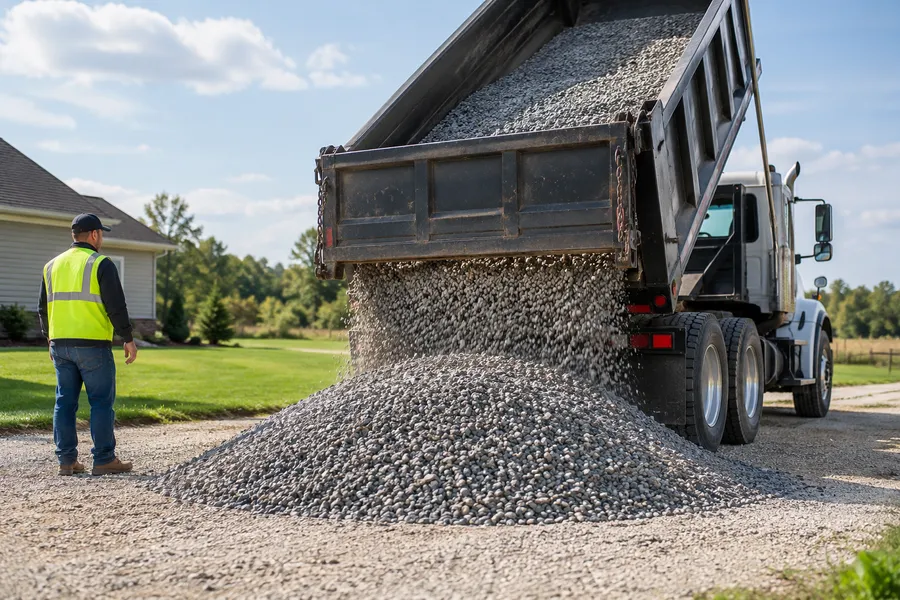
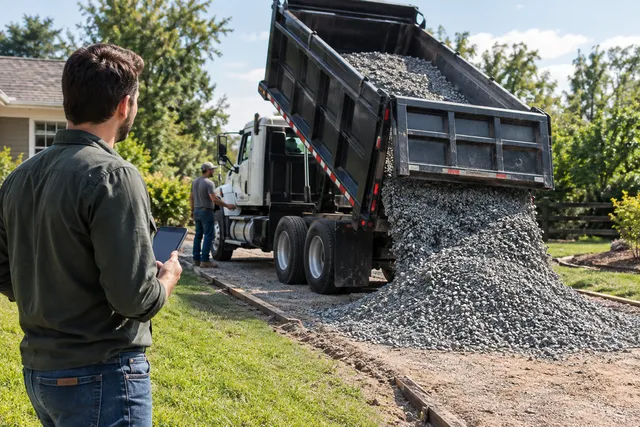
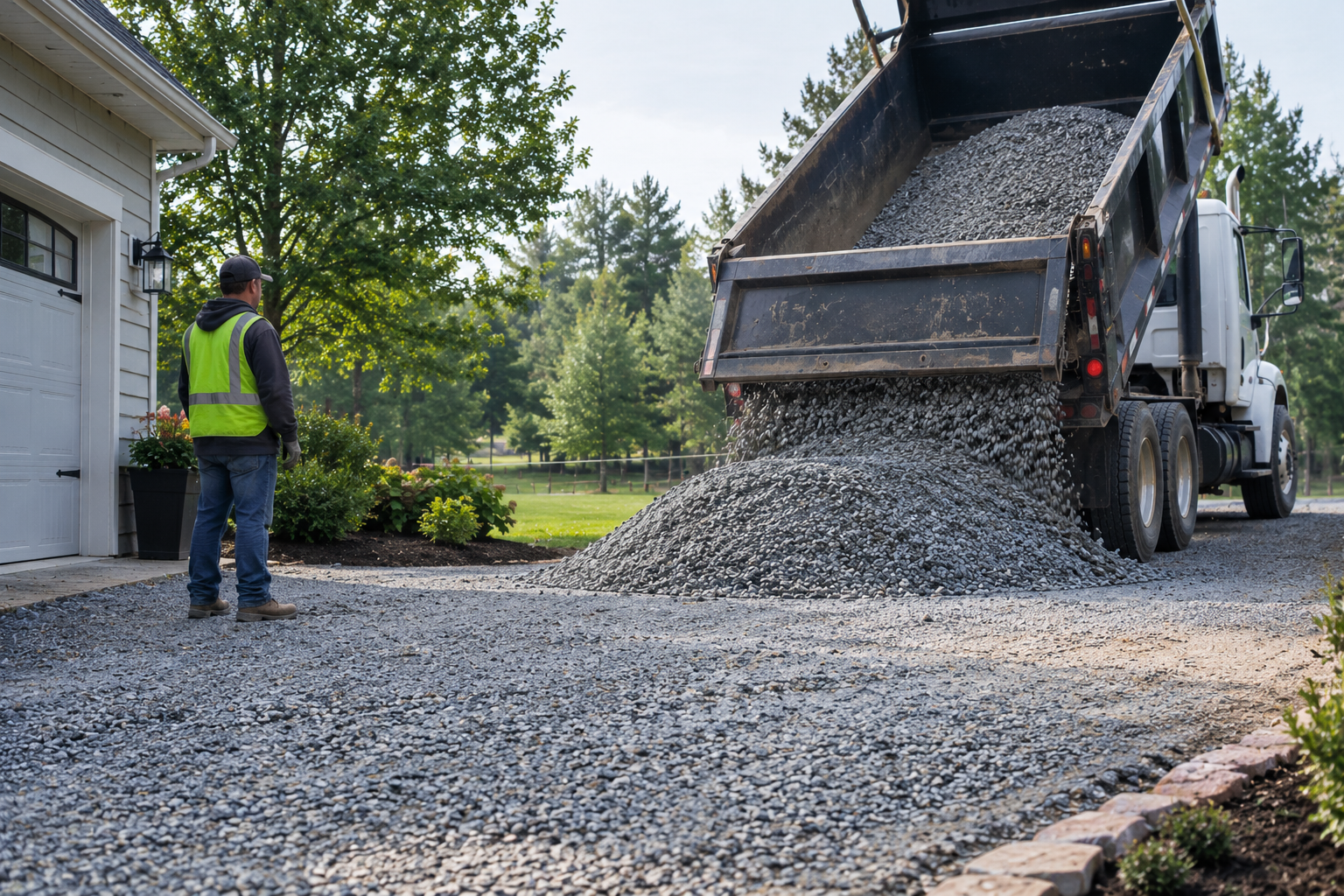
Apply gravel in layers, starting with a two to four-inch base layer. Spread evenly using rakes or mechanical equipment, ensuring consistent depth across the entire area. For larger installations, compact each layer lightly to improve stability without over-compacting.
Add additional layers as needed based on your specific erosion control requirements. High-traffic or high-flow areas may need deeper gravel applications, while decorative areas typically require thinner layers.

Maintenance tips for long-term erosion control
Regular maintenance keeps your gravel erosion control system functioning properly. Inspect the installation after heavy rains or storms to identify areas where gravel may have shifted or washed away.
Remove accumulated debris like leaves, branches, and sediment that can block water flow and reduce effectiveness. Use a rake or leaf blower to clear surface debris, and consider periodic power washing for heavily soiled areas.
Replenish gravel as needed, particularly in high-flow areas where natural settling and displacement occur. Add new material to maintain proper depth and coverage, ensuring consistent protection across the entire installation.
Seasonal Check: Perform thorough inspections twice yearly, ideally in spring and fall, to address any maintenance needs before severe weather seasons.
Monitor drainage patterns to ensure water continues flowing as designed. Adjust gravel placement or add additional material if you notice pooling or unexpected flow patterns that could indicate system problems.
Your gravel erosion control investment pays dividends through reduced maintenance costs and property protection. By choosing the appropriate gravel type for your specific conditions and maintaining the system properly, you create lasting defense against erosion damage while enhancing your property’s appearance and value.
FAQ
What is the best type of gravel for erosion control on slopes?
Is pea gravel good for erosion control?
What gravel size prevents erosion best?
How do you install gravel for erosion control?
Author: