
Best Aggregate Base for Erosion Control in 2026
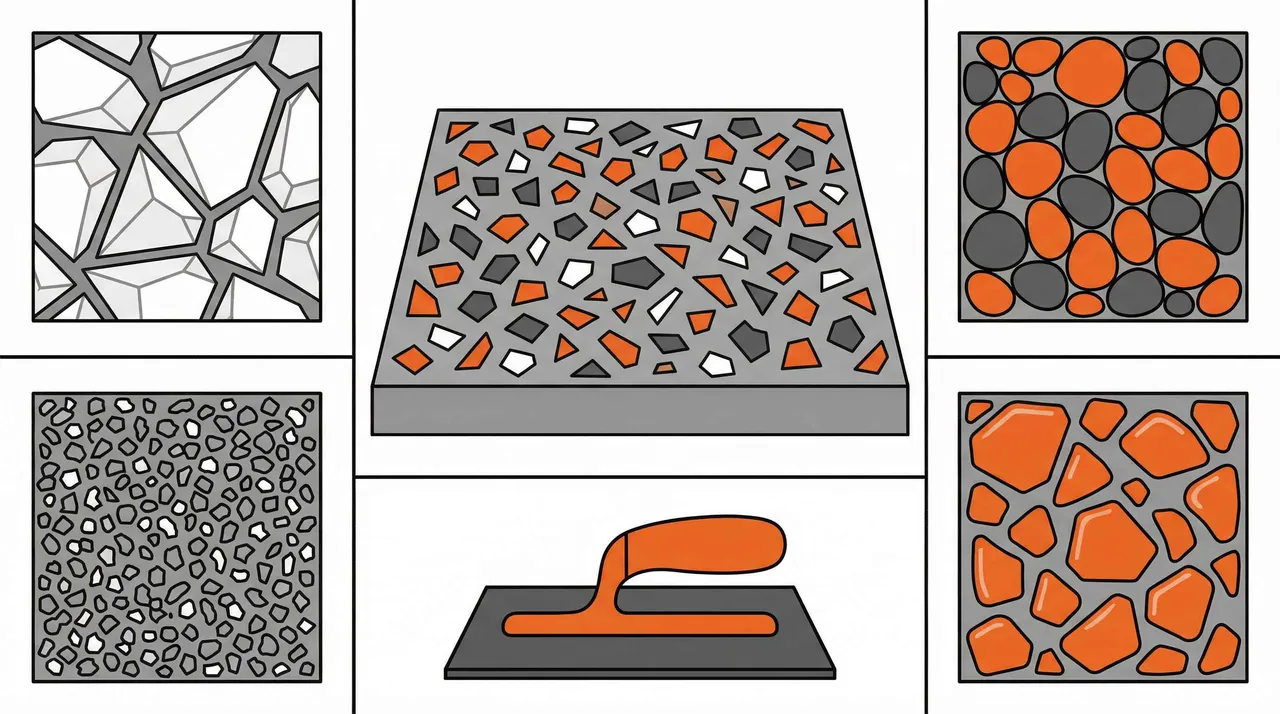
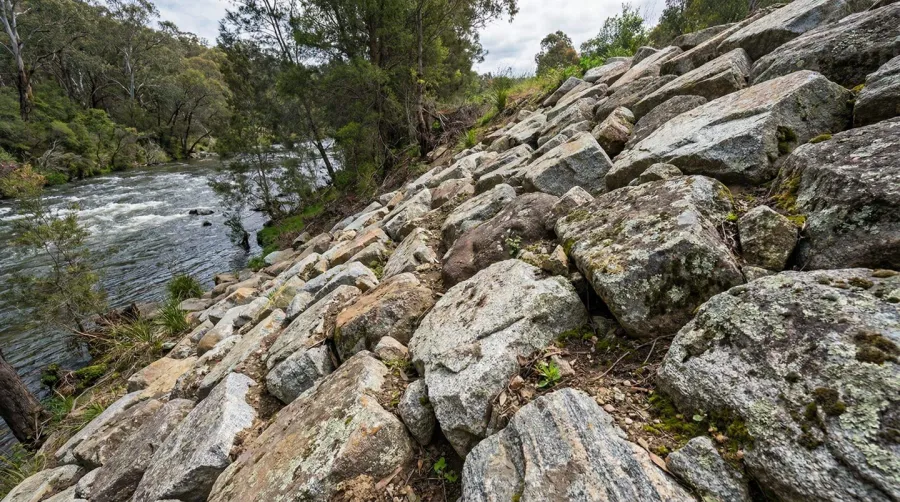
Choosing the right aggregate base can make or break your erosion control project. Riprap stands out as the most effective aggregate base for erosion control, consisting of large, irregularly shaped stones that reduce water flow velocity by up to 60% compared to bare soil surfaces. According to hellogravel.com/guides, studies by the U.S. Army Corps of Engineers confirm that properly installed riprap can reduce soil erosion rates by over 90% when compared to unprotected slopes.
Understanding which aggregate base works best for your specific situation depends on factors like soil type, water flow patterns, and project budget. This guide walks you through the top options and helps you make an informed decision that protects your property while staying within budget.
Key Insight: Riprap’s irregular shape creates an interlocking surface that naturally dissipates water energy, making it significantly more effective than smooth stones or uniform gravel for high-flow erosion control.
About Hello Gravel
Hello Gravel delivers bulk gravel, rock, dirt, and sand by the ton. Enter your ZIP code to see prices with delivery included. A local dump-truck driver places the load where access is safe; spreading is not included.
Why riprap dominates erosion control
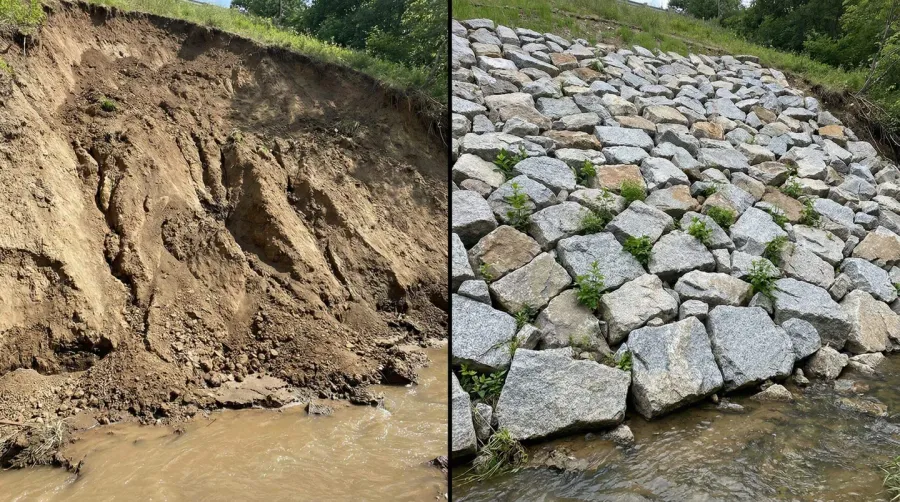
Riprap earns its reputation as the gold standard for erosion control through proven performance and durability. The large, angular stones create a stable armor layer that withstands decades of water flow without requiring frequent maintenance or replacement.
Research by the Federal Highway Administration shows riprap’s effectiveness stems from its ability to reduce flow velocity dramatically. When water hits these irregular stones, it loses energy and slows down, preventing the scouring action that causes erosion. The interlocking nature of properly sized riprap also prevents individual stones from being displaced during high-flow events.
The environmental benefits add another layer of value. Riprap installations provide habitat for aquatic organisms while allowing natural rainwater infiltration. Vegetation can grow between the stones over time, creating a living erosion control system that becomes more stable with age. For specialized applications, you might also consider gabion stone installations which offer similar erosion control benefits.
Understanding different aggregate base options
While riprap leads the pack, other aggregate bases serve specific erosion control needs depending on your project requirements and conditions.
Crushed stone offers excellent compaction and stability for moderate erosion control applications. Its angular edges help pieces lock together, creating a stable surface that resists displacement. However, smaller particle sizes make it less effective than riprap for high-velocity water flow situations. When selecting the best crushed stone size for your foundation, consider both drainage and stability requirements.
Gravel provides a cost-effective solution for low to moderate erosion control needs. Natural gravel works well for drainage applications and areas with gentle slopes. The rounded edges don’t interlock as effectively as crushed materials, but gravel’s permeability helps manage water flow in many situations. Learn more about what type of gravel is best for erosion control to match your specific site conditions.
Sand serves primarily as a base material rather than a primary erosion control solution. While it provides excellent drainage and leveling properties, sand particles are too small to resist significant water flow on their own.
Cost Consideration: While riprap costs more upfront than other options, its minimal maintenance requirements and decades-long lifespan often make it the most economical choice over time.
| Aggregate Type | Erosion Effectiveness | Initial Cost | Maintenance | Best Use |
|---|---|---|---|---|
| Riprap | Excellent | High | Very Low | High-flow areas |
| Crushed Stone | Good | Medium | Low | Moderate slopes |
| Gravel | Fair | Low | Medium | Gentle slopes |
| Sand | Poor | Very Low | High | Base material |
Key factors for selecting your aggregate base
Your soil conditions play a crucial role in aggregate selection. Clay soils with poor drainage benefit from more permeable materials like gravel or crushed stone that allow water to infiltrate rather than run off. Sandy soils might need heavier materials like riprap to prevent the aggregate itself from washing away.
Climate and weather patterns in your area directly impact material choice. Regions with heavy rainfall or freeze-thaw cycles require more durable options that can withstand extreme conditions. Areas prone to flash flooding need the superior flow resistance that only larger stones like riprap can provide. Understanding how climate affects which type of aggregate is used in construction can help you make informed decisions.
The slope gradient and water flow velocity at your site determine the minimum stone size needed for effective protection. Steeper slopes and faster water flow require larger, heavier stones to resist displacement. Gentle slopes with slow water movement can often use smaller, less expensive materials effectively.
Project budget considerations should balance initial costs against long-term maintenance expenses. Cheaper options might seem attractive initially, but frequent repairs and replacements can make them more expensive over time than investing in quality materials upfront.
Installation best practices for lasting protection
Proper site preparation sets the foundation for successful erosion control. Clear vegetation and debris from the installation area, then grade the surface to promote proper drainage away from structures. Uneven surfaces can create weak spots where water concentrates and causes failure.
The aggregate placement process requires attention to stone size gradation and thickness. Install larger stones first to create a stable base, then fill gaps with smaller materials. Maintain consistent thickness across the protected area to ensure uniform protection against water flow. For projects requiring specific stone classifications, explore options like Class I riprap (50-150 lbs) or Class II riprap (150-500 lbs).
Compaction techniques vary depending on your chosen aggregate type. Riprap installations rely on careful hand placement rather than mechanical compaction, while crushed stone and gravel benefit from controlled compaction to achieve proper density and stability. Consider reading about the best compacting gravel for optimal results.
Regular maintenance keeps your erosion control system functioning effectively. Inspect installations after major storm events and replace any displaced materials promptly. Remove accumulated debris that might redirect water flow and cause new erosion patterns.
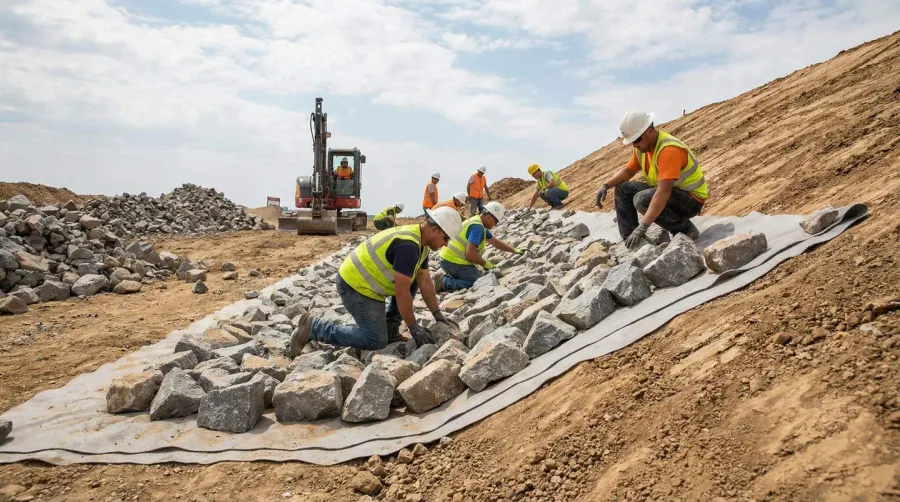
Pro Tip: Consider using geotextile fabric beneath your aggregate base to prevent fine soil particles from migrating up through the stones while maintaining proper drainage.
Selecting the right aggregate base for erosion control requires balancing effectiveness, cost, and site-specific conditions. Riprap remains the top choice for challenging applications, while other materials serve well in appropriate situations. Proper installation and maintenance ensure your investment provides years of reliable protection against soil erosion. For comprehensive guidance on aggregate selection, check out what type of aggregate base is best for drainage to complement your erosion control strategy.
FAQ
What is the best aggregate base for erosion control?
Riprap is the best aggregate base for erosion control, consisting of large, irregularly shaped stones that reduce water flow velocity by up to 60% compared to bare soil surfaces. According to U.S. Army Corps of Engineers studies, properly installed riprap can reduce soil erosion rates by over 90% when compared to unprotected slopes. Its angular shape creates an interlocking surface that naturally dissipates water energy, making it significantly more effective than smooth stones or uniform gravel for high-flow erosion control.
What factors should I consider when selecting aggregate for erosion control?
Key factors include soil type, slope gradient, water flow velocity, climate conditions, and project budget. Clay soils with poor drainage benefit from more permeable materials like gravel or crushed stone, while sandy soils might need heavier materials like riprap. Steeper slopes and faster water flow require larger, heavier stones to resist displacement. Areas prone to heavy rainfall or freeze-thaw cycles need more durable options that can withstand extreme conditions.
How does riprap compare to crushed stone and gravel for erosion control?
Riprap offers excellent erosion effectiveness for high-flow areas but has higher initial costs and very low maintenance. Crushed stone provides good erosion control for moderate slopes with medium initial cost and low maintenance. Gravel offers fair erosion control for gentle slopes with low initial cost but requires medium maintenance. While riprap costs more upfront, its minimal maintenance requirements and decades-long lifespan often make it the most economical choice over time.
What are the best practices for installing aggregate base for erosion control?
Proper installation begins with clearing vegetation and debris, then grading the surface to promote proper drainage. Install larger stones first to create a stable base, then fill gaps with smaller materials while maintaining consistent thickness. Riprap installations rely on careful hand placement rather than mechanical compaction, while crushed stone and gravel benefit from controlled compaction. Consider using geotextile fabric beneath your aggregate base to prevent fine soil particles from migrating up through the stones while maintaining proper drainage.
Materials for this project
Get it delivered — dumped where you need it
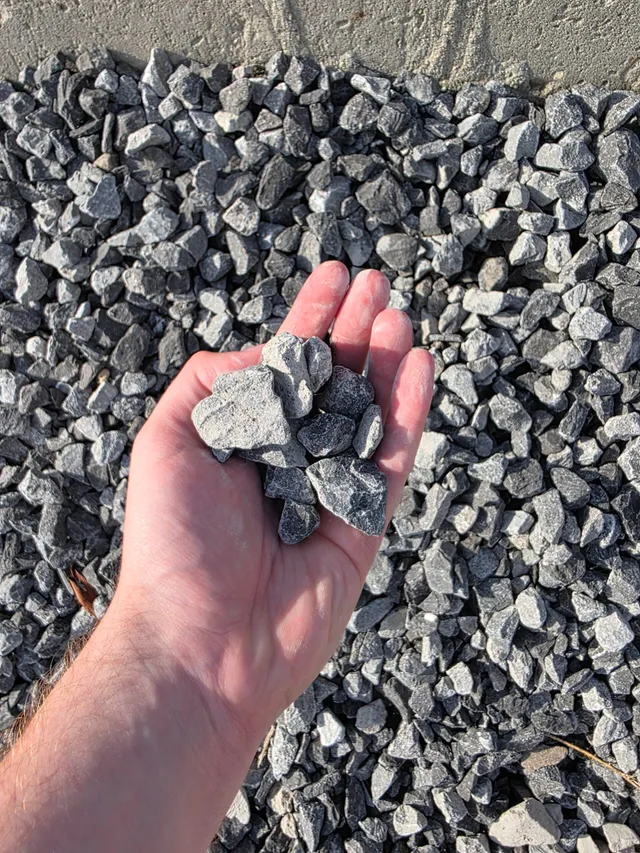
Driveway Gravel
Driveways & Parking areas
See delivered price
View product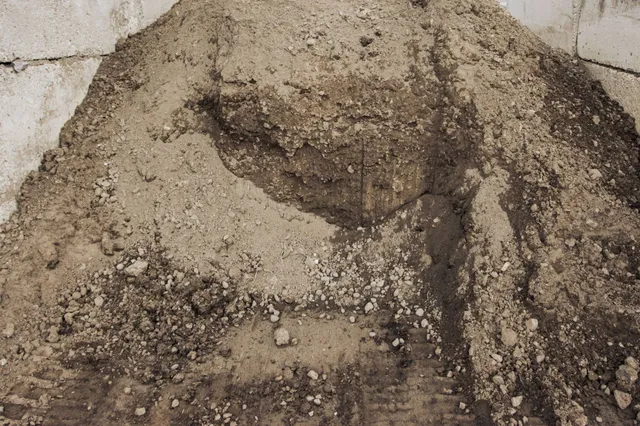
Fill Dirt
Grading & Backfill
See delivered price
View product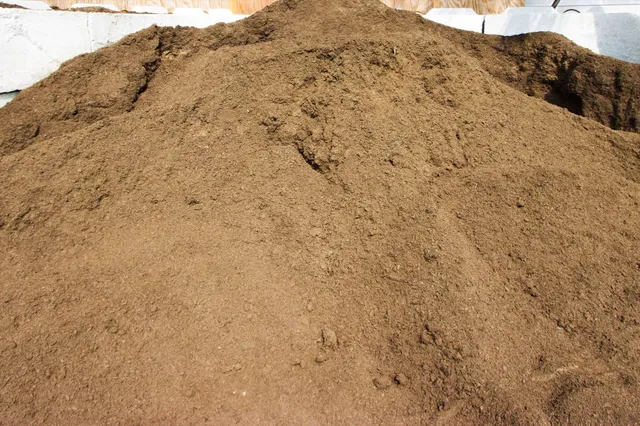
Topsoil
Lawn establishment & Garden beds
See delivered price
View product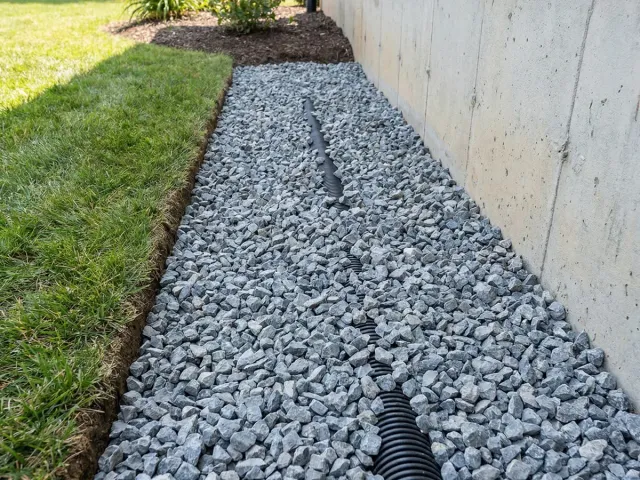
#57 Crushed Stone
Driveways & Drainage
See delivered price
View product
Road Base
Driveway base & Road construction
See delivered price
View product