Class I Rip Rap Stone Guide – 12 to 18 Inch Boulder Sizes and Uses
Published on: January 4, 2026
Get an estimate for your project in 60 seconds
When you need substantial stone protection for your construction or landscaping project, Class I rip rap delivers the perfect balance of size and functionality. These medium-large boulders, measuring 12 to 18 inches in diameter and weighing 50 to 150 pounds, provide exceptional stability for erosion control and aesthetic appeal for landscape design.
Class I rip rap stones are specifically graded trap rock materials that excel in applications requiring durable, weather-resistant protection. Whether you’re stabilizing a riverbank, creating a retaining wall, or designing a natural landscape feature, understanding the specifications and applications of Class I stones helps you make informed material choices for lasting results.
Quick Answer: Class I rip rap consists of 12-18 inch diameter stones weighing 50-150 pounds, primarily used for erosion control, slope stabilization, and medium-scale landscaping projects where substantial stone mass is required.
What makes Class I rip rap unique
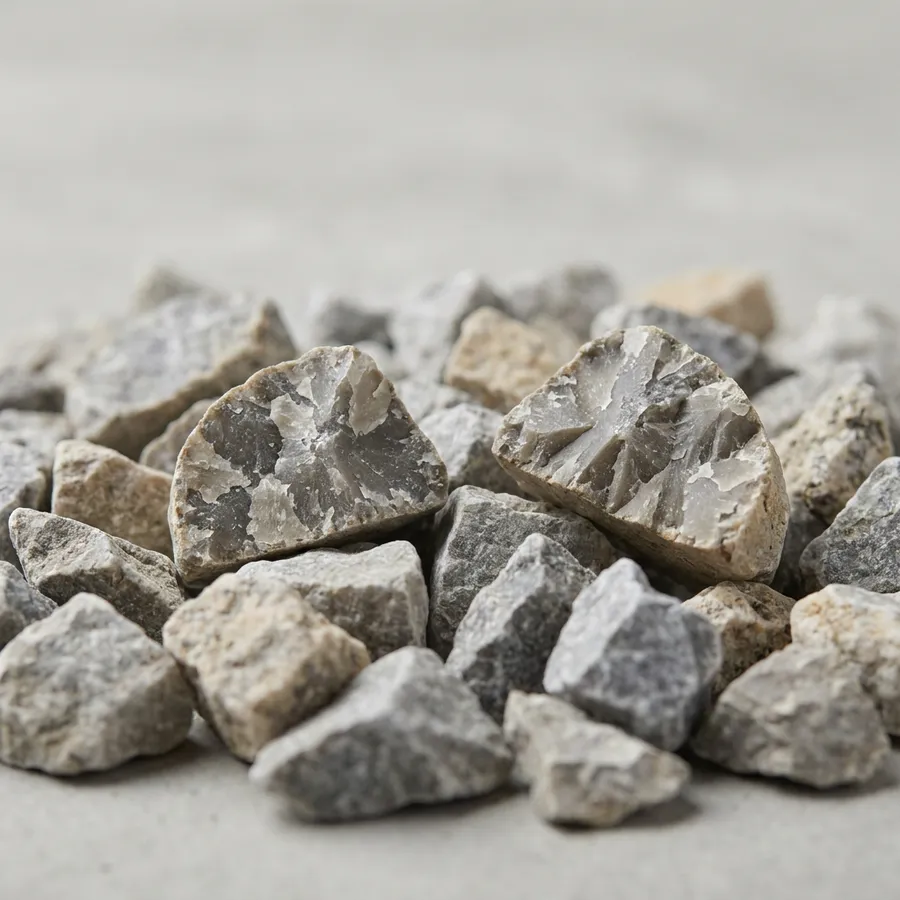
Class I rip rap represents a specific size classification within the broader rip rap category, distinguished by its moderate-to-large dimensions that bridge the gap between smaller aggregates and massive boulders. According to hellogravel.com, these stones typically measure less than or equal to 18 inches and are commonly made from trap rock, an exceptionally durable igneous material.
The angular shape of Class I stones creates natural interlocking properties that enhance stability once placed. Unlike rounded river rock, the irregular edges help prevent stone movement under hydraulic pressure or wind forces. This characteristic makes Class I particularly effective for applications where stone displacement could compromise project integrity.
Material composition varies, but granite and limestone dominate Class I production due to their weather resistance and structural integrity. Granite offers superior hardness and longevity, while limestone provides a more neutral color palette that blends naturally with most landscape designs. For projects requiring even larger stones, you might consider Class II rip rap materials which range from 150 to 500 pounds.

Primary applications for Class I stones
Erosion control represents the most common application for Class I rip rap, particularly along shorelines, riverbanks, and steep slopes where soil stabilization is critical. The 50-150 pound weight range provides sufficient mass to resist water flow while remaining manageable for placement without heavy machinery. Understanding what type of aggregate base is best for erosion control can help you determine if Class I rip rap is the right choice for your specific erosion prevention needs.
Bridge abutments and culvert protection frequently utilize Class I stones because their size offers adequate protection without overwhelming smaller infrastructure elements. The stones create effective energy dissipation zones that reduce water velocity and prevent scouring around critical structures.
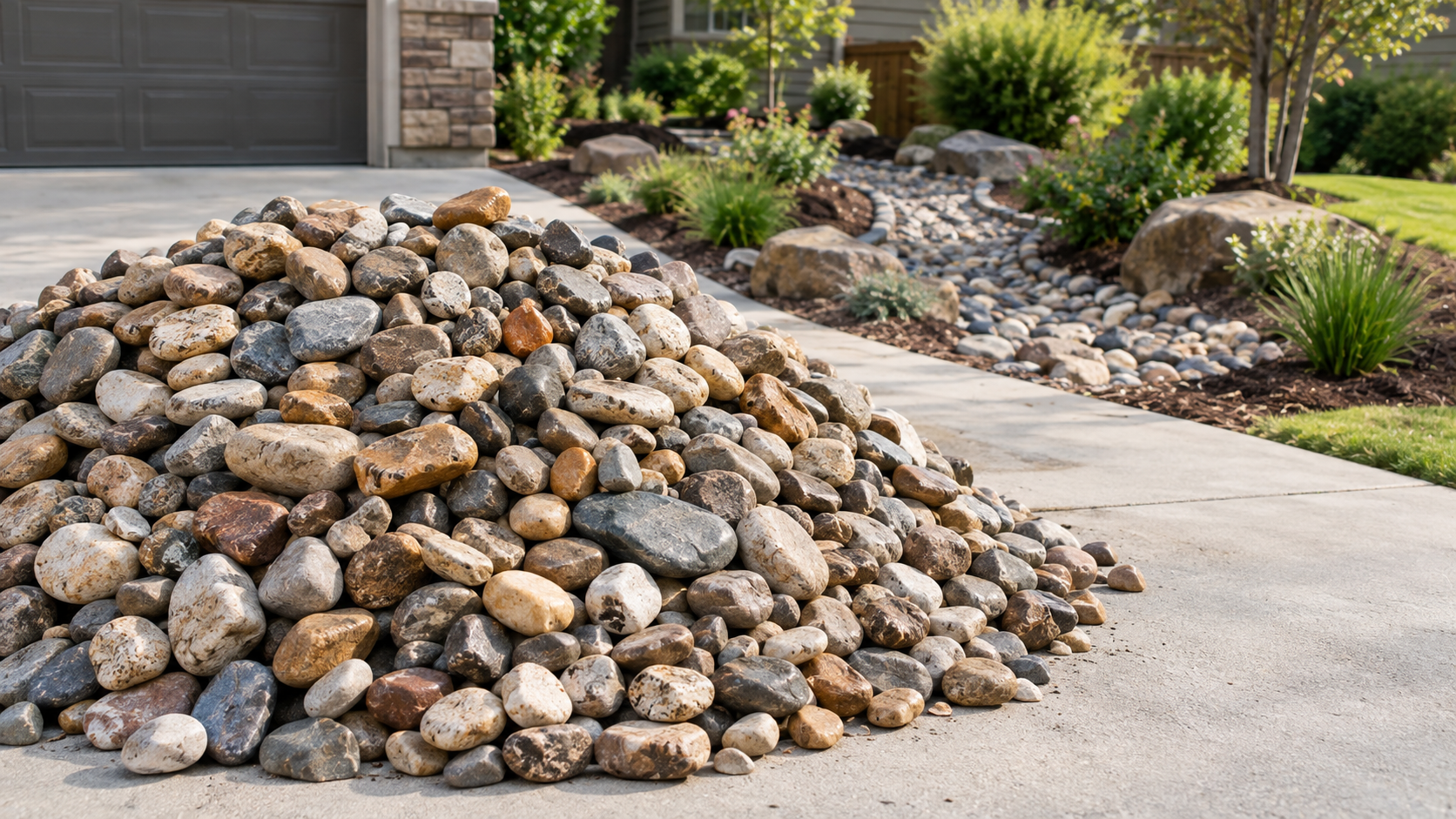
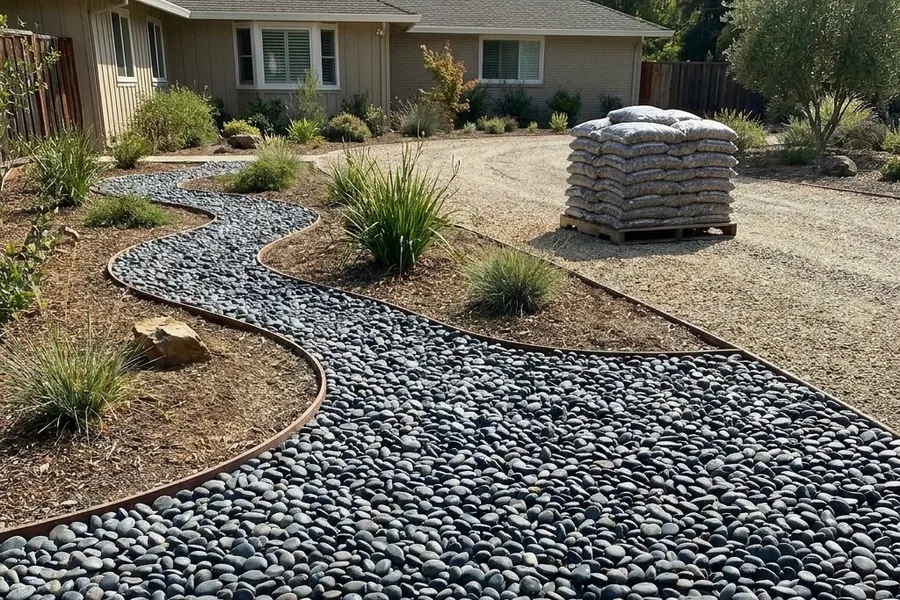
Landscaping applications have grown significantly as property owners recognize the aesthetic value of Class I rip rap. These stones work exceptionally well for creating natural-looking retaining walls, garden borders, and water feature accents. Their substantial presence adds visual weight to landscape designs without requiring the massive scale of larger boulder classes. If you’re considering using river rock for retaining wall base projects, Class I rip rap offers superior stability due to its angular shape.
Pro Tip: For drainage channels, Class I rip rap provides optimal flow characteristics while maintaining channel integrity, making it ideal for stormwater management systems in residential and commercial developments.
Cost considerations and value analysis
Pricing for Class I rip rap typically ranges from $30 to $60 per ton, according to hellogravel.com, though several factors influence final costs. Material type significantly affects pricing, with premium granite commanding higher prices than standard limestone or recycled concrete alternatives.
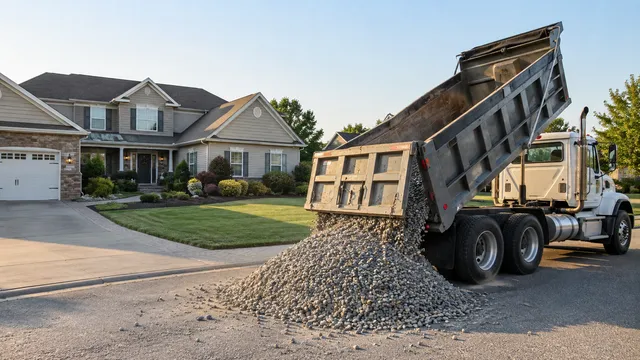
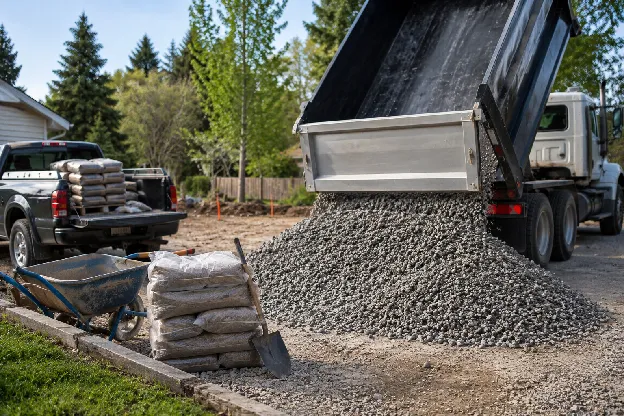
Geographic location plays a crucial role in cost determination, as transportation expenses can substantially impact delivered prices. Projects located near quarries generally enjoy lower costs, while remote locations may see prices increase by 20-40% due to hauling distances. For those looking to manage costs effectively, learning how to get a load of gravel delivered can help you optimize your ordering process.
Quantity requirements also influence unit pricing, with larger orders typically qualifying for volume discounts. Most suppliers offer reduced per-ton rates for orders exceeding 10-15 tons, making Class I rip rap more economical for substantial projects.
| Factor | Impact on Cost | Typical Range |
|---|---|---|
| Material Type | High | $30-60/ton |
| Distance from Source | Medium | +20-40% |
| Order Quantity | Medium | -10-25% for bulk |
| Installation Needs | High | +$15-30/ton |
Long-term value considerations favor Class I rip rap over alternative materials due to minimal maintenance requirements and exceptional longevity. While initial costs may exceed smaller aggregate options, the reduced need for replacement or repair often results in lower lifecycle costs for permanent installations.

Selection and installation best practices
Proper Class I rip rap selection begins with accurate project assessment, including soil conditions, hydraulic forces, and aesthetic requirements. For erosion control applications, consider the expected flow velocities and determine whether Class I provides adequate protection or if larger stones are necessary. You may also want to explore what type of gravel is best for erosion control to compare your options.
Installation success depends heavily on proper foundation preparation and stone placement techniques. A well-graded filter layer beneath the rip rap prevents soil migration while allowing water drainage. This foundation typically consists of smaller aggregate materials that create a stable base for the larger stones.
Stone placement should follow manufacturer recommendations for layer thickness, generally requiring a minimum depth of 1.5 times the maximum stone diameter. For Class I materials, this translates to approximately 24-30 inches of total thickness to ensure adequate protection and stability.
Installation Note: Proper stone orientation matters significantly for long-term performance, with the longest dimension placed perpendicular to the primary flow direction to maximize resistance to displacement forces.
Quality control during installation involves verifying stone gradation and ensuring proper interlocking between adjacent stones. Gaps between stones should be filled with smaller material to prevent soil erosion through the protective layer while maintaining drainage capacity. For smaller-scale applications, gabion stone materials ranging from 8 to 12 inches may be more appropriate.
Class I rip rap offers an excellent balance of functionality and cost-effectiveness for medium-scale protection and landscaping projects. Its proven performance in erosion control applications, combined with growing recognition of its aesthetic potential, makes it a versatile choice for both functional and decorative applications. When properly selected and installed, Class I stones provide decades of reliable service with minimal maintenance requirements, delivering exceptional long-term value for your investment.
FAQ
What is the size of Class I rip rap?
What is the difference between Class I rip rap and regular boulders?
How much does Class I rip rap cost per ton?
What are the main uses for Class I rip rap stones?
Author: