
Gabion Stone Sizes, Uses, and Installation Guide
Free local estimate
See delivered prices for your ZIP in 60 seconds
Tell us where the project is and we'll price this material — delivered — for your exact ZIP.
- Real delivered pricing for your ZIP — not a generic range.
- Works for any quantity — driveways, pads, drains, or full projects.
- Prefer to talk? We follow up with local availability and delivery windows.
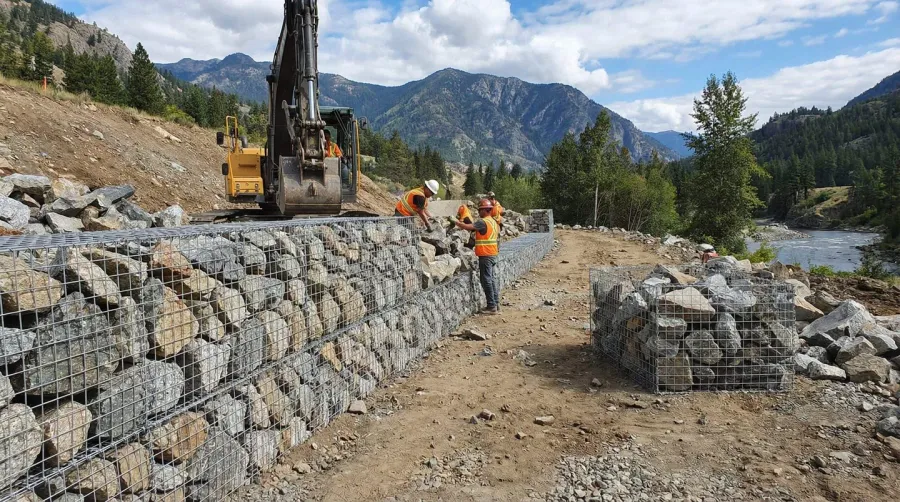
Gabion stone refers to large rocks, typically 8 to 12 inches in diameter, used in wire mesh baskets for construction and landscaping projects. These angular stones, commonly made from granite, limestone, or basalt, provide excellent stability for retaining walls, erosion control, and decorative features.
If you’re planning a project involving gabion walls or erosion control, understanding the right stone size and type can save you both time and money. The 8-12 inch range offers the perfect balance between structural integrity and ease of installation.
Quick Fact: Gabion stones get their name from the Italian word “gabbione,” meaning “big cage,” referring to the wire baskets that hold them together.
About Hello Gravel
Hello Gravel delivers bulk gravel, rock, dirt, and sand by the ton. Enter your ZIP code to see prices with delivery included. A local dump-truck driver places the load where access is safe; spreading is not included.
What makes gabion stone different
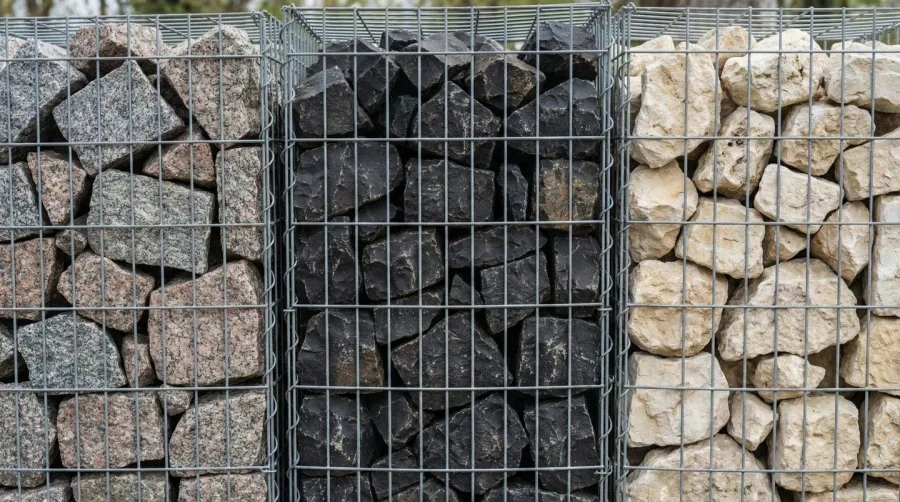
Gabion stone stands apart from regular gravel or crushed stone due to its specific size and angular shape. These rocks are deliberately chosen for their ability to interlock when placed in wire baskets, creating stable structures that can withstand significant pressure and weather conditions.
The production process involves quarrying large blocks of durable rock types like granite or basalt, then breaking them down into the precise 8-12 inch range. This size ensures the stones are large enough to resist washing away during heavy rains while remaining manageable for installation teams.
Unlike rounded river rocks, gabion stones maintain their angular edges, which helps them lock together more effectively. This interlocking property is what makes gabion walls so stable and long-lasting, even in challenging environments.
Construction applications that rely on gabion stone
Retaining walls represent the most common use for gabion stone in construction projects. These structures hold back soil on slopes, preventing erosion and creating usable flat areas. The flexibility of gabion walls allows them to settle with ground movement without cracking, unlike rigid concrete walls. For those considering alternatives for retaining wall bases, understanding the unique properties of gabion stone is essential.Erosion control projects frequently use gabion stone along riverbanks, coastlines, and steep slopes. The stones allow water to flow through while maintaining structural integrity, making them ideal for areas with fluctuating water levels or strong currents. If you’re working on erosion control structures, gabion stone offers superior performance compared to many alternatives.
Road construction projects often incorporate gabion stone as a base material in areas with poor soil conditions. The stones provide excellent drainage while distributing weight evenly, preventing road surface failures that plague other foundation materials. Understanding the best aggregate base for construction can help you determine when gabion stone is the optimal choice.
Pro Tip: Gabion walls can flex up to 30% without structural damage, making them perfect for areas with unstable soil conditions.
Landscaping uses for gabion stone
Garden borders and pathways benefit from the natural appearance of gabion stone. Unlike manufactured materials, these stones blend seamlessly with outdoor environments while providing clear definition between different landscape areas.
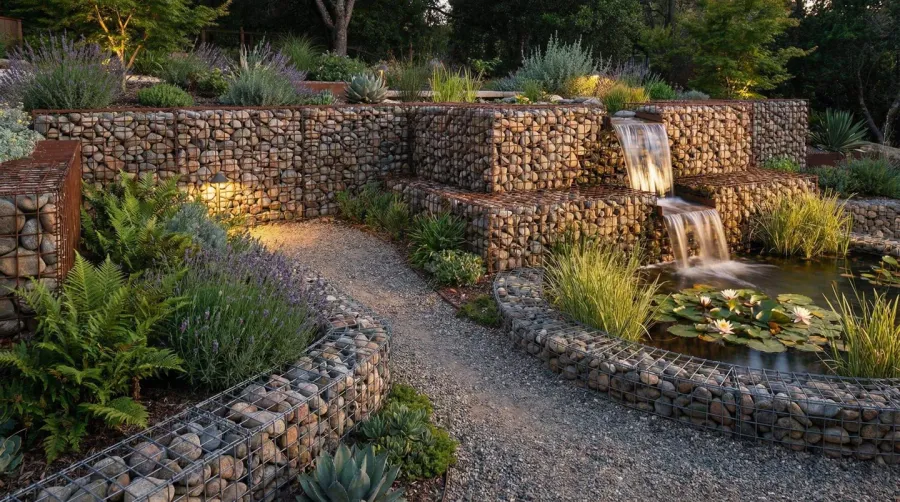
Water features gain a natural aesthetic when incorporating gabion stone. The stones can create realistic-looking waterfalls, stream beds, or pond edges that appear as if they’ve been shaped by natural forces over time.
Rock gardens showcase gabion stone’s versatility in creating focal points within larger landscape designs. The varied textures and colors of different stone types allow for creative arrangements that change appearance throughout the day as lighting shifts.
Noise barriers represent an increasingly popular landscaping application. Gabion walls filled with attractive stones can reduce traffic noise while adding visual interest to property boundaries.
Cost factors and pricing considerations
Gabion stone typically costs between $30 and $60 per ton, with several factors influencing the final price. Stone type plays a major role, with granite generally commanding higher prices than limestone due to its superior durability and appearance.
Location significantly impacts costs, as transportation represents a substantial portion of the total expense. Local quarries often provide better pricing than distant suppliers, making it worthwhile to research nearby sources before making purchasing decisions. For those looking to get a load of rocks delivered, understanding delivery logistics can help reduce overall project costs.
| Stone Type | Price Range (per ton) | Durability Rating | Best Uses |
|---|---|---|---|
| Granite | $45-60 | Excellent | Retaining walls, high-traffic areas |
| Limestone | $35-50 | Good | Landscaping, decorative features |
| Basalt | $40-55 | Excellent | Erosion control, marine applications |
Project size affects per-ton pricing, with larger orders typically receiving volume discounts. However, smaller projects might find it more economical to purchase through local suppliers rather than dealing directly with quarries that prefer large-volume sales.
Cost Insight: While gabion stone costs more upfront than gravel, its longevity often makes it more economical over 10-15 years due to minimal maintenance requirements.
When comparing gabion stone to alternatives like concrete blocks or timber retaining walls, consider long-term maintenance costs. Gabion structures require virtually no maintenance once properly installed, while other materials may need regular repairs or replacements. Understanding different types of gravel for construction can help you make informed decisions about material selection.
The investment in quality gabion stone often pays dividends through reduced maintenance needs and improved property values. Many homeowners find that well-designed gabion features become selling points that distinguish their properties in competitive markets.
Ready to start your gabion project? Understanding these fundamentals helps ensure you choose the right stone type and size for your specific needs. Whether you’re building a retaining wall or creating a stunning landscape feature, proper stone selection forms the foundation of any successful gabion installation.
FAQ
What is gabion stone and how is it different from regular gravel?
Gabion stone is large, angular rock (typically 8-12 inches in diameter) made from durable materials like granite, basalt, or limestone. Unlike regular gravel or rounded river rocks, gabion stones maintain their angular edges which helps them interlock when placed in wire mesh baskets, creating stable structures for retaining walls and erosion control.
What is the difference between rip rap and gabion stone?
Rip rap consists of loose, large angular stones (often 6-24+ inches) placed directly on slopes for erosion control, while gabion stone is specifically sized rock (8-12 inches) that fills wire mesh baskets to create structured, permeable walls. Gabions offer more flexibility, better aesthetics, and can settle with ground movement without structural damage.
How much does gabion stone cost per ton?
Gabion stone typically costs between $30 and $60 per ton, with granite commanding higher prices ($45-60) than limestone ($35-50) due to superior durability. Final costs depend on stone type, transportation distance, project size, and local quarry availability. Larger orders often receive volume discounts.
What stone type is best for gabion walls?
Hard, angular stones like granite, basalt, or limestone in the 8-12 inch size range work best for gabion walls. Granite offers excellent durability for high-traffic areas, limestone provides good aesthetics for landscaping, and basalt excels in marine applications. Avoid rounded stones as they don’t interlock effectively.
Materials for this project
Get it delivered — dumped where you need it
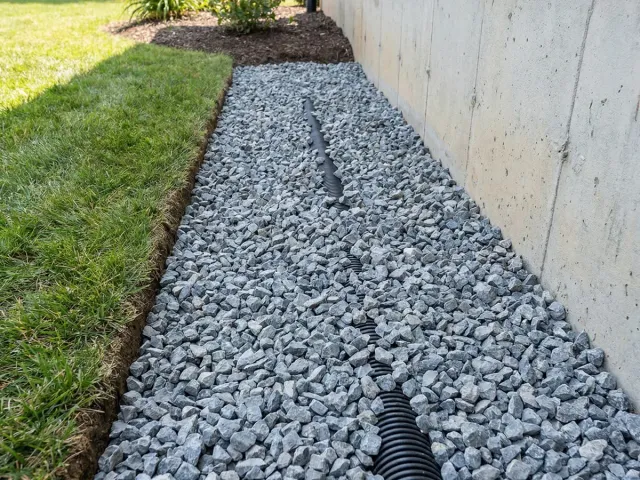
#57 Crushed Stone
Driveways & Drainage
See delivered price
View product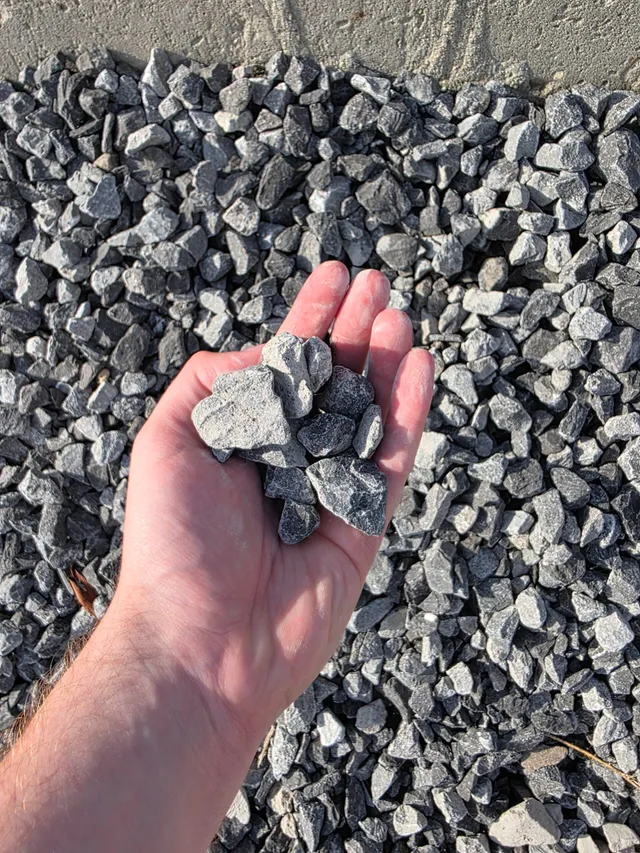
Driveway Gravel
Driveways & Parking areas
See delivered price
View product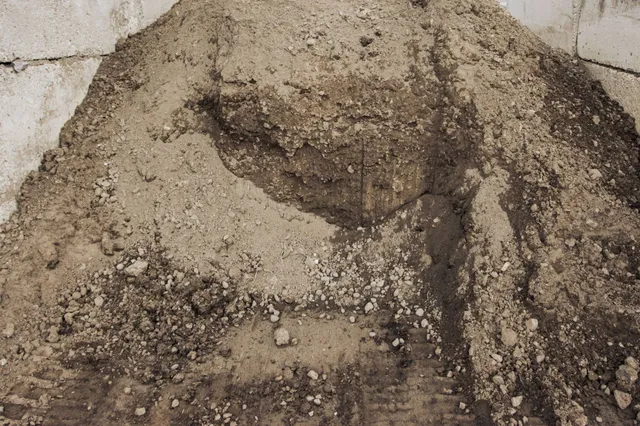
Fill Dirt
Grading & Backfill
See delivered price
View product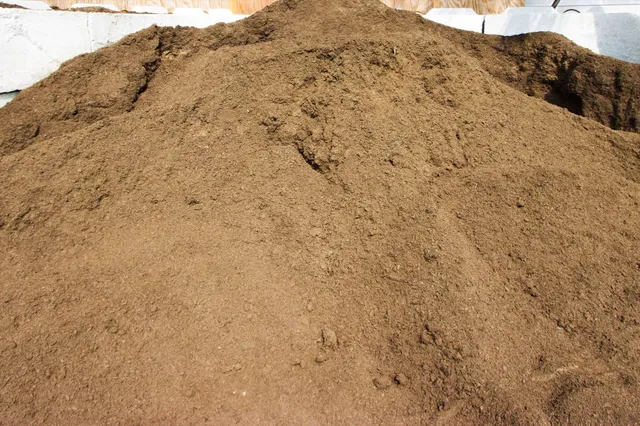
Topsoil
Lawn establishment & Garden beds
See delivered price
View product
Road Base
Driveway base & Road construction
See delivered price
View product