Best Aggregate Base Types for Construction Projects
Published on: January 13, 2026
Get an estimate for your project in 60 seconds
Choosing the right aggregate base can make or break your construction project. Without a solid foundation, structures risk sinking, cracking, or shifting over time, leading to costly repairs and safety concerns. The best aggregate base depends on your specific project needs, but crushed stone and gravel consistently rank as top performers for most applications due to their excellent load-bearing capacity and drainage properties.
Quick Answer: Crushed stone offers the best overall performance for heavy-duty construction, while gravel excels in drainage applications, and recycled concrete provides an eco-friendly alternative with comparable strength.
Let’s explore the different aggregate base options and help you make the right choice for your project.
Understanding aggregate base fundamentals
An aggregate base is a compacted layer of material that distributes structural weight evenly across the ground. This foundation layer prevents settling and shifting that can compromise your project’s integrity.
The composition typically includes crushed stone, gravel, sand, or recycled concrete. Each material brings unique properties that suit different construction scenarios. Your soil type plays a crucial role in selection – clay soils with high moisture content need different support than sandy soils with natural drainage.
Think of an aggregate base like the foundation of a house. Just as you wouldn’t build on unstable ground, your construction project needs this stable platform to perform reliably over time.

Types of aggregate base materials
Crushed stone
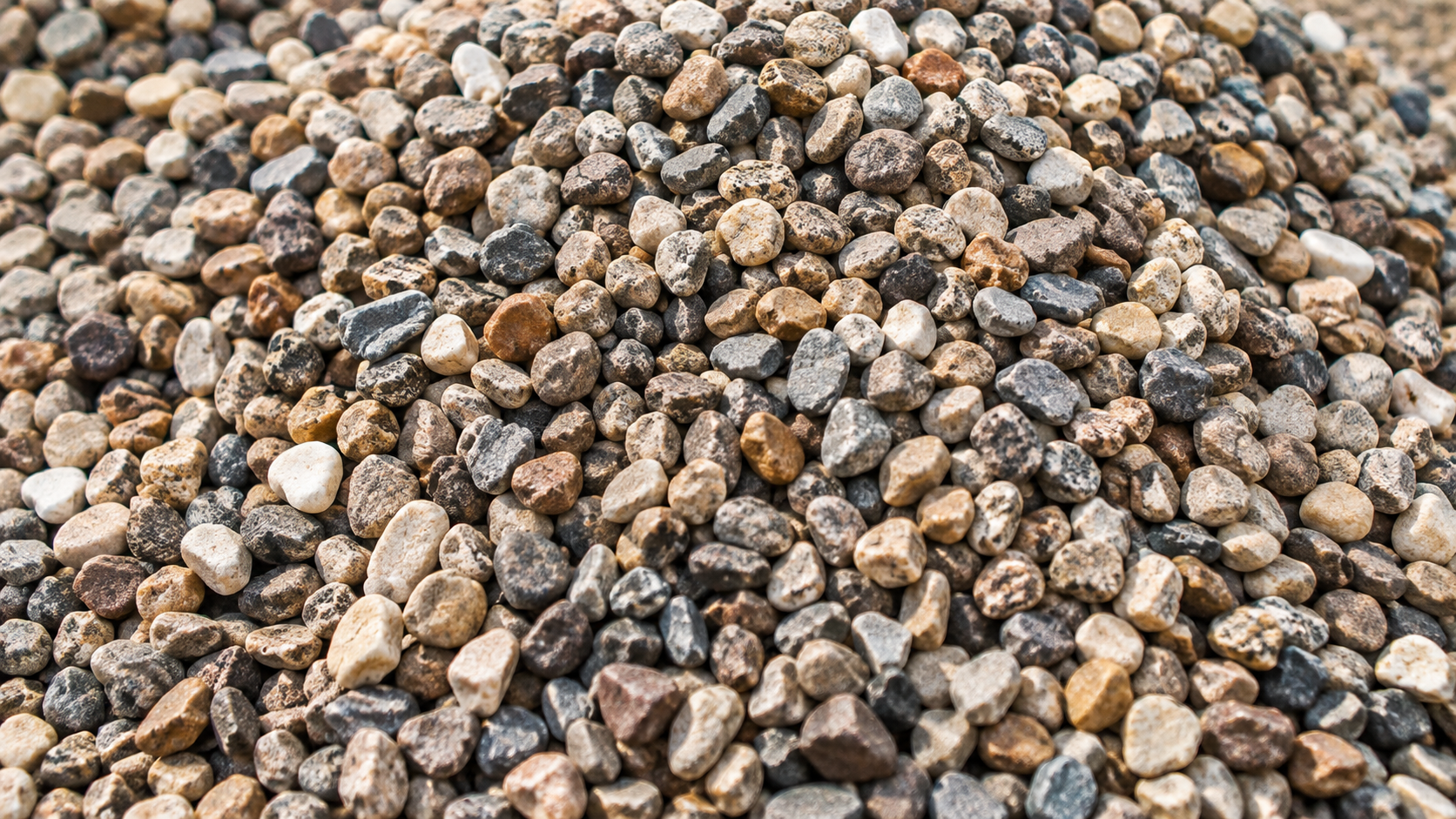
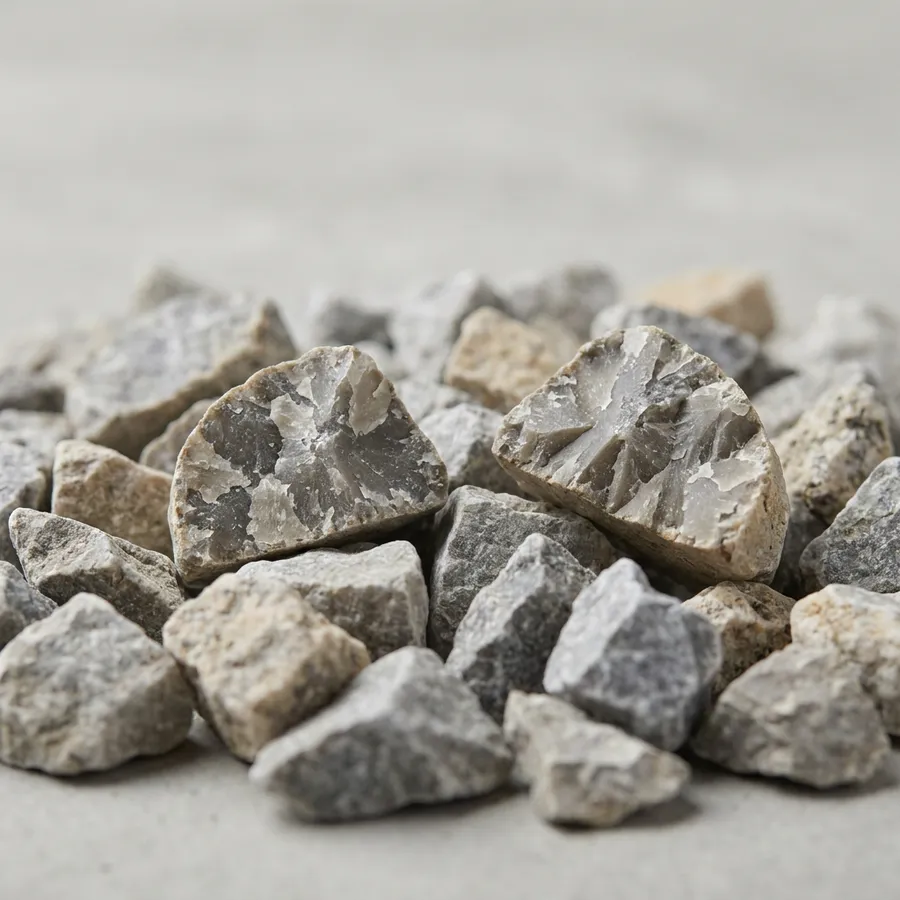
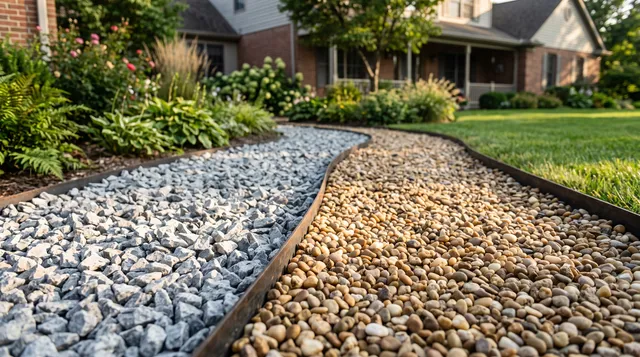
Crushed stone stands out as the most versatile option for construction projects. Its angular shape creates excellent interlocking properties, providing superior load-bearing capacity compared to rounded materials.
The crushing process creates sharp edges that lock together when compacted, forming a stable foundation that resists shifting. This material handles heavy equipment and structural loads exceptionally well, making it ideal for driveways, building foundations, and road construction.
According to hellogravel.com, crushed stone maintains its shape over time and resists erosion, ensuring long-term stability for your project.
Gravel
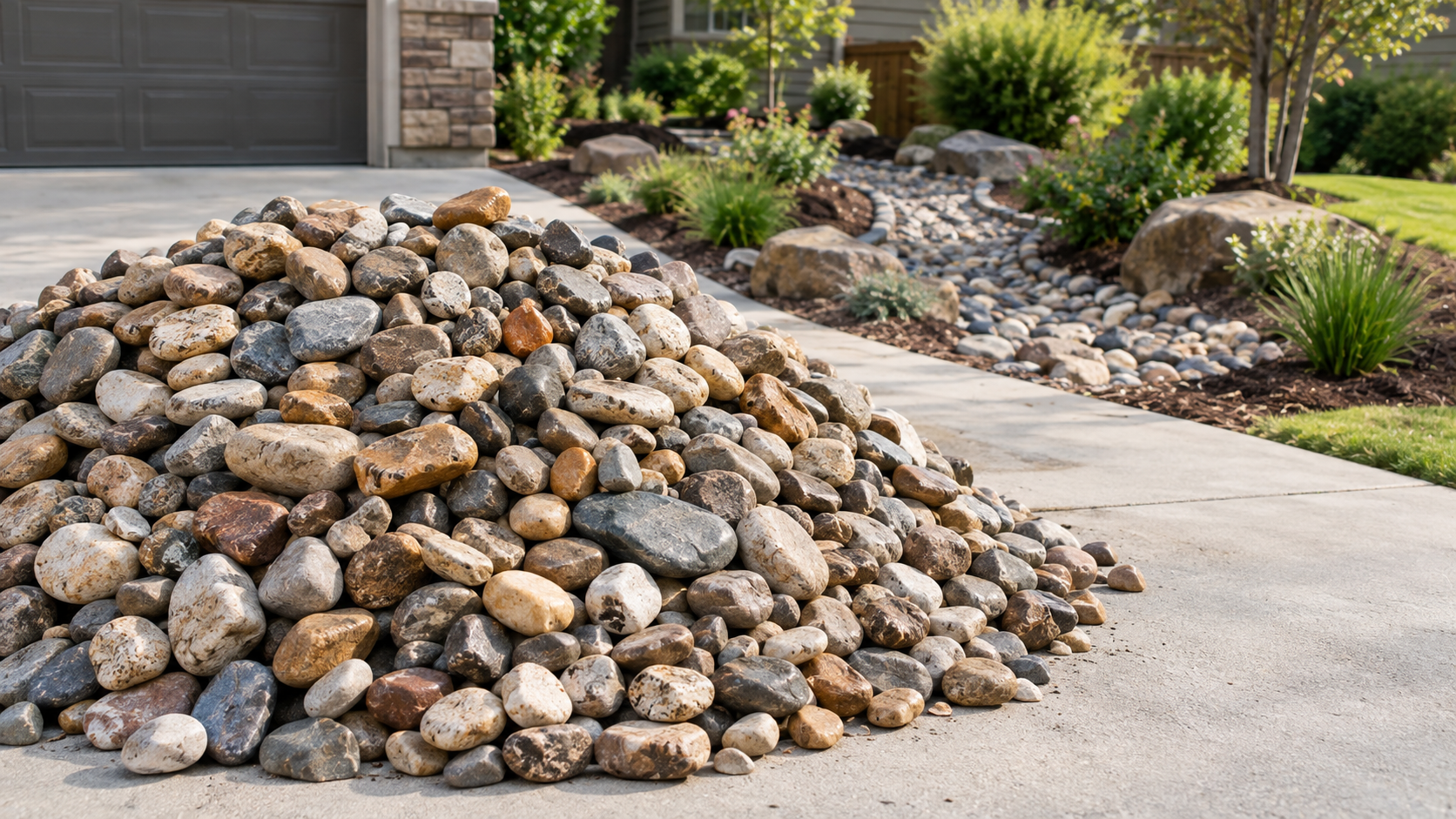
Gravel offers excellent drainage capabilities due to its naturally rounded shape and varied particle sizes. Water flows easily through gravel, making it perfect for areas prone to moisture issues or requiring drainage solutions.
This material compacts well while maintaining permeability, striking a balance between stability and water management. Gravel works particularly well for French drains, permeable driveways, and projects in high-water table areas.
Recycled concrete aggregate
Recycled concrete aggregate (RCA) provides an environmentally responsible choice without sacrificing performance. Made from crushed concrete structures, RCA delivers comparable strength to traditional materials while reducing environmental impact.
This option costs less than virgin materials in many areas and helps construction projects meet sustainability goals. RCA performs well in load-bearing applications and offers good drainage characteristics. For those considering this option for specific projects, you can learn more about using recycled concrete for fire pit areas.
Environmental Benefit: Using recycled concrete aggregate can reduce project costs by 10-30% while diverting waste from landfills.
Sand and quarry process
Sand works best for lighter applications requiring excellent drainage, such as patio installations or pool areas. However, sand lacks the load-bearing capacity needed for heavy construction projects.Quarry process combines crushed stone with stone dust, creating a material that compacts tightly while maintaining good drainage. This blend works well for paver installations and provides a smooth, stable surface.
Key selection factors
Load-bearing requirements
Your project’s weight demands determine which materials will perform adequately. Heavy structures, industrial facilities, and high-traffic areas require materials with superior load-bearing capacity like crushed stone or recycled concrete.
Consider both the immediate construction loads and long-term structural weight. Equipment access during construction also affects material choice – heavy machinery needs robust support to prevent rutting and damage.
Drainage considerations
Water management significantly impacts foundation stability. Areas with poor drainage or high rainfall need permeable materials that allow water flow without compromising structural support.
hellogravel.com emphasizes that proper drainage prevents water buildup that can lead to erosion, frost heave, and foundation instability.
Cost and availability
Material costs vary by location and availability. Local quarries often provide the most cost-effective options, while specialized materials may require longer transportation distances.
Factor in both material costs and installation expenses. Some materials require specific equipment or techniques that can affect overall project budgets.
Making the right choice
| Material | Load-Bearing | Drainage | Cost | Best For |
|---|---|---|---|---|
| Crushed Stone | Excellent | Good | Moderate | Heavy construction, roads |
| Gravel | Good | Excellent | Low | Drainage applications |
| Recycled Concrete | Excellent | Good | Low-Moderate | Sustainable projects |
| Sand | Poor | Excellent | Low | Light applications |
The best aggregate base for your project depends on balancing these factors against your specific requirements. Heavy-duty applications benefit from crushed stone’s superior strength, while drainage-critical projects favor gravel’s permeability.

Consider your local climate, soil conditions, and long-term maintenance needs when making your selection. Projects in freeze-thaw climates need materials that resist frost damage, while areas with expansive soils require bases that accommodate ground movement.
Pro Tip: Consult with local suppliers about material performance in your area’s specific conditions – they often have valuable insights about what works best locally.
Most successful construction projects use a combination approach, layering different materials to optimize both drainage and load-bearing performance. This strategy maximizes the benefits of each material type while minimizing individual weaknesses. For specific applications like shed foundations or retaining wall bases, understanding the unique requirements helps ensure optimal material selection.
Remember that proper installation matters as much as material selection. Even the best aggregate base materials won’t perform well without adequate compaction and preparation. Working with experienced contractors ensures your foundation provides the stability and longevity your project demands. If you’re interested in learning more about different types of gravel for construction, explore comprehensive guides that detail the specific characteristics and applications of each material type.
FAQ
What is the best aggregate base for heavy construction projects?
Is recycled concrete aggregate as good as traditional materials?
Which aggregate base offers the best drainage properties?
How do I choose between crushed stone and gravel for my project?
Author: