
Best Rock Size for Driveways (Selection Guide)
Free local estimate
See delivered prices for your ZIP in 60 seconds
Tell us where the project is and we'll price this material — delivered — for your exact ZIP.
- Real delivered pricing for your ZIP — not a generic range.
- Works for any quantity — driveways, pads, drains, or full projects.
- Prefer to talk? We follow up with local availability and delivery windows.
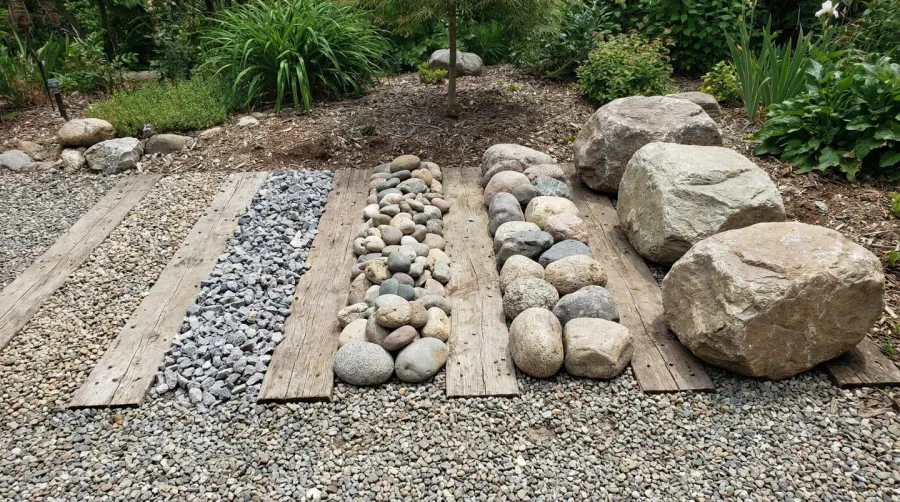
Choosing the right rock size for your driveway can make or break your project’s success. The size directly impacts everything from drainage and stability to maintenance costs and curb appeal. Small rocks (3/8 inch) work best for decorative residential driveways, medium rocks (3/8 to 3/4 inch) offer the ideal balance for most homes, while large rocks (1-2 inches) provide maximum durability for heavy traffic areas.
Pro Tip: Most residential driveways perform best with medium-sized rocks because they balance stability, drainage, and visual appeal without requiring excessive maintenance.
Whether you’re building a new driveway or renovating an existing one, understanding rock sizes will save you time, money, and frustration down the road. This guide walks you through everything you need to know about selecting the perfect rock size for your specific situation.
About Hello Gravel
Hello Gravel delivers bulk gravel, rock, dirt, and sand by the ton. Enter your ZIP code to see prices with delivery included. A local dump-truck driver places the load where access is safe; spreading is not included.
Understanding driveway rock size categories
Driveway rocks fall into three main categories, each serving different purposes and offering unique benefits. The size you choose affects how your driveway looks, performs, and ages over time.
Small rocks measure around 3/8 inch in diameter and create smooth, compact surfaces. These work well for decorative applications and light-traffic areas. You’ll often see them used in residential settings where appearance matters more than heavy-duty performance.
Medium rocks range from 3/8 to 3/4 inch and represent the sweet spot for most homeowners. They provide good stability while maintaining an attractive appearance. This size handles moderate vehicle traffic without constant maintenance issues, making them ideal for typical residential driveway applications.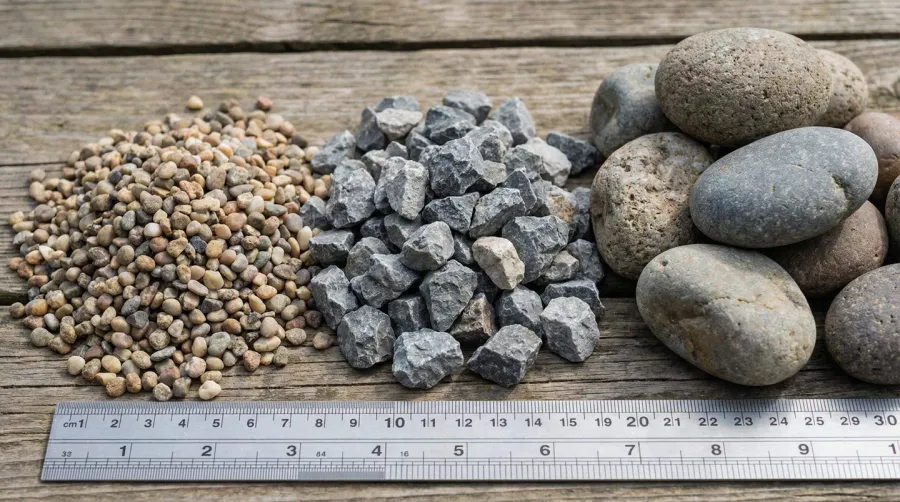 Large rocks typically measure 1 to 2 inches in diameter and excel in high-traffic situations. Commercial properties and homes with heavy vehicles often choose this size for its exceptional durability and drainage capabilities. If you’re considering crushed stone options for your driveway, larger sizes may be worth exploring.
Key factors that determine your ideal rock size
Several important considerations should guide your rock size decision. Getting these factors right ensures your driveway performs well for years to come.Driveway dimensions and layout play a crucial role in size selection. Wider driveways with multiple parking spaces benefit from larger rocks that resist shifting under vehicle weight. Narrow or curved driveways often work better with smaller rocks that create smoother surfaces for easier navigation.
Climate conditions in your area significantly impact performance. Heavy rainfall areas need rocks with excellent drainage properties to prevent water pooling and erosion. Cold climates with freeze-thaw cycles require larger rocks that won’t shift when ground conditions change. Understanding what type of gravel is best for wet locations can help you make climate-appropriate choices.
Weather Reality Check: Areas receiving more than 40 inches of annual rainfall should prioritize drainage over aesthetics when selecting rock size.
Traffic patterns and vehicle types determine the durability requirements for your driveway. Daily use by standard passenger cars allows for smaller, more decorative options. Regular heavy vehicle traffic demands larger rocks that can handle the increased weight and stress. For parking areas that see frequent use, consider reviewing best practices for parking area gravel selection.Your maintenance preferences also matter significantly. Smaller rocks require more frequent raking and repositioning to maintain appearance and function. Larger rocks stay in place longer but may need occasional grading to maintain proper drainage slopes. Learn more about how to permanently get rid of weeds in a gravel driveway to minimize ongoing maintenance.
Comparing rock size advantages and limitations
Each rock size category offers distinct benefits and drawbacks that affect both immediate installation and long-term performance.
| Rock Size | Best For | Drainage | Stability | Maintenance |
|---|---|---|---|---|
| Small (3/8″) | Decorative, light traffic | Good | Moderate | High |
| Medium (3/8-3/4″) | Residential driveways | Excellent | Good | Low |
| Large (1-2″) | Heavy traffic, commercial | Excellent | High | Very Low |
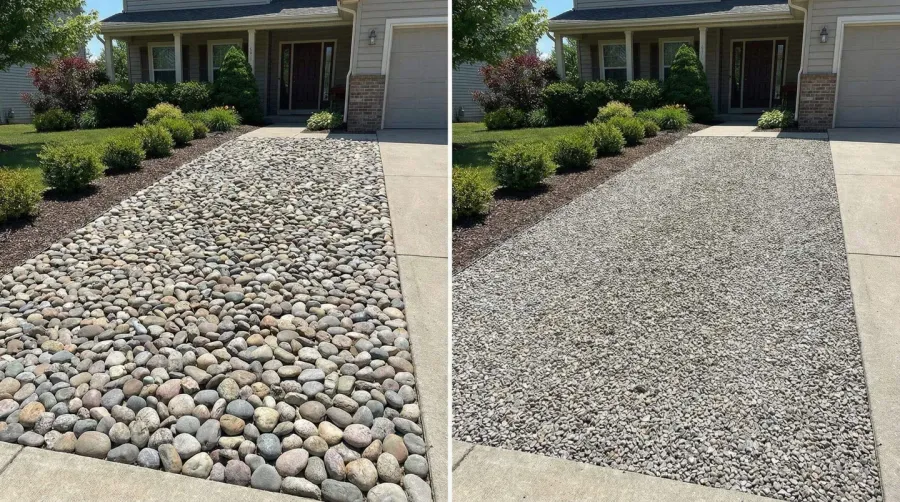
Small rocks create beautiful, smooth surfaces that enhance curb appeal and work perfectly for decorative borders or low-traffic areas. However, they shift easily under vehicle weight and require regular maintenance to prevent displacement and rutting.
Medium rocks offer the best balance for most residential applications. They provide reliable stability for everyday vehicle use while maintaining good drainage and visual appeal. The moderate maintenance requirements make them practical for busy homeowners. For those considering pea gravel for their shed foundation, similar sizing principles apply.Large rocks excel in demanding situations where durability trumps aesthetics. They handle heavy loads without shifting and provide superior drainage in wet climates. The trade-off comes in appearance, as they create rougher surfaces that may not suit all architectural styles. If you need maximum stability, explore using crushed stone as a base for various projects.
Installation approach for optimal performance
Proper installation techniques vary based on your chosen rock size, but certain principles apply regardless of the material you select.
Site preparation forms the foundation of any successful driveway project. Remove existing vegetation and debris, then grade the area to ensure proper water runoff. Install landscape fabric to prevent weed growth and improve long-term stability.
Base layer construction requires different approaches depending on rock size. Larger rocks need minimal base preparation since they provide inherent stability. Smaller rocks benefit from a compacted gravel base that prevents settling and maintains surface evenness. Understanding what type of aggregate base is best for construction will help ensure proper foundation work.
Final installation involves spreading rocks evenly across the prepared surface, then compacting to create a stable driving surface. Use a plate compactor for smaller rocks and hand-tamping for larger sizes to avoid crushing.
Installation Success: Proper compaction reduces future maintenance by up to 60% and extends driveway life significantly.
Finishing touches include edge restraints to prevent rock migration and final grading to ensure proper drainage patterns. These details make the difference between a professional-looking result and an amateur installation. For comprehensive guidance, check out the best gravel for drainage to optimize water management.
The right rock size transforms your driveway from a simple parking area into a durable, attractive entrance that enhances your property value. Consider your specific needs, local conditions, and long-term goals when making this important decision. With proper selection and installation, your driveway will provide years of reliable service while maintaining its visual appeal.
FAQ
What size gravel is best for a driveway base?
Medium rocks ranging from 3/8 to 3/4 inch (#57 gravel) are ideal for most residential driveway bases. This size provides excellent compaction and drainage while maintaining stability under vehicle weight. For the foundation layer, larger rocks (1-2 inches) work best, followed by medium-sized rocks for the middle layer.
How deep should rock be for a driveway?
A properly constructed driveway requires 8-12 inches total depth using a three-layer system: 4-6 inches of large base rocks, 3-4 inches of medium rocks for the middle layer, and 2-3 inches of small rocks for the top surface. This depth ensures proper drainage, stability, and longevity for residential use.
Can small rocks be used alone for driveways?
Small rocks (3/8 inch) should not be used alone for driveways as they shift easily under vehicle weight and lack the stability needed for regular traffic. They work best as a top decorative layer over a properly constructed base of larger rocks. Using small rocks alone leads to rutting, displacement, and frequent maintenance issues.
What rock size is best for heavy traffic driveways?
Large rocks measuring 1-2 inches are best for heavy traffic driveways and commercial applications. They provide maximum durability and resist shifting under heavy vehicle loads. While they create a rougher surface appearance, large rocks offer superior stability and require minimal maintenance compared to smaller sizes.
Most-ordered materials
Get it delivered — dumped where you need it
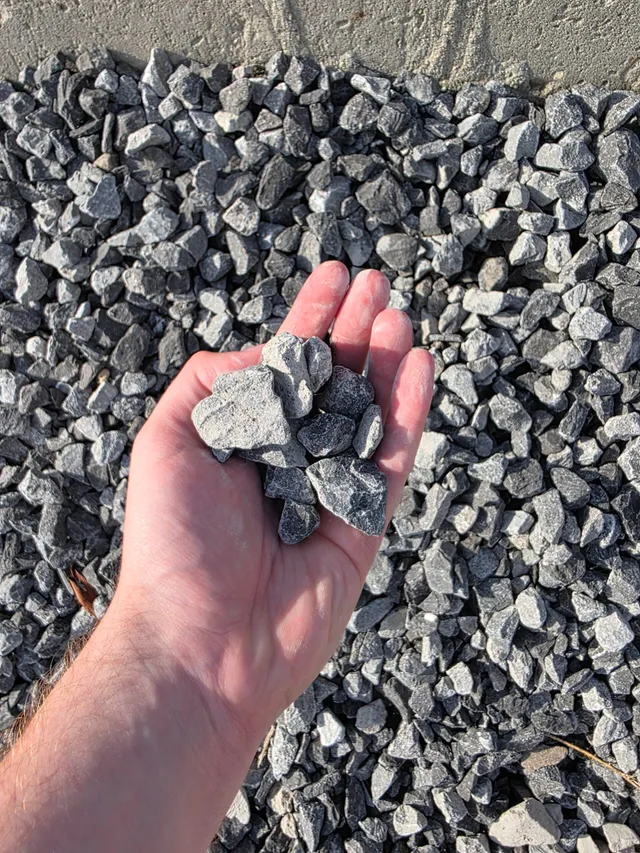
Driveway Gravel
Driveways & Parking areas
See delivered price
View product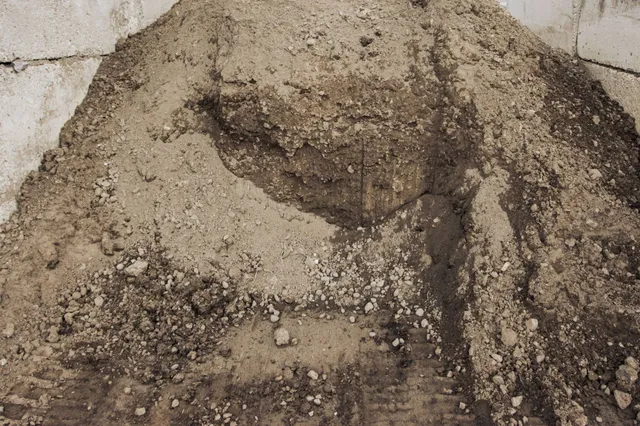
Fill Dirt
Grading & Backfill
See delivered price
View product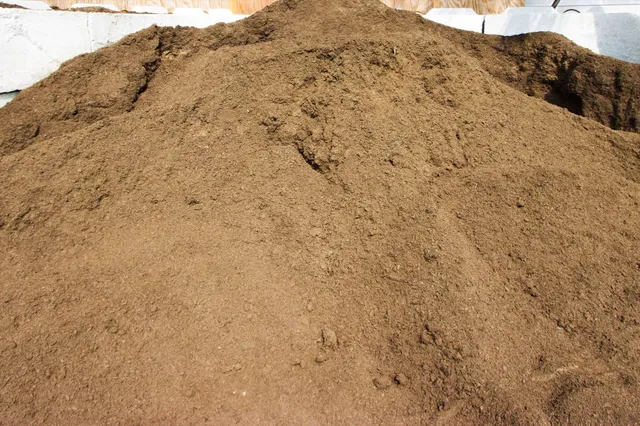
Topsoil
Lawn establishment & Garden beds
See delivered price
View product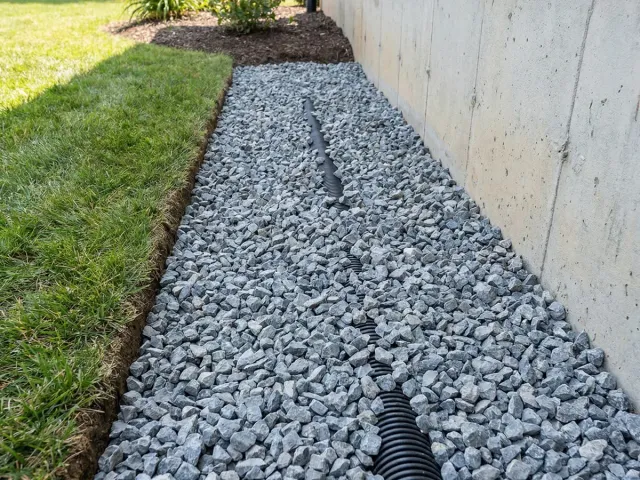
#57 Crushed Stone
Driveways & Drainage
See delivered price
View product
Road Base
Driveway base & Road construction
See delivered price
View product