What is red clay and what makes it so valuable for construction and farming
Get an estimate for your project in 60 seconds
 Your information is secure
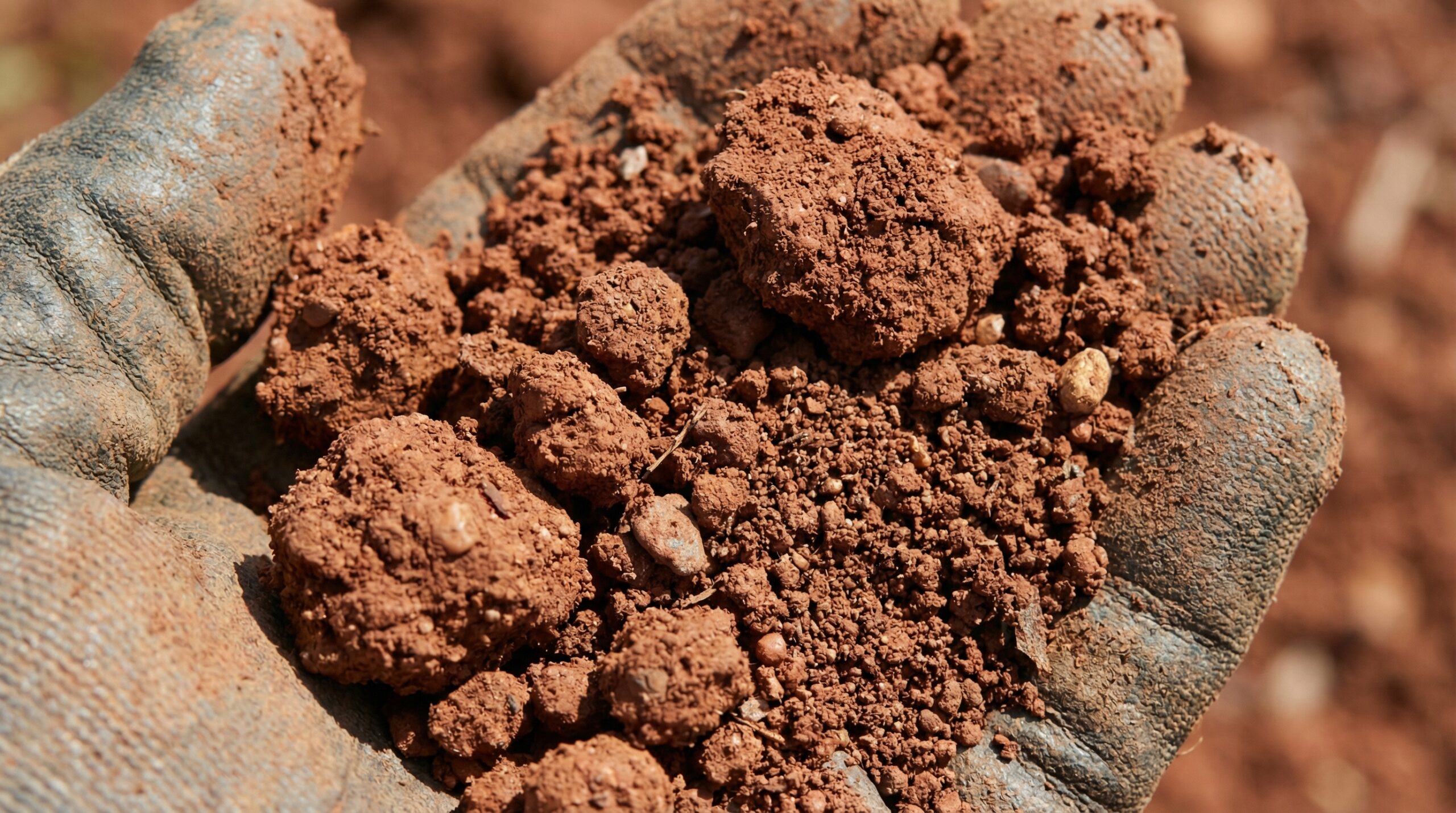
Red clay is a distinctive soil type characterized by its rich reddish color, which comes from high concentrations of iron oxides like hematite and goethite. This unique composition makes red clay incredibly valuable for both construction and agricultural applications. You’ll find this versatile material being used to create durable bricks and tiles, while farmers prize it for growing premium crops like grapes and olives in renowned wine regions.
Quick fact: Red clay gets its signature color from iron oxide concentrations that can reach up to 10% of the soil’s composition, making it one of the most mineral-rich soils available.
The formation process involves weathering of iron-bearing rocks and minerals over thousands of years, creating a soil that’s both fertile and structurally sound. Understanding red clay’s properties helps you make informed decisions whether you’re planning a construction project or evaluating soil for agricultural use.
What exactly is red clay and how does it form
Red clay, also known as terra rossa in some regions, forms through a fascinating geological process that takes place over centuries. When iron-bearing rocks and minerals weather under specific climatic conditions, they break down into smaller particles while iron compounds oxidize to create those distinctive red hues.
The formation happens most effectively in Mediterranean climates, where hot, dry summers alternate with cool, wet winters. This cycle accelerates the weathering process and concentrates iron oxides in the soil. You’ll commonly find red clay in the southern United States, parts of Italy, Spain, and other regions with similar climate patterns.

The texture can vary significantly depending on local conditions. Some red clay feels sandy and loose, while others become dense and compact when dry. This variation affects how you can use the material for different applications, similar to how heavy clay behaves under different conditions.
Why red clay excels in construction applications
Red clay’s high iron content makes it exceptionally durable for construction materials, particularly bricks and tiles. When fired in kilns, the iron oxides create strong bonds that resist weathering and provide excellent structural integrity. This is why you see red clay bricks lasting for centuries in historic buildings.
The manufacturing process involves mixing red clay with water to form a workable paste, shaping it into desired forms, then firing at high temperatures. The heat enhances the natural red color while hardening the material into a weather-resistant building component.
Construction tip: Red clay bricks typically cost 15-20% more than standard clay bricks but offer superior durability and distinctive aesthetic appeal that can increase property values.
Modern construction projects often choose red clay materials for both practical and aesthetic reasons. The natural color eliminates the need for additional coloring agents, and the material’s thermal properties help with energy efficiency in buildings. Understanding the differences between fill dirt and clay can help you determine which material best suits your construction needs.
Agricultural benefits that make red clay highly sought after
Farmers and vintners specifically seek out red clay for its exceptional drainage properties and mineral content. The soil doesn’t retain excess water, which prevents root rot in sensitive crops while still providing adequate moisture retention for plant growth.
The high mineral content, particularly iron, creates ideal growing conditions for premium crops. Many of the world’s most famous wine regions, including parts of Tuscany and Bordeaux, feature red clay soils that contribute to the distinctive flavors in their wines.
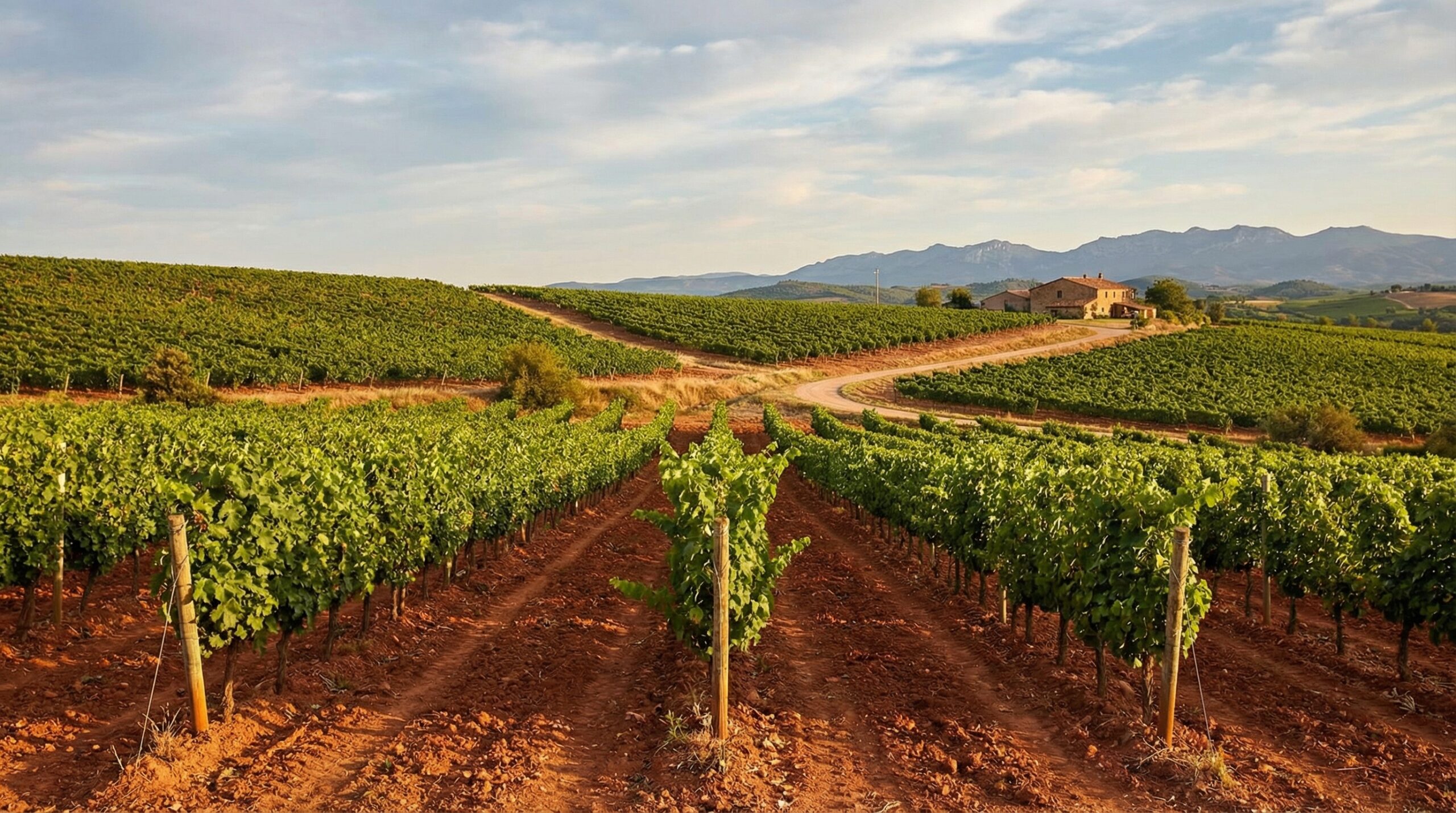
However, working with red clay requires some knowledge. When dry, it becomes extremely hard and difficult to till. You’ll need to time your soil preparation carefully, working the soil when moisture content is optimal. Adding organic matter helps improve workability while maintaining the soil’s beneficial properties. For comparison, sandy loam offers easier workability but may lack the mineral richness of red clay.
Crops that thrive in red clay include grapes, olives, certain fruit trees, and vegetables that prefer well-drained conditions. The key is understanding how to manage the soil’s natural characteristics rather than fighting against them.
Cost considerations and value comparison
Red clay typically costs between $15-45 per ton, depending on quality, location, and quantity purchased. While this represents a premium over standard soil types, the investment often pays off through superior performance and longevity.
| Soil Type | Average Cost per Ton | Primary Benefits |
|---|---|---|
| Red Clay | $15-45 | High durability, mineral content |
| Standard Fill Dirt | $8-25 | Basic coverage, lower cost |
| Topsoil | $12-35 | General gardening, moderate nutrients |
Transportation costs can significantly impact your total expense, so sourcing locally when possible helps control costs. Bulk purchases often reduce the per-ton price, making red clay more economical for larger projects.
Cost insight: Despite higher upfront costs, red clay’s durability in construction applications and crop yield benefits in agriculture often provide better long-term value than cheaper alternatives.
The premium pricing reflects red clay’s unique properties and limited availability in certain regions. When evaluating costs, consider the specific benefits red clay provides for your intended application rather than just comparing price per ton. If you’re working on projects requiring different soil characteristics, you might also want to explore clay loam or blended soils as alternatives.
Whether you’re planning a construction project that demands durable, attractive materials or developing agricultural land for premium crop production, red clay offers distinct advantages that justify its cost. The key is matching the material’s properties to your specific needs and understanding how to work with its unique characteristics effectively.
At Hello Gravel, we provide high-quality red clay and other premium aggregates delivered directly to your project site, ensuring you get the right materials for successful outcomes.


 Chance Kittrell
