Gravel Size Chart Guide – Choose the Perfect Gravel for Any Project
Published on: December 10, 2025
Get an estimate for your project in 60 seconds
 Your information is secure
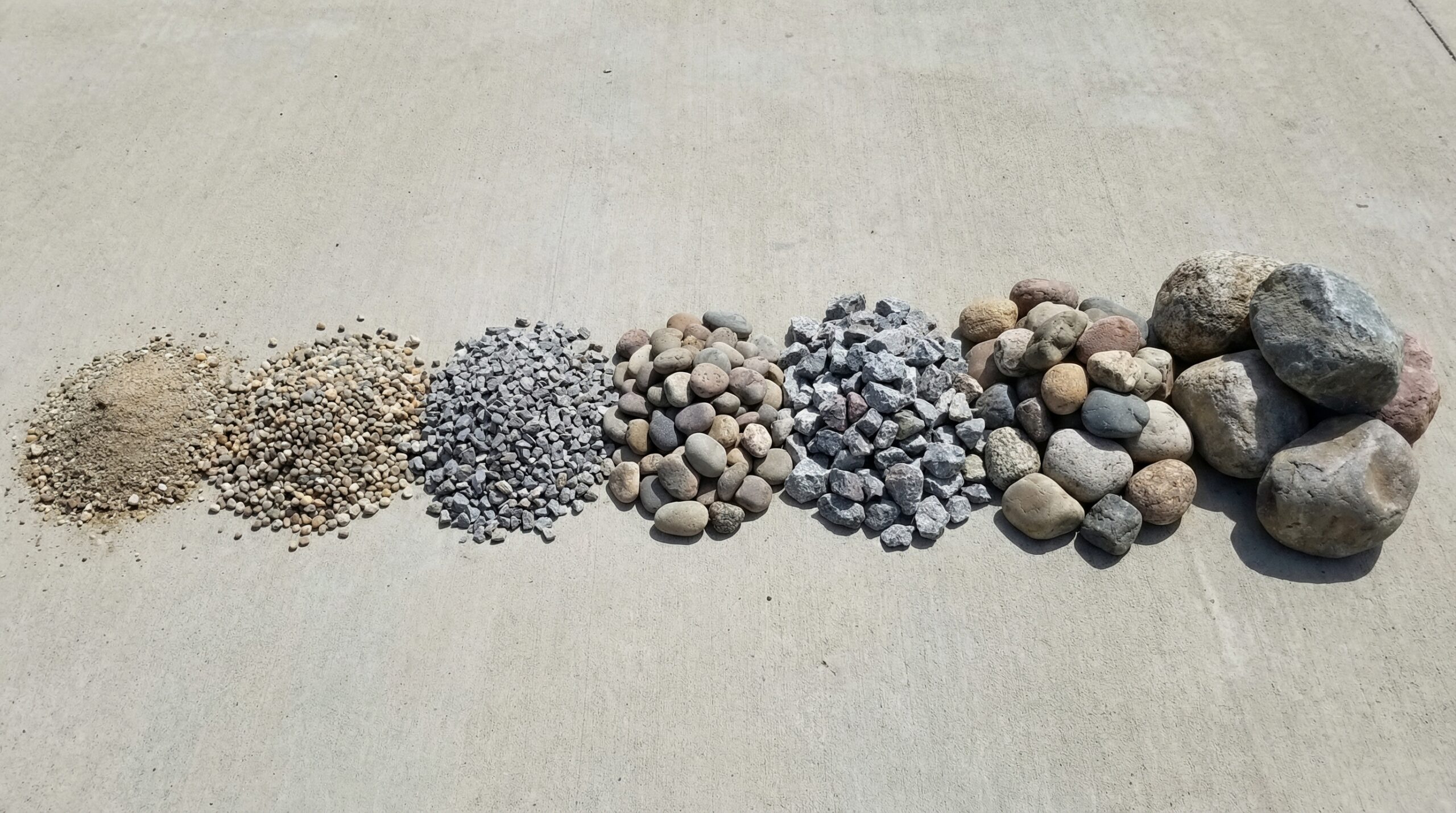
Choosing the wrong gravel size can turn your dream driveway into a maintenance nightmare or make your garden path uncomfortable to walk on. The key is understanding which size works best for your specific project, and that’s where a proper gravel size chart becomes invaluable.
Quick answer: Gravel sizes range from #1 (largest, 2-4 inches) to #10 (smallest, 1/8 inch), with each size serving different purposes. For driveways, use #3 or #4 gravel; for pathways, choose #5 or #6; and for drainage projects, opt for #1 or #2.
Pro tip: The smaller the gravel number, the larger the stone size. This numbering system helps you quickly identify what you need for any project.
This guide will walk you through everything you need to know about gravel sizes, from reading size charts to selecting the perfect material for your specific needs. You’ll learn how different sizes affect performance and discover which gravel works best for driveways, landscaping, and construction projects.
Understanding gravel size measurements
Gravel sizing follows a standardized numbering system that might seem backwards at first glance. The smaller the number, the larger the stone. This system is based on screen sizes used during the sorting process, where larger stones are caught by bigger screens first.
Most gravel sizes are measured by their nominal diameter, which represents the average size of stones that pass through specific screen openings. For example, #4 gravel passes through a 1-inch screen but is retained by a 3/4-inch screen, giving you stones roughly 3/4 to 1 inch in diameter.
The measurement units vary between inches and millimeters depending on your location and supplier. In the United States, you’ll commonly see sizes like 3/8 inch, 3/4 inch, or 1.5 inches, while metric measurements use millimeters like 10mm, 20mm, or 40mm.
Understanding these measurements helps you visualize what you’re ordering and ensures the gravel will perform as expected in your project. For a deeper dive into how this system works, check out our guide on understanding the numbering system for gravel. When in doubt, ask your supplier to show you samples of different sizes before making your final decision.
Gravel size chart and common applications
| Gravel Size | Diameter (inches) | Diameter (mm) | Common Name | Best Uses |
|---|---|---|---|---|
| #1 | 2-4 | 50-100 | Large crushed stone | Drainage, foundations |
| #2 | 1.5-2.5 | 38-64 | Medium crushed stone | Drainage, base layers |
| #3 | 1-1.5 | 25-38 | Coarse gravel | Driveways, construction |
| #4 | 0.75-1 | 19-25 | Medium gravel | Driveways, paths |
| #5 | 0.5-0.75 | 13-19 | Fine gravel | Walkways, landscaping |
This chart serves as your quick reference when planning any gravel project. Each size has been optimized for specific applications based on decades of construction and landscaping experience. For a more detailed breakdown of each size category, explore our comprehensive aggregate sizes chart.
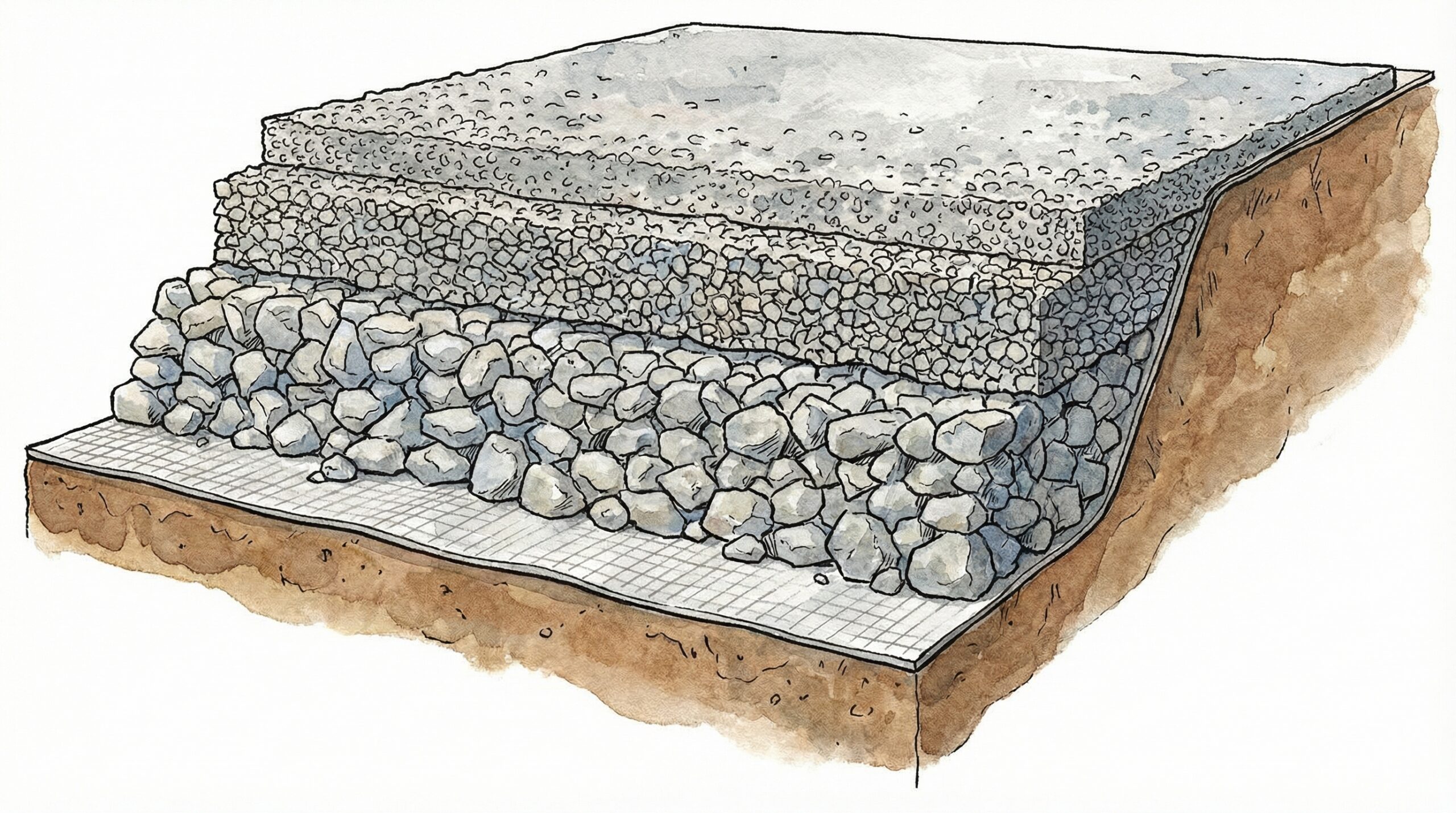
The larger sizes (#1 and #2) excel at drainage applications because water flows easily between the bigger stones. These sizes also provide excellent load-bearing capacity for heavy construction equipment or as foundation material under concrete slabs.
Medium sizes (#3 and #4) strike the perfect balance between stability and comfort. They’re large enough to handle vehicle traffic without shifting excessively, yet small enough to create a relatively smooth driving surface.
Smaller sizes (#5 and finer) work beautifully for decorative applications and foot traffic areas. They compact well and create attractive, walkable surfaces that complement landscaping designs.
Best gravel sizes for specific projects
Driveways and parking areas
For most residential driveways, you’ll want a two-layer approach using different gravel sizes. Start with a base layer of #2 or #3 gravel, which provides excellent drainage and load distribution. This base should be 3-4 inches deep and properly compacted.
The top layer should use #4 or #5 gravel, applied 2-3 inches deep. This creates a smoother driving surface while maintaining good drainage. The smaller top layer stones interlock with the base layer, creating a stable surface that resists rutting and washouts. For more specific recommendations on choosing the right material for your driveway, see our ultimate driveway stone size chart.
Important consideration: If you live in an area with heavy rainfall, lean toward larger base layer sizes (#2) to improve drainage and prevent water damage to your driveway foundation.
Avoid using pea gravel or very fine materials as your top layer if you expect regular vehicle traffic. These materials tend to shift and create ruts, especially under the weight of larger vehicles or during wet conditions.
Walkways and garden paths
Garden paths and walkways have different requirements than driveways since they primarily handle foot traffic. #5 or #6 gravel works perfectly for most walking surfaces, providing comfort underfoot while maintaining good drainage.
For paths that need to accommodate wheelchairs, strollers, or garden carts, consider using #4 gravel with proper compaction. This slightly larger size provides better stability for wheeled traffic while remaining comfortable for walking.
The depth for walkway gravel typically ranges from 2-3 inches, depending on your soil conditions and expected usage. In areas with poor drainage, you might need a thin base layer of larger gravel before applying your walking surface material.
Landscaping and decorative areas
Landscaping applications offer the most flexibility in gravel selection since appearance often matters as much as function. #5 and #6 gravel work well around plants and in garden beds, providing attractive ground cover that suppresses weeds and retains soil moisture.
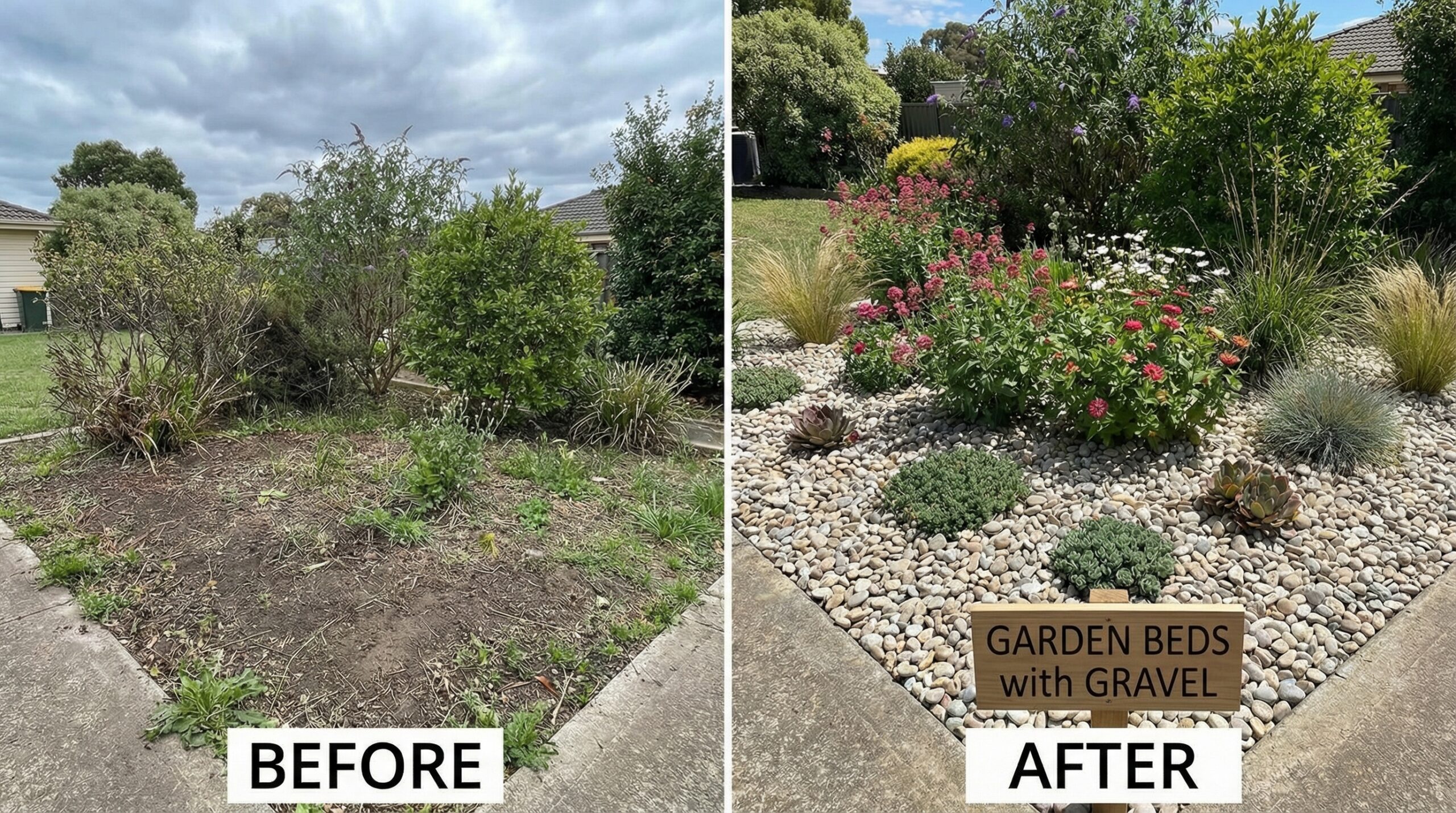
For decorative borders and accent areas, you can choose gravel based primarily on color and texture preferences. River rock and pea gravel create smooth, rounded appearances, while crushed stone provides more angular, contemporary looks. Our comprehensive landscape stone size chart can help you find the perfect fit for your outdoor project.
Consider the maintenance requirements when selecting decorative gravel. Smaller sizes may require occasional raking to maintain their appearance, while larger sizes tend to stay in place better but can be harder to walk on.
How gravel size affects project performance
The size of gravel you choose directly impacts four critical performance factors: drainage, stability, comfort, and maintenance requirements. Understanding these relationships helps you make informed decisions that prevent costly mistakes.
Drainage performance improves with larger gravel sizes because bigger stones create larger void spaces between them. This allows water to flow through quickly, preventing pooling and reducing erosion risks. However, very large gravel may allow too much water penetration in some applications.
Stability increases with proper size selection for your load requirements. Larger stones distribute weight better and resist displacement under heavy loads, while smaller stones can shift and create uneven surfaces when subjected to vehicle traffic.
Comfort for foot traffic generally improves with smaller, more uniform gravel sizes. Walking on large, angular stones can be uncomfortable and potentially unsafe, especially for children or elderly users.
Maintenance requirements vary significantly with size choice. Larger gravels typically require less frequent maintenance but may need occasional regrading. Smaller gravels may need more regular attention to prevent displacement and maintain appearance.
Maintenance tip: Plan for annual touch-ups regardless of gravel size. Adding a thin layer of fresh material and light raking keeps any gravel surface looking its best.
Common gravel types and their sizing
Beyond numbered sizes, you’ll encounter several common gravel types that have their own sizing characteristics. Pea gravel typically ranges from 1/4 to 3/8 inch and creates smooth, comfortable walking surfaces perfect for pathways and play areas.
Crushed stone offers angular shapes that lock together well, making it ideal for driveways and construction applications. It’s available in most standard sizes and provides excellent compaction and stability. Learn more about the different types in our guide to construction stone sizes.
River rock features smooth, rounded stones that work beautifully in decorative applications. Sizes typically range from 1/2 inch to 3 inches, with larger sizes used for accent features and smaller sizes for ground cover.
Crusher run, also called dense grade aggregate, combines multiple sizes from dust to 3/4 inch stones. This mixture compacts extremely well and creates very stable surfaces for driveways and construction bases.
When selecting between these types, consider both the functional requirements and aesthetic goals of your project. Each type brings different benefits and visual characteristics to your finished project. For a visual comparison of different gravel types and sizes, browse our visual guide to gravel sizes with pictures.
Choosing the right gravel size doesn’t have to be complicated when you understand the basics of how size affects performance. Use the chart as your starting point, consider your specific project requirements, and don’t hesitate to ask your supplier for samples or advice. With the right gravel size, your project will look great and perform well for years to come.
Ready to get started with your gravel project? Hello Gravel makes it easy to get the right materials delivered directly to your site, taking the guesswork out of gravel selection and ensuring your project succeeds from day one.
FAQ
What size gravel should I use for a driveway?
What size gravel is best for drainage and French drains?
What size gravel should I use for walkways and garden paths?
How do gravel size numbers work?
Author: Chance Kittrell