
Gravel Size Chart with Pictures Complete Guide to Types and Uses
Free local estimate
See delivered prices for your ZIP in 60 seconds
Tell us where the project is and we'll price this material — delivered — for your exact ZIP.
- Real delivered pricing for your ZIP — not a generic range.
- Works for any quantity — driveways, pads, drains, or full projects.
- Prefer to talk? We follow up with local availability and delivery windows.
Choosing the right gravel size can make or break your construction or landscaping project. The size of gravel you select directly impacts drainage, stability, compaction, and overall project success. Whether you’re building a driveway, creating garden pathways, or establishing a solid foundation, understanding gravel sizes is essential for achieving professional results.
Quick Answer: Gravel sizes range from fine (2-6.3mm) for walkways to large stones (63mm+) for heavy-duty applications. Medium gravel (6.3-20mm) works best for most driveways and drainage projects.
This guide walks you through everything you need to know about gravel sizing, from understanding the basic chart to selecting the perfect type for your specific project needs.
About Hello Gravel
Hello Gravel delivers bulk gravel, rock, dirt, and sand by the ton. Enter your ZIP code to see prices with delivery included. A local dump-truck driver places the load where access is safe; spreading is not included.
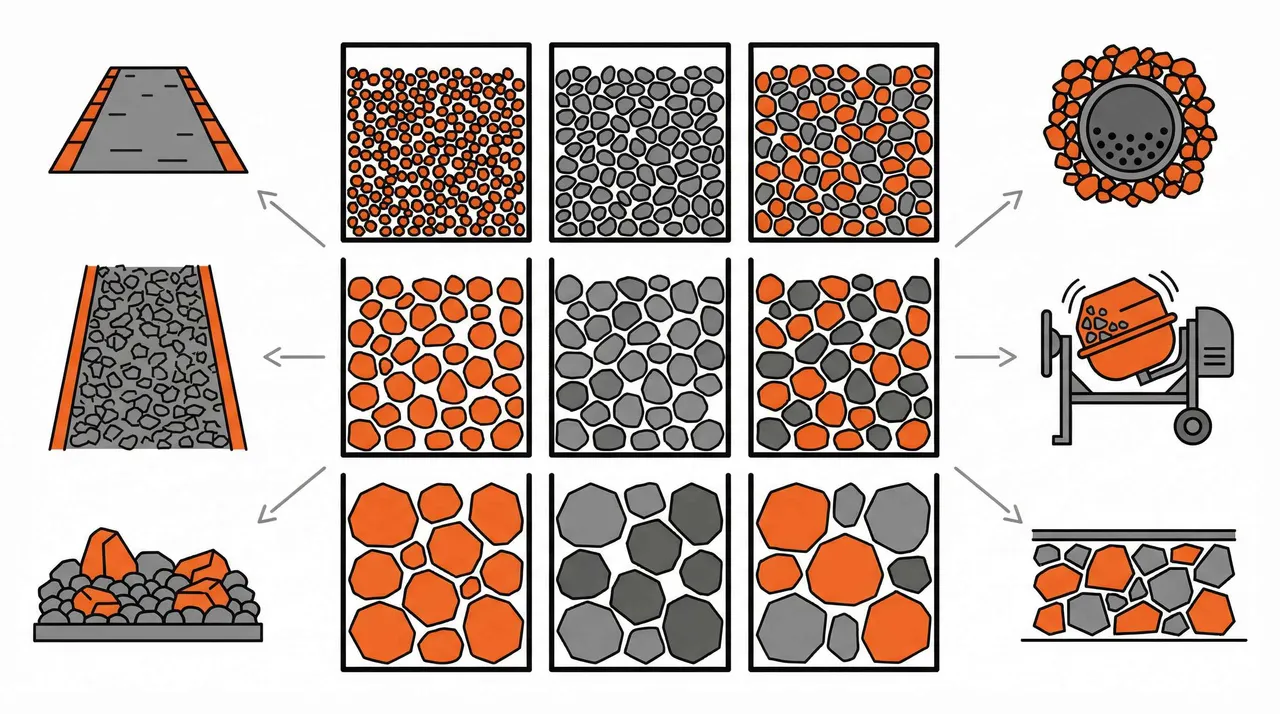
Understanding gravel size classifications
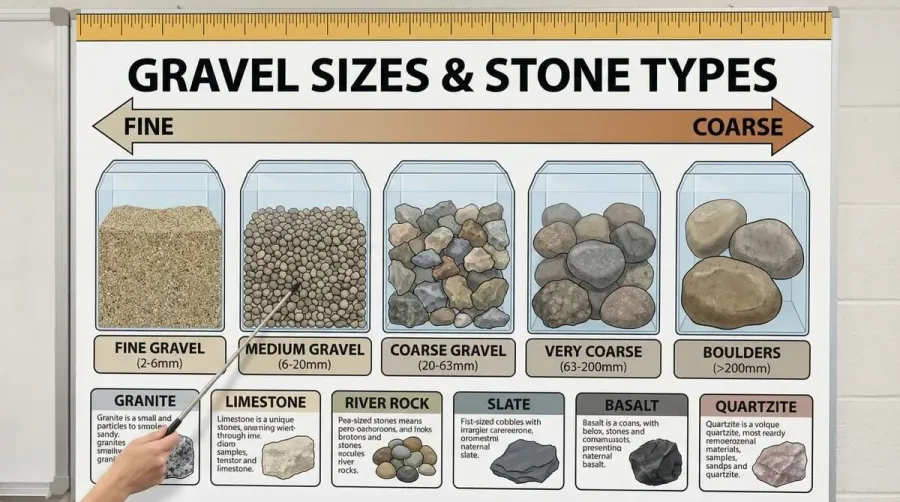
Gravel classification follows a standardized system based on particle diameter, measured in both millimeters and inches. According to industry standards referenced by hellogravel.com/guides, the four main categories create a clear framework for selection.
| Gravel Type | Size Range (mm) | Size Range (inches) | Primary Applications |
|---|---|---|---|
| Fine Gravel | 2.0 – 6.3 | 0.08 – 0.25 | Walkways, patios, decorative areas |
| Medium Gravel | 6.3 – 20 | 0.25 – 0.80 | Driveways, drainage systems |
| Coarse Gravel | 20 – 63 | 0.80 – 2.50 | Base layers, erosion control |
| Large Stones | 63+ | 2.5+ | Decorative landscaping, riprap |
Each category serves distinct purposes based on load-bearing requirements, drainage needs, and aesthetic preferences. The key lies in matching your project’s specific demands with the appropriate size range. For a deeper understanding of stone aggregate classifications and their applications, explore how different aggregate types work together in construction projects.
Popular gravel types and their applications
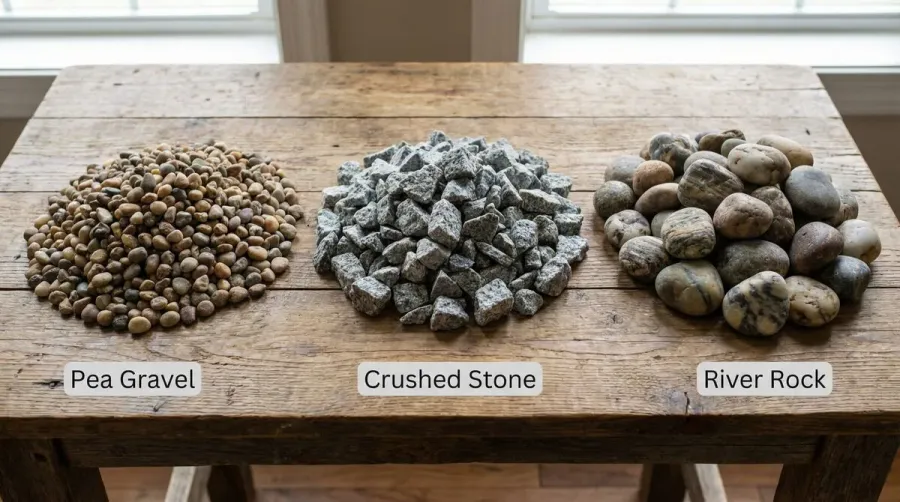
Understanding specific gravel types helps you make informed decisions beyond just size considerations. Each type offers unique characteristics that affect both performance and appearance.
Pea gravel represents the most popular choice in the fine category, measuring 2-8mm in diameter. Its naturally rounded shape and smooth texture make it ideal for decorative landscaping and garden paths. The compact size provides secure footing while creating an attractive, uniform appearance that complements various design styles.
3/4-inch gravel dominates medium-sized applications, particularly for driveways and drainage projects. This size compacts exceptionally well while maintaining adequate drainage properties. The popular #57 crushed stone falls into this category, offering an excellent balance between load-bearing capacity and water flow management. Learn more about how gravel numbering systems work to decode industry-standard classifications.
Crusher run combines multiple sizes from 0-40mm, creating a mixture of stone dust and various crushed stone pieces. This blend locks together tightly, forming an incredibly stable base perfect for heavy-duty applications like road construction and high-traffic driveways. For projects requiring crushed stone in construction applications, understanding the quarry stone sizing system is essential.
Pro Tip: Crusher run’s varied size distribution creates superior compaction compared to single-size gravels, making it the preferred choice for areas requiring maximum stability.
Choosing gravel size for specific projects
Your project type should drive your gravel size selection more than aesthetic preferences alone. Different applications demand specific performance characteristics that only certain sizes can provide effectively.
For residential driveways, medium gravel (6.3-20mm) typically offers the best compromise between functionality and appearance. This size range compacts well under vehicle weight while allowing adequate drainage during heavy rainfall. The stones are large enough to resist displacement but small enough to create a relatively smooth driving surface. Explore the ultimate driveway stone size chart for detailed recommendations on creating long-lasting driveways.
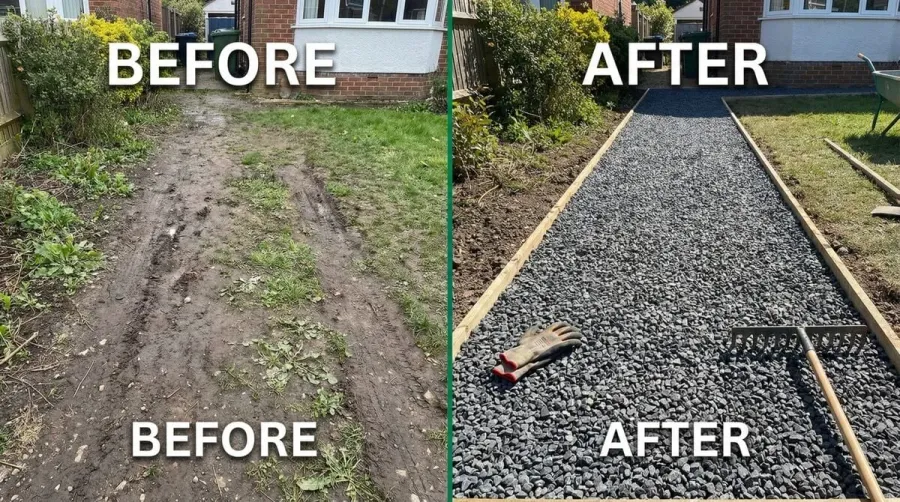
Garden pathways and walkways benefit from fine gravel (2-6.3mm) that provides comfortable walking surfaces. Pea gravel excels in these applications due to its rounded edges and compact size, which won’t shift excessively under foot traffic while maintaining an attractive appearance.
Heavy-duty applications like commercial driveways or areas accommodating large vehicles require coarse gravel (20-63mm) or larger stones. These sizes can withstand substantial weight without breaking down or creating ruts, ensuring long-term durability under demanding conditions. For comprehensive guidance on construction stone sizes and their specific uses, consider the load-bearing requirements of your project.
Factors affecting gravel performance
Several environmental and usage factors influence how different gravel sizes perform in real-world applications. Understanding these variables helps you select the most appropriate size for your specific conditions.
Climate considerations play a crucial role in gravel selection. Areas with heavy rainfall benefit from larger gravel sizes that promote better drainage and prevent water pooling. Conversely, regions with minimal precipitation can accommodate finer gravels without drainage concerns.
Traffic volume and weight directly impact size requirements. Light foot traffic allows for smaller, more decorative options, while heavy vehicle use demands larger, more stable sizes. Consider both current and future usage patterns when making your selection. For landscape projects, refer to this comprehensive landscape stone size chart to find the perfect fit for your outdoor needs.
Important: Undersized gravel for your application will lead to premature failure, requiring costly replacement and potential damage to underlying surfaces.
Maintenance preferences also influence optimal size selection. Larger gravels generally require less frequent maintenance but may create rougher surfaces. Smaller sizes offer smoother finishes but may need periodic raking and replenishment to maintain appearance and functionality.
The drainage requirements of your specific location should guide your final decision. Poor drainage areas benefit significantly from larger gravel sizes that allow water to flow freely, preventing erosion and extending project lifespan. To better understand the various sizes of gravel and their specific uses, consider how each size category addresses different drainage and stability requirements.
Selecting the right gravel size transforms your project from adequate to exceptional. By understanding the relationship between size, application, and environmental factors, you can make confident decisions that deliver both immediate satisfaction and long-term performance. Remember that investing in the correct size upfront saves money and frustration compared to replacing undersized materials later.
FAQ
What size gravel is best for driveways?
Medium gravel (6.3-20mm) or 3/4-inch (#57 crushed stone) works best for most driveways. This size provides excellent compaction under vehicle weight while maintaining proper drainage during heavy rainfall. The stones are large enough to resist displacement but small enough to create a relatively smooth driving surface that won’t damage tires.
What are the main gravel size categories and their uses?
Gravel is classified into four main categories: Fine gravel (2-6.3mm) for walkways and patios, Medium gravel (6.3-20mm) for driveways and drainage systems, Coarse gravel (20-63mm) for base layers and erosion control, and Large stones (63mm+) for decorative landscaping and riprap applications. Each category serves specific purposes based on load-bearing requirements and drainage needs.
How do I choose the right gravel size for my project?
Choose gravel size based on your project type, traffic volume, and drainage requirements. Consider climate conditions (larger sizes for heavy rainfall areas), expected weight loads (heavier traffic requires larger stones), and maintenance preferences. Match the size to your specific application: fine gravel for decorative areas, medium for standard driveways, and coarse for heavy-duty or base applications.
What is pea gravel and what is it used for?
Pea gravel is a fine gravel measuring 2-8mm in diameter with naturally rounded, smooth edges. It’s the most popular choice for decorative landscaping, garden paths, and walkways because it provides secure footing while creating an attractive, uniform appearance. Its compact size and smooth texture make it comfortable to walk on and complements various design styles.
Materials for this project
Get it delivered — dumped where you need it
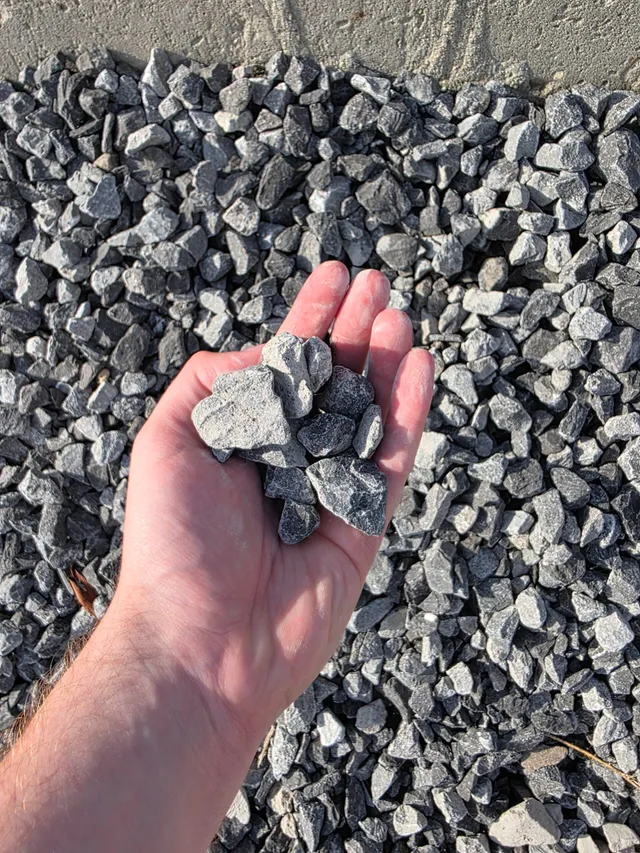
Driveway Gravel
Driveways & Parking areas
See delivered price
View product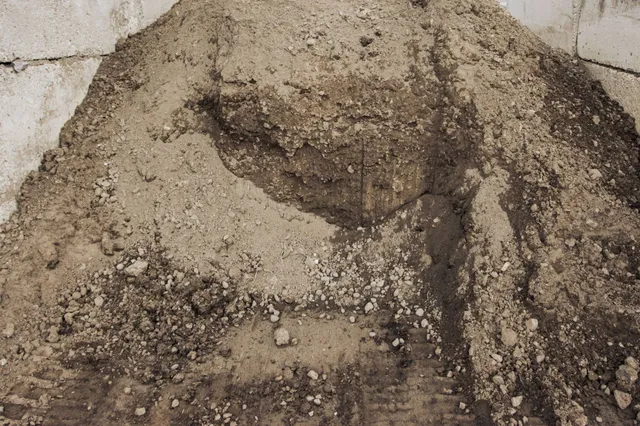
Fill Dirt
Grading & Backfill
See delivered price
View product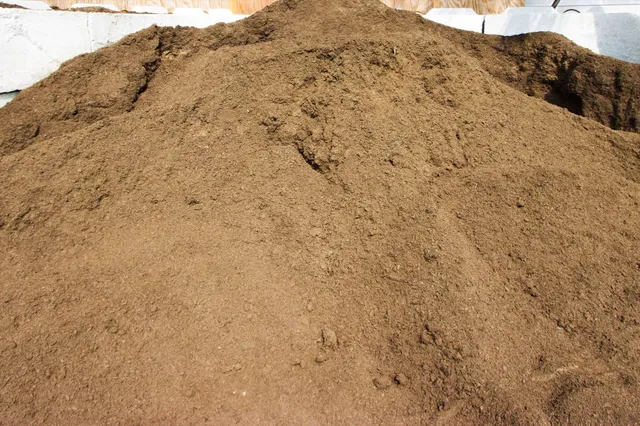
Topsoil
Lawn establishment & Garden beds
See delivered price
View product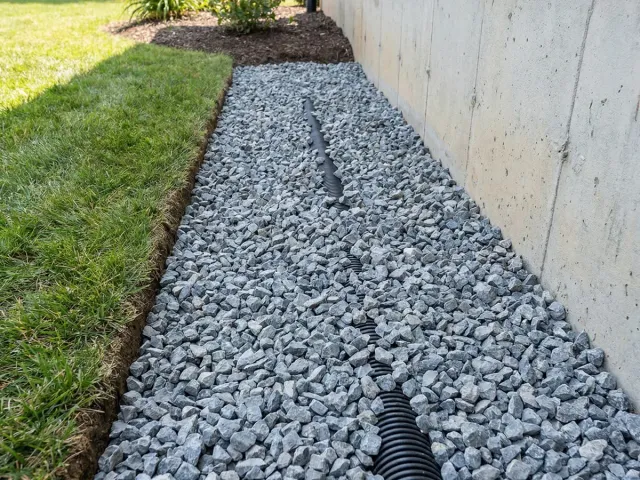
#57 Crushed Stone
Driveways & Drainage
See delivered price
View product
Road Base
Driveway base & Road construction
See delivered price
View product