
Pea Gravel vs River Rock (Drainage and Cost Guide)
Free local estimate
See delivered prices for your ZIP in 60 seconds
Tell us where the project is and we'll price this material — delivered — for your exact ZIP.
- Real delivered pricing for your ZIP — not a generic range.
- Works for any quantity — driveways, pads, drains, or full projects.
- Prefer to talk? We follow up with local availability and delivery windows.
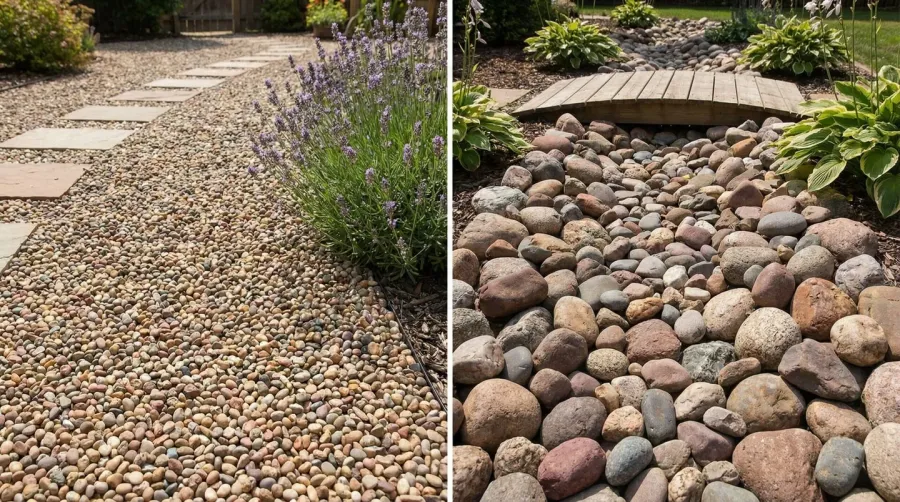
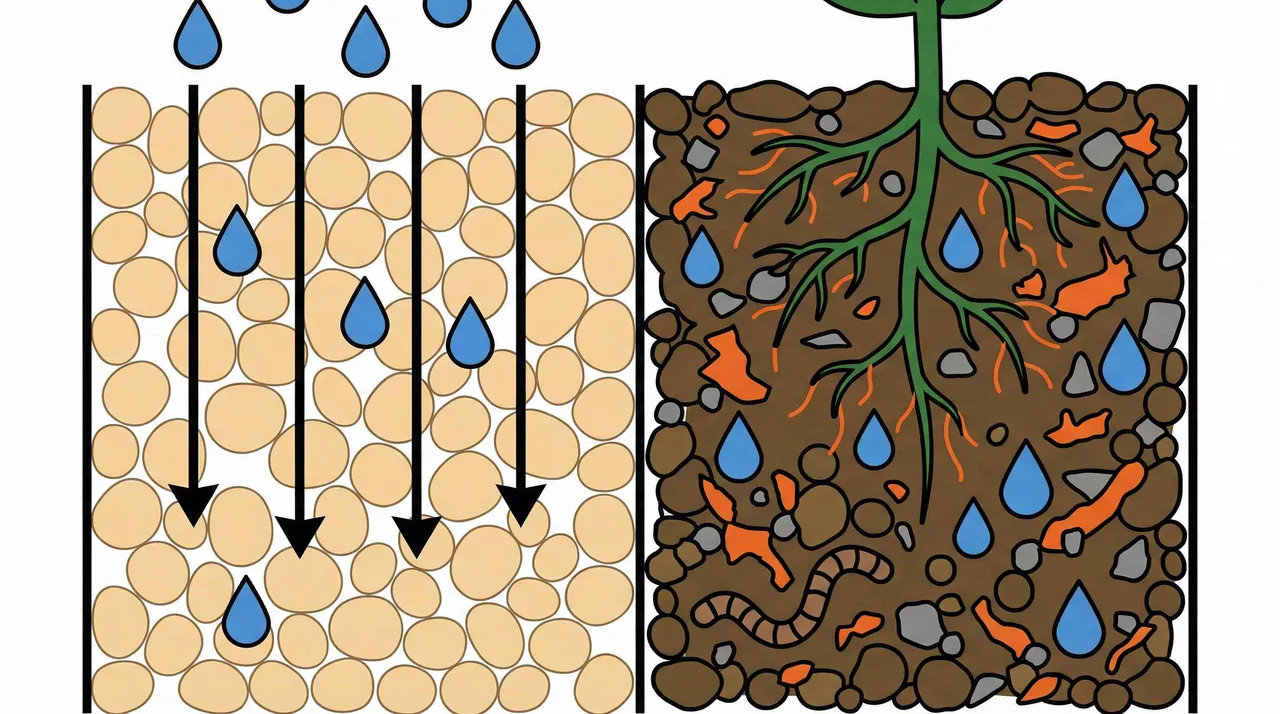
Choosing between pea gravel and river rock for your landscaping project can feel overwhelming. Both materials offer excellent drainage and visual appeal, but they serve different purposes and come with distinct advantages. Pea gravel typically costs 20-30% less than river rock and provides superior drainage due to its smaller size, while river rock offers better stability and a more natural appearance for decorative features.
The key difference lies in size and application. Pea gravel measures 3/8 to 1/2 inch in diameter, making it perfect for pathways and areas requiring good water flow. River rock ranges from 1 to 2 inches, providing excellent erosion control and visual impact in garden beds and water features.
Quick Answer: For drainage-focused projects like French drains or permeable surfaces, choose pea gravel. For decorative landscaping and erosion control, river rock performs better despite the higher cost.
About Hello Gravel
Hello Gravel delivers bulk gravel, rock, dirt, and sand by the ton. Enter your ZIP code to see prices with delivery included. A local dump-truck driver places the load where access is safe; spreading is not included.
Understanding pea gravel characteristics
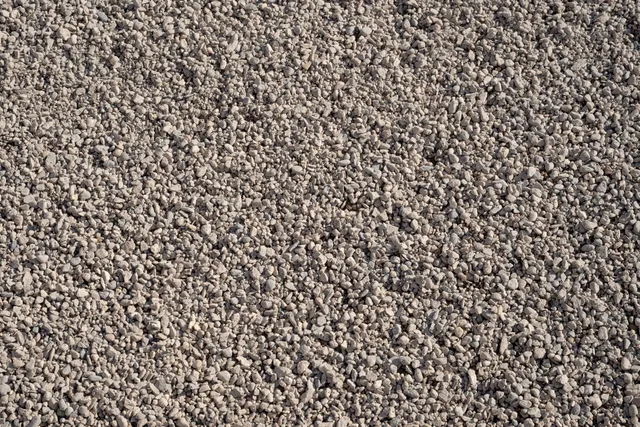
Pea gravel gets its name from its small, rounded stones that resemble peas in size. These naturally smooth stones form through years of water erosion in riverbeds, creating their characteristic polished appearance. The continuous tumbling action removes sharp edges, resulting in comfortable walking surfaces.
This material typically ranges from 1/4 inch to 5/8 inch in diameter, with most applications using the 3/8-inch size. The rounded shape allows stones to compact well while maintaining excellent drainage properties. You’ll find pea gravel in colors ranging from white and cream to gray and tan, though the color selection is more limited compared to river rock.
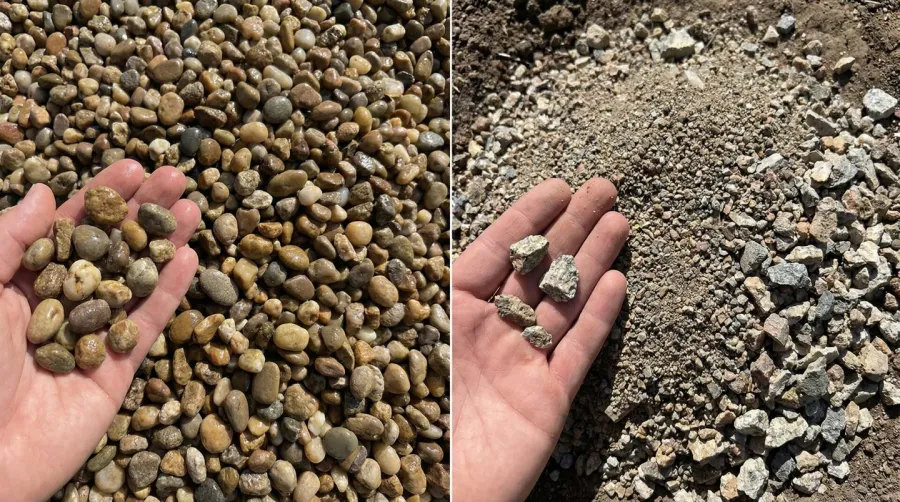
Installation proves straightforward since the small size makes handling and spreading easier. The lightweight nature reduces transportation costs and allows for DIY installation in most residential projects. However, the small stones can shift underfoot and may require periodic maintenance to maintain clean edges.
River rock properties and formation
River rock forms through the same erosion process as pea gravel but over longer periods, creating larger, more varied stones. These rocks typically measure 1 to 3 inches in diameter, though sizes can range up to 6 inches for decorative applications. The extended erosion time produces stones with more character and unique shapes.
The size variation creates visual interest that many homeowners prefer for decorative landscaping. River rock comes in an impressive color range including browns, grays, blacks, reds, and even blues or greens depending on the source location. This variety allows for creative design possibilities that complement different architectural styles.
Weight becomes a significant factor with river rock. The larger stones stay in place better during heavy rains or foot traffic, making them ideal for areas prone to erosion. However, this same weight increases transportation costs and makes installation more labor-intensive compared to pea gravel.
Cost comparison and budget considerations
Pea gravel typically costs between $30 to $50 per ton, while river rock ranges from $50 to $80 per ton. The price difference stems from several factors including extraction difficulty, transportation weight, and processing requirements. Pea gravel’s smaller size allows for more efficient bulk handling, reducing overall costs.
Installation costs also favor pea gravel due to easier handling and spreading. Most homeowners can install pea gravel themselves with basic tools, while river rock often requires professional installation or additional labor. The weight difference means more trips for DIY projects or higher delivery fees for bulk orders.
| Material | Cost per Ton | Coverage per Ton | Installation Difficulty |
|---|---|---|---|
| Pea Gravel | $30-$50 | 100-120 sq ft | Easy (DIY friendly) |
| River Rock | $50-$80 | 80-100 sq ft | Moderate to Hard |
Long-term maintenance costs remain low for both materials. Pea gravel may require occasional replenishment in high-traffic areas where stones scatter, while river rock typically stays in place longer. Both materials resist weathering and don’t require replacement for decades when properly installed.
Best applications for each material
Pea gravel excels in functional applications where drainage takes priority. French drains, permeable driveways, and pathway bases benefit from the excellent water flow between small stones. The material works perfectly for dog runs and playground surfaces where you need comfortable footing with good drainage.
For decorative purposes, pea gravel creates clean, uniform surfaces that complement modern landscape designs. It works well around plants as a mulch alternative, though you’ll need edging to prevent spreading. The neutral colors blend with most color schemes without overwhelming other design elements.
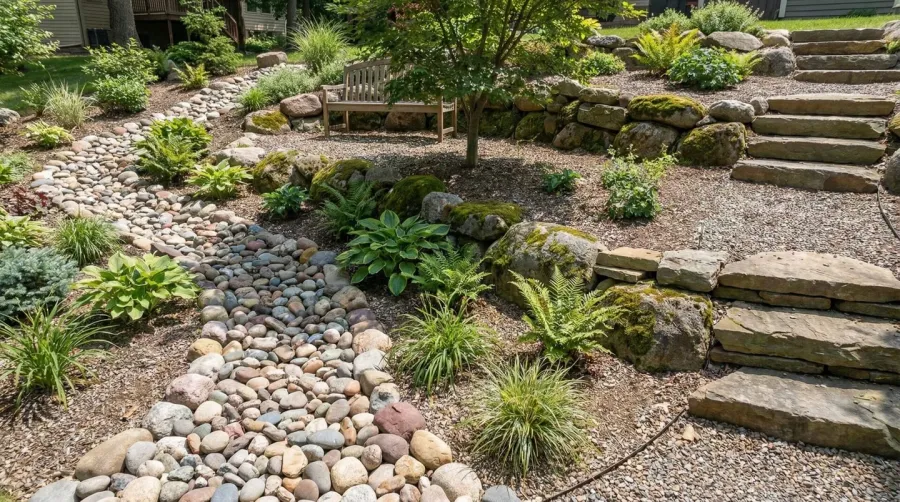
River rock shines in decorative and erosion control applications. Dry creek beds, water feature surrounds, and accent borders showcase the natural beauty of larger stones. The varied sizes and colors create visual texture that adds interest to garden beds and landscape focal points.
Application Guide: Choose pea gravel for functional drainage needs and uniform surfaces. Select river rock for decorative impact and areas requiring erosion control or natural aesthetics.
Slope stabilization and erosion control favor river rock due to its weight and interlocking properties. The larger stones resist movement during heavy rains, making them ideal for hillside landscaping or areas with water runoff challenges. River rock also works well as mulch around trees and shrubs where the larger size prevents easy displacement.
Making the right choice for your project
Your decision between pea gravel and river rock should align with your project’s primary purpose and budget constraints. Consider drainage requirements first since this often determines the best material choice. Projects requiring maximum water flow benefit from pea gravel’s smaller size and better permeability.
Budget considerations extend beyond initial material costs to include installation and long-term maintenance. While pea gravel costs less upfront, factor in potential replacement needs in high-traffic areas. River rock’s higher initial cost may prove economical for permanent decorative installations.
Think about the visual impact you want to achieve. Pea gravel creates subtle, uniform backgrounds that highlight other landscape elements. River rock makes bold statements and can serve as focal points in garden design. Consider your home’s architectural style and existing landscape elements when making this aesthetic choice.
Understanding the various benefits and uses of pea stones gravel can help you determine if it’s the right fit for your specific needs. If you’re considering using pea gravel for hardscaping projects, learn more about whether pea gravel works as a paver base to ensure proper installation.
Both materials offer excellent longevity and low maintenance requirements when properly installed. Your local climate, intended use, and personal preferences will ultimately guide the best choice for your specific landscaping needs. Consider starting with a small test area to evaluate how each material performs in your particular application before committing to larger quantities.
FAQ
Which is better for drainage: pea gravel or river rock?
Pea gravel is superior for drainage applications due to its smaller size (3/8 to 1/2 inch) which allows for excellent water flow between stones. The uniform shape creates consistent gaps that prevent water pooling, making it ideal for French drains, permeable driveways, and areas requiring good water percolation. River rock provides adequate drainage but is better suited for erosion control rather than maximum water flow.
What’s the cost difference between pea gravel and river rock?
Pea gravel typically costs $30-50 per ton, while river rock ranges from $50-80 per ton, making pea gravel 20-30% more affordable. The price difference stems from easier extraction, lighter weight for transportation, and simpler processing. Additionally, pea gravel covers more area per ton (100-120 sq ft) compared to river rock (80-100 sq ft), providing better value for large projects.
Which material is better for garden pathways?
Pea gravel is generally better for garden pathways due to its comfortable walking surface, ability to compact well, and smooth rounded edges that won’t hurt bare feet. The uniform size creates stable footing, while the lower cost makes it practical for longer paths. River rock can work for decorative pathways but requires proper edging to prevent stone displacement and may be less comfortable for regular foot traffic.
Can I use both pea gravel and river rock together in landscaping?
Yes, combining both materials creates excellent design opportunities. A popular approach is using pea gravel for functional areas like pathways and drainage, while incorporating river rock for decorative borders, accent features, or erosion control zones. You can also layer them with river rock as edging to contain pea gravel surfaces, or use river rock in garden beds with pea gravel pathways connecting different areas.
Materials for this project
Get it delivered — dumped where you need it
3/8" Natural Pea Gravel
Landscaping & Walkways
See delivered price
View product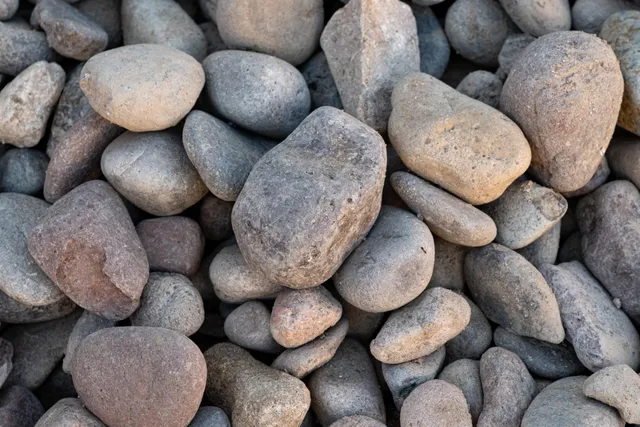
River Rock
Landscaping & Dry creek beds
See delivered price
View product
Driveway Gravel
Driveways & Parking areas
See delivered price
View product
Fill Dirt
Grading & Backfill
See delivered price
View product
Topsoil
Lawn establishment & Garden beds
See delivered price
View product