
Can You Use Pea Gravel for Paver Base? Pros and Cons
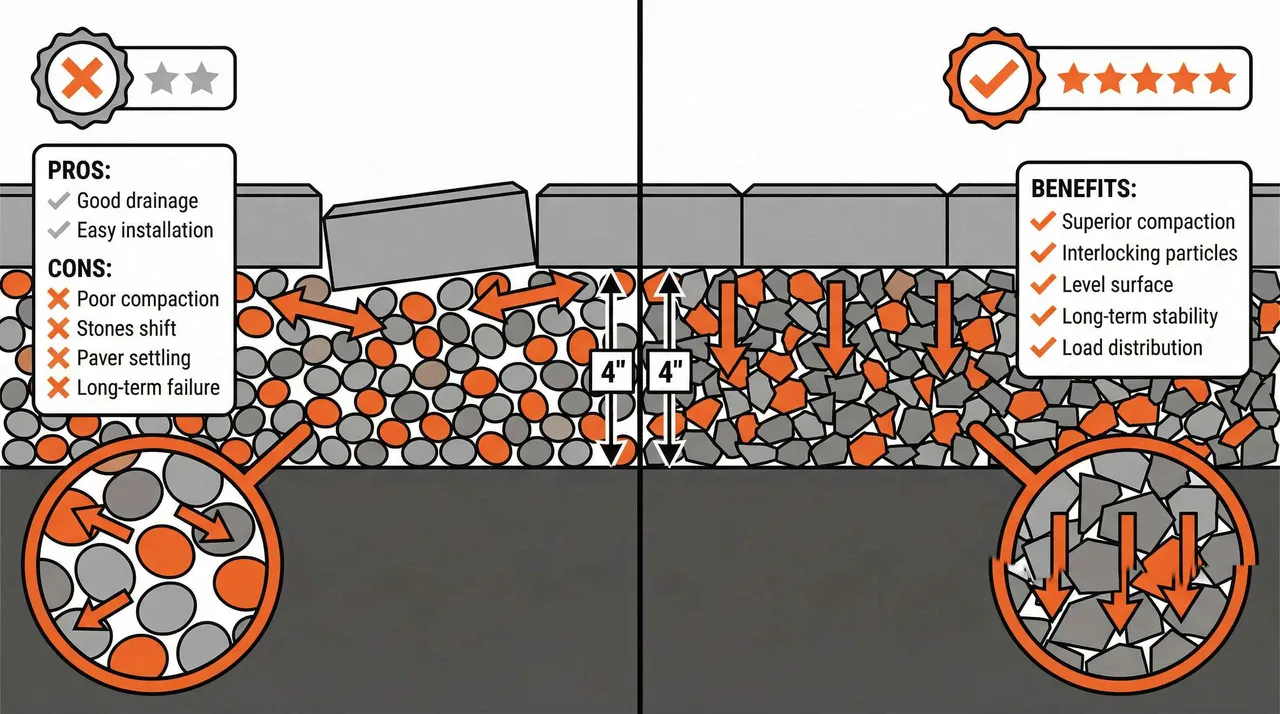
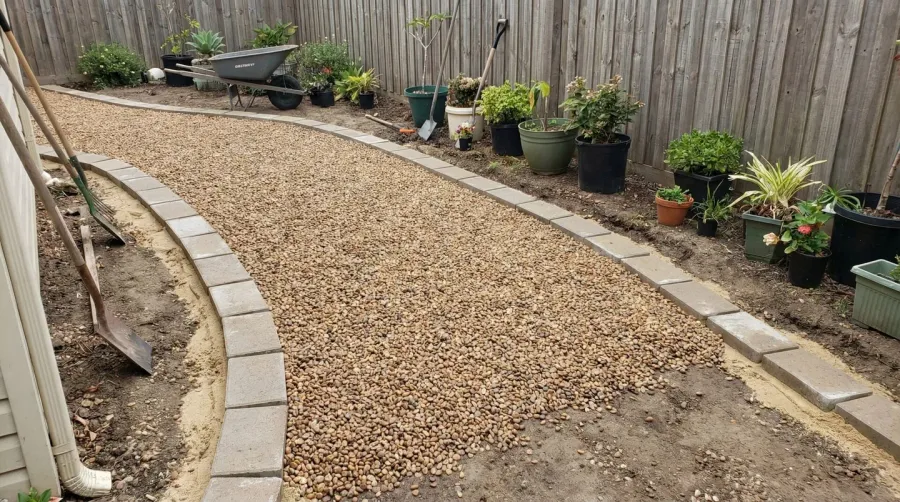
You’re planning a paver patio and wondering if pea gravel can serve as your base material. The short answer is that while pea gravel has some appealing qualities, it’s generally not the best choice for a structural paver base due to its rounded shape and tendency to shift under weight.
However, this doesn’t mean pea gravel is completely off the table for your project. With the right modifications and understanding of its limitations, you might still find ways to incorporate it effectively. Let’s explore when pea gravel works, when it doesn’t, and what alternatives might serve you better.
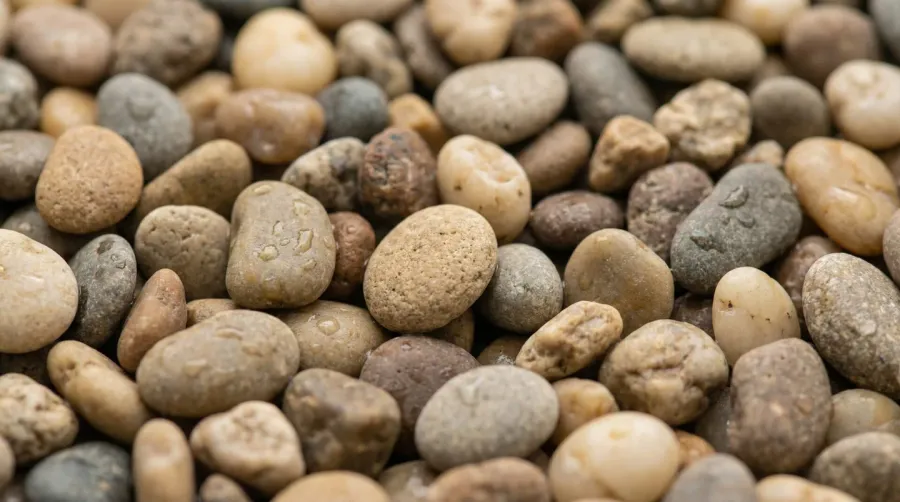
Quick fact: Pea gravel gets its name from its small, rounded shape that resembles garden peas, typically measuring under 5/8 inch in diameter.
About Hello Gravel
Hello Gravel delivers bulk gravel, rock, dirt, and sand by the ton. Enter your ZIP code to see prices with delivery included. A local dump-truck driver places the load where access is safe; spreading is not included.
What makes pea gravel appealing for landscaping
Pea gravel has earned its popularity in landscaping for several good reasons. Its naturally rounded stones create an attractive, smooth appearance that comes in various earth tones including tan, brown, white, red, and grey. When you walk on it, you get that satisfying crunch underfoot that many homeowners love.
The material excels at drainage since water flows easily between the rounded pebbles. You can spread, rake, and shape it without much effort, making installation relatively straightforward. Unlike some other materials, pea gravel won’t encourage weed growth the way decomposed granite might.
These characteristics make pea gravel excellent for garden beds, decorative pathways, and areas where you want good drainage with visual appeal. But when it comes to supporting the weight and stability requirements of pavers, different challenges emerge.
Why pea gravel struggles as a paver base
The same rounded shape that makes pea gravel attractive creates problems when you need structural stability. Those smooth, rounded stones don’t interlock with each other the way angular crushed stone does. Instead, they tend to roll and shift under pressure, which means your pavers can become uneven over time.
Small gravel like pea gravel also packs down unevenly, creating an inconsistent surface that doesn’t provide uniform support. The excellent drainage that works well for gardens can actually work against you here, as water flow can wash out fine particles and create voids beneath your pavers.
To achieve adequate stability with pea gravel alone, you’d need to install much deeper lifts than with proper base materials, which increases both cost and complexity of your project.
Important consideration: Most paver manufacturers recommend angular crushed stone for base applications because it compacts and interlocks better than rounded materials.
Methods to improve pea gravel performance
If you’re determined to use pea gravel in your paver base, several modifications can help improve its performance. Combining it with crushed stone creates better interlocking properties. Adding about one inch of minus crushed rock to your pea gravel mix helps stabilize the base.
Using larger pea gravel sizes, such as 3/8 inch or 1/2 inch instead of 1/4 inch, provides better resistance to shifting. Some contractors mix in 10 to 15 percent Portland cement to bond the pea gravel pieces together, though this reduces drainage benefits.
Edge restraints become crucial when using pea gravel, as they prevent the material from spreading outward under load. Compacting in thin lifts of about 2 inches and limiting total depth to 2 to 3 inches can also help. Installing landscape fabric beneath the pea gravel layer provides separation and containment.
These modifications can make pea gravel workable for lighter applications like garden paths or low-traffic patios, but they add complexity and cost to your project.
Better alternatives for paver bases
For most paver installations, angular crushed stone provides superior performance as a base material. Materials like crushed limestone or granite create excellent interlocking when compacted, providing the stable foundation your pavers need.
The table below compares key characteristics of different base materials:
| Material | Compaction | Drainage | Stability | Cost |
|---|---|---|---|---|
| Pea Gravel | Poor | Excellent | Poor | Low |
| Crushed Stone | Excellent | Good | Excellent | Moderate |
| Concrete Slab | N/A | Poor | Excellent | High |
Crushed stone in sizes like 3/4 inch minus or road base aggregate offers the angular edges that lock together under compaction. These materials cost slightly more than pea gravel but provide much better long-term performance for paver applications.
For heavy-duty applications or areas with poor soil conditions, a concrete slab base might be worth the additional investment, though it eliminates the drainage benefits that make gravel bases appealing in the first place.
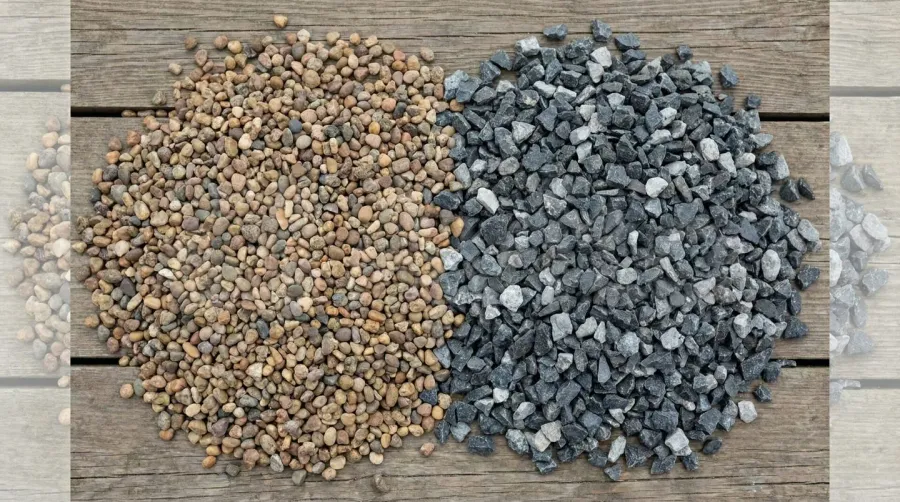
Pro tip: If you love the look of pea gravel, consider using crushed stone for your base and pea gravel as decorative fill between pavers or in adjacent garden areas.
When planning your paver project, consider your specific needs for drainage, traffic load, and budget. While pea gravel has its place in landscaping, understanding its limitations helps you make the best choice for a stable, long-lasting paver installation. For most applications, investing in proper angular base material will save you maintenance headaches and ensure your pavers stay level and secure for years to come. If you’re interested in exploring other specialized uses of pea gravel, there are many applications where this versatile material truly shines.
FAQ
Can you use pea gravel under pavers?
Pea gravel is not recommended as a primary base under pavers due to its rounded shape that causes shifting and poor stability. However, it can work for light-duty applications like garden paths when combined with crushed stone, edge restraints, and proper compaction in 2-inch lifts. For best results, use angular crushed stone as your main base material.
What is the best gravel for paver base?
The best gravel for paver base is angular crushed stone, such as 3/4-inch minus crushed limestone or granite. This material should be installed 4-6 inches deep and compacted in lifts over geotextile fabric. The angular edges interlock when compacted, providing the stable foundation that pavers need for long-term performance.
How do you stabilize pea gravel under pavers?
To stabilize pea gravel under pavers, mix it with 1-inch crushed rock, use larger 3/8-inch pea gravel instead of smaller sizes, add 10-15% Portland cement for bonding, install metal or plastic edge restraints, compact in thin 2-3 inch layers, and place landscape fabric underneath. Limit total pea gravel depth to 2-3 inches for patio applications.
Can pea gravel be used between pavers?
Yes, pea gravel works excellently as joint fill between pavers after installing a proper stable base of crushed stone and sand. Use pea gravel as a decorative top layer that provides good drainage and attractive aesthetics. Install edge restraints to prevent the pea gravel from spreading beyond the paved area.
Materials for this project
Get it delivered — dumped where you need it
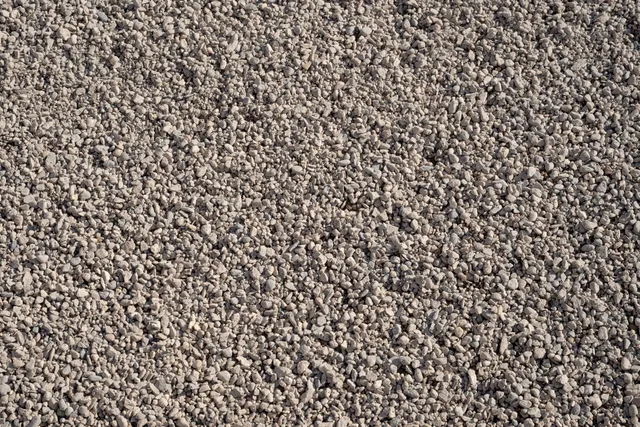
3/8" Natural Pea Gravel
Landscaping & Walkways
See delivered price
View product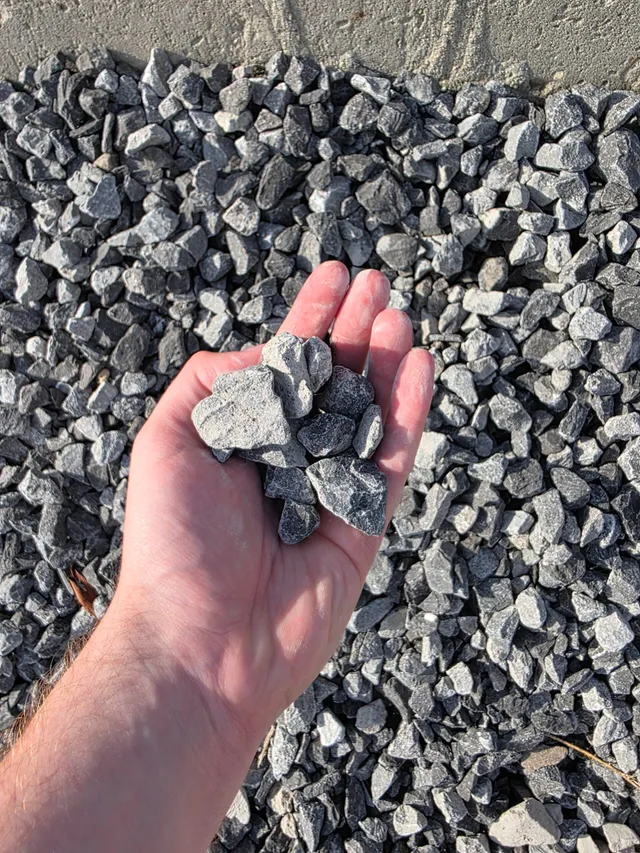
Driveway Gravel
Driveways & Parking areas
See delivered price
View product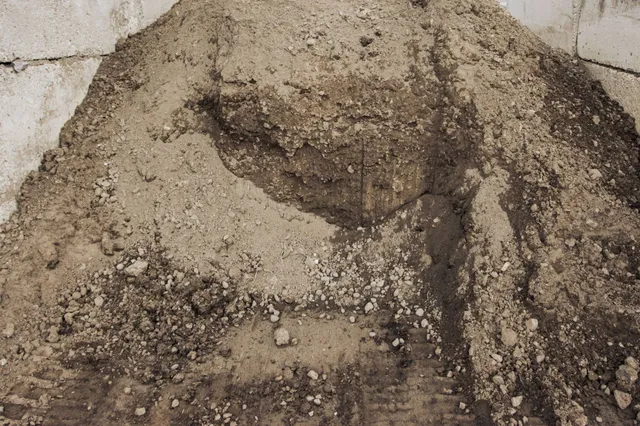
Fill Dirt
Grading & Backfill
See delivered price
View product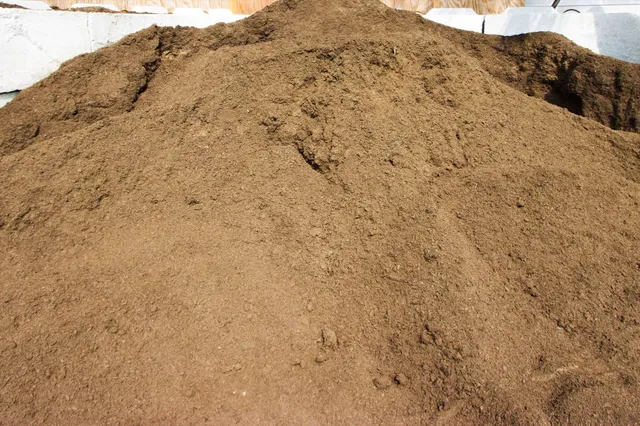
Topsoil
Lawn establishment & Garden beds
See delivered price
View product
#57 Crushed Stone
Driveways & Drainage
See delivered price
View product