
Pea Gravel vs Decomposed Granite (Which to Choose)
Free local estimate
See delivered prices for your ZIP in 60 seconds
Tell us where the project is and we'll price this material — delivered — for your exact ZIP.
- Real delivered pricing for your ZIP — not a generic range.
- Works for any quantity — driveways, pads, drains, or full projects.
- Prefer to talk? We follow up with local availability and delivery windows.
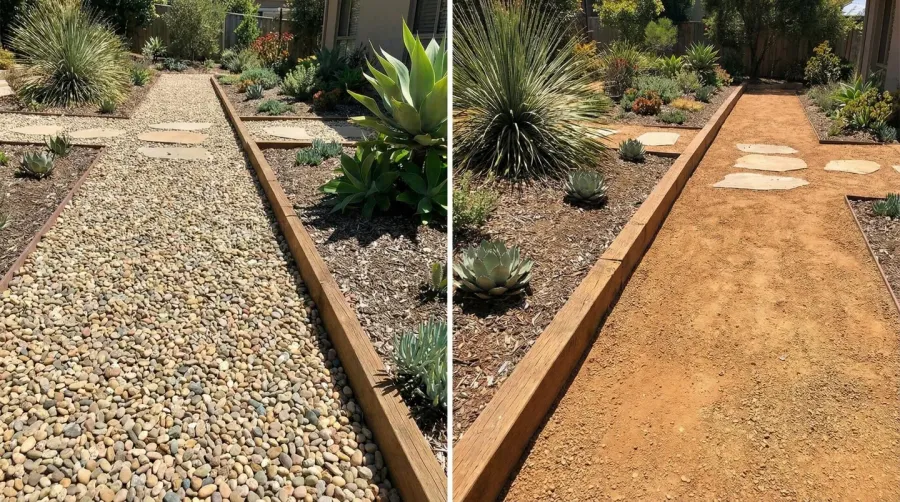
Choosing between pea gravel and decomposed granite for your landscaping project can feel overwhelming. Both materials offer unique benefits, but understanding their differences will help you make the right decision for your specific needs and budget.
Either material can be ordered without a trip to the yard: you can buy decorative gravel online with home delivery and have it dropped where you mark it.
Quick answer: Pea gravel works best for decorative applications and areas with light foot traffic, while decomposed granite excels in high-traffic areas like driveways and walkways where stability matters most.
Pro tip: Pea gravel costs $30-35 per cubic yard and offers excellent drainage, while decomposed granite runs $40-50 per cubic yard but provides superior stability when compacted properly.
Let me walk you through everything you need to know about these popular landscaping materials so you can choose with confidence.
About Hello Gravel
Hello Gravel delivers bulk gravel, rock, dirt, and sand by the ton. Enter your ZIP code to see prices with delivery included. A local dump-truck driver places the load where access is safe; spreading is not included.
Understanding the basics of each material
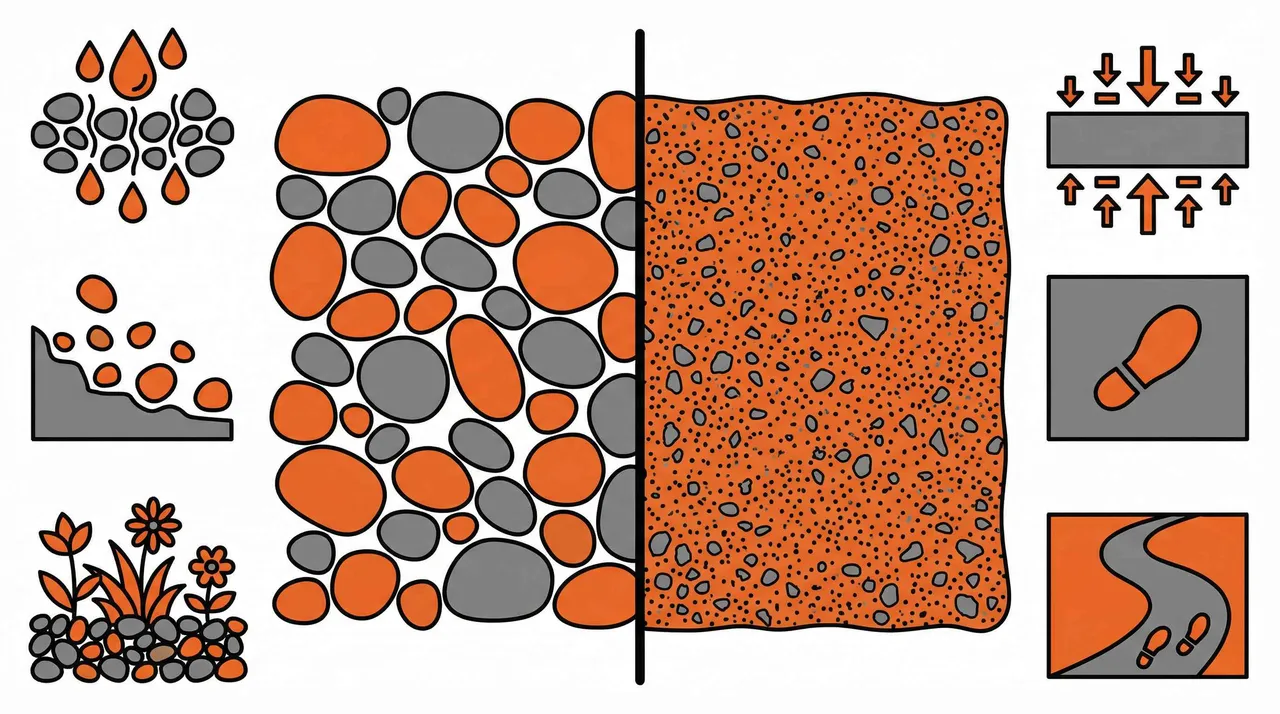
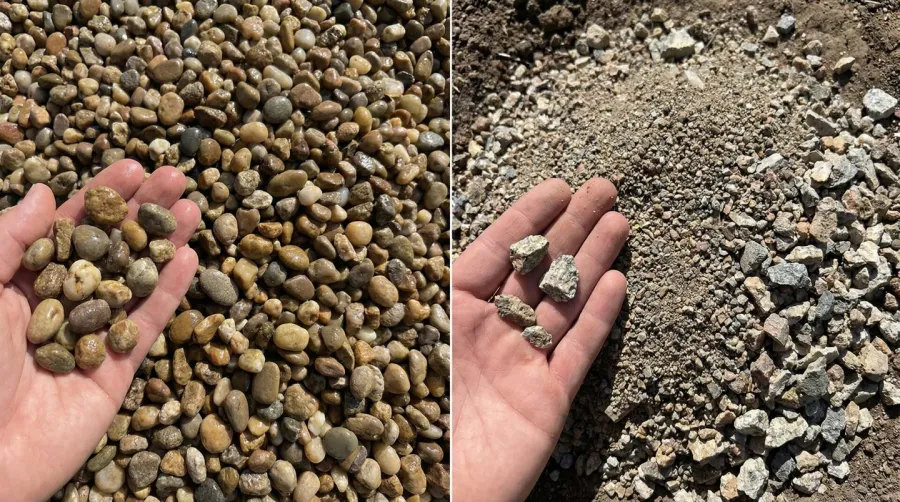
Pea gravel consists of small, rounded stones typically measuring 3/8 to 5/8 inches in diameter. These smooth stones come from natural weathering processes and are available in various colors including grey, beige, brown, and even red options.
The rounded shape makes pea gravel comfortable to walk on, even in bare feet. Water flows easily through the spaces between stones, making it excellent for drainage applications. However, this same characteristic means pea gravel can shift and spread without proper edging.
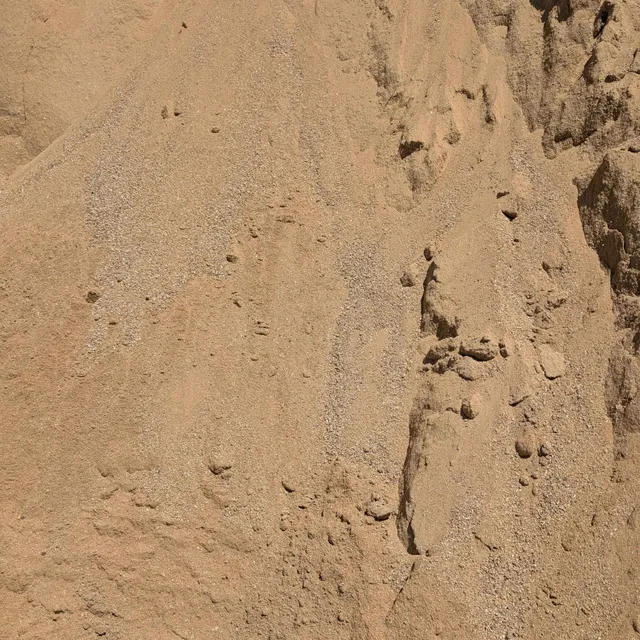
Decomposed granite (often called DG) is a mixture of granite particles, fine sand, and silt that creates a more compact surface. When properly installed and compacted, it forms a stable, natural-looking surface that resembles packed earth.
DG offers good permeability while maintaining structural integrity under foot traffic. The material typically comes in earthy tones of brown, tan, and grey that complement most architectural styles.
Cost comparison and budget considerations
Your budget plays a crucial role in material selection, and there are notable differences between these options.
| Feature | Pea Gravel | Decomposed Granite |
|---|---|---|
| Cost per cubic yard | $30-35 | $40-50 |
| Installation difficulty | Easy (DIY-friendly) | Moderate (may need equipment) |
| Long-term maintenance | Periodic replenishment | Occasional recompacting |
Pea gravel’s lower upfront cost makes it attractive for larger areas or tight budgets. Installation is straightforward since you simply spread and rake the material into place. The main ongoing expense involves adding fresh gravel every few years as stones gradually migrate or get embedded in soil.
Decomposed granite costs more initially and may require professional installation or equipment rental for proper compacting. However, once installed correctly, it typically needs less frequent maintenance than pea gravel.
Budget insight: Factor in edging costs for pea gravel projects, as proper containment prevents material loss and reduces long-term replacement needs.
Installation requirements and process
The installation process differs significantly between these materials, affecting both cost and project timeline.
Pea gravel installation starts with basic ground preparation including vegetation removal and leveling. You’ll need to install edging or borders to contain the material and prevent spreading. Metal, stone, or flexible plastic edging all work well for this purpose.
After spreading the gravel to your desired depth (typically 2-3 inches), rake it level and you’re essentially done. The loose nature of pea gravel means no compacting is required. If you’re considering using pea gravel as a base for pavers, keep in mind that its shifting nature may not provide the stability needed for such applications.
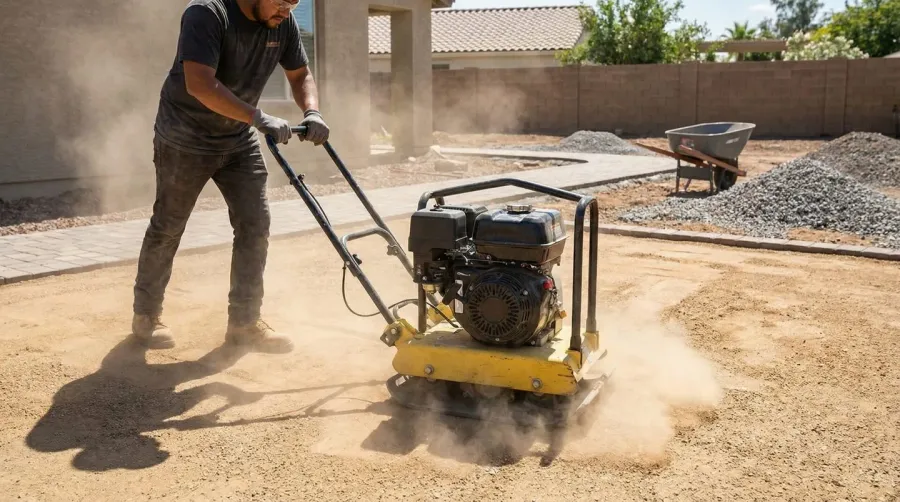
Decomposed granite installation requires more intensive preparation and equipment. After ground prep, you’ll spread the DG and then compact it using a plate compactor or hand tamper. This compaction step is critical for achieving the stable, firm surface that makes DG valuable.
Proper compaction may require multiple passes and light water misting to achieve optimal density. Without adequate compaction, DG can become loose and dusty, losing its primary advantage over pea gravel.
Best applications for each material
Understanding where each material performs best helps you match the right option to your specific project needs.
Pea gravel excels in: – Garden pathways and decorative areas – Around plants and trees as an attractive mulch alternative – Drainage applications and French drains – Play areas (comfortable for children) – Areas with light foot traffic
Decomposed granite works best for: – Driveways and parking areas – High-traffic walkways and patios – Sports courts and recreational surfaces – Areas requiring wheelchair accessibility – Slopes where erosion control matters
Consider your primary use when making this decision. If you’re creating a charming garden path that sees occasional use, pea gravel’s aesthetic appeal and comfort make it ideal. For a driveway that handles daily vehicle traffic, decomposed granite’s stability becomes essential.
The maintenance requirements also differ based on application. Pea gravel in decorative beds needs occasional raking and replenishment. DG in driveways may need periodic recompacting after heavy rains or extended use. For those working on specialized contractor projects, understanding these nuances becomes even more critical.
Application tip: You can combine both materials in larger projects, using DG for main traffic areas and pea gravel for decorative accents and garden features.
Both pea gravel and decomposed granite offer valuable benefits for different landscaping scenarios. Your choice ultimately depends on balancing factors like budget, intended use, maintenance preferences, and aesthetic goals. Pea gravel provides an affordable, attractive option for lighter applications, while decomposed granite delivers the durability needed for demanding installations. To explore more about the comprehensive benefits and uses of pea gravel, consider your specific project requirements and you’ll find the right material to create the outdoor space you envision.
FAQ
What is the difference between pea gravel and decomposed granite?
Pea gravel consists of small, rounded stones (3/8 to 5/8 inches) that provide excellent drainage and comfort for walking, while decomposed granite is a mixture of granite particles, fine sand, and silt that compacts into a stable, firm surface. Pea gravel is best for decorative applications and light foot traffic, whereas decomposed granite excels in high-traffic areas like driveways and walkways.
Which is more comfortable to walk on barefoot – pea gravel or decomposed granite?
Pea gravel is significantly more comfortable to walk on barefoot due to its smooth, rounded stones. The natural weathering process creates stones without sharp edges, making it ideal for play areas and garden paths. Decomposed granite has a coarser, gritty texture that can be uncomfortable for bare feet but provides better stability for regular foot traffic with shoes.
How much does pea gravel cost compared to decomposed granite?
Pea gravel typically costs $30-35 per cubic yard, while decomposed granite runs $40-50 per cubic yard. While pea gravel has a lower upfront cost and is easier to install as a DIY project, decomposed granite may require professional installation or equipment rental for proper compacting, but generally needs less frequent maintenance once properly installed.
What are the best applications for pea gravel versus decomposed granite?
Pea gravel works best for garden pathways, decorative areas around plants, drainage applications, play areas, and areas with light foot traffic. Decomposed granite is ideal for driveways, high-traffic walkways and patios, sports courts, areas requiring wheelchair accessibility, and slopes where erosion control is important. The choice depends on whether you prioritize aesthetics and comfort (pea gravel) or stability and durability (decomposed granite).
Materials for this project
Get it delivered — dumped where you need it
Decomposed Granite
Pathways & Patios
See delivered price
View product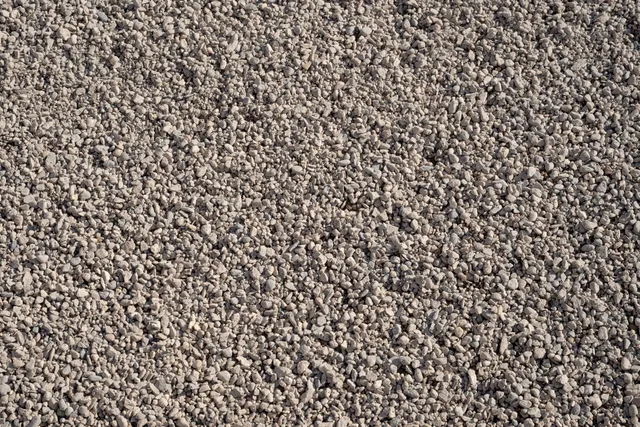
3/8" Natural Pea Gravel
Landscaping & Walkways
See delivered price
View product
Driveway Gravel
Driveways & Parking areas
See delivered price
View product
Fill Dirt
Grading & Backfill
See delivered price
View product
Topsoil
Lawn establishment & Garden beds
See delivered price
View product