Pea Gravel vs Base Material: Which Is Best for Your Project in 2025

Published on: December 18, 2025

Get an estimate for your project in 60 seconds

This field is hidden when viewing the form
Security lock iconYour information is secure


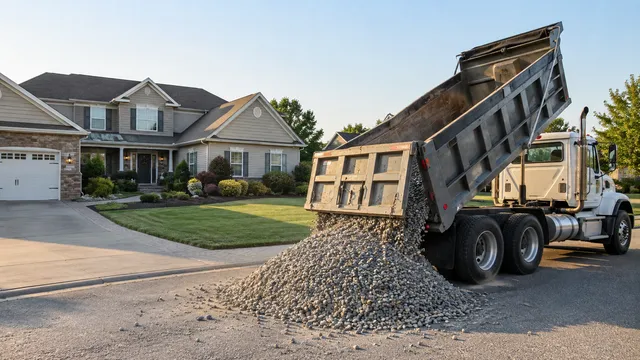
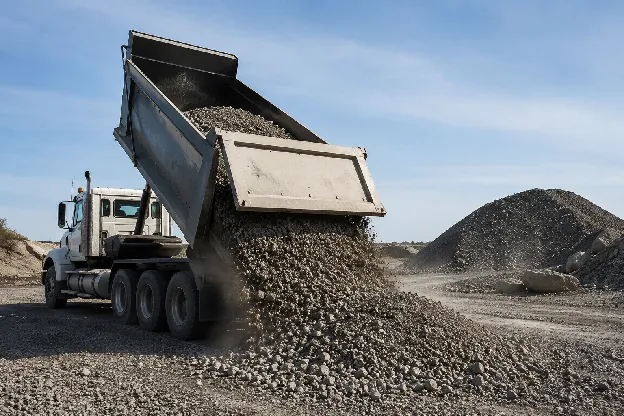
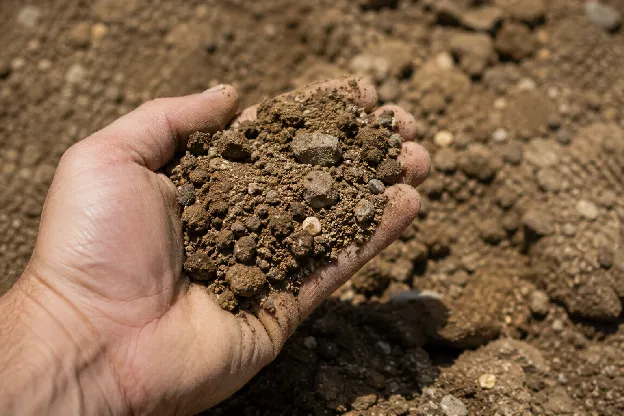
Comparison of pea gravel and base material side by side

When planning your next landscaping or construction project, choosing between pea gravel and base material can make or break your results. These two materials serve different purposes and excel in different applications, making the right choice crucial for project success.

Quick answer: Pea gravel works best for decorative applications like garden paths and playgrounds, while base material excels as a foundation for driveways, patios, and heavy-duty construction projects. Base material typically costs less upfront but requires professional installation, whereas pea gravel offers easier DIY installation with higher material costs.

Key insight: The rounded shape of pea gravel makes it comfortable for walking but poor for compaction, while the angular pieces in base material lock together to create superior stability under load.

What is pea gravel and when should you use it

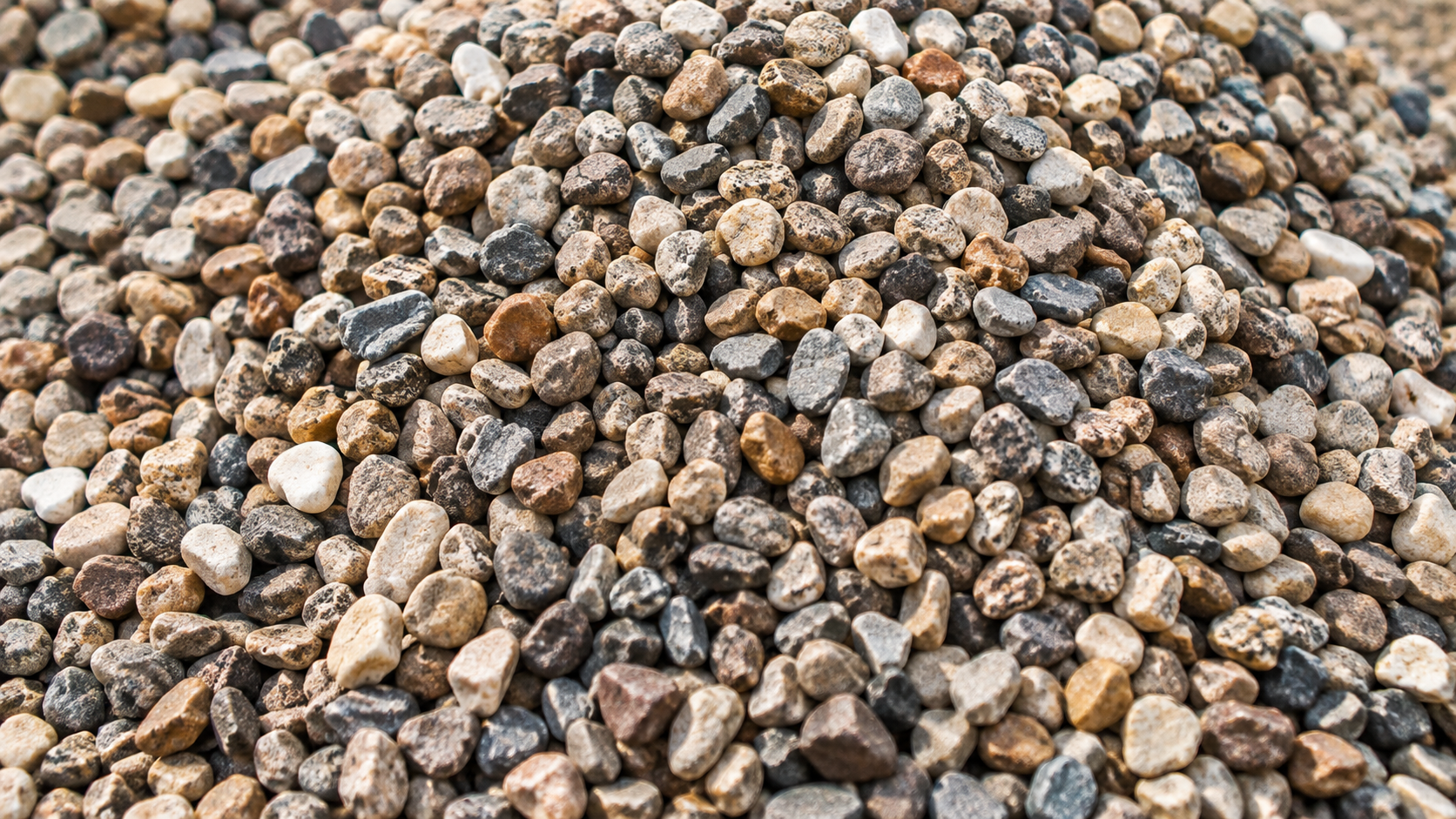
Pea gravel consists of small, naturally rounded stones about 3/8 inch in diameter. These smooth stones form through millions of years of natural weathering and erosion, creating their characteristic pea-like appearance and comfortable texture underfoot.

The material comes in various colors depending on its stone composition. You’ll find limestone varieties in cream and beige tones, granite options with gray and black speckles, and sandstone versions in warm reds and browns. This natural color variation makes pea gravel popular for decorative landscaping projects.

Common applications include garden pathways, decorative mulch around plants, playground surfaces, and patio areas where aesthetics matter more than structural support. The rounded stones provide excellent drainage, making them ideal for areas prone to water accumulation.

However, pea gravel has limitations. The smooth, rounded stones don’t compact well, making them unsuitable for load-bearing applications. They also tend to scatter when walked on frequently, requiring periodic maintenance to keep pathways looking neat.

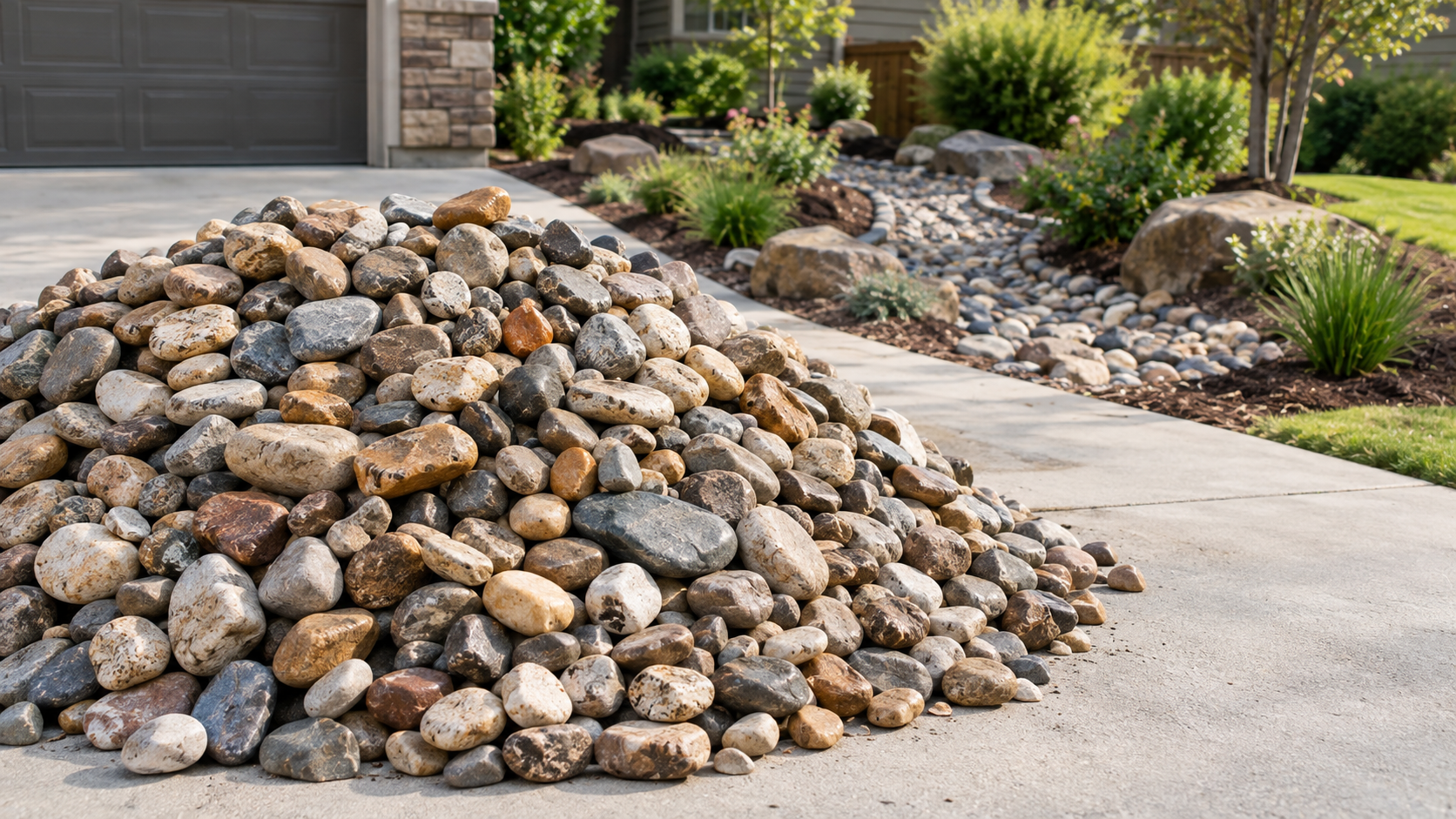
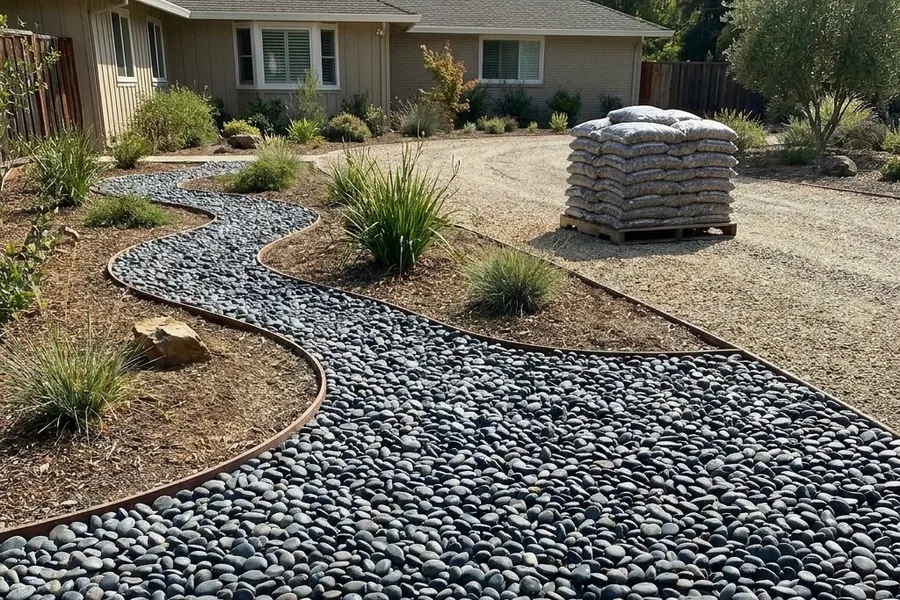
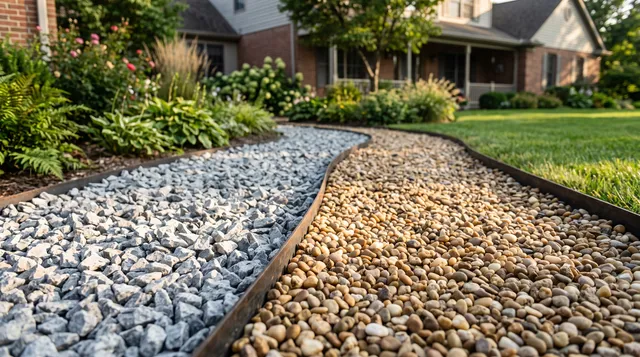
Beautiful pea gravel garden pathway with plants

Understanding base material for construction projects

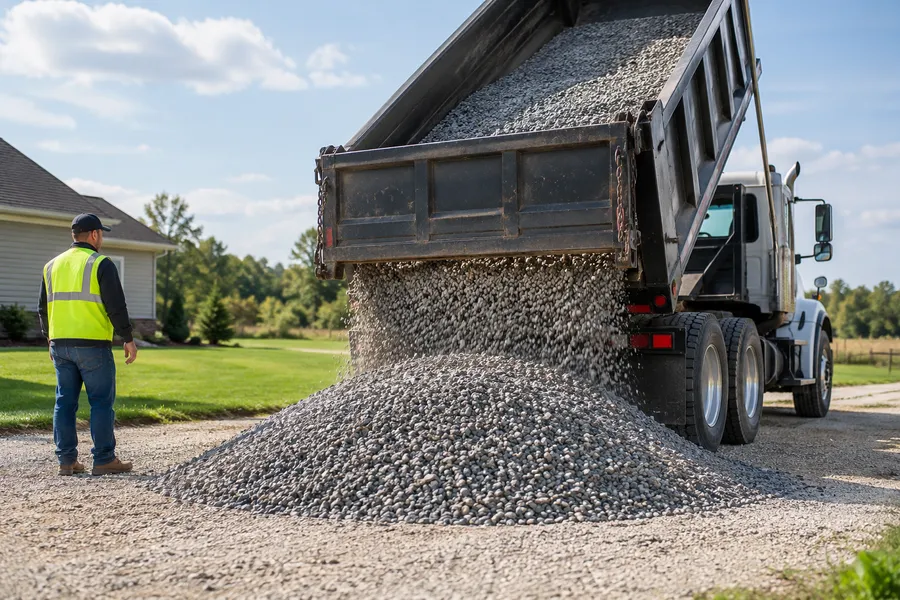
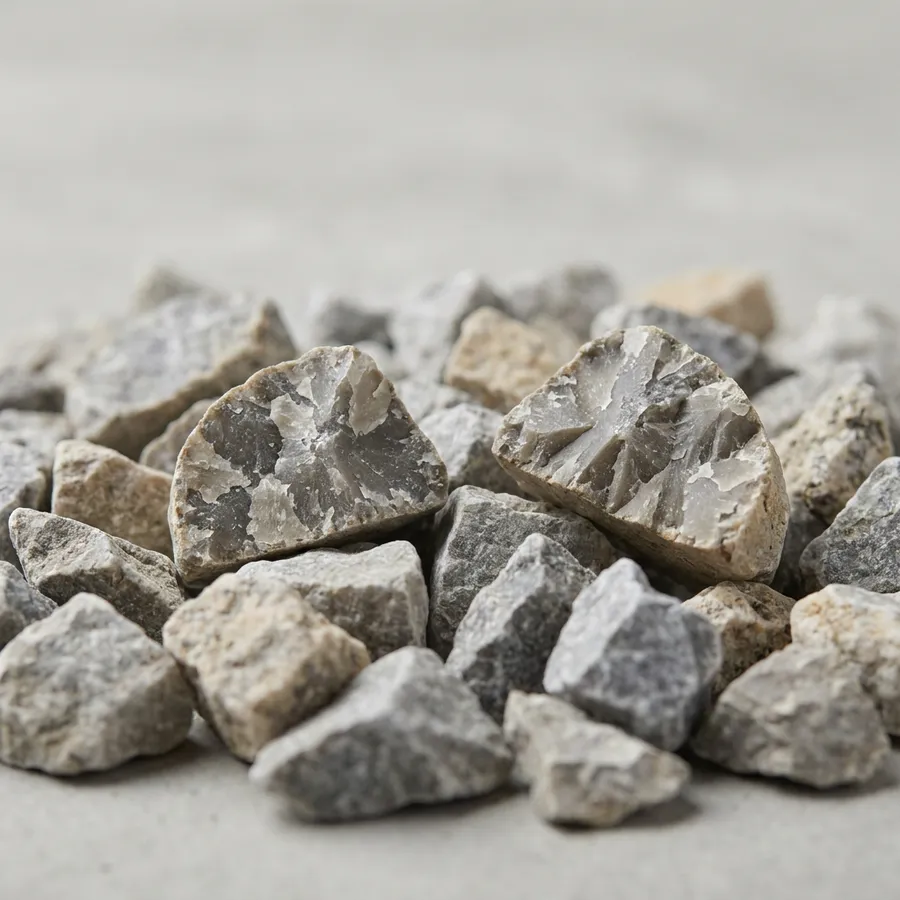
Base material, also called road base or crushed stone, consists of crushed rock processed into various sizes ranging from dust-like particles to larger angular pieces. This size gradation allows the material to compact into an extremely stable foundation.

The angular shape of crushed stones creates interlocking that provides superior load-bearing capacity. When properly compacted, base material can support heavy vehicles, construction equipment, and permanent structures without shifting or settling.

You’ll typically see base material used for driveway foundations, paver installations, building foundations, and road construction. The material excels anywhere you need a solid, stable base that won’t move under pressure.

Pro tip: Proper base material installation requires excavating 8-12 inches deep, adding the material in 4-6 inch lifts, and compacting each layer with mechanical equipment for maximum stability.

The main drawback of base material is its industrial appearance. The gray, angular stones lack the aesthetic appeal of pea gravel, making them unsuitable for visible decorative applications. However, this material typically gets covered with pavers, asphalt, or other finishing materials.

Cost comparison and installation considerations

Base material generally costs less per ton than pea gravel, making it more budget-friendly for large projects. However, installation costs can vary significantly between the two materials.

Factor Pea Gravel Base Material
Material cost Higher per ton Lower per ton
Installation complexity DIY-friendly Requires equipment
Maintenance needs Periodic raking Minimal once set
Lifespan 10+ years 15+ years

Pea gravel installation is straightforward and DIY-friendly. You simply spread the material to your desired depth and rake it level. No special equipment or compaction is required, keeping labor costs low.

Base material installation requires more expertise and equipment. Proper installation involves excavation, grading, adding material in layers, and mechanical compaction. While this increases upfront costs, it creates a foundation that lasts decades with minimal maintenance.

Both materials offer excellent longevity when installed correctly. Pea gravel may need occasional replenishment and raking to maintain appearance, while base material typically requires no maintenance once properly installed and covered.

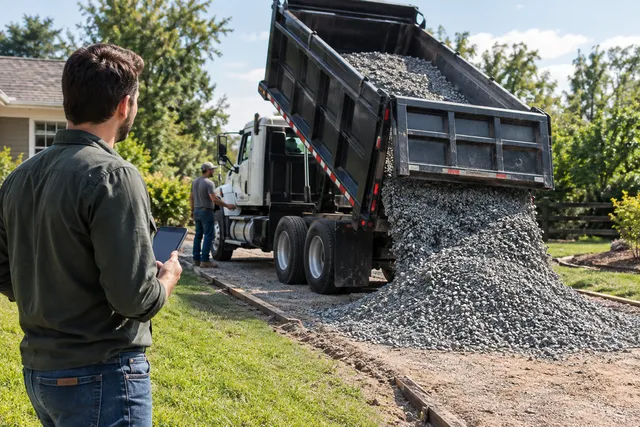
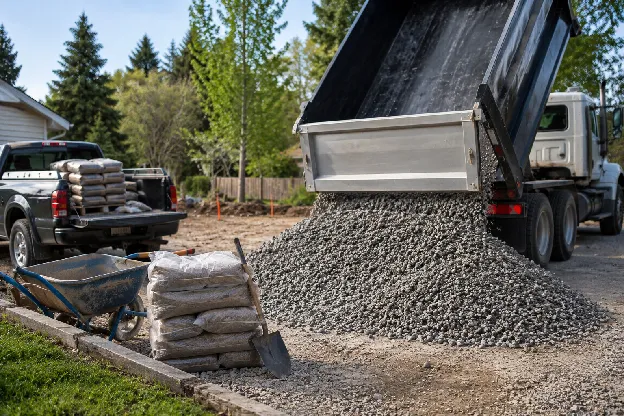
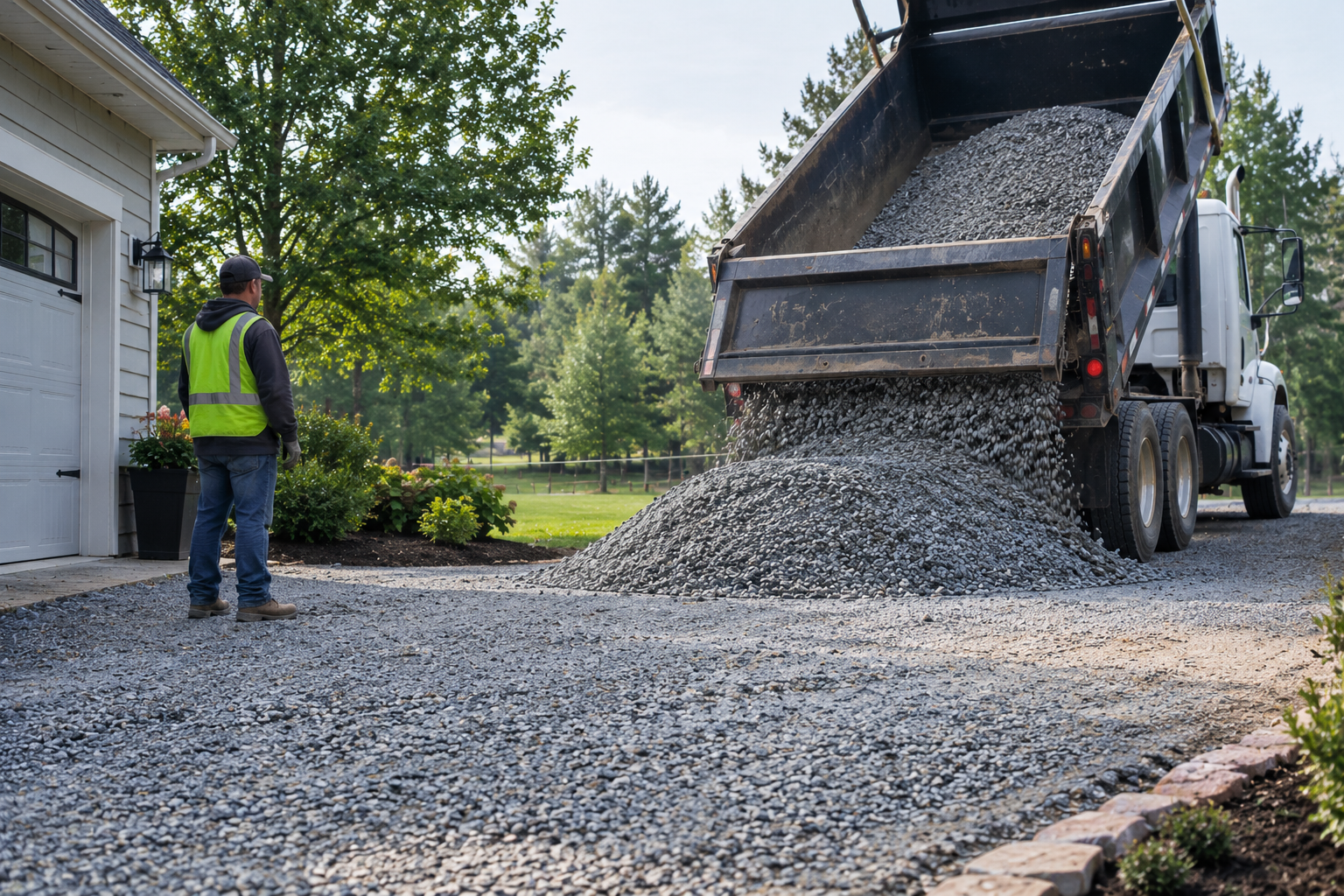
Construction worker installing base material with compactor

Choosing the right material for your specific project

Your project type should drive your material choice. For decorative landscaping, garden paths, and areas where you want natural beauty, pea gravel delivers superior aesthetics and comfortable walking surfaces.

Choose base material for any application requiring structural support. When considering whether to use pea gravel for paver base, remember that driveways, paver patios, building foundations, and areas supporting heavy loads all benefit from base material’s superior compaction and stability.

Decision guide: If people will walk on it barefoot or you want it to look natural, choose pea gravel. If vehicles will drive on it or structures will sit on it, choose base material.

Consider drainage needs in your decision. Both materials drain well, but pea gravel’s larger spaces between stones provide superior water flow. Base material, when properly compacted, still drains well while offering better surface stability.

Climate factors also matter. In areas with freeze-thaw cycles, base material’s superior compaction helps prevent frost heave damage. Pea gravel’s loose structure makes it more susceptible to shifting during temperature changes.

Understanding the benefits and uses of pea stones gravel helps you make an informed decision that delivers the results you want. If you’re comparing materials, you might also want to explore pea gravel versus crushed gravel to understand the full range of options available.

The right choice depends on balancing aesthetics, functionality, budget, and long-term performance for your specific application. Both pea gravel and base material serve important roles in construction and landscaping. By matching the material to your project’s specific requirements, you’ll achieve better results and longer-lasting performance while staying within budget.

FAQ

What is pea gravel made of?

Pea gravel is made of naturally rounded stones about 3/8 inch in diameter that form through millions of years of natural weathering and erosion. The stones come from various sources including limestone (cream and beige tones), granite (gray and black speckles), and sandstone (warm reds and browns), giving pea gravel its characteristic smooth texture and natural color variations.

Can I use pea gravel as a base for my driveway?

Pea gravel should not be used as a standalone base for driveways because its rounded stones don’t compact well and will shift under vehicle weight. Instead, use base material (crushed stone) as your foundation layer, then add pea gravel on top for aesthetics. This combination provides both stability and visual appeal for your driveway.

Which costs more – pea gravel or base material?

Pea gravel typically costs more per ton than base material due to its processing and aesthetic appeal. However, pea gravel is easier to install yourself, reducing labor costs, while base material requires professional installation with compaction equipment. Base material offers better long-term value for structural applications due to its durability and minimal maintenance requirements.

How do I choose between pea gravel and base material for my project?

Choose pea gravel for decorative applications like garden paths, playground surfaces, and areas where aesthetics and comfort matter most. Select base material for structural support applications such as driveway foundations, paver installations, and areas that will support heavy loads. Consider using base material as a foundation with pea gravel on top for projects requiring both stability and visual appeal.

Author: igor