
How to Build a Safe Pea Gravel Dog Run
Free local estimate
See delivered prices for your ZIP in 60 seconds
Tell us where the project is and we'll price this material — delivered — for your exact ZIP.
- Real delivered pricing for your ZIP — not a generic range.
- Works for any quantity — driveways, pads, drains, or full projects.
- Prefer to talk? We follow up with local availability and delivery windows.
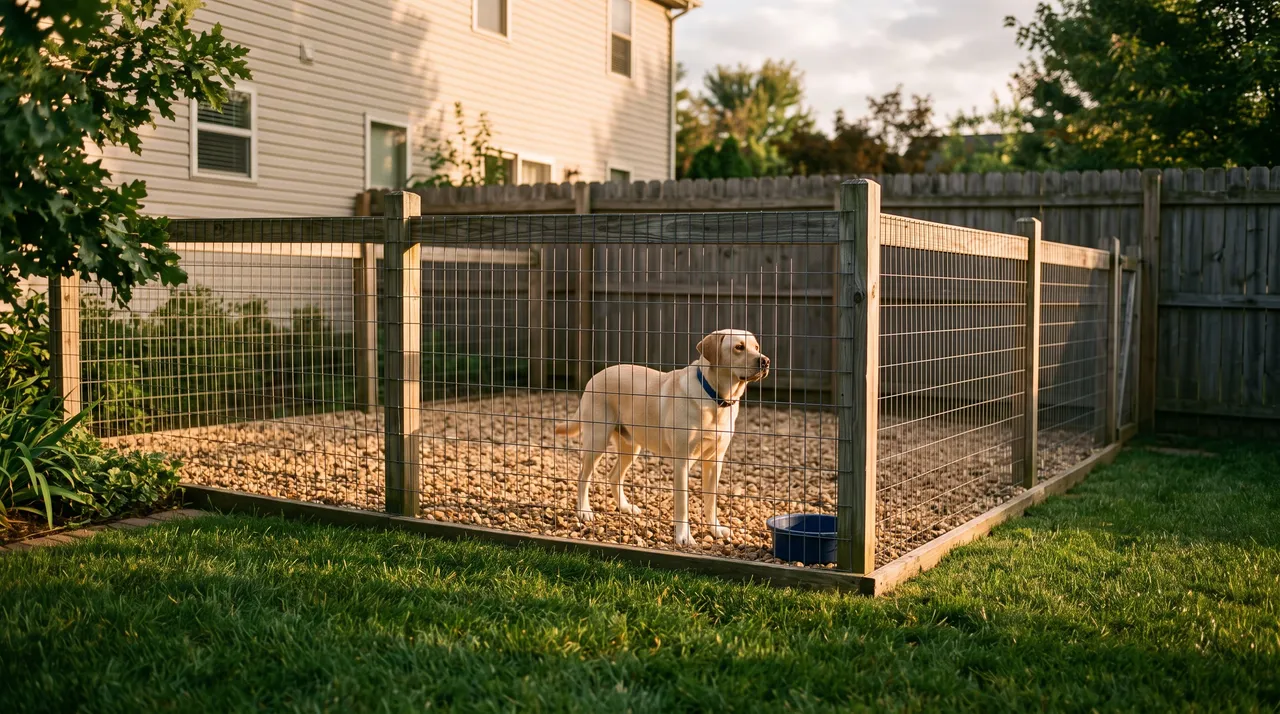
Creating a safe outdoor space for your dog doesn’t have to be complicated or expensive. Pea gravel offers an excellent solution for dog runs, providing comfort, drainage, and durability that both you and your pet will appreciate. This small, rounded stone material creates a surface that’s gentle on paws while standing up to daily use and weather conditions.
Quick Answer: Pea gravel is safe and ideal for dog runs when installed properly over a compacted base. It provides excellent drainage, stays cooler than concrete, and offers comfortable footing for dogs of all sizes.
The key to success lies in proper installation and understanding what makes pea gravel work so well for our four-legged friends. You’ll learn everything from planning your space to long-term maintenance, ensuring your investment creates years of enjoyment for your pet.
About Hello Gravel
Hello Gravel delivers bulk gravel, rock, dirt, and sand by the ton. Enter your ZIP code to see prices with delivery included. A local dump-truck driver places the load where access is safe; spreading is not included.
Why pea gravel works perfectly for dog runs
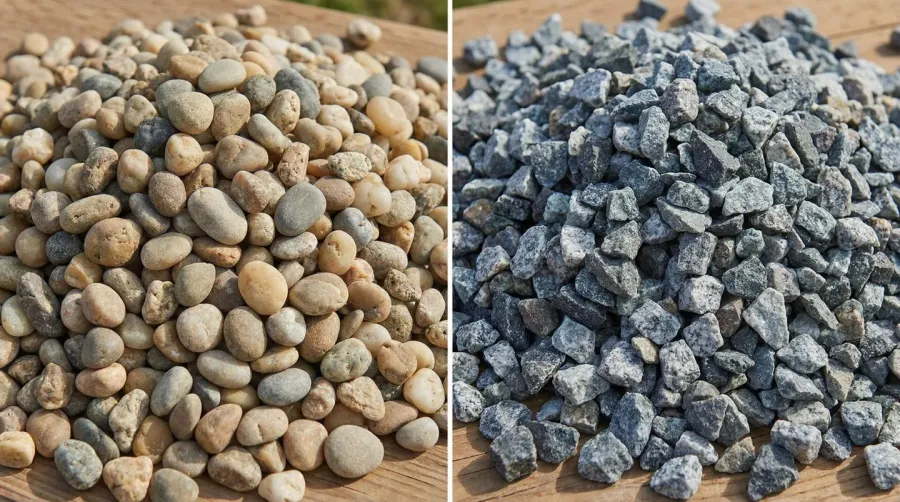
Pea gravel gets its name from its small, rounded shape that resembles garden peas. These smooth stones typically measure between 1/8 inch to 3/8 inch in diameter, making them comfortable for dogs to walk and run on without causing paw irritation. To better understand the various colors and sizes of pea gravel, you can explore detailed size specifications that help you choose the perfect option for your project.
The rounded edges distinguish pea gravel from angular crushed stone, which can be sharp and uncomfortable. This natural smoothness comes from water erosion over thousands of years, creating stones that won’t cut or scrape your dog’s pads during play. If you’re considering alternatives, check out our comparison of pea gravel vs crushed gravel to understand the key differences.
What makes pea gravel particularly appealing is its natural drainage properties. Water flows easily between the stones, preventing puddles and muddy conditions that plague grass or dirt runs. This drainage also helps control odors and reduces bacterial growth, creating a healthier environment for your pet.
Pro Tip: Choose pea gravel in neutral colors like tan or gray, as darker stones can absorb more heat during summer months.
The material also stays relatively cool compared to concrete or asphalt, making it comfortable for dogs even on warmer days. Unlike artificial surfaces, pea gravel allows air circulation that helps regulate temperature naturally.
Planning your dog run dimensions and layout
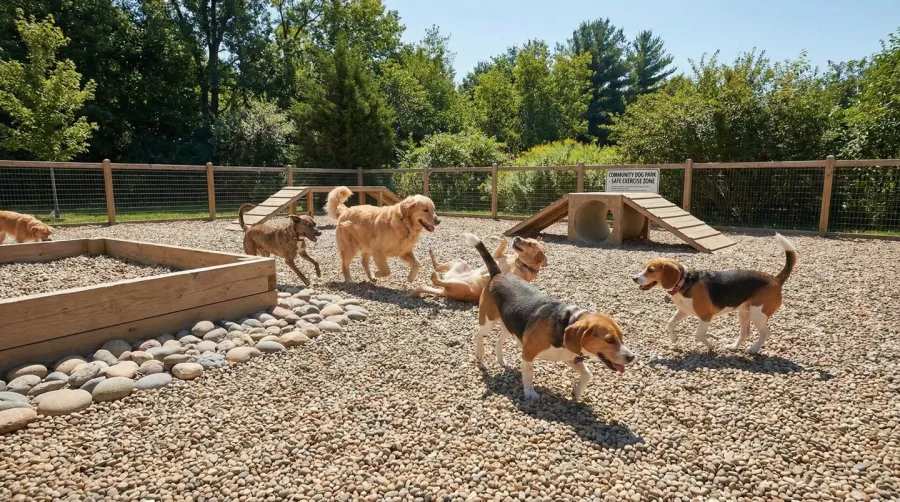
Before ordering materials, you’ll need to determine the right size for your dog run. A good rule of thumb is to provide at least 100 square feet for small dogs and 200 square feet for larger breeds. However, longer, narrower runs often work better than square spaces because they encourage movement and exercise.
Consider your dog’s specific needs when planning. Active breeds benefit from longer runs that allow for sprinting, while older dogs might prefer smaller, more manageable spaces. The location should offer some natural shade or plan to add shade structures to keep your pet comfortable during hot weather.
Think about access points and how the run connects to your home. You’ll want easy access for cleaning and maintenance, plus convenient entry and exit points for your dog. Consider installing a gate that’s tall enough to contain your pet but easy for you to operate.
Drainage becomes crucial in your planning phase. Avoid low-lying areas where water naturally collects, and consider the natural slope of your yard. A slight grade of 1-2% helps water flow away from the run without creating uncomfortable slopes for your dog.
Step-by-step installation process
Installing a pea gravel dog run requires careful preparation to ensure long-lasting results. Start by marking your planned area and calling 811 to locate underground utilities before any digging begins.
Excavation and base preparation forms the foundation of your project. Remove all grass, weeds, and organic matter to a depth of 4-6 inches. This prevents future settling and weed growth through your gravel. Use a plate compactor or hand tamper to create a firm, level base.
Install landscape fabric or geotextile material over the compacted soil. This barrier prevents weeds while allowing water drainage. Overlap seams by at least 6 inches and secure edges with landscape pins.
Adding the base layer comes next, using 3-4 inches of crushed stone or road base material. This layer provides stability and improves drainage. Understanding the difference between pea gravel vs base material is crucial for proper installation, as each serves a distinct purpose in your project. Compact this base thoroughly, working in thin lifts rather than trying to compact the entire depth at once.
Finally, spread 2-3 inches of pea gravel over your prepared base. Use a rake to distribute evenly, but avoid over-compacting the surface layer. The loose pea gravel should provide comfortable footing while the compacted base beneath provides stability.
| Material | Depth | Purpose |
|---|---|---|
| Excavation | 4-6 inches | Remove organic matter |
| Base layer | 3-4 inches | Stability and drainage |
| Pea gravel | 2-3 inches | Comfort and surface |
Maintenance and long-term care
Maintaining your pea gravel dog run is straightforward but requires consistency. Daily waste removal keeps the area sanitary and prevents odors from developing. Use a pooper scooper or rake to collect solid waste without disturbing the gravel surface.
Weekly raking helps redistribute the gravel and prevents compaction in high-traffic areas. Pay attention to spots where your dog enters and exits, as these areas tend to develop ruts or thin spots over time. Add fresh gravel as needed to maintain consistent depth.
Maintenance Tip: Rinse urine spots with water weekly to prevent odor buildup and salt accumulation that could irritate your dog’s paws.
Seasonal maintenance involves more thorough cleaning and inspection. Spring is ideal for adding fresh gravel and checking for any settling or drainage issues. Fall cleanup should remove leaves and debris that could decompose and create odors. For those exploring other landscaping options, you might also consider pea gravel as a landscaping mulch alternative for surrounding garden areas.
Watch for signs that maintenance is needed, such as exposed landscape fabric, persistent odors, or areas where your dog seems reluctant to walk. These indicators suggest it’s time for additional gravel or more thorough cleaning. To explore more applications and understand the full range of benefits and uses of pea stones gravel, you can discover how this versatile material works in various outdoor projects.
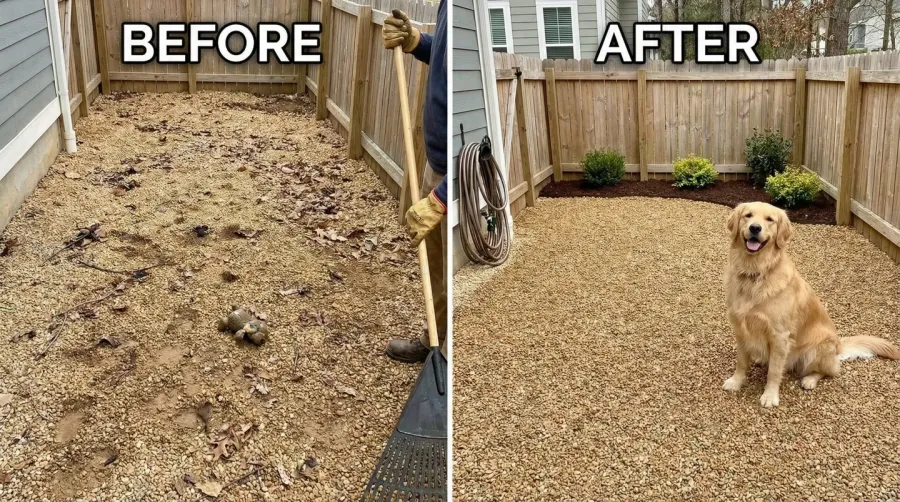
Your pea gravel dog run represents an investment in your pet’s comfort and your peace of mind. With proper installation and regular maintenance, this surface will provide years of safe, comfortable outdoor time for your dog while requiring minimal upkeep from you. The natural drainage, paw-friendly surface, and durability make pea gravel an excellent choice for pet owners seeking a practical, long-lasting solution for their dog’s exercise needs.
FAQ
Is pea gravel safe for dogs?
Yes, pea gravel is safe for dogs when properly installed. The smooth, rounded edges won’t cut or scrape your dog’s paw pads, unlike sharp crushed stone. It provides excellent drainage to prevent muddy conditions and stays cooler than concrete surfaces. However, monitor dogs that tend to eat stones and consult your vet if you have concerns about older dogs with joint issues.
What size pea gravel is best for dog runs?
Use pea gravel between 1/8 inch to 3/8 inch in diameter for dog runs. This size provides comfortable footing without being too large to cause instability or too small to get stuck between paw pads. Avoid larger river rock or angular crushed stone, as these can be uncomfortable or potentially harmful to your dog’s feet.
How deep should pea gravel be in a dog run?
Install 2-3 inches of pea gravel over a properly prepared base for optimal results. The base should include 4-6 inches of excavation, landscape fabric, and 3-4 inches of compacted crushed stone or road base material. This depth provides comfortable footing while ensuring proper drainage and stability for long-term use.
How do you maintain a pea gravel dog run?
Maintain your pea gravel dog run by removing solid waste daily and raking weekly to redistribute gravel and prevent compaction. Rinse urine spots with water weekly to control odors. Add fresh gravel seasonally to maintain consistent depth, especially in high-traffic areas. Remove leaves and debris regularly to prevent decomposition and odor buildup.
Materials for this project
Get it delivered — dumped where you need it
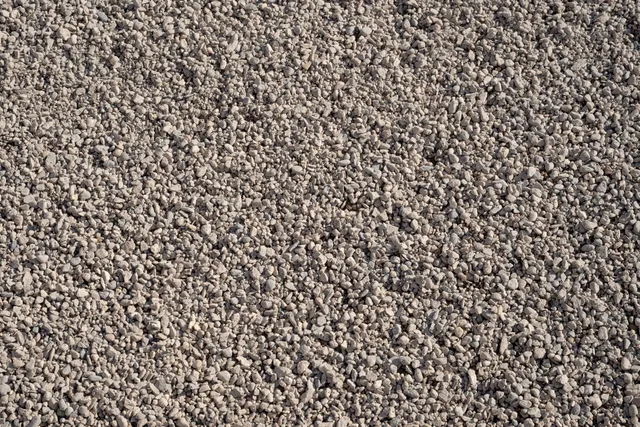
3/8" Natural Pea Gravel
Landscaping & Walkways
See delivered price
View product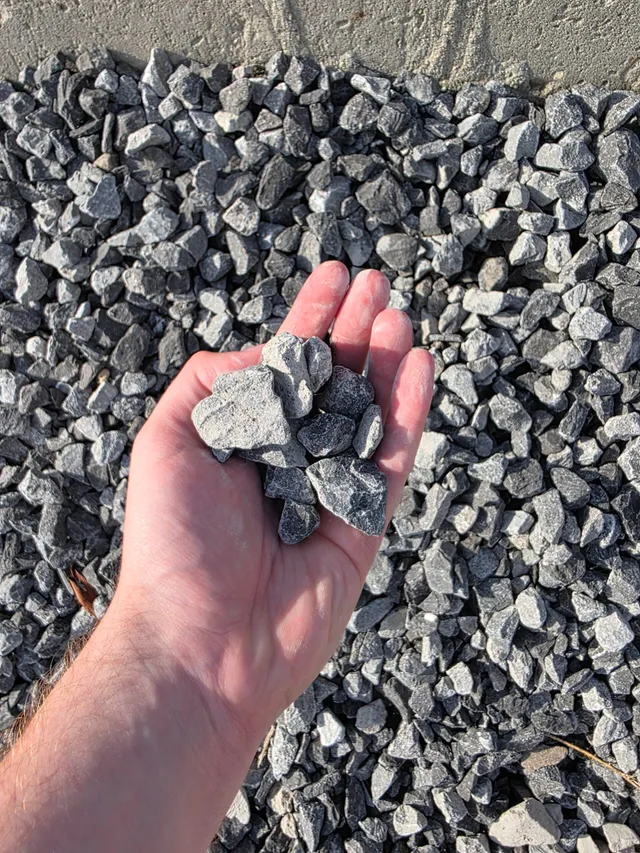
Driveway Gravel
Driveways & Parking areas
See delivered price
View product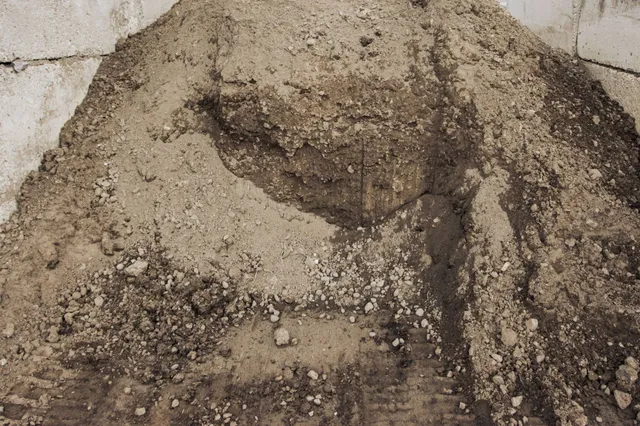
Fill Dirt
Grading & Backfill
See delivered price
View product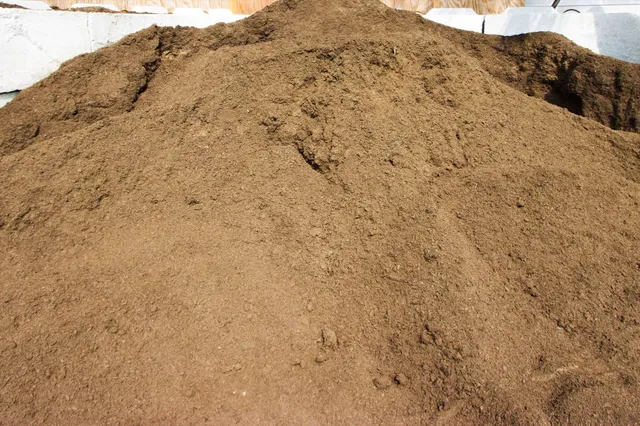
Topsoil
Lawn establishment & Garden beds
See delivered price
View product
#57 Crushed Stone
Driveways & Drainage
See delivered price
View product