Limestone vs Sandstone: Complete Comparison Guide for Your Project
Published on: December 18, 2025
Get an estimate for your project in 60 seconds
 Your information is secure
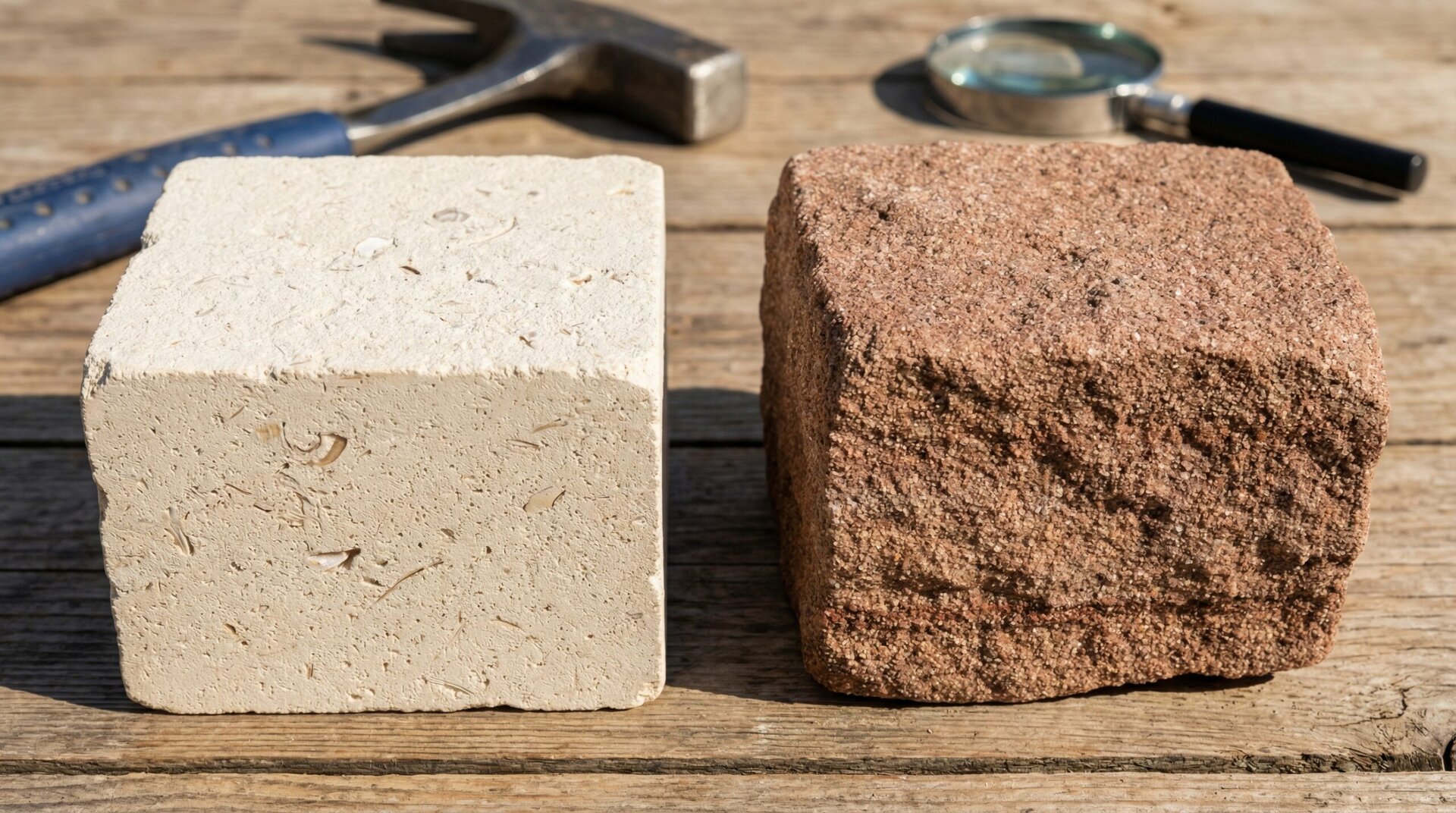
Choosing between limestone and sandstone for your next project? You’re comparing two of the most popular sedimentary rocks in construction. While limestone offers elegant uniformity and durability, sandstone provides distinctive texture and weather resistance. Both stones have served builders for centuries, but understanding their key differences will help you make the right choice for your specific needs.
Quick Answer: Limestone is typically more expensive but offers superior durability and a refined appearance, while sandstone is more budget-friendly with better slip resistance and weather tolerance.
Let’s explore how these natural stones compare across the factors that matter most for your project.
Understanding limestone and sandstone basics
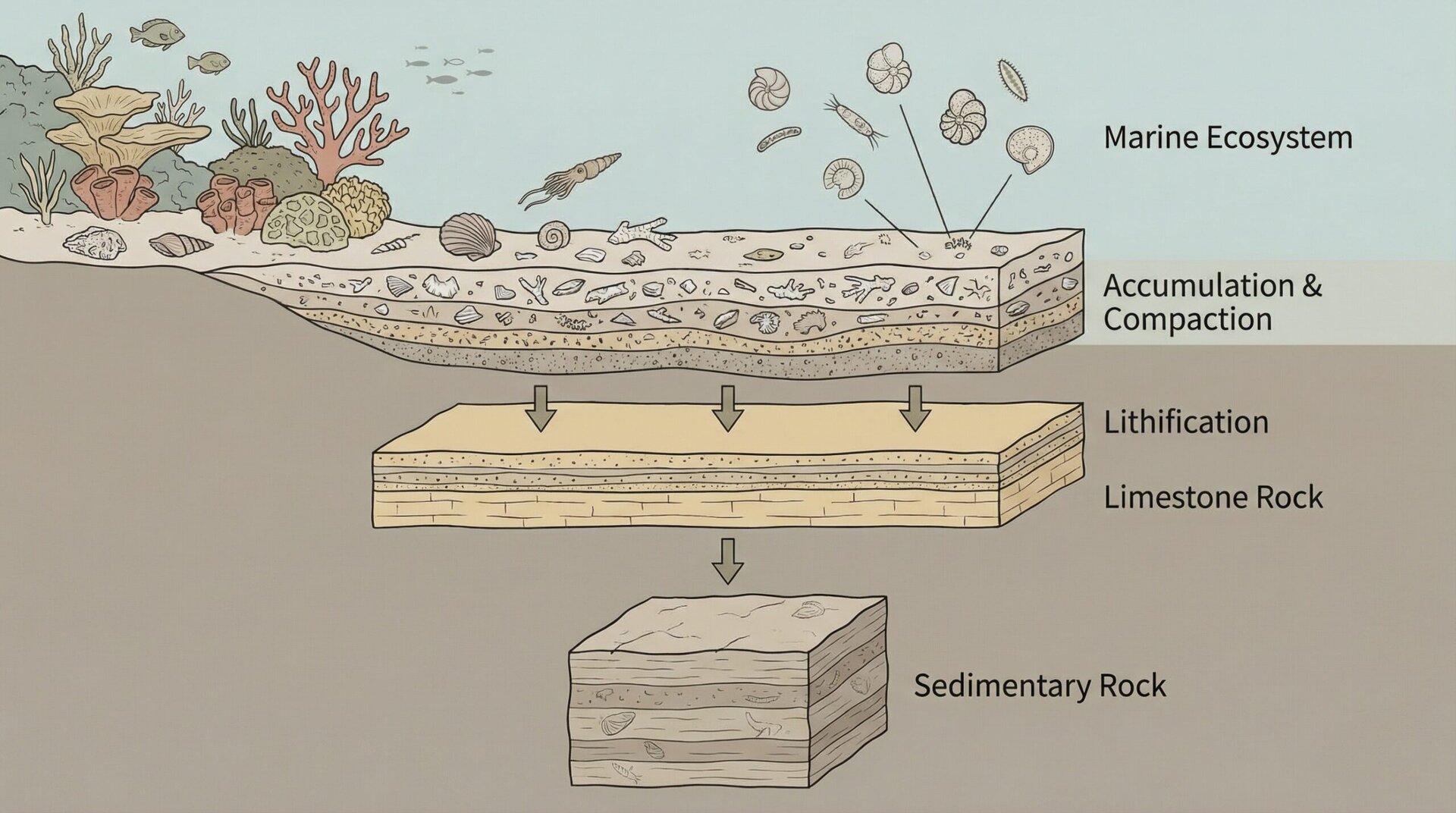
Limestone forms from compressed marine organisms like coral and shells over millions of years. This process creates a dense, calcium carbonate-rich stone with smooth textures and consistent coloring. You’ll find limestone in shades ranging from creamy white to warm yellows and rich browns.
Sandstone develops differently. It’s created when sand-sized grains of minerals, rocks, or organic materials get compacted and cemented together. This formation process gives sandstone its characteristic granular texture and varied appearance. The visible sand grains create natural slip resistance that limestone lacks.
Both stones are sedimentary rocks, meaning they form through the accumulation and compression of materials over time. However, their different formation processes result in distinct properties that affect their performance in various applications.
Key differences in durability and maintenance
When it comes to longevity, limestone generally outlasts sandstone in most applications. Its dense composition makes it less prone to cracking and chipping under normal use. However, limestone has one significant weakness: it reacts with acidic substances, making it vulnerable to damage from certain cleaning products or acid rain.
Sandstone offers better weather resistance overall. Its porous nature allows it to handle freeze-thaw cycles more effectively than limestone. The stone’s natural texture also provides excellent slip resistance, making it ideal for outdoor applications like pool decks and walkways.
Maintenance requirements differ between the two stones. Limestone needs regular sealing to prevent staining and requires pH-neutral cleaners to avoid acid damage. Sandstone is more forgiving with cleaning products but may need more frequent sealing due to its higher porosity.
Pro Tip: If you’re installing stone in areas exposed to pool chemicals or frequent cleaning, sandstone’s acid resistance makes it the more practical choice.
Cost comparison and value considerations
Limestone typically costs more than sandstone, with prices varying based on color, quality, and availability. The premium price reflects limestone’s density, durability, and refined appearance. However, transportation costs can significantly impact the final price for both materials.
Sandstone offers better value for large projects where budget is a primary concern. Its lower material cost, combined with easier installation due to its workability, can result in significant savings. The stone’s natural slip resistance also eliminates the need for additional surface treatments in many applications.
Consider long-term costs when making your decision. While limestone may have higher upfront costs, its durability could mean fewer replacements over time. Sandstone’s lower initial investment might be offset by more frequent maintenance or earlier replacement needs.
| Factor | Limestone | Sandstone |
|---|---|---|
| Material Cost | Higher | Lower |
| Installation | Moderate | Easier |
| Maintenance | Regular sealing | More frequent sealing |
| Longevity | Excellent | Good |
Choosing the right stone for your application
Your specific project requirements should guide your choice between limestone and sandstone. For indoor applications like flooring or wall cladding, limestone’s smooth texture and elegant appearance make it an excellent choice. Its durability handles foot traffic well, and the controlled environment reduces weather-related concerns.
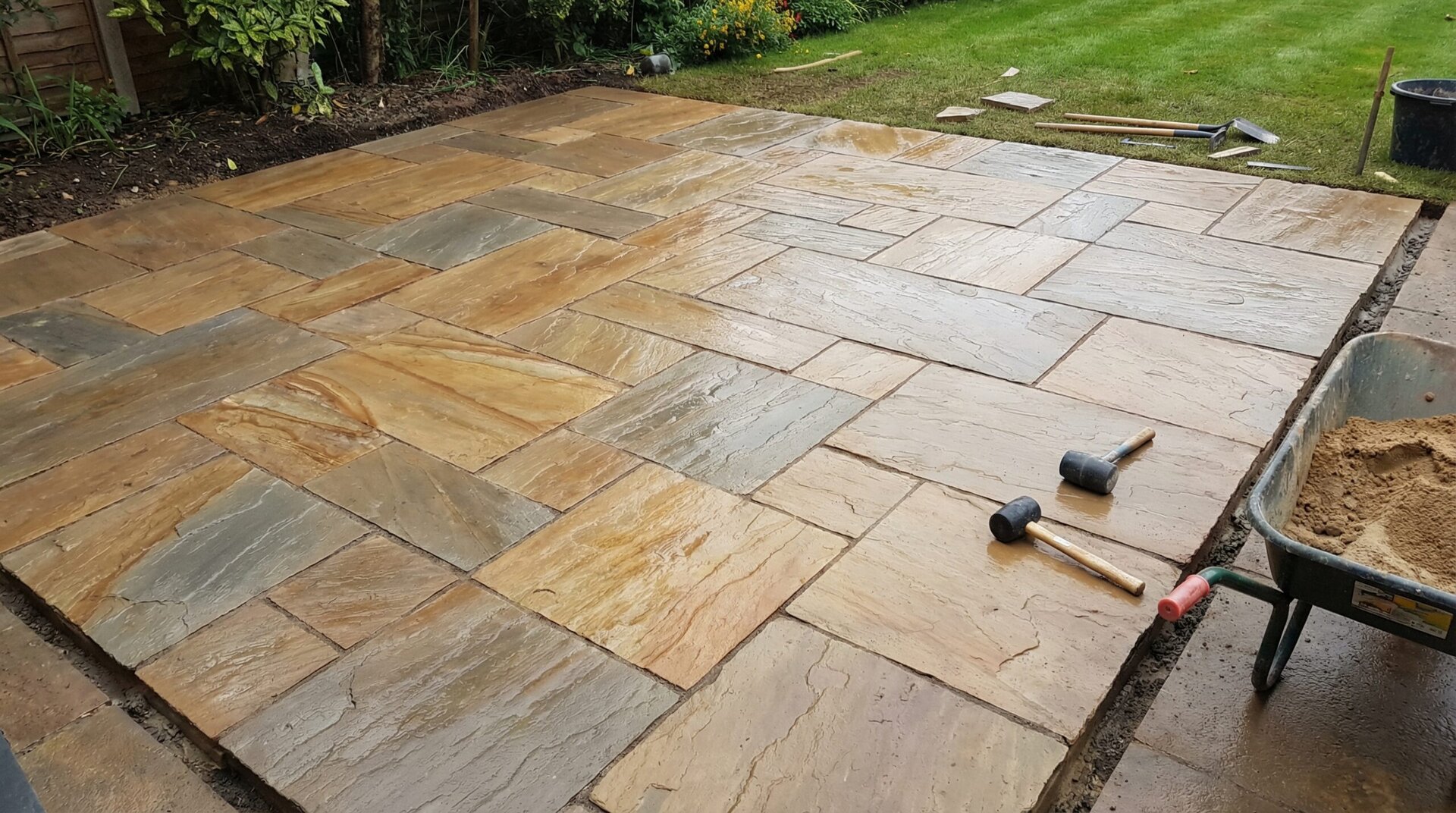
Outdoor projects often favor sandstone for practical reasons. Pool areas, patios, and walkways benefit from sandstone’s natural slip resistance and weather tolerance. The stone’s ability to handle temperature fluctuations without cracking makes it reliable for exterior use.
Consider your local climate when deciding. In areas with harsh winters or frequent acid rain, sandstone’s weather resistance provides better long-term performance. For regions with stable climates and minimal environmental stressors, limestone’s durability and appearance advantages become more valuable. If you’re working on foundation and base course projects, understanding how crushed limestone performs compared to other materials can help inform your decision.
Climate Consideration: Sandstone performs better in freeze-thaw environments, while limestone excels in stable, controlled conditions.
Both limestone and sandstone bring unique advantages to construction projects. Limestone delivers timeless elegance and exceptional durability, making it perfect for high-end construction applications where appearance matters most. Sandstone provides practical benefits like slip resistance and weather tolerance, ideal for functional outdoor spaces. Your choice ultimately depends on balancing aesthetic preferences, budget constraints, and performance requirements for your specific project.
When considering limestone for your project, it’s worth exploring different limestone sizes and grades available to match your specific application needs. For driveways and base layers, crushed limestone options like #610 offer excellent compaction and stability. Understanding the difference between gravel and limestone can also help you determine whether solid stone or aggregate materials better suit your project requirements. Consider consulting with local stone suppliers to see samples and get pricing for your area before making your final decision.
FAQ
What is the main difference between limestone and sandstone?
Which is more durable – limestone or sandstone?
Is limestone or sandstone better for outdoor applications?
Which stone is more cost-effective – limestone or sandstone?
Author: igor