Top 10 Uses and Benefits of Limestone in Construction

Published on: December 18, 2025

Get an estimate for your project in 60 seconds

This field is hidden when viewing the form
Security lock iconYour information is secure


Limestone construction building facade

When you think about durable construction materials, limestone should be at the top of your list. This sedimentary rock has been the backbone of construction for thousands of years, from ancient pyramids to modern skyscrapers. Limestone offers exceptional durability, natural beauty, and cost-effectiveness that makes it a go-to choice for contractors and builders worldwide.

Quick Answer: Limestone’s primary uses in construction include concrete production, road base material, building cladding, flooring, and architectural elements. Its key benefits are durability, thermal insulation, aesthetic appeal, and sustainability.

You’ll find limestone in everything from the foundation beneath your feet to the elegant facade of luxury buildings. Its versatility stems from unique geological properties that develop over millions of years, creating a material that’s both beautiful and incredibly strong.

What is limestone and its key properties

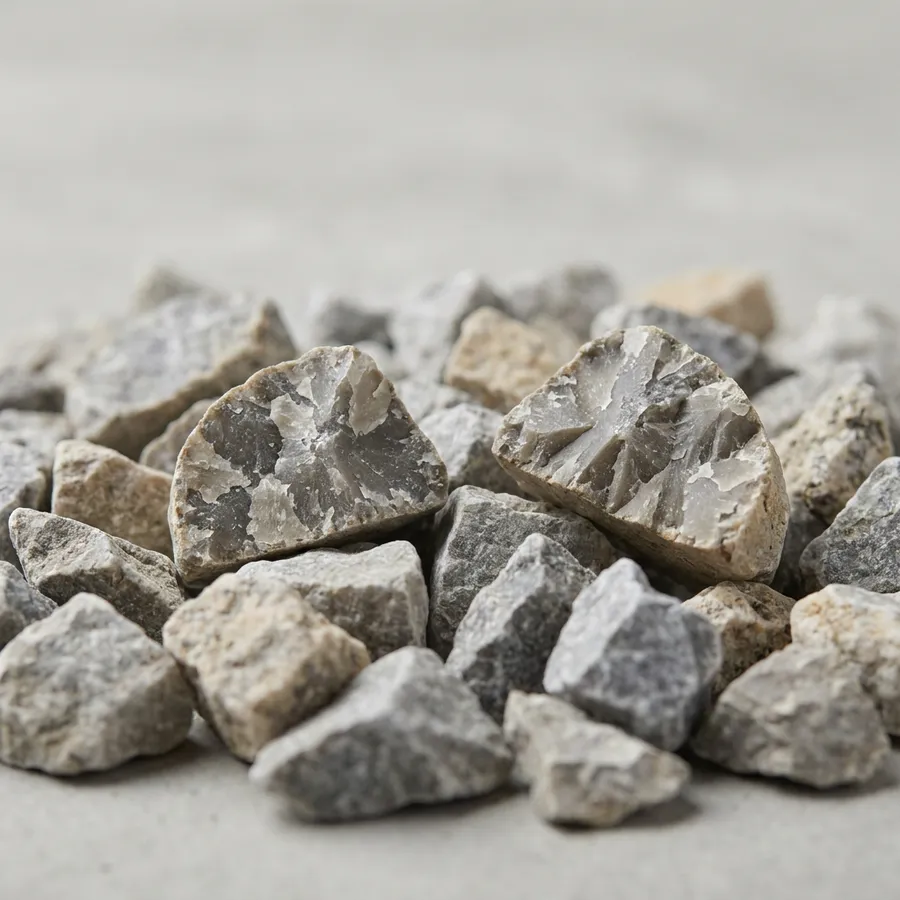
Limestone forms through the accumulation of marine organisms, shells, and coral fragments compressed over millions of years. This process creates a rock primarily composed of calcium carbonate, giving it distinctive characteristics that construction professionals value.

The geological formation happens in marine environments where organic materials build up and compress under immense pressure. Chemical reactions within these sediments cause calcium carbonate to precipitate and form solid deposits. Over time, these deposits become the limestone we use today.

What makes limestone special for construction is its density and hardness. The compacted calcium carbonate crystals create exceptional strength and resilience against weather conditions. You’ll also notice limestone’s natural thermal insulation properties, which help regulate building temperatures and reduce energy costs.

The presence of fossils within limestone adds visual appeal and tells the story of ancient marine life. These natural patterns make each limestone piece unique, contributing to its popularity in architectural applications.

Top benefits of limestone in construction

Limestone benefits and construction applications

1. Time-tested durability

Limestone’s track record speaks for itself. The Great Pyramids of Giza, built around 2560 BC, still stand strong today thanks to limestone construction. This material resists weathering, freeze-thaw cycles, and structural stress better than many alternatives.

2. Aesthetic versatility

You can achieve various looks with limestone’s natural color variations ranging from white and beige to gray. Its ability to be carved and shaped allows for intricate architectural details, from simple clean lines to elaborate decorative elements.

3. Cost-effectiveness

Limestone’s abundance makes it an economical choice for large-scale projects. You’ll find it readily available in most regions, reducing transportation costs and project timelines compared to imported materials.

4. Thermal insulation

Natural limestone provides excellent thermal mass, helping buildings maintain consistent temperatures. This property reduces heating and cooling costs, making it an energy-efficient choice for both residential and commercial construction.

5. Fire resistance

Limestone naturally resists fire damage, providing an additional safety layer for buildings. Unlike some synthetic materials, it won’t release toxic fumes when exposed to high temperatures.

Key Insight: Limestone’s thermal mass can reduce building energy consumption by up to 15% compared to conventional materials, making it both environmentally and economically beneficial.

Major uses of limestone in construction

Concrete production enhancement

When limestone is incorporated into concrete, it creates Portland limestone cement that significantly improves the mixture’s performance. The finely ground limestone fills gaps between larger aggregates, creating a more compact and cohesive concrete.

This process accelerates the hydration reaction, leading to faster curing times and increased early strength. You’ll get concrete that’s more resistant to cracking and shrinkage, perfect for demanding structural applications.

The environmental benefits are substantial too. Using limestone in concrete reduces the amount of traditional cement needed, lowering the carbon footprint of construction projects.

Road construction and infrastructure

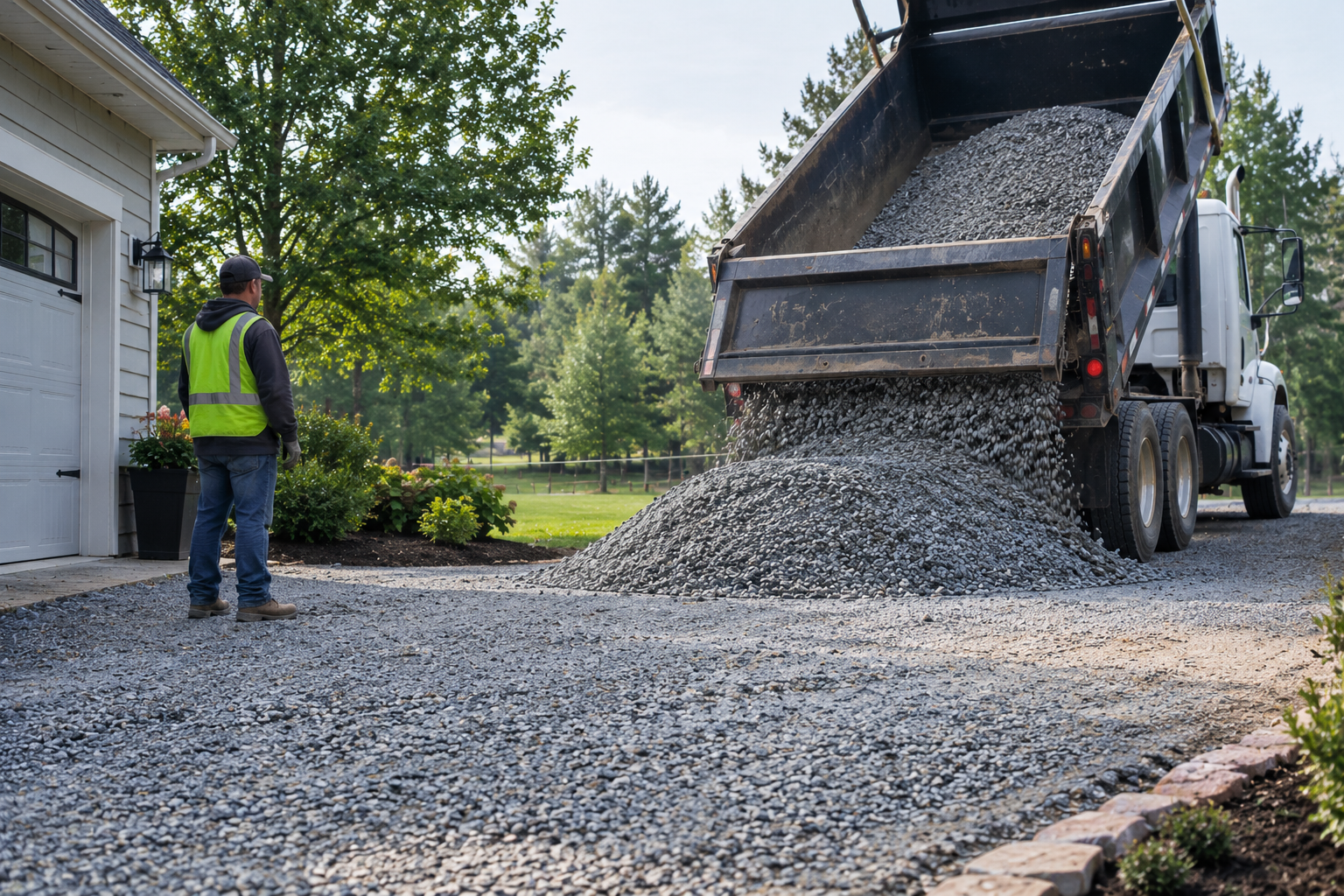
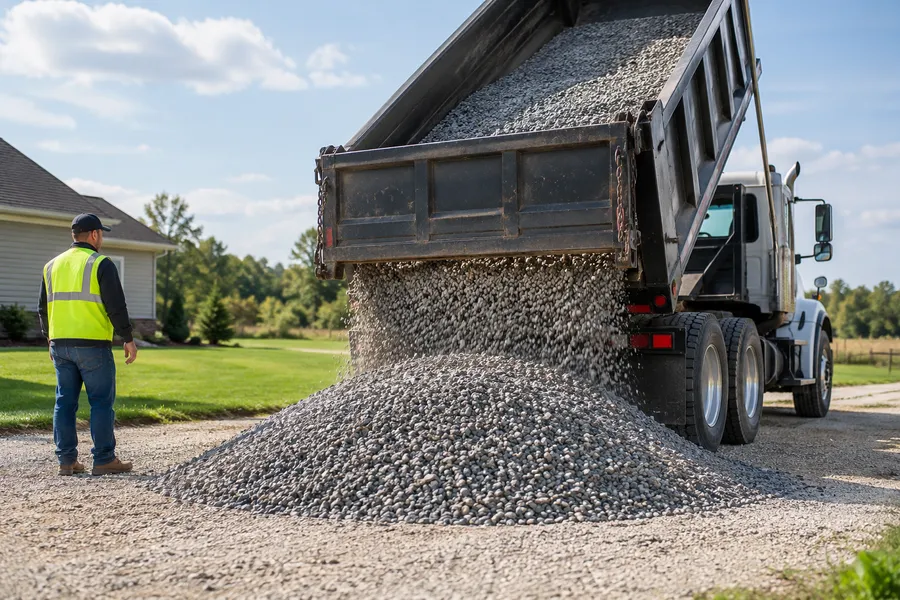
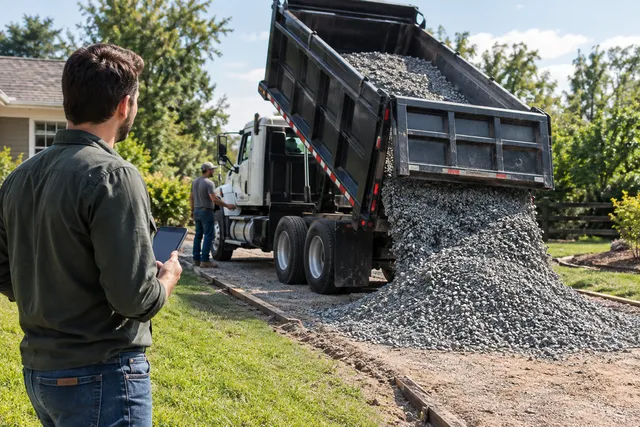
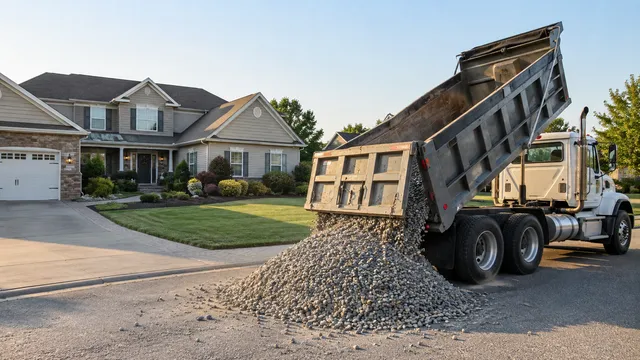
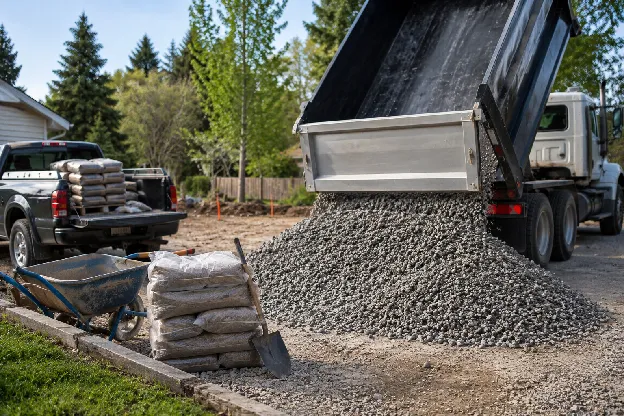
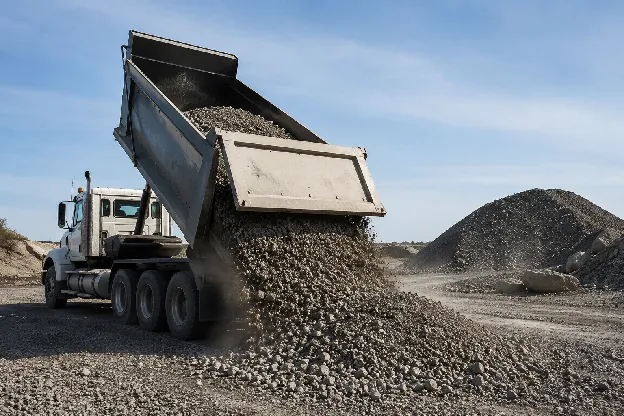
Limestone serves as an excellent base material for road construction due to its stability and high load-bearing capacity. It prevents settling and shifting that can lead to cracks and potholes over time. When comparing crushed limestone versus crushed granite for foundation strength, both materials offer excellent performance, though each has distinct advantages depending on your project requirements.

The material’s excellent drainage properties help minimize water buildup, which is a major cause of road damage. Its natural color variations also enhance visibility and improve road safety for drivers.

You’ll find limestone particularly valuable in heavy-traffic areas where durability is paramount. The dense, resilient nature minimizes wear from constant vehicle loads, extending road lifespan and reducing maintenance costs. For projects requiring specific gradations, #610 limestone gravel is a popular choice for road base applications.

Building cladding and facades

Modern architecture frequently features limestone cladding for its timeless elegance and weather resistance. The Empire State Building showcases limestone’s enduring appeal with its classic facade that has maintained its dignity for decades.

Limestone cladding provides excellent protection against environmental elements while offering design flexibility. You can choose from various finishes, from smooth polished surfaces to textured natural faces.

Interior applications

Inside buildings, limestone shines in flooring, countertops, and decorative elements. Its natural patterns and textures add sophistication to residential and commercial spaces. The material’s durability makes it ideal for high-traffic areas like lobbies and hallways. Understanding different limestone sizes available helps you select the perfect option for your specific interior application.

Limestone interior flooring and countertops

Limestone versus other building materials

Material Durability Cost Maintenance Eco-Friendliness
Limestone Excellent Moderate Low High
Granite Excellent High Low Moderate
Sandstone Good Moderate Moderate High
Concrete Good Low High Low

When comparing limestone to alternatives, you’ll notice its balanced profile across all important factors. While granite might be slightly more durable, limestone offers better cost-effectiveness and environmental benefits. If you’re deciding between sedimentary rocks, exploring the differences between limestone and sandstone can help you make an informed choice for your project.

The maintenance requirements for limestone are minimal compared to other natural stones. Regular cleaning and occasional sealing keep it looking great for decades.

Pro Tip: Limestone’s porosity means proper sealing is essential in moisture-prone areas, but this simple maintenance step ensures long-term performance and appearance.

Sustainability and future trends

Limestone represents one of the most sustainable construction materials available. Its abundance reduces environmental impact from transportation, while its longevity means fewer replacements over a building’s lifetime.

The construction industry increasingly values limestone for green building certifications. Its thermal properties contribute to energy-efficient buildings, while its natural origin supports sustainable construction practices.

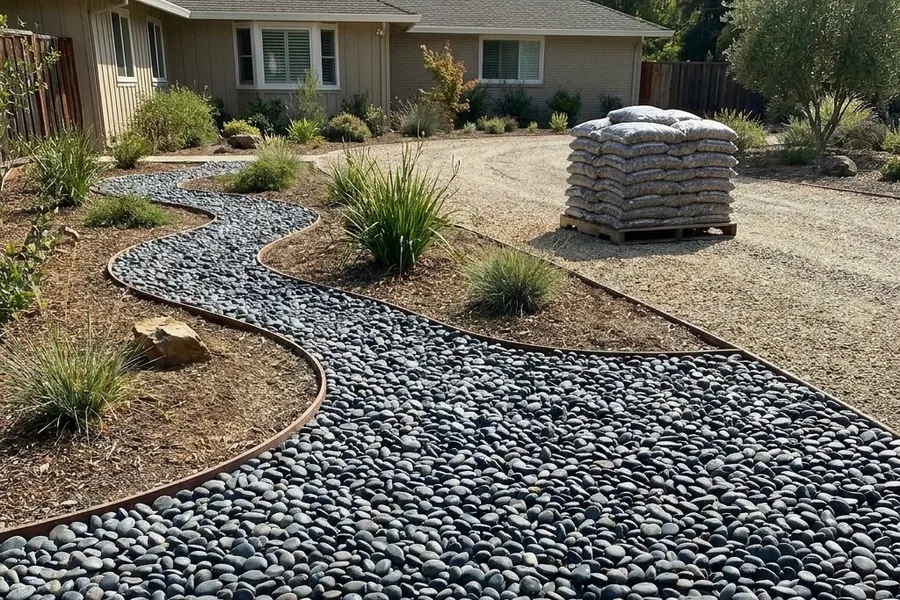
Recycling limestone from demolished structures is becoming more common, creating a circular economy approach to construction materials. This trend aligns with growing environmental consciousness in the building industry. For landscaping and decorative applications, options like #89 limestone pea gravel offer sustainable alternatives that combine functionality with aesthetic appeal.

Future developments focus on enhancing limestone’s natural properties through innovative processing techniques. These advances promise even better performance while maintaining the material’s inherent sustainability advantages.

The limestone construction market continues growing as architects and builders recognize its unique combination of beauty, durability, and environmental responsibility. Whether you’re planning a small residential project or a major commercial development, limestone offers proven performance that stands the test of time.

Understanding limestone’s properties and applications helps you make informed decisions for your construction projects. Its versatility, combined with economic and environmental benefits, makes it a smart choice for builders who want materials that deliver both immediate performance and long-term value.

FAQ

What is limestone primarily used for in construction?

Limestone is primarily used in construction for concrete production as Portland limestone cement, building cladding and facades, road base material, interior flooring and countertops, and architectural elements. Its calcium carbonate composition provides exceptional durability, thermal insulation properties, and natural aesthetic appeal that makes it ideal for both structural and decorative applications.

How does limestone improve concrete performance?

Limestone enhances concrete by filling gaps between larger aggregates, creating a more compact and cohesive mixture. It accelerates the hydration reaction for faster curing times, increases early strength, and reduces cracking and shrinkage. Additionally, using limestone in concrete lowers the carbon footprint by reducing the amount of traditional cement needed in the mix.

What are the main benefits of limestone in construction?

The main benefits of limestone include exceptional durability (as proven by structures like the Great Pyramids), natural thermal insulation that can reduce energy consumption by up to 15%, fire resistance without toxic fume release, cost-effectiveness due to abundance, and aesthetic versatility with natural color variations. It also requires minimal maintenance compared to other natural stones.

Why is limestone considered sustainable for construction?

Limestone is considered sustainable because of its natural abundance which reduces transportation environmental impact, exceptional longevity meaning fewer replacements over a building’s lifetime, and contribution to energy-efficient buildings through thermal properties. It can be recycled from demolished structures, supports green building certifications, and its use in concrete reduces overall carbon emissions compared to traditional cement production.

Author: igor