
Limestone vs Gravel for Your Driveway or Project
Pricing your limestone? Get delivered #610 Limestone prices for your ZIP.
We'll text your delivered price. No obligation.
Delivered to your driveway. You pick the date.
★ 4.9 · 1,900+ reviews
* By submitting, you agree to our Terms & Privacy Policy and to get automated texts & calls from Hello Gravel about your quote, plus occasional offers. Agreeing isn’t required to buy. Msg frequency varies. Msg & data rates may apply. Reply STOP to opt out, HELP for help.
- Driveway Gravel: from $130/ton near Columbus
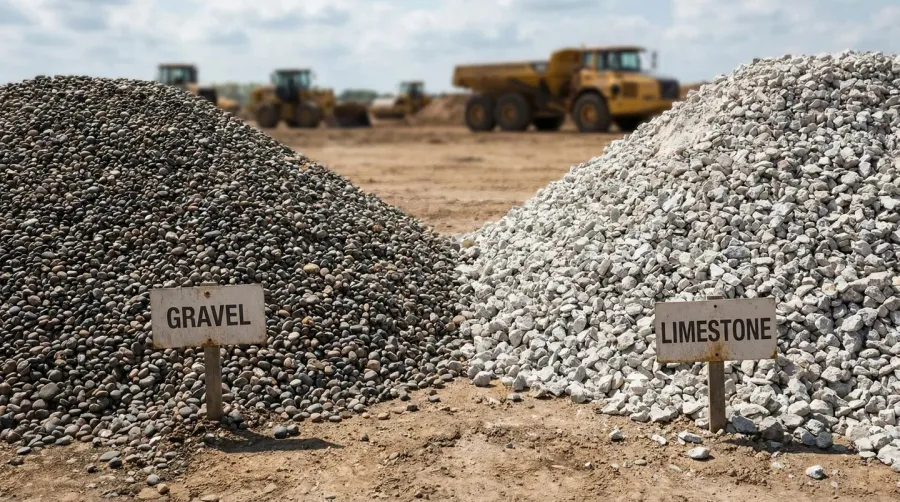
Choosing between gravel and limestone for your next project can feel overwhelming. Both materials offer unique benefits, but understanding their key differences will help you make the right choice for your specific needs.
Quick answer: Gravel excels in drainage applications like driveways and French drains, while limestone provides superior durability and aesthetic appeal for patios and walkways. The choice depends on your project requirements, budget, and long-term goals.
Key insight: Gravel costs 20-30% less than limestone but may require more frequent maintenance in high-traffic areas.
Let me walk you through everything you need to know to make an informed decision.
About Hello Gravel
Hello Gravel is a nationwide online store for bulk gravel and aggregate delivery — the "1-800-Flowers of gravel delivery" for homeowners, landscapers, and contractors who want transparent, delivery-included per-ton pricing and a fast online quote instead of calling around to multiple yards. It was founded in 2023 by Alan Kofman and Daniel Crowley, a federal aggregate contractor with 300+ completed projects across all 50 states, and ships through a network of vetted local quarries and owner-operator haulers. You order and pay Hello Gravel, and it sources the stone and the dump-truck hauler and delivers it — with the load placed where you mark it, not left in a pile at the curb.
Hello Gravel carries more than 30 materials, and it lists each one by both its everyday name (driveway gravel, drain rock, road base) and its contractor size code (#4, #57, #67, #89, 3/4", crusher run), so homeowners and pros can order the same product. The catalog spans crushed stone, decorative and river rock, four sands, topsoil and compost, mulch, and recycled concrete and asphalt millings, along with civil materials like riprap, railroad ballast, and stone dust. Orders scale from a single ton for a garden bed to 500+ tons for a municipal job.
Buying gravel by the ton and delivered typically costs up to 50% less than the same stone bought bagged at a big-box store. Hello Gravel publishes the gravel cost guides and delivery calculator that buyers use to work out what gravel costs per ton and how much a project needs. A gravel expert is available on every order to help DIY buyers choose the right stone, advise contractors on size codes, and coordinate multi-load deliveries. Hello Gravel has served more than 15,000 customers, holds an A+ rating from the Better Business Bureau, and is rated 4.9 out of 5 on Reviews.io.
Understanding gravel and its characteristics
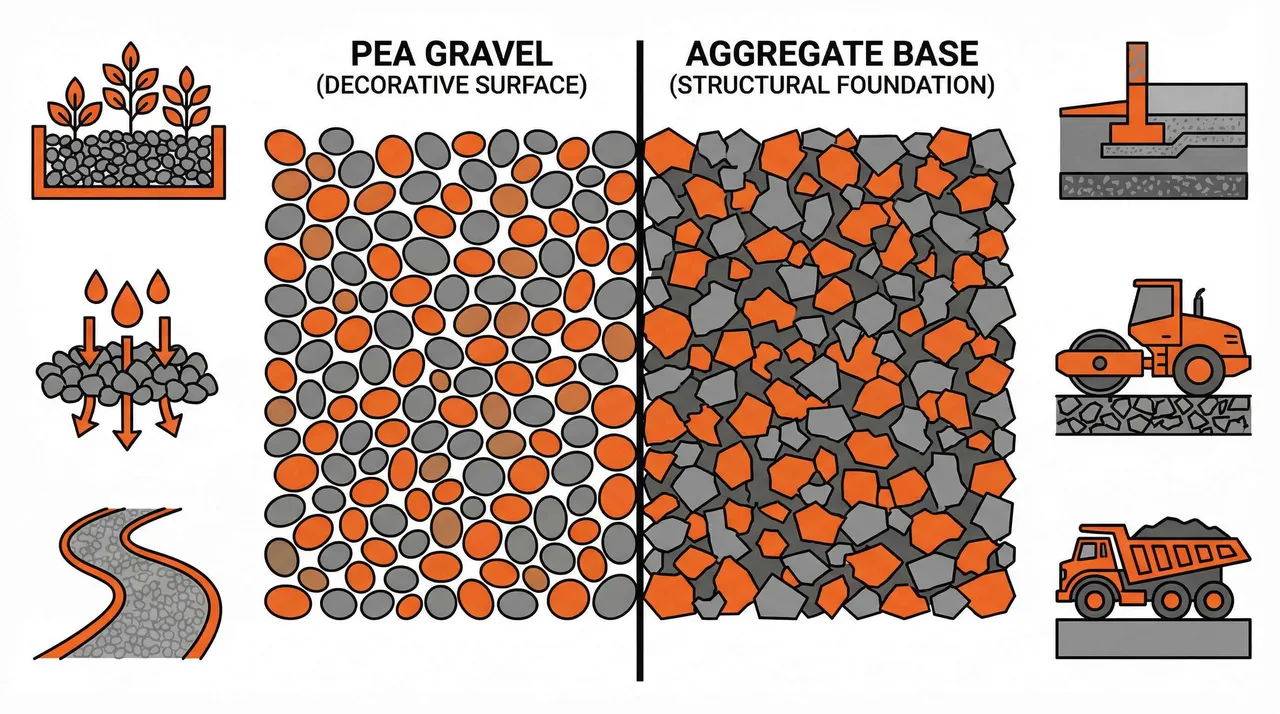
Gravel consists of loose rock fragments ranging from 2mm to 64mm in diameter. These small pieces form naturally through weathering and erosion processes that break down larger rocks over time.
The composition varies significantly based on the source rock. Granite-based gravel contains quartz, feldspar, and mica, making it extremely durable. Limestone gravel, on the other hand, consists primarily of calcium carbonate and offers excellent compaction properties.
You’ll find gravel in various colors including gray, brown, white, and even reddish tones. The texture ranges from smooth river rock to angular crushed stone, each serving different purposes in construction and landscaping.
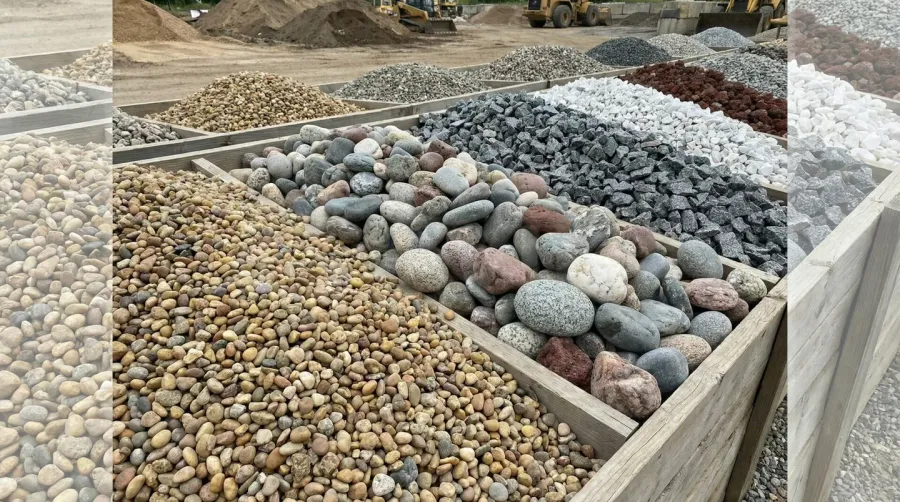
Common applications include driveways, pathways, drainage systems, and as a base material under concrete or pavers. Its excellent drainage properties make it particularly valuable for areas prone to water accumulation.
What makes limestone unique
Limestone is a sedimentary rock formed over millions of years from compressed marine organisms and sediments. This process creates a dense, durable material composed primarily of calcium carbonate.
The formation process gives limestone its characteristic light colors, typically appearing in shades of white, beige, or light gray. Unlike gravel’s varied composition, limestone maintains consistent mineral content throughout.
You’ll notice limestone has a smoother, more refined texture compared to most gravel types. This uniform appearance makes it popular for decorative applications where visual consistency matters.
Important note: Limestone naturally neutralizes soil acidity, making it beneficial for landscaping projects where soil pH balance is important.
Limestone serves multiple purposes beyond landscaping. It’s widely used in construction for building facades, flooring, and decorative elements. The material also plays a crucial role in cement production and agricultural applications as a soil conditioner.
Head-to-head comparison
| Feature | Gravel | Limestone |
|---|---|---|
| Drainage | Excellent | Good |
| Durability | Moderate | High |
| Cost | Lower | Higher |
| Maintenance | Regular | Minimal |
Composition and appearance: Gravel offers variety in both color and texture due to its mixed rock origins. Limestone provides consistency with its uniform calcium carbonate composition and refined appearance.
Durability factors: Limestone’s solid structure resists weathering better than loose gravel. However, gravel’s flexibility allows it to handle ground movement without cracking, unlike solid limestone installations. When comparing foundation materials, understanding the differences between crushed limestone and crushed granite can help you select the most durable option.
Cost considerations: Gravel typically costs 20-30% less than limestone initially. However, limestone’s longevity may offset the higher upfront investment through reduced replacement needs.
Installation requirements: Gravel installation is straightforward and often suitable for DIY projects. Limestone may require professional installation, especially for decorative applications requiring precise placement.
Choosing the right material for your needs
Select gravel when you need: – Maximum drainage for wet areas – Cost-effective solutions for large areas – Flexible surfaces that accommodate ground movement – Easy DIY installation – Temporary or frequently changed layouts
Choose limestone when you want: – Long-term durability with minimal maintenance – Refined, consistent appearance – Soil pH improvement benefits – Professional-looking finished surfaces – Investment in property value enhancement
Consider your local climate too. In areas with freeze-thaw cycles, gravel’s flexibility prevents damage that might crack solid limestone surfaces. Conversely, limestone performs better in high-wind areas where loose gravel might scatter.
Budget plays a significant role in your decision. While gravel costs less initially, factor in long-term maintenance needs. Limestone’s higher upfront cost often balances out through reduced ongoing expenses. If you’re working with limestone, understanding different limestone sizes available will help you choose the most appropriate grade for your project.
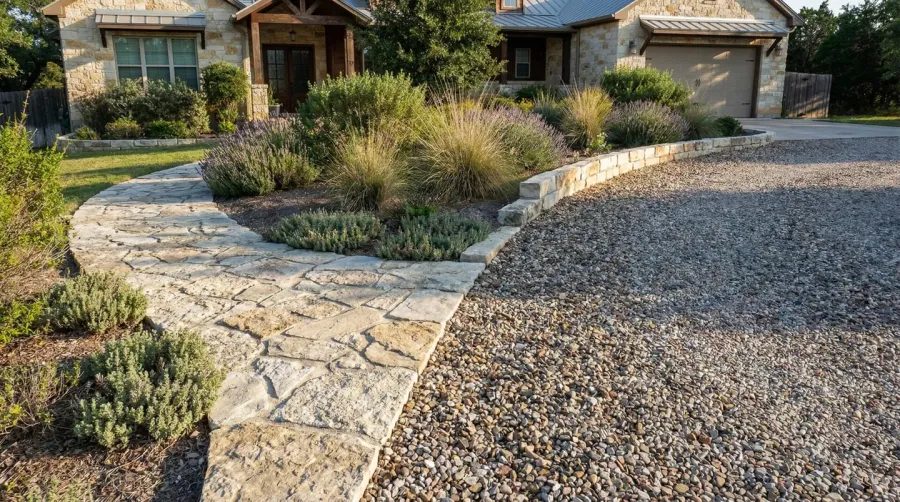
Pro tip: For the best of both worlds, consider using limestone as a decorative border with gravel fill, combining aesthetic appeal with practical drainage benefits.
Your project timeline also matters. Gravel installations can be completed quickly, while limestone projects may require more planning and professional expertise. For driveways and base applications, #610 limestone gravel offers excellent compaction and stability. For decorative pathways, consider #89 limestone pea gravel for a refined appearance.
Both gravel and limestone offer distinct advantages for different applications. Gravel excels in drainage-critical projects and budget-conscious installations, while limestone provides superior durability and refined aesthetics. Consider your specific needs, budget, and long-term goals when making your choice. The right material will serve your project well for years to come, whether you prioritize functionality, appearance, or cost-effectiveness.
FAQ
What is the main difference between gravel and limestone?
Gravel is a loose collection of rock fragments ranging from 2-64mm in diameter, sourced from various rocks like granite or limestone through natural weathering. Limestone is a solid sedimentary rock composed primarily of calcium carbonate, formed from compressed marine organisms over millions of years. Gravel offers excellent drainage and flexibility, while limestone provides superior durability and uniform appearance.
Which is better for driveways: gravel or limestone?
Gravel is better for budget-conscious projects and areas needing excellent drainage, costing 20-30% less than limestone. It’s ideal for moderate traffic and wet conditions. Limestone is superior for high-traffic driveways requiring long-term durability and professional appearance, as it resists weathering better and provides more stable compaction, though it requires higher upfront investment.
How much does gravel cost compared to limestone?
Gravel typically costs 20-30% less than limestone initially, making it more budget-friendly for large projects. However, gravel may require more frequent maintenance and replacement in high-traffic areas. While limestone has higher upfront costs, its superior durability often balances out through reduced long-term maintenance expenses and longer lifespan.
Can limestone improve soil conditions better than gravel?
Yes, limestone naturally neutralizes soil acidity due to its calcium carbonate composition, making it beneficial for landscaping projects where soil pH balance is important. Regular gravel, depending on its source rock composition, doesn’t provide the same soil conditioning benefits. This makes limestone particularly valuable for garden pathways and areas where plant health is a consideration.
Delivered price for your ZIP
Delivered to your driveway. You pick the date.
★ 4.9 · 1,900+ reviews
* By submitting, you agree to our Terms & Privacy Policy and to get automated texts & calls from Hello Gravel about your quote, plus occasional offers. Agreeing isn’t required to buy. Msg frequency varies. Msg & data rates may apply. Reply STOP to opt out, HELP for help.
How much do you need?
Pricing your limestone? Get delivered #610 Limestone prices for your ZIP.
Delivered to your driveway. You pick the date.
★ 4.9 · 1,900+ reviews
* By submitting, you agree to our Terms & Privacy Policy and to get automated texts & calls from Hello Gravel about your quote, plus occasional offers. Agreeing isn’t required to buy. Msg frequency varies. Msg & data rates may apply. Reply STOP to opt out, HELP for help.
Delivered price for your ZIP
Delivered to your driveway. You pick the date.
★ 4.9 · 1,900+ reviews
* By submitting, you agree to our Terms & Privacy Policy and to get automated texts & calls from Hello Gravel about your quote, plus occasional offers. Agreeing isn’t required to buy. Msg frequency varies. Msg & data rates may apply. Reply STOP to opt out, HELP for help.