
How long does it take to become a general contractor
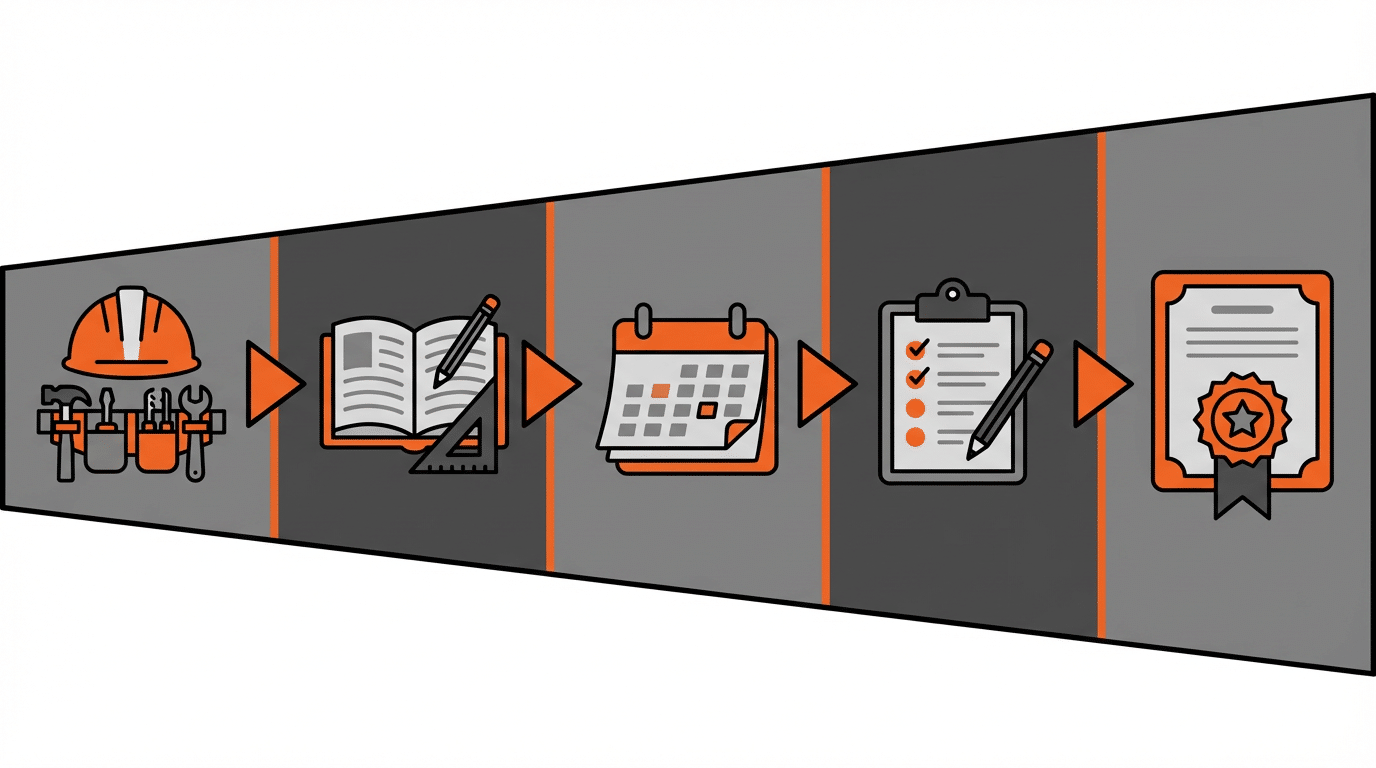
Becoming a general contractor typically takes 4 to 6 years, combining education, hands-on experience, and licensing requirements. The exact timeline depends on your chosen education path, state licensing requirements, and how quickly you gain the necessary construction experience.
Quick Answer: Most aspiring general contractors need 2-4 years of construction experience plus additional time for education and licensing exams. States like California require 4 years of experience, while others may accept less with formal education.
The journey involves multiple stages that often overlap. You might complete your high school education while working part-time in construction, or pursue a degree while gaining hands-on experience through internships. Understanding each component helps you plan your path more effectively.
Education requirements and timeline
Your educational foundation significantly impacts how long it takes to become licensed. A high school diploma or GED serves as the minimum requirement, but most successful contractors pursue additional training.
Trade schools and apprenticeship programs offer the fastest route, typically lasting 6 months to 2 years. These programs focus specifically on construction skills and project management fundamentals. downtobid.com notes that apprenticeships can last 3-4 years but provide valuable hands-on experience while you learn.
College degrees in construction management or engineering take 2-4 years but often reduce experience requirements for licensing. Many states accept formal education as partial substitution for work experience, potentially shortening your overall timeline.
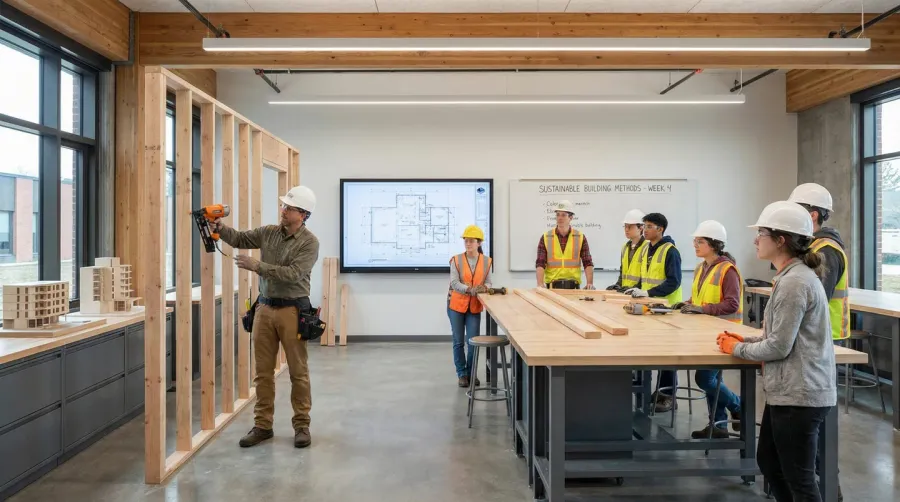
Community colleges offer associate degrees in construction technology, providing a middle ground between trade school speed and university depth. These programs typically take 18-24 months and include both technical skills and business management courses.
Work experience and skill development
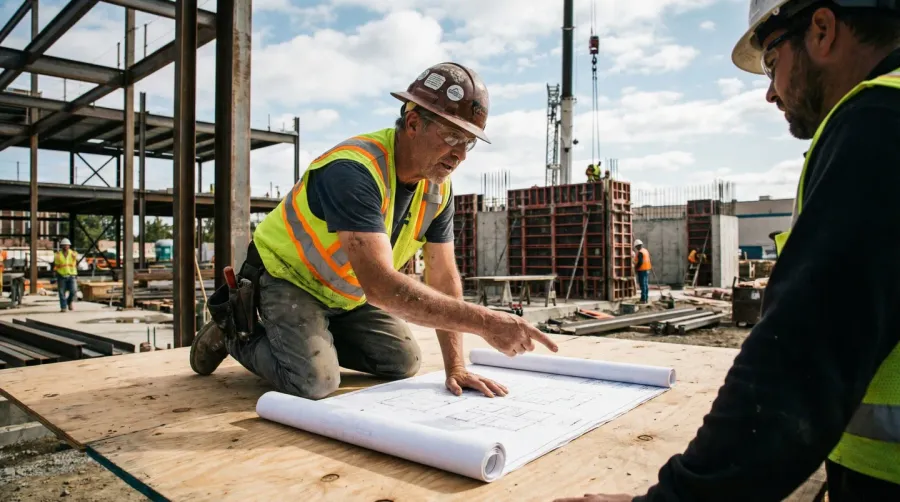
Construction experience forms the backbone of general contractor qualifications. Most states require 2-4 years of documented construction work before you can apply for a license.
You can start gaining experience immediately after high school through entry-level positions like construction laborer, carpenter’s assistant, or project helper. These roles expose you to different trades and project phases while building your professional network. Understanding the most popular types of construction projects in the largest cities can help you identify where opportunities exist.
Pro Tip: Working for established general contractors provides the best learning experience, as you’ll see project management, client communication, and subcontractor coordination firsthand.
The quality of your experience matters as much as quantity. Seek opportunities that expose you to project planning, budget management, and client interaction. Many contractors start by specializing in one trade before expanding into general contracting. Learning how to find the right construction contractor for your project from the client’s perspective can also provide valuable insights.
Apprenticeship programs combine work experience with formal training, making them particularly valuable. invoicefly.com emphasizes that these programs often lead directly to general contracting opportunities with sponsoring companies.
Licensing process and requirements
State licensing requirements vary significantly, affecting your timeline. Some states like Texas have no state-level licensing requirement, while others like California have strict experience and examination standards.
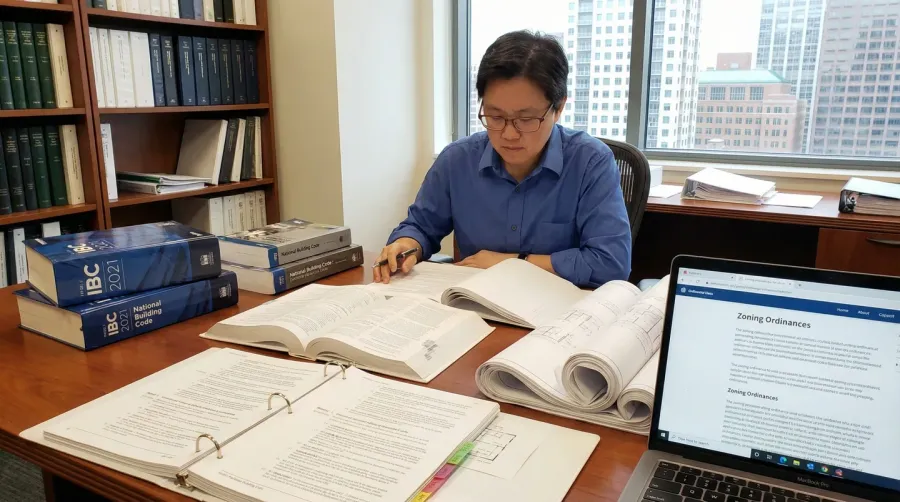
The licensing process typically includes submitting proof of experience, passing written examinations, and meeting financial requirements like bonding and insurance. simplybusiness.com notes that most states require passing mandatory exams and having a clean work record. If you’re considering specializing, you should also research whether landscape contractors need a license in your state.
Preparing for licensing exams can take 2-6 months, depending on your background knowledge and study schedule. The exams cover building codes, safety regulations, business practices, and project management principles.
Financial requirements include obtaining liability insurance, workers’ compensation coverage, and sometimes surety bonds. Arranging these can take several weeks to months, especially for new contractors without established credit or business history.
Some states offer reciprocity agreements, allowing licensed contractors to transfer their credentials more easily. However, you’ll still need to meet local requirements and may need additional testing or documentation. Understanding how to look up a landscaping contractor’s license can help you verify credentials in different jurisdictions.
Accelerating your path to licensing
Several strategies can help you become licensed faster while maintaining quality preparation. Starting construction work during high school or college provides a head start on experience requirements.
Pursuing relevant education while working reduces overall timeline by satisfying multiple requirements simultaneously. Many successful contractors complete associate degrees while working full-time in construction.
Time-Saver: Some states count formal education toward experience requirements, potentially reducing the work experience needed by 1-2 years.
Building strong relationships with established contractors can lead to mentorship opportunities and recommendation letters for licensing applications. These connections often provide insights into efficient licensing strategies specific to your state. Learning how contractors find jobs can also help you network more effectively.
Focusing on high-quality experience rather than just accumulating time helps you develop skills faster and makes you more attractive to licensing boards. Seek projects that involve multiple trades, complex coordination, and client interaction. You may also want to explore whether a general contractor can do landscaping to expand your service offerings.
Preparing for licensing exams early, even before meeting experience requirements, helps identify knowledge gaps and allows more time for thorough preparation. Many contractors start studying building codes and regulations during their experience-building phase. Additionally, utilizing best online resources for contractors can streamline your learning process.
The path to becoming a general contractor requires patience and strategic planning, but the timeline becomes manageable when you understand each component. Most people complete the journey in 4-6 years, though motivated individuals with the right opportunities can achieve licensing faster. Focus on gaining quality experience, building professional relationships, and staying informed about your state’s specific requirements to optimize your timeline. Once licensed, you’ll need to master skills like how to price your services as a contractor and how to manage your time as a contractor to build a successful business.
FAQ
How long does it take to become a general contractor with no experience?
Starting with no experience, it typically takes 4-6 years to become a licensed general contractor. You’ll need 2-4 years of documented construction work experience (depending on your state), plus time for education, exam preparation, and licensing applications. You can start gaining experience immediately through entry-level positions like construction laborer or carpenter’s assistant while pursuing relevant education.
Can education reduce the experience requirements for general contractor licensing?
Yes, many states accept formal education as partial substitution for work experience requirements. A college degree in construction management or engineering can reduce experience requirements by 1-2 years in some states. Trade school programs and apprenticeships also count toward experience requirements while providing valuable hands-on training and education simultaneously.
What are the main steps to get a general contractor license?
The main steps include: 1) Gain required construction experience (2-4 years depending on state), 2) Complete any required education or training programs, 3) Pass state licensing examinations covering building codes and business practices, 4) Submit license application with proof of experience and education, 5) Obtain required insurance and bonding, and 6) Pay licensing fees. The process varies significantly by state.
How long does it take to prepare for general contractor licensing exams?
Exam preparation typically takes 2-6 months, depending on your background knowledge and study schedule. The exams cover building codes, safety regulations, business practices, and project management principles. Many contractors start studying during their experience-building phase to identify knowledge gaps early and allow more time for thorough preparation.