
How to Save Money as a General Contractor in 2026
Guide handoff
Want help applying this guide to your project?
Share your ZIP and what you need help with. We'll use this guide as context when we follow up.
- 1 This guide gives us the context you were reading.
- 2 Ask about pricing, material choice, delivery timing, or quantity.
- 3 Keep it broad if you are still figuring out the project.
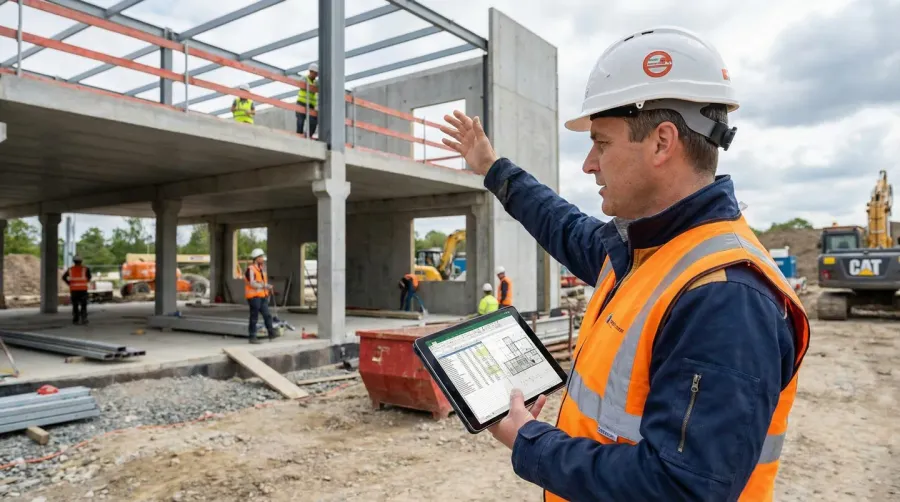
Construction costs are squeezing profit margins tighter than ever. With labor representing 30% to 50% of project budgets and material prices continuing to climb, general contractors need smart strategies to protect their bottom line. The good news? Small improvements in cost management can yield significant savings across your projects.
Quick Answer: General contractors can save 15-30% on project costs by optimizing labor management, implementing just-in-time material deliveries, using equipment rental strategically, and leveraging project management software for better workflow efficiency.
Whether you’re managing a small crew or overseeing multiple job sites, controlling expenses without sacrificing quality requires a systematic approach. This guide breaks down the four biggest cost drivers in construction and provides actionable strategies to reduce each one.
Understanding your biggest expense categories
Before diving into cost-cutting strategies, you need to understand where your money actually goes. Most general contractors struggle with tracking expenses in real-time, making it difficult to spot overruns before they impact profitability.
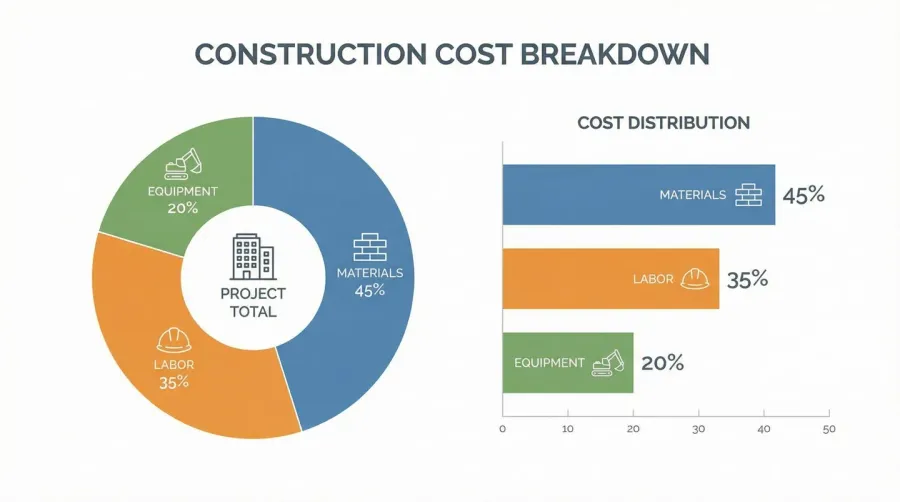
Labor costs typically claim the largest portion of your budget, followed by materials, equipment, and administrative expenses. According to hh2.com, these two categories alone can make or break project profitability if not properly managed.
The key is implementing systems that give you visibility into these costs before they spiral out of control. Many contractors discover cost overruns only when reviewing final project reports, by which time it’s too late to make meaningful adjustments.
Cutting labor costs without cutting quality
Labor management offers the biggest opportunity for immediate savings. smartbarrel.io reports that effective workforce management can reduce overtime expenses by up to 15% while minimizing overstaffing issues.
Start by implementing time tracking software that provides real-time visibility into employee hours and performance. This technology helps identify productivity gaps and eliminates the common problem of workers waiting for materials or equipment while still on the clock.
Cross-training your crew creates additional flexibility and cost savings. When team members can handle multiple roles, you can keep work moving during subcontractor delays and reduce the need for specialized crews on small tasks. This approach also boosts team morale by providing job security during slower periods.
Pro Tip: Schedule regular toolbox talks and standardize daily workflows to reduce rework and missed steps. Consistent processes eliminate confusion and keep projects moving efficiently.
Consider your scheduling approach carefully. corfix.com suggests coordinating inspections and site visits to minimize travel time and vehicle costs, which can add up quickly across multiple projects. Effective time management strategies can significantly reduce wasted hours and improve overall project efficiency.
Smart material procurement strategies
Material costs represent another major expense category where strategic thinking pays off. The key is balancing cost savings with quality requirements and project timelines.
Implement just-in-time delivery scheduling when possible. This approach reduces cash flow strain and minimizes on-site storage issues while preventing material damage or theft. For projects with predictable timelines, coordinate delivery schedules based on your actual construction sequence. When sourcing aggregates like gravel, crushed stone, sand, and fill dirt, working with suppliers who can deliver materials nationwide with fast turnaround times—sometimes in as little as 2 business days—can significantly reduce project delays and storage costs. Understanding quality construction materials helps ensure you’re not sacrificing durability for short-term savings.
Building relationships with reliable suppliers creates opportunities for bulk discounts and preferential pricing. However, avoid the temptation to over-order materials just to hit volume thresholds. Excess materials tie up cash and create storage headaches that often cost more than the savings. For larger projects requiring 500 tons or more of aggregates, establishing partnerships with suppliers who specialize in these volumes can provide substantial cost advantages.
Consider material standardization across projects. When you consistently use the same products and specifications, suppliers are more likely to offer competitive pricing, and your crew becomes more efficient with familiar materials. Whether you’re working on landscaping projects or traditional construction, standardization pays dividends.
Optimizing equipment management
Equipment costs can quickly spiral out of control without proper oversight.
Evaluate whether renting or purchasing equipment makes more sense for each project. For specialized tools used infrequently, rental often provides better value than ownership. Track equipment utilization rates to identify underused assets that could be sold or rented to other contractors.
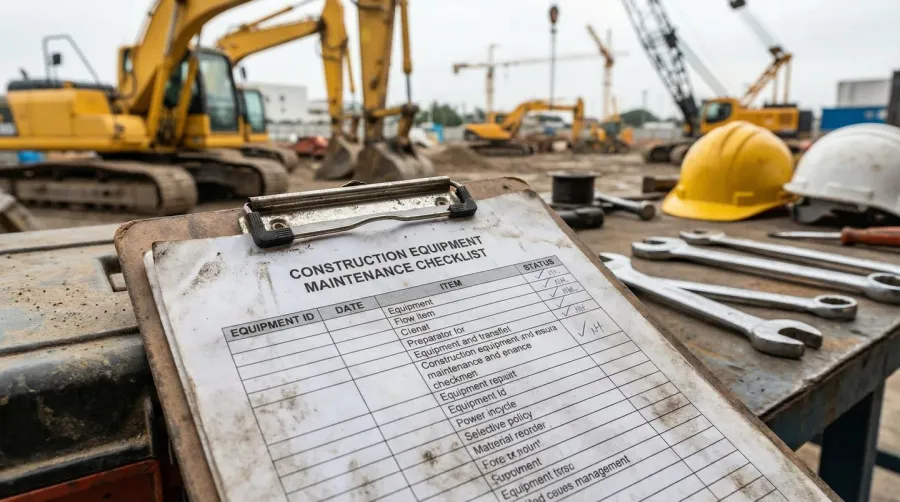
Implement preventive maintenance schedules for owned equipment. Regular inspections and maintenance prevent costly breakdowns and extend equipment life. Keep detailed maintenance records to optimize replacement timing and identify patterns that might indicate operator training needs.
| Equipment Decision | Rent When | Buy When |
|---|---|---|
| Specialized tools | Used less than 60 days/year | Used more than 200 days/year |
| Heavy machinery | Project-specific needs | Multiple ongoing projects |
| Small tools | Testing new technology | Daily use across projects |
Leveraging technology for project efficiency
Modern project management software can reduce operational costs by up to 20% through improved communication and workflow optimization. These tools eliminate the inefficiencies that plague many construction projects.
Choose software that consolidates multiple functions rather than paying for separate apps for forms, time tracking, and crew communication. Fewer systems mean less training time, fewer monthly subscriptions, and better data consistency across your projects. Learning how to find jobs efficiently and manage them effectively requires the right digital tools.
Focus on solutions that provide real-time project visibility. When you can track progress, costs, and potential issues as they develop, you can make adjustments before small problems become expensive delays. For material procurement, using online calculators to determine exact cubic yards or tons needed based on project measurements can prevent over-ordering and reduce waste.
Cost-Saving Insight: Experienced project managers who can provide accurate cost and timeline estimates typically save projects 10-15% through better planning and risk mitigation.
Don’t overlook the importance of comprehensive risk assessment. some sources reports that effective risk mitigation strategies can reduce the likelihood of cost overruns by up to 30%. Understanding how to price your services accurately from the start prevents costly underestimation and helps maintain healthy profit margins.
Successful cost management as a general contractor requires attention to detail across all expense categories. By implementing systematic approaches to labor optimization, material procurement, equipment management, and project oversight, you can significantly improve your profit margins while maintaining the quality standards your clients expect. Start with one area where you see the biggest opportunity, then gradually expand your cost-control efforts across all aspects of your business.
FAQ
How can general contractors handle rising material costs in 2026?
General contractors can manage rising material costs by implementing just-in-time delivery scheduling to reduce cash flow strain, building strong relationships with suppliers for bulk discounts, and standardizing materials across projects. Focus on coordinating delivery schedules based on your actual construction sequence and avoid over-ordering materials just to hit volume thresholds, as excess materials tie up cash and create storage issues.
What are the biggest labor challenges for contractors and how to address them?
The biggest labor challenges include high costs (30-50% of project budgets), overtime expenses, and productivity gaps. Address these by implementing time tracking software for real-time visibility, cross-training crew members for flexibility, and standardizing daily workflows through regular toolbox talks. Effective workforce management can reduce overtime expenses by up to 15% while minimizing overstaffing issues.
Should contractors rent or buy equipment to save money?
The decision depends on usage frequency. Rent specialized tools used less than 60 days per year, and buy equipment used more than 200 days annually. For project-specific needs, rental often provides better value than ownership. Track equipment utilization rates to identify underused assets and implement preventive maintenance schedules for owned equipment to reduce costs by up to 20%.
How much can technology save general contractors on project costs?
Modern project management software can reduce operational costs by up to 20% through improved communication and workflow optimization. Choose software that consolidates multiple functions rather than paying for separate apps, and focus on solutions that provide real-time project visibility. Effective risk mitigation strategies using technology can reduce the likelihood of cost overruns by up to 30%.