
Is Recycled Asphalt Good for a Driveway
Pricing your crushed concrete? Get delivered prices for your ZIP.
We'll text your delivered price. No obligation.
Delivered to your driveway. You pick the date.
★ 4.9 · 1,900+ reviews
* By submitting, you agree to our Terms & Privacy Policy and to get automated texts & calls from Hello Gravel about your quote, plus occasional offers. Agreeing isn’t required to buy. Msg frequency varies. Msg & data rates may apply. Reply STOP to opt out, HELP for help.
- Crushed Concrete: from $80/ton near Columbus
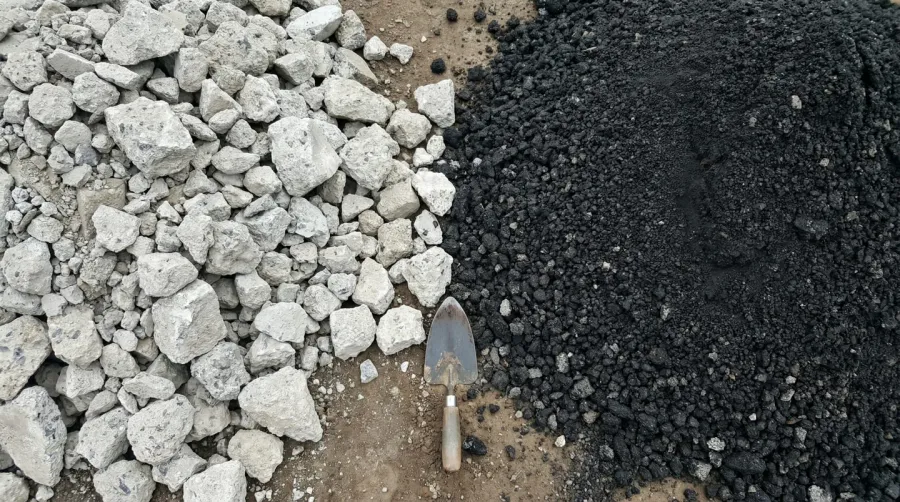
Choosing between crushed concrete and recycled asphalt for your driveway can feel overwhelming. Both materials offer excellent value as eco-friendly alternatives to new asphalt or concrete, but they perform differently in key areas like cost, durability, and maintenance.
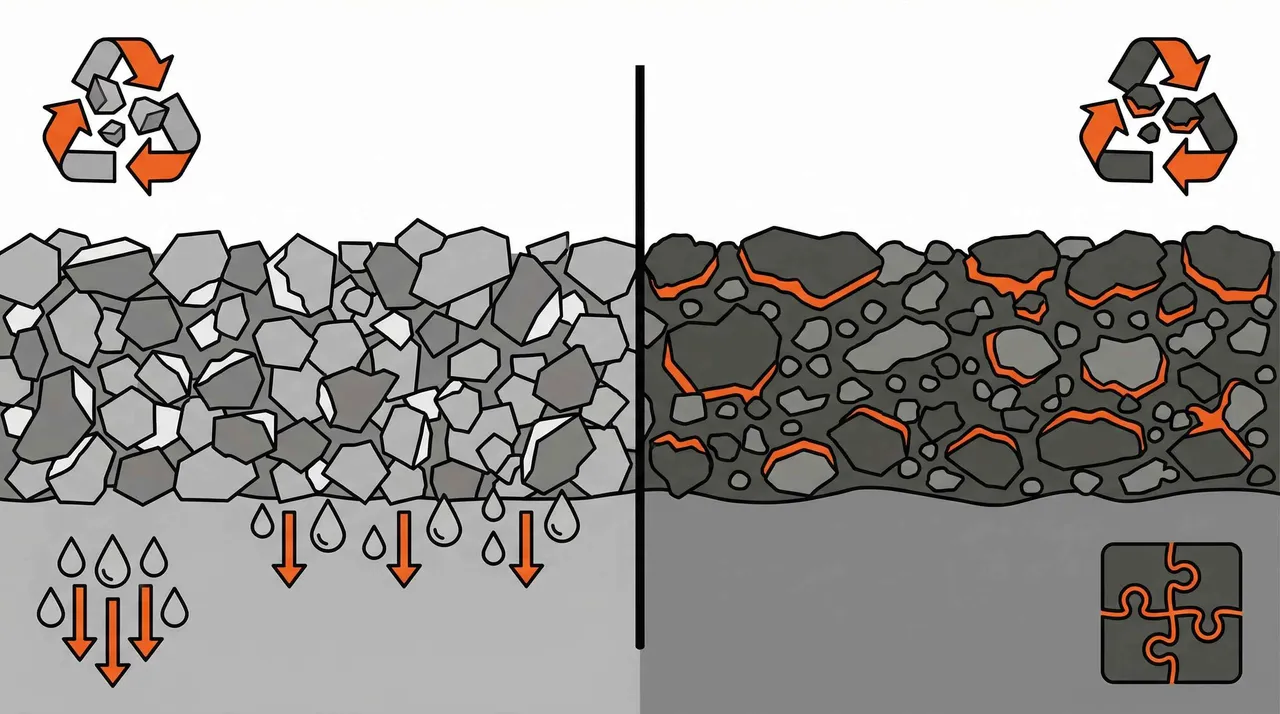
Crushed concrete excels as a strong base material with superior drainage, while recycled asphalt provides a smoother, more traditional driveway surface at a lower upfront cost. Your choice depends on factors like traffic load, climate conditions, and aesthetic preferences.
Quick Answer: For light residential driveways, recycled asphalt typically offers the best balance of cost and appearance. For heavy-duty applications or areas with drainage concerns, crushed concrete provides superior strength and water management.
This guide breaks down the essential differences between these materials, helping you make an informed decision based on your specific needs and budget.
About Hello Gravel
Hello Gravel delivers bulk gravel, rock, dirt, and sand by the ton. Enter your ZIP code to see prices with delivery included. A local dump-truck driver places the load where access is safe; spreading is not included.
What is crushed concrete and how is it made
Crushed concrete comes from demolished concrete structures like buildings, sidewalks, and old roadways. The recycling process involves removing steel rebar and other contaminants, then crushing the concrete into various sizes using specialized equipment.
The resulting material features angular, interlocking particles that create excellent load-bearing strength when compacted. This angular shape allows crushed concrete to lock together tightly, forming a stable base that resists shifting under weight.
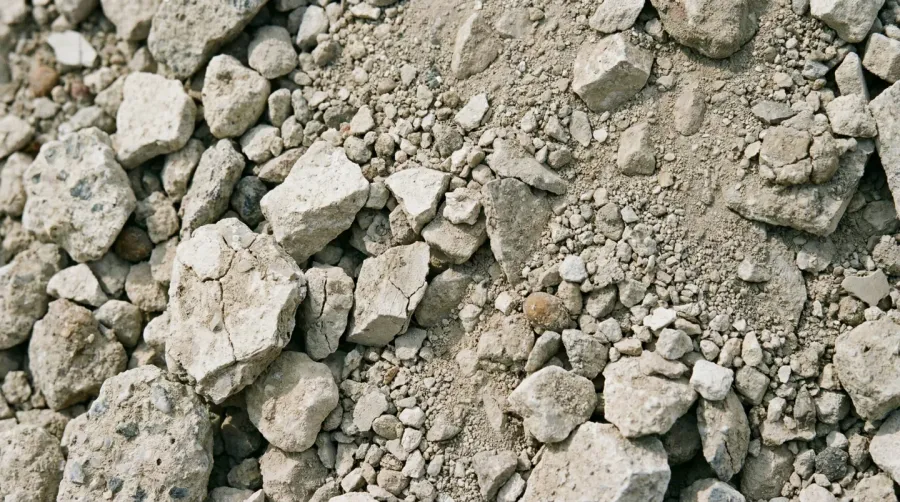
You’ll commonly find crushed concrete used as a base for driveways, parking lots, and construction pads. Its porous nature makes it ideal for drainage applications, though this same porosity can create dust if not properly managed. The lighter color compared to asphalt also helps reflect heat in warmer climates.
Understanding recycled asphalt and its properties
Recycled asphalt, also called asphalt millings, comes from old asphalt pavement that’s been milled or crushed into aggregate. Unlike crushed concrete, recycled asphalt millings retain some of their original asphalt binder, which gives them unique compaction properties.
When exposed to heat and traffic, recycled asphalt naturally compacts and binds together, creating a surface that resembles traditional asphalt. This self-binding quality makes it water-resistant and helps prevent mud formation during wet weather.
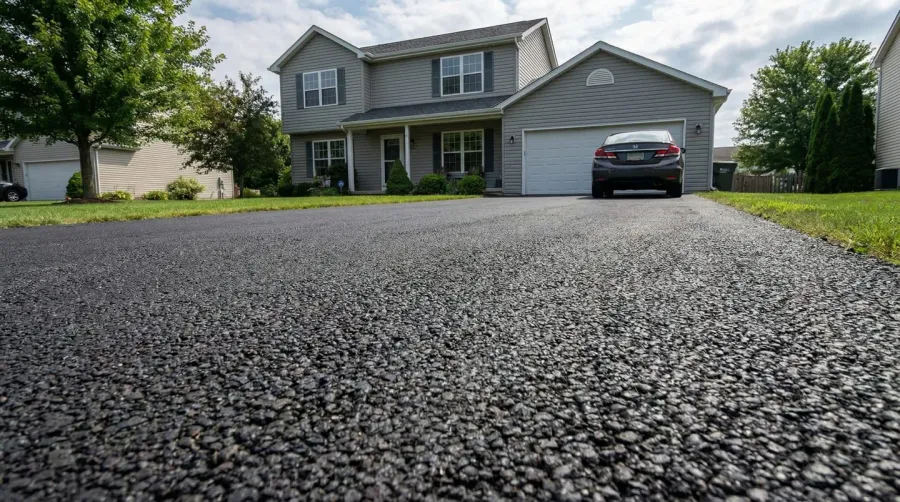
The dark color and smooth texture of recycled asphalt appeal to homeowners who want their driveway to look like traditional asphalt without the high cost. However, this material can soften and potentially rut under extreme heat or very heavy loads like large trucks or construction equipment.
Important Note: Recycled asphalt performs best in moderate climates and with regular passenger vehicle traffic. Extreme heat can cause softening and rutting issues.
Comparing costs and long-term value
Both materials cost significantly less than new asphalt or concrete, making them budget-friendly options for most homeowners. Recycled asphalt typically has the lowest upfront material cost, often running 30-50% less than new asphalt installation.
| Factor | Crushed Concrete | Recycled Asphalt |
|---|---|---|
| Material Cost | Moderate | Lower |
| Installation | Standard | Standard |
| Maintenance | Low | Moderate |
| Lifespan | 15-20 years | 10-15 years |
Crushed concrete offers better long-term value despite potentially higher initial costs. Its durability and low maintenance requirements mean fewer repairs and touch-ups over time. The material rarely needs replacement when properly installed and maintained.
Installation costs for both materials remain similar since they require comparable base preparation and compaction equipment. Your total project cost will depend more on factors like site preparation, thickness requirements, and local material availability. When comparing crushed concrete vs gravel price, you’ll find that crushed concrete often provides better value for high-traffic applications.
Choosing the right material for your specific needs
Your decision should align with how you plan to use your driveway and local conditions. For typical residential driveways with passenger cars and light trucks, recycled asphalt provides an excellent balance of cost, appearance, and performance.
Choose crushed concrete when you need maximum strength and drainage. This includes situations with heavy vehicles like RVs, delivery trucks, or farm equipment. Properties with poor drainage or frequent heavy rainfall also benefit from crushed concrete’s superior water management.
Climate plays a crucial role in material selection. In areas with extreme summer heat, crushed concrete’s lighter color and stability give it an advantage over recycled asphalt, which may soften. For regions with harsh winters, both materials handle freeze-thaw cycles well, though recycled asphalt’s smoother surface makes snow removal easier.
Consider your aesthetic preferences too. Recycled asphalt looks more like traditional pavement, while crushed concrete has a gravel-like appearance that some homeowners prefer for its natural look. If you’re exploring alternatives, you might also want to compare crushed concrete vs pea gravel for decorative applications.
Pro Tip: You can combine both materials by using crushed concrete as a base layer topped with recycled asphalt for the best of both worlds – strength and appearance.
For projects requiring a stable foundation, understanding the differences between crushed concrete vs road base can help you select the optimal base material. Similarly, if you’re working with specific regional materials, learning about crushed concrete vs crusher run will provide valuable insights into compaction and drainage characteristics.
Getting started with your driveway project becomes much easier when you work with experienced suppliers who understand local conditions and material performance. Hello Gravel offers both crushed concrete and recycled asphalt, along with expert guidance to help you choose the right material for your specific situation. Our team can assess your site conditions, traffic needs, and budget to recommend the optimal solution for your driveway project.
FAQ
Is recycled asphalt good for a driveway?
Yes, recycled asphalt (also called asphalt millings) is excellent for residential driveways. It compacts into a smooth, hard surface that resembles traditional asphalt at a fraction of the cost. The material naturally binds together when exposed to heat and traffic, creating a water-resistant surface that prevents mud formation. However, it may soften under extreme heat or very heavy loads, so it’s best suited for standard passenger vehicle traffic.
Which drains better: crushed concrete or recycled asphalt?
Crushed concrete drains significantly better than recycled asphalt. The angular particles of crushed concrete create a porous structure that allows water to flow through easily, making it ideal for areas with drainage concerns or heavy rainfall. Recycled asphalt, on the other hand, is more water-resistant and tends to shed water rather than absorb it, which can be beneficial for preventing erosion but doesn’t provide the same drainage benefits.
How much does crushed asphalt cost compared to crushed concrete?
Recycled asphalt typically costs 30-50% less than crushed concrete as a material, making it the more budget-friendly upfront option. However, crushed concrete often provides better long-term value due to its superior durability and lower maintenance requirements over 15-20 years. The exact cost difference varies by location, quantity needed, and local availability of recycled materials.
Which lasts longer: crushed concrete or recycled asphalt?
Crushed concrete typically lasts longer, with a lifespan of 15-20 years when properly installed and maintained. Its angular particles interlock to create exceptional stability that resists shifting and settling over time. Recycled asphalt generally lasts 10-15 years and can harden and improve with age, but may require periodic maintenance or regrading, especially in high-traffic areas or extreme weather conditions.
Delivered price for your ZIP
Delivered to your driveway. You pick the date.
★ 4.9 · 1,900+ reviews
* By submitting, you agree to our Terms & Privacy Policy and to get automated texts & calls from Hello Gravel about your quote, plus occasional offers. Agreeing isn’t required to buy. Msg frequency varies. Msg & data rates may apply. Reply STOP to opt out, HELP for help.
How much do you need?
Pricing your crushed concrete? Get delivered prices for your ZIP.
Delivered to your driveway. You pick the date.
★ 4.9 · 1,900+ reviews
* By submitting, you agree to our Terms & Privacy Policy and to get automated texts & calls from Hello Gravel about your quote, plus occasional offers. Agreeing isn’t required to buy. Msg frequency varies. Msg & data rates may apply. Reply STOP to opt out, HELP for help.
Delivered price for your ZIP
Delivered to your driveway. You pick the date.
★ 4.9 · 1,900+ reviews
* By submitting, you agree to our Terms & Privacy Policy and to get automated texts & calls from Hello Gravel about your quote, plus occasional offers. Agreeing isn’t required to buy. Msg frequency varies. Msg & data rates may apply. Reply STOP to opt out, HELP for help.
Before you call
One quick detail helps the person who picks up. You can skip it.