
Road Base vs Crushed Concrete for Driveways (2026)
Pricing your crushed concrete? Get delivered prices for your ZIP.
We'll text your delivered price. No obligation.
Delivered to your driveway. You pick the date.
★ 4.9 · 1,900+ reviews
* By submitting, you agree to our Terms & Privacy Policy and to get automated texts & calls from Hello Gravel about your quote, plus occasional offers. Agreeing isn’t required to buy. Msg frequency varies. Msg & data rates may apply. Reply STOP to opt out, HELP for help.
- Crushed Concrete: from $80/ton near Columbus
- Road Base: from $58/ton near Columbus
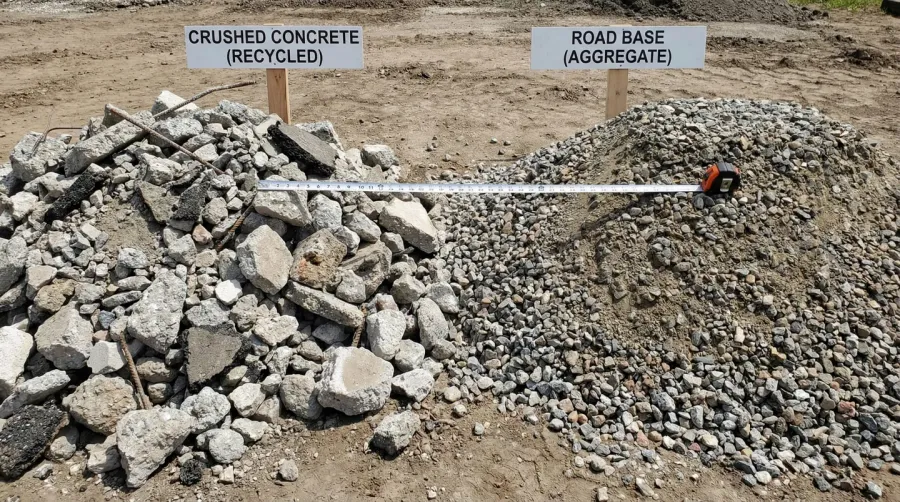
Choosing the wrong base material for your driveway can lead to ruts, standing water, and costly repairs down the road. Whether you’re building a new driveway, private road, or foundation, the choice between crushed concrete and road base will significantly impact your project’s performance and longevity.
Quick answer: Crushed concrete works best for light-duty driveways and eco-conscious projects, offering excellent drainage at a lower cost. Road base excels in heavy-duty applications like commercial driveways and areas with frequent truck traffic, providing superior load-bearing strength.
Key insight: Crushed concrete costs 20-30% less than traditional road base while offering comparable performance for residential driveways and light commercial use.
This guide breaks down the practical differences between these materials so you can make the right choice for your specific project needs and budget.
About Hello Gravel
Hello Gravel delivers bulk gravel, rock, dirt, and sand by the ton. Enter your ZIP code to see prices with delivery included. A local dump-truck driver places the load where access is safe; spreading is not included.
What is crushed concrete and when should you use it
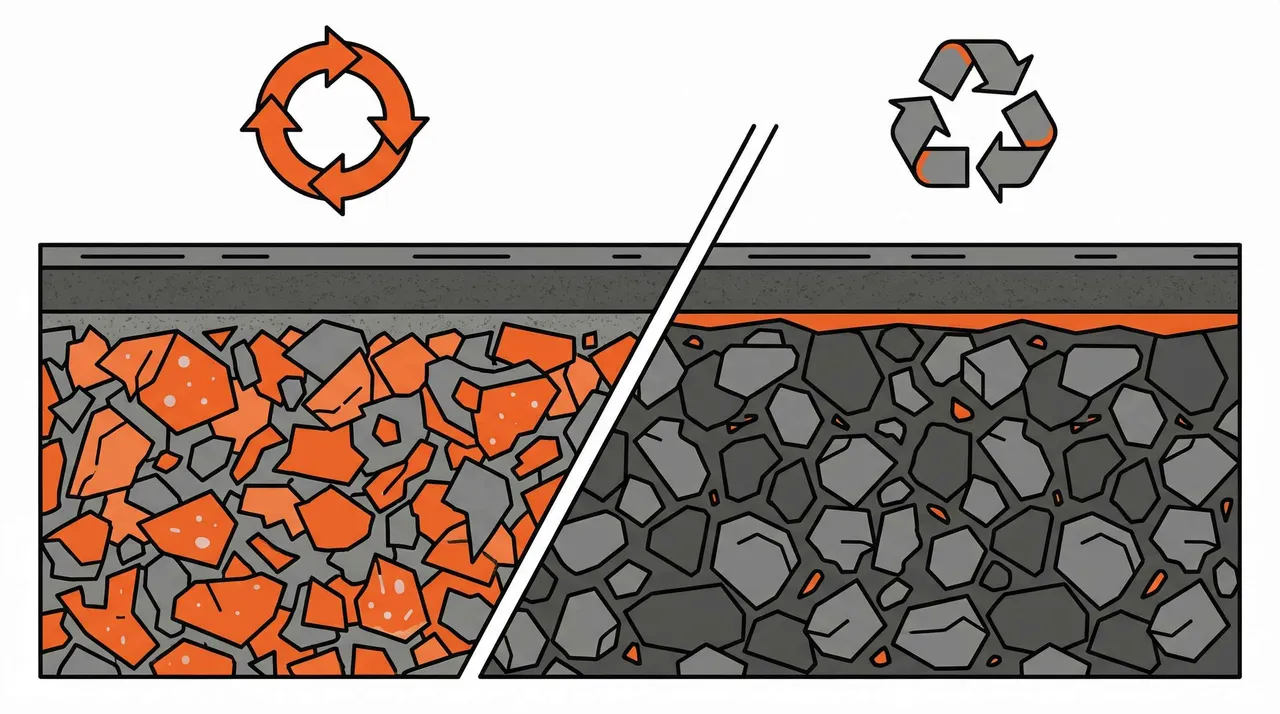
Crushed concrete, also known as recycled concrete aggregate (RCA), comes from demolished concrete structures that are crushed and sorted into various sizes. This recycled material typically contains cement particles, aggregate stones, and sometimes small amounts of rebar or other materials.
The most common sizes range from fine powder up to 2-inch chunks, with 3/4-inch minus being the standard for driveway applications. To better understand the different types of crushed concrete available, you’ll find that crushed concrete works exceptionally well for residential driveways, parking pads, walkways, and drainage applications where moderate traffic is expected.
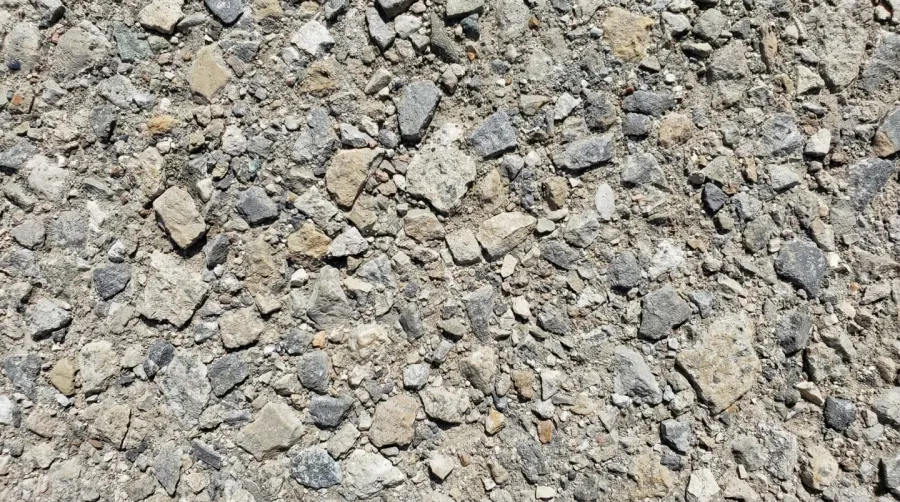
The material compacts reasonably well and provides natural drainage due to its angular shape and varied particle sizes. However, it may not achieve the same level of compaction as engineered road base materials, making it better suited for lighter applications.
Understanding road base and its engineering advantages
Road base, also called aggregate base or road rock, consists of carefully graded crushed rock mixed with fine particles. Engineers design the particle size distribution to create maximum density and stability when properly compacted.
This material typically contains a blend of larger stones (up to 1.5 inches) combined with smaller rocks and fine dust in specific proportions. The engineering behind road base ensures it locks together tightly under compaction, creating a solid foundation capable of supporting heavy loads.
You’ll want road base for commercial driveways, private roads with regular truck traffic, areas under concrete slabs, and any application where maximum strength and stability are priorities. The material costs more than crushed concrete but delivers superior performance in demanding conditions. If you’re considering alternatives, you may want to explore the differences between crushed concrete and crusher run for your specific needs.
Engineering fact: Properly compacted road base can support loads exceeding 100 pounds per square inch, making it suitable for heavy equipment and commercial traffic.
Side-by-side comparison of performance and costs
The choice between these materials often comes down to balancing cost, performance requirements, and environmental considerations for your specific project.
| Factor | Crushed Concrete | Road Base |
|---|---|---|
| Cost per ton | $15-25 | $20-35 |
| Load bearing | Good for cars/light trucks | Excellent for heavy traffic |
| Drainage | Excellent natural drainage | Good with proper grading |
| Compaction | Moderate density achievable | Maximum density when compacted |
| Environmental impact | Eco-friendly recycled material | Requires quarrying new materials |
Crushed concrete shines in residential applications where drainage is important and heavy traffic isn’t expected. The material’s angular shape and varied sizes create natural water channels, reducing puddle formation and mud issues during wet weather. For budget-conscious homeowners, understanding which is cheaper crushed concrete or gravel can help you make an informed decision.
Road base excels when you need maximum stability and load-bearing capacity. The engineered gradation allows for superior compaction, creating a surface that resists rutting and maintains its shape under stress. This makes it the preferred choice for commercial applications and areas with regular heavy vehicle use.
Choosing the right material for your specific project
Your project type and expected traffic load should drive your material selection more than cost alone. Here’s how to match the right material to your needs.
For residential driveways with typical car traffic, crushed concrete provides excellent value. The material handles daily vehicle use well while offering superior drainage compared to traditional options. If you occasionally have delivery trucks or RVs, crushed concrete can still work with proper thickness (4-6 inches compacted). When comparing base materials, you might also consider crushed concrete versus Class 5 for your driveway foundation.
Choose road base for driveways that regularly see heavy trucks, RVs, or commercial vehicles. The material’s superior compaction and load-bearing capacity prevent the rutting and surface degradation common with lighter materials under heavy loads. You’ll also want road base for steep driveways where erosion resistance is critical.
Project tip: For patios and walkways, crushed concrete offers better aesthetics and drainage, while road base works better as a foundation layer under pavers or concrete slabs.
Private roads and long driveways benefit from road base’s durability and low maintenance requirements. While the initial cost is higher, the reduced need for re-grading and additional material over time often makes road base more economical for large projects. For those exploring alternative materials, comparing crushed concrete and recycled asphalt can provide additional insights into eco-friendly options.
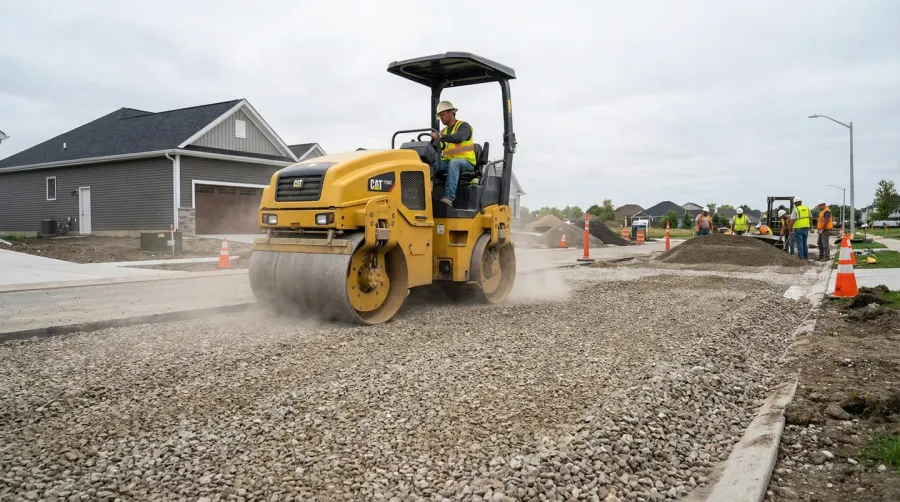
Both materials require proper installation with adequate thickness and compaction. Plan for 4-6 inches of compacted material for residential driveways and 6-8 inches for commercial applications. Proper subgrade preparation and moisture control during installation are essential regardless of which material you choose.
The decision ultimately depends on balancing your budget, traffic requirements, and long-term maintenance preferences. Crushed concrete offers an environmentally responsible choice with good performance for lighter applications, while road base provides maximum durability for demanding conditions.
Ready to move forward with your project? Hello Gravel can help you determine the right material and quantity for your specific needs, with expert delivery service to ensure your project starts on solid ground.
Frequently Asked Questions About Crushed Concrete vs Road Base
Is crushed concrete good for road base?
Yes, crushed concrete makes an excellent road base for many applications. When properly compacted, it provides strong load-bearing capacity and locks together to create a stable foundation. It’s particularly effective for residential driveways, parking areas, and light commercial roads where heavy truck traffic isn’t constant.
Is crushed concrete cheaper than road base?
Yes, crushed concrete typically costs 20-30% less than traditional road base made from virgin aggregate. The cost savings come from using recycled materials rather than newly quarried stone. However, prices can vary based on local availability, transportation costs, and specific project requirements.
How thick should crushed concrete or road base be for a driveway?
For residential driveways with typical car traffic, plan for 4-6 inches of compacted base material. If you expect occasional heavy vehicles like delivery trucks or RVs, increase the thickness to 6-8 inches. Proper subgrade preparation and compaction are essential regardless of which material you choose.
Does crushed concrete drain better than road base?
Crushed concrete generally offers excellent drainage due to its angular shape and varied particle sizes, which create natural water channels. Traditional road base can also drain well, but this depends on the specific gradation and fines content. Both materials provide good drainage when properly installed with adequate slope for water runoff.
Delivered price for your ZIP
Delivered to your driveway. You pick the date.
★ 4.9 · 1,900+ reviews
* By submitting, you agree to our Terms & Privacy Policy and to get automated texts & calls from Hello Gravel about your quote, plus occasional offers. Agreeing isn’t required to buy. Msg frequency varies. Msg & data rates may apply. Reply STOP to opt out, HELP for help.
How much do you need?
Pricing your crushed concrete? Get delivered prices for your ZIP.
Delivered to your driveway. You pick the date.
★ 4.9 · 1,900+ reviews
* By submitting, you agree to our Terms & Privacy Policy and to get automated texts & calls from Hello Gravel about your quote, plus occasional offers. Agreeing isn’t required to buy. Msg frequency varies. Msg & data rates may apply. Reply STOP to opt out, HELP for help.
Delivered price for your ZIP
Delivered to your driveway. You pick the date.
★ 4.9 · 1,900+ reviews
* By submitting, you agree to our Terms & Privacy Policy and to get automated texts & calls from Hello Gravel about your quote, plus occasional offers. Agreeing isn’t required to buy. Msg frequency varies. Msg & data rates may apply. Reply STOP to opt out, HELP for help.
Before you call
One quick detail helps the person who picks up. You can skip it.