Class 5 Gravel vs Crushed Concrete: Which Base Material Is Best for Your Driveway
Published on: December 10, 2025
Get an estimate for your project in 60 seconds
 Your information is secure
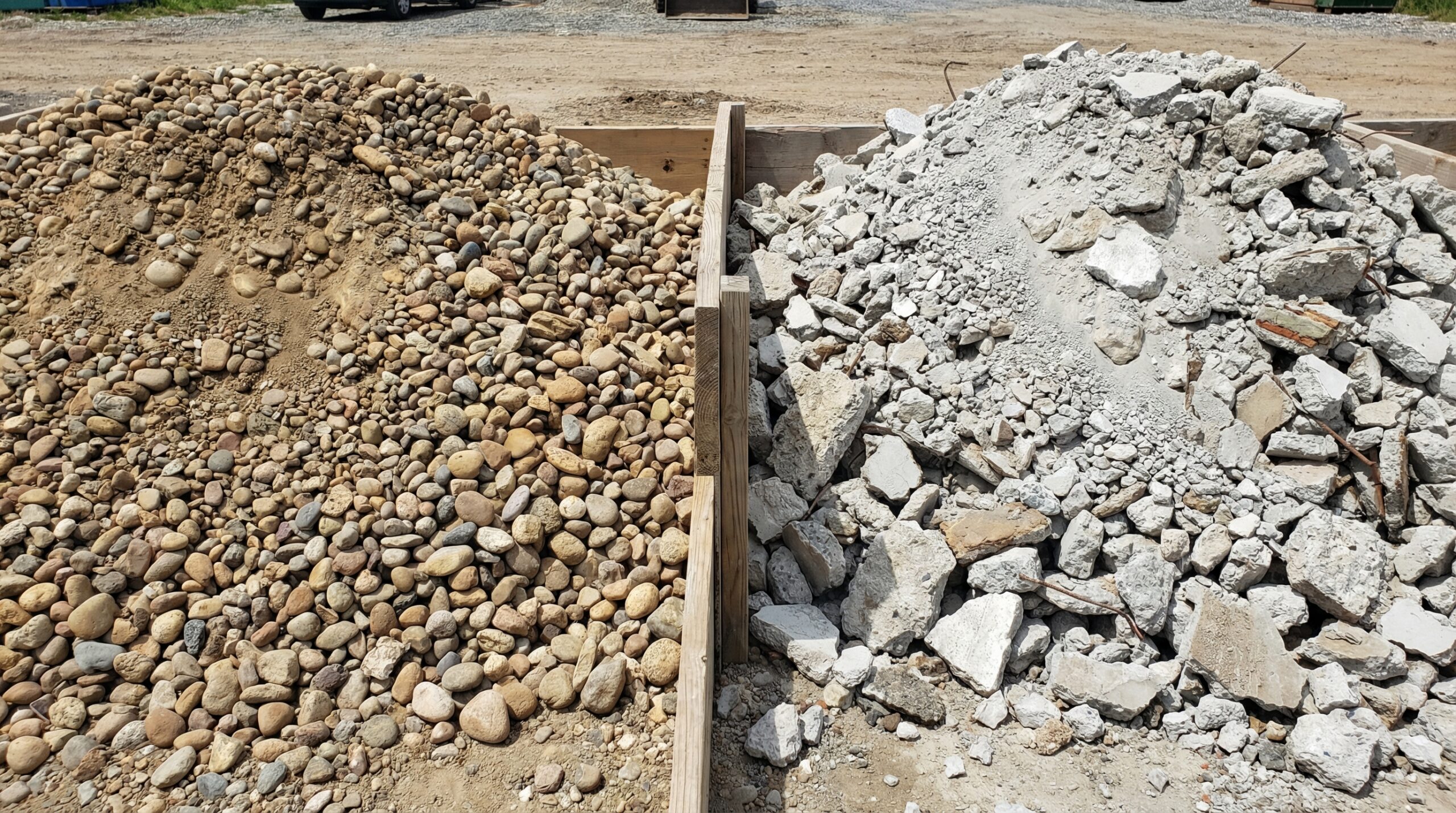
Choosing the right base material for your driveway or road project can feel overwhelming. You’re looking at two popular options: Class 5 gravel and crushed concrete. Both materials work well for driveways, parking areas, and road bases, but they each have distinct advantages depending on your specific needs.
Quick Answer: Crushed concrete is typically 15-30% cheaper than Class 5 gravel and offers excellent compaction for heavy-duty applications. Class 5 gravel provides superior drainage and a more natural appearance, making it ideal for residential driveways.
The main differences come down to cost, drainage, and intended use. Crushed concrete, made from recycled concrete structures, usually costs less and compacts extremely well under heavy loads. Class 5 gravel, a well-graded mixture of sand, clay, and crushed rock, excels in drainage and provides the classic gravel driveway look many homeowners prefer.
In this guide, you’ll learn exactly when to choose each material, what to expect for costs, and how to ensure proper installation for long-lasting results.
What is Class 5 gravel
Class 5 gravel is a carefully engineered mixture of crushed rock, sand, and fine particles that creates an excellent base material for driveways and roads. The “Class 5” designation refers to the specific gradation standards that ensure the right blend of particle sizes for optimal compaction and stability.
This material typically contains crushed limestone, granite, or other hard rock mixed with sand and clay-sized particles. The combination creates a base that compacts tightly while still allowing some water drainage. You might also hear it called Class 5 base, Class 5 aggregate, or Class 5 road base – these all refer to the same material.
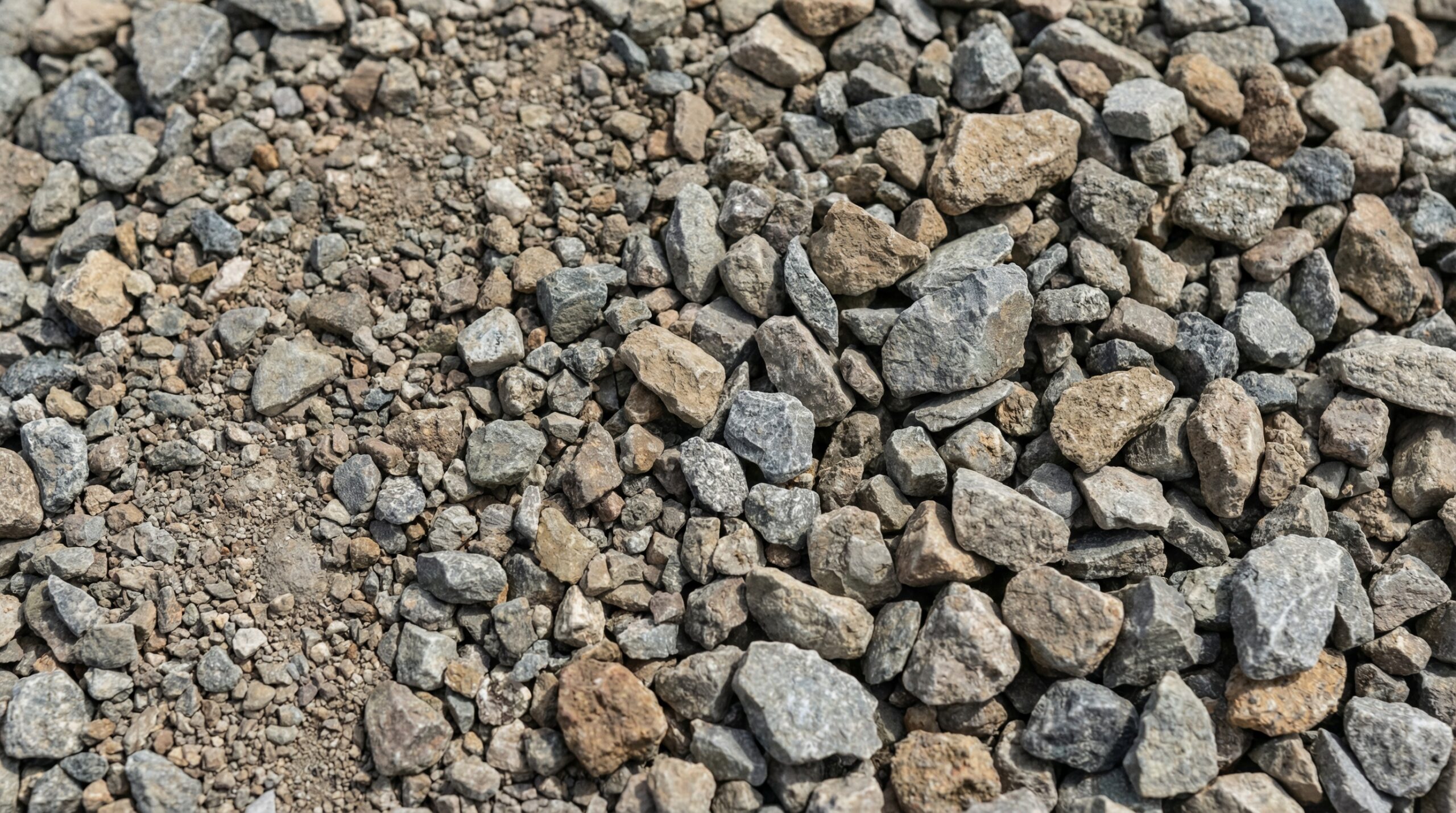
Class 5 gravel works particularly well for residential driveways, farm roads, and parking areas where you need a stable surface that can handle regular vehicle traffic. The fine particles help bind the larger stones together, creating a solid foundation that resists rutting and shifting over time.
Understanding crushed concrete as a base material
Crushed concrete comes from recycling old concrete structures like buildings, sidewalks, and roadways. Instead of sending this material to landfills, it gets processed through crushers to create a valuable aggregate that performs exceptionally well as a base material.
The recycling process removes rebar, wood, and other contaminants, leaving you with clean concrete aggregate in various sizes. For driveway and road base applications, crushed concrete typically ranges from fine particles up to 1.5-inch pieces, similar to Class 5 gravel gradation. Understanding the different types of crushed concrete available can help you select the right gradation for your specific project.
Environmental Benefit: Using crushed concrete diverts millions of tons of waste from landfills annually while reducing the need for new quarrying operations.
What makes crushed concrete particularly attractive is its superior compaction characteristics. The angular shapes and varied particle sizes lock together tightly when compacted, creating an extremely stable base. This makes it ideal for areas that will support heavy vehicles, equipment, or high traffic volumes.
The material also tends to harden over time as residual cement in the concrete continues to cure, further strengthening your base layer.
Comparing costs and performance
When deciding between these materials, understanding the key differences helps you make the right choice for your project and budget.
| Factor | Crushed Concrete | Class 5 Gravel |
|---|---|---|
| Typical Cost | 15-30% less expensive | Standard base material pricing |
| Compaction | Excellent, hardens over time | Very good, stable when properly installed |
| Drainage | Moderate, can retain some water | Excellent drainage properties |
| Appearance | Industrial gray color | Natural stone colors, more attractive |
Cost represents one of the biggest differences between these materials. If you’re wondering which is cheaper crushed concrete or gravel, crushed concrete typically costs significantly less because it’s made from recycled materials rather than freshly quarried stone. This cost advantage becomes more pronounced on larger projects where material expenses add up quickly.
For performance, both materials excel in different areas. Crushed concrete provides superior load-bearing capacity, making it the better choice for commercial driveways, equipment storage areas, or anywhere you expect heavy vehicle traffic. The material’s tendency to harden over time creates an almost pavement-like surface.
Class 5 gravel offers better drainage characteristics, which becomes crucial in areas with poor soil drainage or high water tables. The material also provides a more traditional gravel appearance that many homeowners prefer for residential applications. For a detailed comparison with other gravel options, check out our guide on crushed concrete vs gravel price.
Choosing the right material for your project
Your specific project requirements should guide your material selection. Consider these scenarios to determine which option works best for your situation.
Choose crushed concrete when you’re working with tight budgets, need maximum load-bearing capacity, or don’t mind the industrial appearance. This material excels for commercial driveways, heavy equipment storage areas, and base layers that will be covered with asphalt or decorative stone. If you’re considering other base materials, you might also want to compare crushed concrete vs road base or crushed concrete vs crusher run to find the perfect match for your needs.
Select Class 5 gravel for residential driveways where appearance matters, areas with drainage concerns, or projects where you want the classic gravel driveway look. The material works particularly well in wet climates or locations with clay soils that don’t drain well naturally.
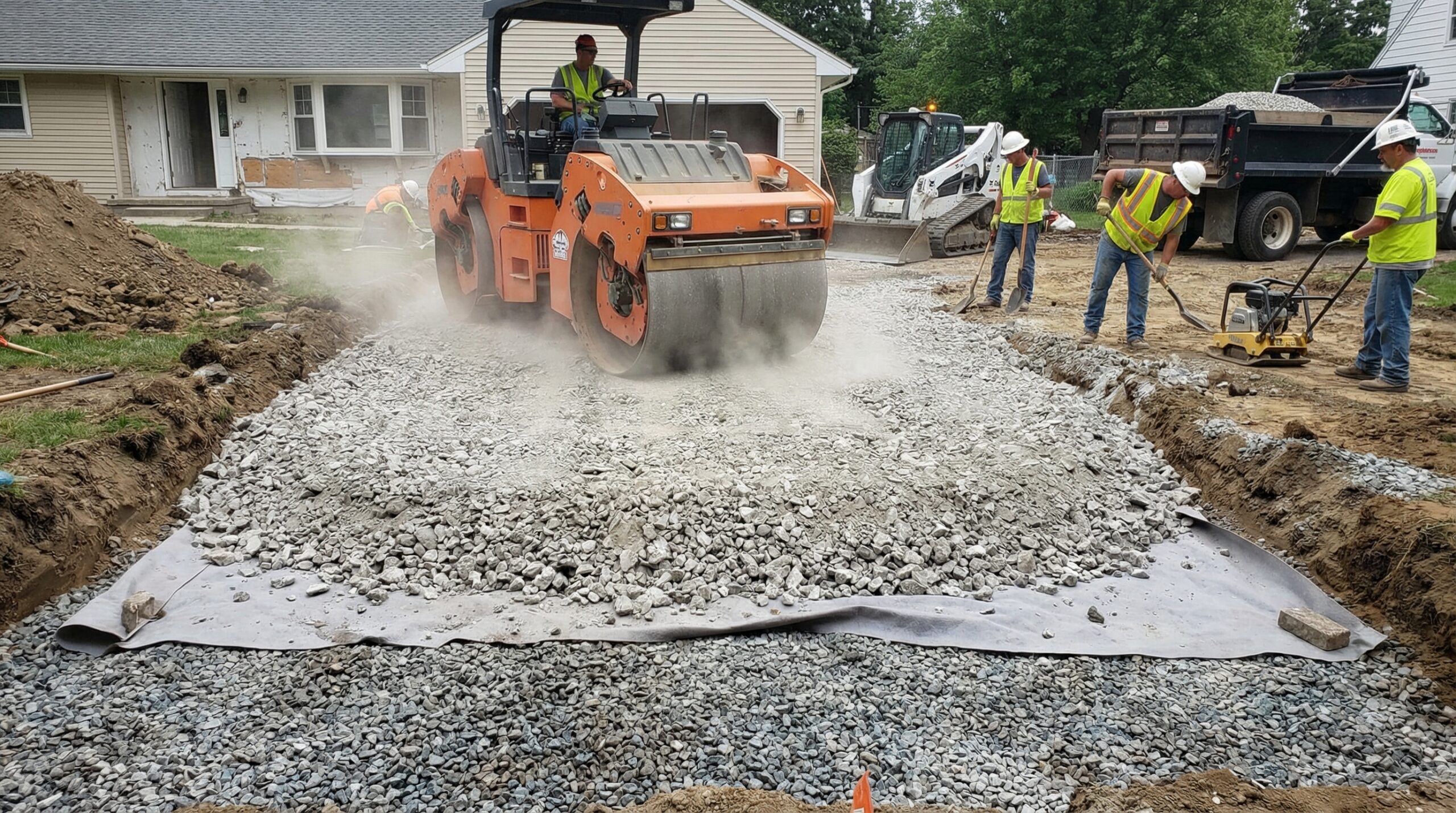
For installation success with either material, plan for a 4-6 inch compacted base thickness for standard driveways. Heavy-use areas may require 8-10 inches of base material. Proper compaction in 2-3 inch lifts ensures maximum stability and longevity.
Both materials benefit from occasional maintenance like grading to maintain proper drainage and adding fresh material to high-wear areas. Class 5 gravel may require more frequent topping due to gradual migration of fine particles, while crushed concrete tends to stay in place once properly compacted. For projects requiring decorative top layers, consider comparing crushed concrete vs pea gravel options.
Ready to move forward with your project? Hello Gravel makes ordering either material simple with our 60-second quote tool. We’ll help you calculate the right quantity for your project and arrange delivery directly to your job site, ensuring you get quality materials at competitive prices.
FAQ
Is crushed concrete cheaper than Class 5 gravel?
Which material drains better: crushed concrete or Class 5 gravel?
Is crushed concrete good for residential driveways?
What is Class 5 gravel and what makes it different from regular gravel?
Author: viewengine