Best Compacting Gravel for Driveways 2026
Get an estimate for your project in 60 seconds
 Your information is secure

Planning a new driveway or upgrading your existing one? The right compacting gravel makes all the difference between a surface that lasts decades and one that shifts and settles within months. Road base and crushed stone are the top performers for compaction, thanks to their angular shapes and fine particles that lock together under pressure.
Quick Answer: Road base (crusher run) and #57 crushed stone are the best compacting gravels for driveways. They create dense, stable surfaces that resist shifting and handle heavy vehicle traffic effectively.
When you choose the right compacting gravel, you get excellent drainage, superior traction in wet conditions, and a cost-effective alternative to concrete or asphalt. This guide covers the top gravel types, key selection factors, and installation basics to help you build a driveway that performs well for years.
What makes gravel compact well
Compacting gravel works through particle interlocking. When you apply pressure with compaction equipment, angular stones wedge together while fine particles fill the gaps between larger pieces. This creates a dense, stable surface that distributes weight evenly and resists movement.
The science behind effective compaction involves three key elements. First, angular or crushed particles interlock better than rounded stones because their jagged edges grip each other. Second, a mix of particle sizes allows smaller pieces to fill voids between larger ones. Third, the right moisture content helps particles settle into their most stable positions during compaction.
According to hellogravel.com, materials like road base contain both crushed stone and fine particles specifically designed to compact tightly. This combination creates what engineers call a “well-graded” aggregate that maximizes density and stability.
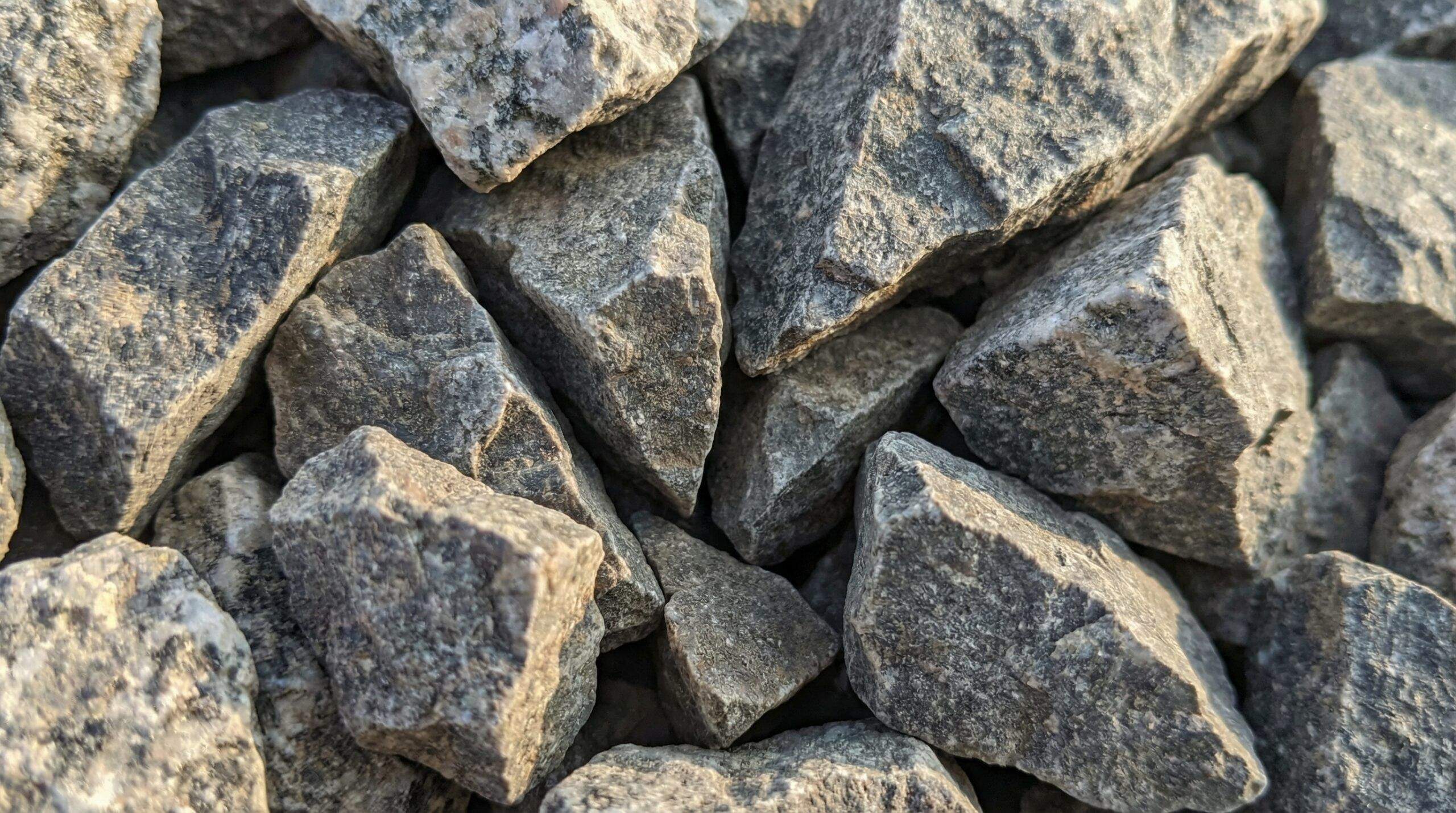
Top compacting gravel types for driveways
Road Base stands out as the premium choice for driveway compaction. Also called crusher run, Class 5, or ABC stone, this material combines crushed stone with fine particles in carefully controlled proportions. The fines fill gaps between larger stones, creating an extremely dense surface that handles heavy loads without shifting. For those interested in understanding more about the optimal size of road base gravel, proper sizing ensures maximum compaction efficiency.
Crushed Stone (#57 and 3/4-inch) offers excellent compaction properties with good drainage. These angular stones lock together effectively when compacted, though they lack the fine particles found in road base. They work particularly well as a top layer over a more compactable base or in areas where drainage is the primary concern. Learn more about what is 57 stone used for to determine if it’s right for your project.
Crushed Concrete provides a sustainable and cost-effective option. Made from recycled concrete, it contains various particle sizes that compact well together. This eco-friendly choice offers strong load-bearing capacity while reducing waste, making it popular for both residential and commercial driveways. If you’re considering this option, check out our guide on the best crushed concrete size for a driveway.
Pro Tip: Road base typically costs 10-20% more than basic crushed stone but provides superior long-term stability, reducing maintenance needs and extending driveway life.
Key factors when choosing driveway gravel
Particle size and shape directly impact compaction success. Smaller particles like those in road base create smoother surfaces, while larger stones provide more texture and drainage. Angular, crushed materials always outperform rounded river rock for stability because sharp edges interlock more effectively under pressure. Understanding the best size rock for driveway applications helps you make an informed decision.
Material composition affects both performance and cost. Well-graded materials with mixed particle sizes compact better than uniformly sized gravel. The presence of fine particles improves binding, while the stone type influences durability. Limestone and granite-based gravels typically offer excellent longevity.
Local availability and climate influence your best choice. Some gravel types may be more readily available in your region, affecting cost and delivery options. Additionally, areas with frequent freeze-thaw cycles benefit from materials with superior drainage properties to prevent frost heaving and surface damage. For more insights, explore what type of gravel is best for erosion control in challenging climates.
| Gravel Type | Compaction Rating | Drainage | Cost | Best For |
|---|---|---|---|---|
| Road Base | Excellent | Good | Medium | Heavy traffic areas |
| #57 Crushed Stone | Very Good | Excellent | Low | Drainage-critical areas |
| Crushed Concrete | Good | Good | Low | Budget-conscious projects |
Installation and maintenance essentials
Proper ground preparation sets the foundation for long-term success. Remove all vegetation, rocks, and debris from the installation area. Grade the surface to ensure proper drainage away from buildings, typically with a 2% slope. Compact the subgrade soil to create a stable base that won’t settle over time.
Layered installation produces the best results. Spread gravel in lifts of 4-6 inches maximum, compacting each layer thoroughly before adding the next. Use a vibrating plate compactor for smaller areas or a drum roller for larger driveways. Make multiple passes until the surface feels solid underfoot. For detailed instructions, see our article on how to level gravel.
Regular maintenance preserves your investment. Remove debris and organic matter that can trap moisture and promote weed growth. Add fresh gravel to areas that show signs of thinning or wear, typically every 2-3 years depending on traffic levels. Proper drainage maintenance prevents water damage and extends surface life. If weeds become an issue, learn how to permanently get rid of weeds in a gravel driveway.
Maintenance Tip: Rake your gravel driveway monthly to redistribute material and maintain an even surface. This simple step prevents ruts from forming and extends the time between major repairs.

Choosing the right compacting gravel for your driveway comes down to balancing performance, cost, and local conditions. Road base delivers the best overall compaction and stability for most applications, while crushed stone excels in drainage-critical situations. Proper installation and regular maintenance ensure your gravel driveway provides years of reliable service while enhancing your property’s functionality and appeal.

 Chance Kittrell
