Can You Use Polymeric Sand for a Shed Foundation? Pros, Cons & Best Practices
Published on: December 12, 2025
Get an estimate for your project in 60 seconds
 Your information is secure
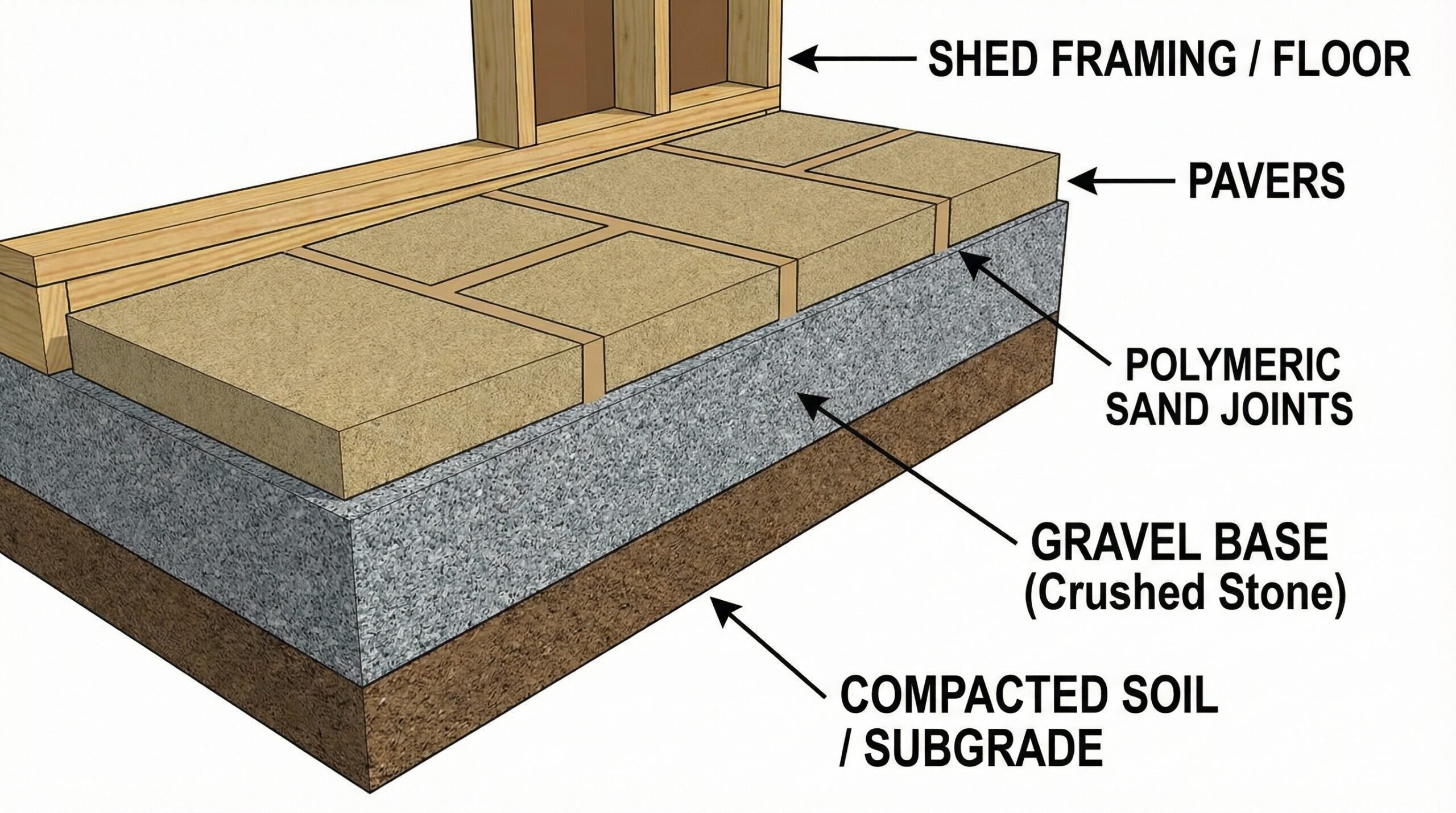
Building a solid foundation for your shed is crucial for its longevity, but choosing the right materials can feel overwhelming. You’ve probably heard about polymeric sand and wondered if it’s suitable for your shed project. The short answer is that polymeric sand can work for shed foundations, but only when used correctly as a joint filler between pavers over a proper gravel base – never as the main structural foundation itself.
Quick Fact: Polymeric sand is designed as a jointing material, not a structural base. It must be used over a compacted gravel foundation with pavers or blocks to provide adequate support for your shed.
Let’s explore when polymeric sand makes sense for your shed foundation, the potential pitfalls to avoid, and better alternatives that might serve your project better.
What is polymeric sand and how does it work?
Polymeric sand is a specialized mixture of fine sand combined with polymer additives that activate when mixed with water. Once activated, these polymers create a binding agent that hardens the sand, forming stable joints between pavers or blocks.
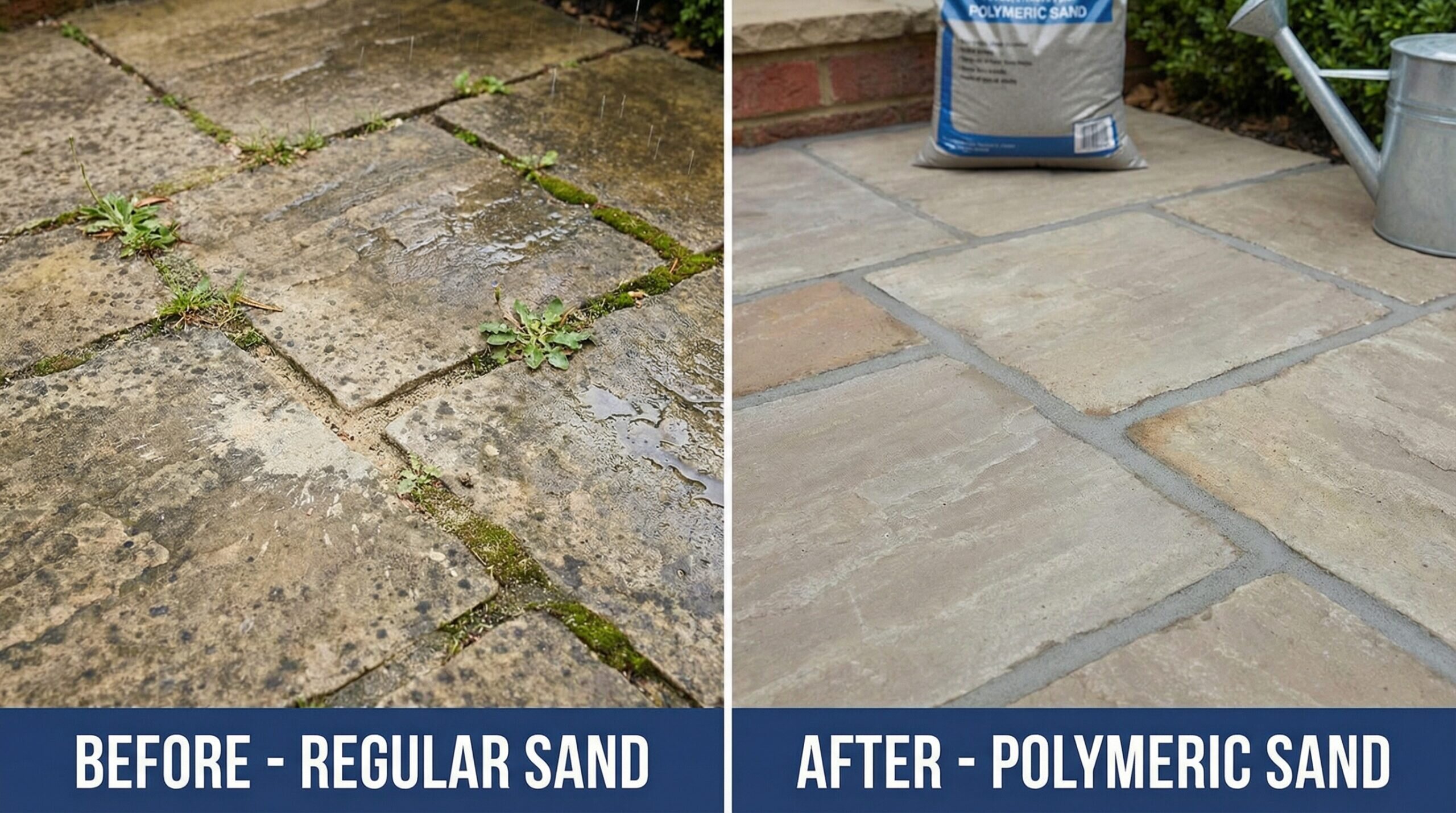
Think of it like adding glue to regular sand. When you sweep polymeric sand into the gaps between pavers and add water, the polymers activate and create a semi-flexible bond that resists erosion, prevents weed growth, and keeps insects from burrowing through the joints.
The key thing to understand is that polymeric sand is specifically designed for filling joints between hardscape materials. It’s not meant to replace the structural foundation layer that actually supports your shed’s weight. That job still belongs to properly compacted gravel or a concrete slab.
Is polymeric sand suitable for shed foundations?
Whether polymeric sand works for your shed depends entirely on how you plan to use it and what type of shed you’re building. For small to medium lightweight sheds, a foundation system using pavers over compacted gravel with polymeric sand joints can work well.
This approach works best when you have good drainage, stable soil, and a shed that weighs less than 2,000 pounds. The polymeric sand helps keep the pavers stable and prevents the joints from washing out over time.
However, polymeric sand becomes problematic for larger sheds, areas with poor drainage, or regions that experience severe freeze-thaw cycles. Heavy workshop buildings or storage sheds loaded with equipment need more substantial foundations like concrete slabs.
Important: Never use polymeric sand as your only foundation material. It must be part of a layered system with proper gravel base preparation and paver installation.
The decision really comes down to understanding that polymeric sand is a finishing touch, not the foundation itself. If you’re building a small garden shed on level ground with good drainage, pavers with polymeric sand joints over a gravel base can provide an attractive, stable solution.
Benefits and drawbacks of using polymeric sand
Understanding both the advantages and limitations of polymeric sand helps you make an informed decision for your specific situation.
The main benefits include improved joint stability compared to regular sand, which helps prevent pavers from shifting under light loads. You’ll also see reduced erosion between pavers during heavy rains, and the tight bond effectively blocks weed growth and insect infestations around your shed perimeter. Many homeowners appreciate the cleaner, more finished appearance that polymeric sand provides.
However, the drawbacks are significant and often underestimated. Installation requires precise timing and technique – mistakes during application can create permanent haze on paver surfaces or weak bonds that fail prematurely. In damp climates, polymeric sand can actually trap moisture in joints, potentially promoting mold or algae growth.
The material also breaks down unevenly over time. Some joints may wash out while others remain intact, creating an inconsistent appearance. Unlike regular sand for shed foundations, polymeric sand is difficult and expensive to repair or remove if problems develop.
Most importantly, polymeric sand provides no structural support. The actual foundation work must be handled by a properly prepared and compacted aggregate base.
Proper installation process for shed foundations
If you decide polymeric sand fits your project, following the correct installation sequence is critical for success. Start by assessing your site for proper drainage and soil stability. Mark your shed footprint and add extra working space around the perimeter.
Excavate the area to remove grass and topsoil, typically digging 4 to 8 inches deep depending on your shed size and local climate conditions. The larger and heavier your shed, the deeper your excavation should be.
Create your structural foundation by placing and compacting crushed stone or gravel in layers. This base layer does the actual work of supporting your shed’s weight. Use a plate compactor to ensure proper density – this step cannot be skipped or done poorly.
Install your pavers or patio blocks on the compacted base, taking care to level them properly. Your shed will sit directly on these pavers, so precision matters here.
Only after the structural work is complete should you apply polymeric sand. Sweep it into the joints, remove excess from paver surfaces, and follow the manufacturer’s watering instructions exactly. The timing and technique during this step determine whether your installation succeeds or fails.
Allow proper curing time before placing your shed. Most products require 24 to 48 hours of dry conditions to achieve full strength.

Better alternatives for most shed foundations
For many shed projects, simpler foundation approaches prove more reliable and cost-effective than pavers with polymeric sand joints.
A gravel-only pad remains the most popular choice for small to medium sheds. Properly installed crushed stone provides excellent drainage, handles freeze-thaw cycles well, and costs less than paver systems. While it may not look as finished, it’s forgiving and easy to maintain or modify.
Concrete slabs offer the highest structural capacity for large or heavy sheds. Though more expensive and less DIY-friendly, concrete provides unmatched durability and load-bearing capacity. Consider this option for workshop buildings or sheds that will house heavy equipment.
If you like the idea of pavers but want to avoid polymeric sand complications, regular sand joints offer a middle ground. They’re easier to repair and modify, though they require more maintenance for weed control and may experience more erosion. You might also consider pea gravel as a shed foundation alternative for a clean, functional look.
| Foundation Type | Best For | Pros | Cons |
|---|---|---|---|
| Gravel only | Most sheds | Cost-effective, good drainage | Less finished appearance |
| Pavers + polymeric sand | Small sheds, clean look desired | Attractive, stable joints | Complex installation, moisture risks |
| Concrete slab | Large/heavy sheds | Maximum strength, longevity | Higher cost, less DIY-friendly |
The right choice depends on your shed size, budget, soil conditions, and how much maintenance you want to handle long-term. For most homeowners building typical storage sheds, a well-prepared gravel pad provides the best balance of performance, cost, and simplicity. Other materials like limestone or river rock can also work well depending on your local availability and aesthetic preferences.
When planning your shed foundation, remember that proper preparation matters more than the specific materials you choose. Whether you go with gravel, pavers, or concrete, taking time to excavate properly, ensure good drainage, and compact your base materials will determine your foundation’s long-term success.
At Hello Gravel, we help homeowners choose the right foundation approach and provide high-quality materials for any shed project. Our team can help you calculate quantities and select the best aggregates for your specific site conditions, ensuring your shed foundation performs well for years to come.
Frequently Asked Questions About Polymeric Sand Shed Foundations
Can I use polymeric sand as the only base for my shed?
How thick should polymeric sand be under a shed?
Will polymeric sand prevent weeds around my shed?
Can polymeric sand cause drainage problems under my shed?
Author: igor