Rock Quarry Prices 2026 Complete Cost Guide
Published on: January 13, 2026
Get an estimate for your project in 60 seconds
 Your information is secure
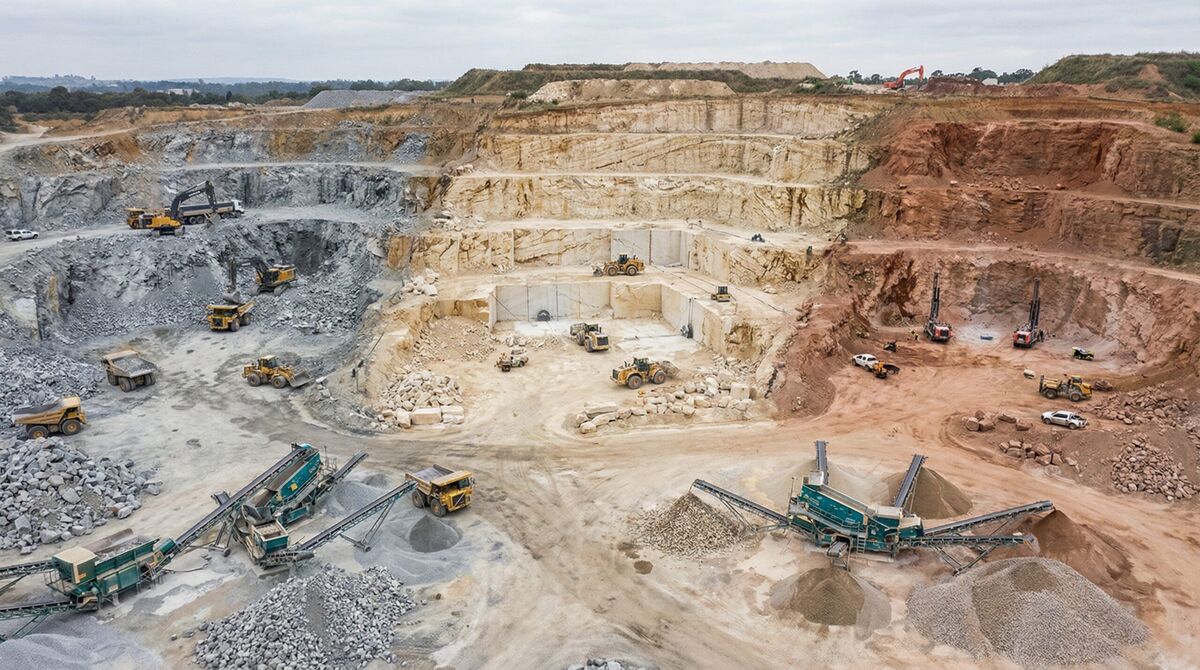
Understanding rock quarry prices is essential for any construction project, whether you’re building a driveway, foundation, or large commercial development. Rock quarry prices typically range from $500 to $1,000 per truckload (10-13 tons), but costs vary significantly based on location, rock type, and quality factors.
Quick Answer: A standard truckload of quarry rock costs between $500-$1,000, with granite averaging $78-$144 per ton, limestone around $39-$84 per ton, and sandstone falling in the moderate range at $50-$100 per ton.
This guide breaks down everything you need to know about quarry pricing, from the factors that drive costs to effective negotiation strategies that can save you hundreds on your next project.
What drives rock quarry pricing
Several key factors determine how much you’ll pay for quarry materials. Understanding these elements helps you anticipate costs and make smarter purchasing decisions.
Location and transportation costs play the biggest role in pricing. Quarries closer to your project site cost significantly less due to reduced fuel and trucking expenses. A quarry 50 miles away might add $20-40 per ton compared to one 10 miles from your site. Understanding the cost of delivered gravel can help you factor in these transportation expenses when budgeting.Supply and demand dynamics create price fluctuations throughout the year. Peak construction season (spring through fall) typically sees 15-25% higher prices due to increased demand. During winter months, many quarries offer discounted rates to maintain steady business.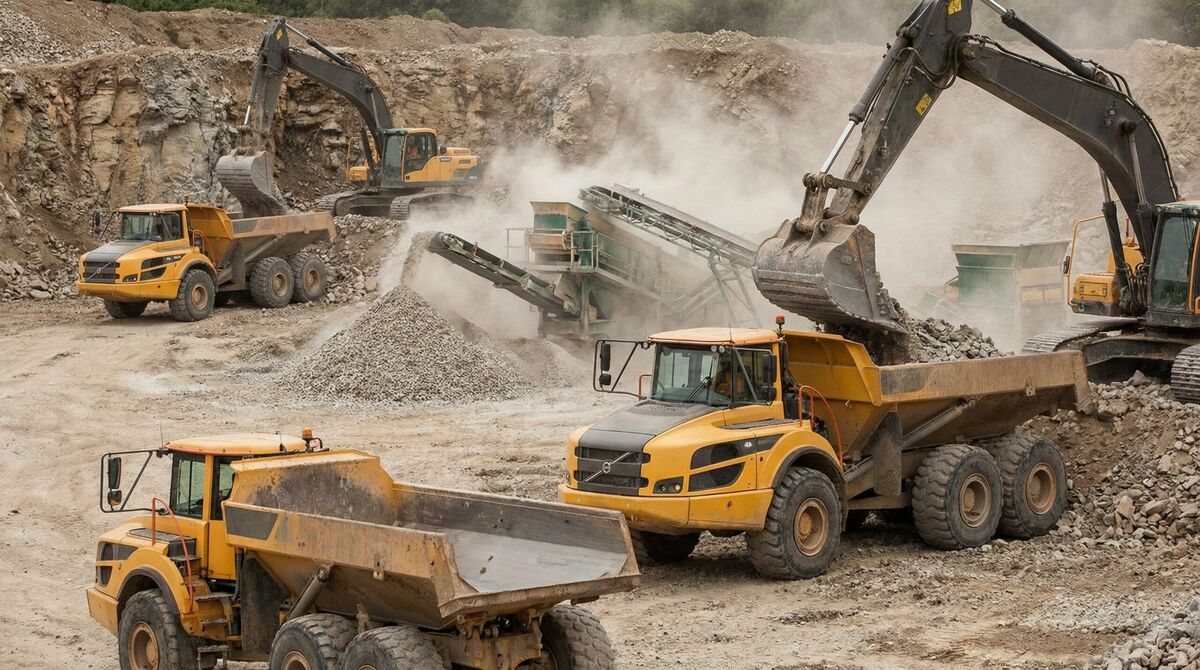
Rock quality and processing requirements directly impact costs. Premium materials with consistent color, size grading, and minimal impurities command higher prices. Specialty finishes or custom sizing add processing costs that get passed to customers.
Operational expenses at quarries include equipment maintenance, labor costs, environmental compliance, and permit fees. These overhead costs vary by region and directly influence the base pricing structure.
Rock types and their current market prices
Different rock types serve various construction purposes and come with distinct price points. Here’s what you can expect to pay for the most common quarry materials.
Granite remains the premium option for both construction and decorative applications. Current market prices range from $78-$144 per ton for bulk purchases. The wide price range reflects quality variations, with architectural-grade granite commanding top prices due to its durability and aesthetic appeal.
Limestone offers excellent value for most construction projects. Prices typically fall between $39-$84 per ton, making it one of the most cost-effective options. Its versatility for everything from road base to decorative applications explains its popularity among contractors. For more detailed information on material costs, check out our guide on how much a ton of aggregate costs.
| Rock Type | Price Range (Per Ton) | Best Uses | Quality Factors |
|---|---|---|---|
| Granite | $78-$144 | Driveways, decorative | Color consistency, hardness |
| Limestone | $39-$84 | Road base, construction | Purity, fossil content |
| Sandstone | $50-$100 | Landscaping, walls | Thickness, pattern uniqueness |
Sandstone pricing sits in the middle range at $50-$100 per ton. The natural beauty and workability of sandstone make it popular for landscaping and architectural features, though prices vary based on color rarity and pattern complexity.
Cost-Saving Tip: Crushed concrete offers a sustainable alternative at $462 per truckload, providing excellent value for base applications while supporting environmental goals.
Seasonal trends and price fluctuations
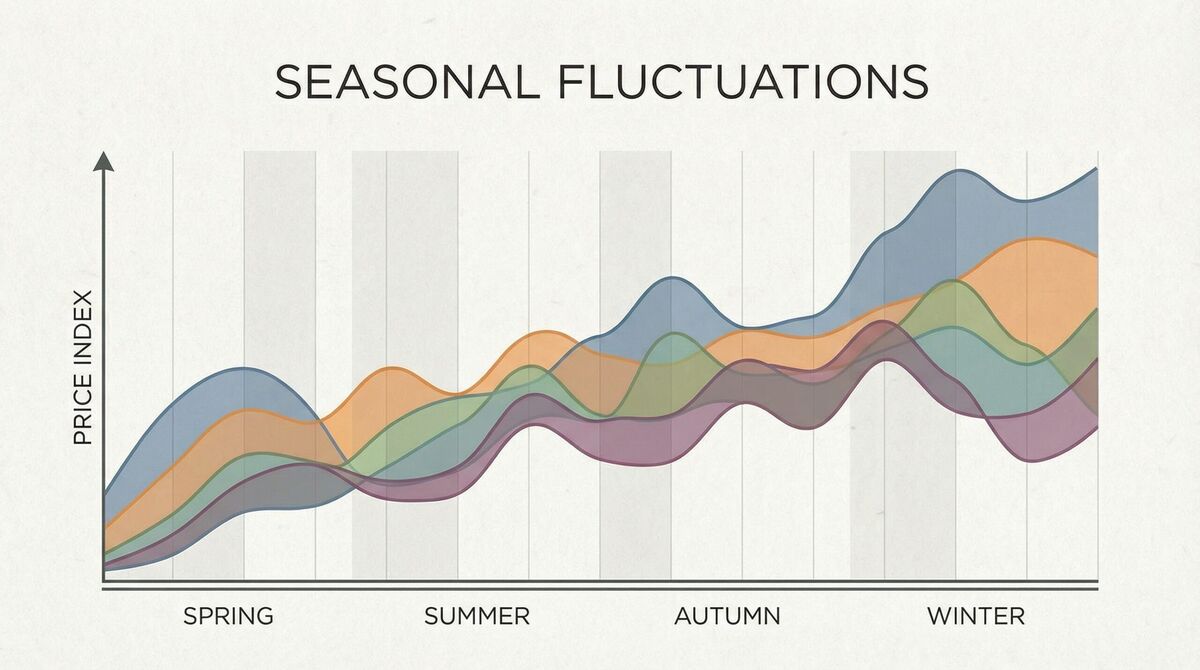
Rock quarry prices follow predictable seasonal patterns that smart buyers can leverage for significant savings. Understanding these cycles helps you time purchases strategically.
Spring and summer months bring peak demand as construction activity ramps up. Expect prices to increase 15-25% during this period, with May through September showing the highest costs. Many quarries implement seasonal surcharges during peak months.
Fall and winter present opportunities for cost savings. Reduced construction activity leads to lower demand, and many quarries offer discounts to maintain cash flow. October through February often provide the best pricing, with some suppliers offering 10-20% discounts.
Economic factors beyond seasonality also influence pricing. Fuel cost fluctuations directly impact transportation expenses, while regulatory changes can affect operational costs. Regional infrastructure projects can create temporary demand spikes that drive up local prices.
Weather conditions can create short-term price volatility. Extended wet periods that limit quarry operations may temporarily increase prices due to reduced supply. Conversely, ideal weather conditions that boost production can stabilize or lower costs.
Negotiation strategies that work
Effective negotiation with quarry suppliers can result in substantial cost savings, especially for larger projects or repeat customers. The key lies in understanding supplier perspectives and creating win-win scenarios.
Research thoroughly before negotiations by gathering quotes from multiple suppliers and understanding current market rates. Knowledge of competitor pricing gives you leverage and demonstrates you’re a serious buyer who’s done their homework. Our comprehensive guide on quarry stone prices provides valuable benchmarks for comparison.
Emphasize long-term partnership potential rather than focusing solely on immediate price reductions. Suppliers value consistent customers and often provide better pricing for buyers who commit to ongoing relationships or future projects.
Consider value-added services in your negotiations. Many quarries offer additional services like custom sizing, delivery scheduling flexibility, or technical support. These services can provide value beyond simple price reductions.
Timing your negotiations strategically around slower periods increases your chances of securing better rates. Suppliers are more motivated to negotiate during off-peak seasons when they’re looking to maintain steady revenue streams.
Negotiation Reality Check: Most quarries operate on thin margins (5-15% profit), so unrealistic price demands can damage relationships. Focus on fair pricing that acknowledges their operational costs.
Volume commitments often unlock better pricing tiers. If you have multiple projects planned, discuss aggregate volume discounts that benefit both parties. Some suppliers offer 5-10% discounts for commitments over 100 tons annually. Learn more about bulk stone prices to understand volume pricing structures.
Smart budgeting for quarry purchases
Accurate budgeting prevents cost overruns and ensures project success. Start by calculating your exact material needs using proper measurement techniques and account for potential hidden costs.
Calculate material requirements precisely using the coverage formula: one ton covers approximately 80 square feet at 3-inch depth, or 40 square feet at 6-inch depth. Always add 10-20% extra material to account for compaction and waste.
Factor in all associated costs beyond the base material price. Transportation typically adds $20-50 per ton depending on distance. Special delivery requirements, such as weekend delivery or difficult access locations, may incur additional surcharges of $100-300. For a complete breakdown, explore our guide on gravel delivery prices.
Plan for potential hidden expenses that can impact your budget. These include permit fees for large deliveries, equipment rental for spreading materials, and potential delays that extend project timelines. Setting aside 15-20% contingency funds helps manage unexpected costs.
Consider payment terms when budgeting. Many suppliers offer early payment discounts of 2-3% for payments within 10 days. Conversely, extended payment terms might include interest charges that increase total project costs.
Ready to move forward with your rock quarry purchase? Hello Gravel simplifies the process by connecting you with trusted local suppliers who provide competitive pricing and reliable delivery. Our network ensures you get quality materials at fair prices, with the convenience of coordinated delivery that fits your project timeline.
FAQ
How much does rock from a quarry cost per ton in 2026?
What factors affect rock quarry pricing the most?
When is the best time to buy quarry rock for lower prices?
How do I calculate how much quarry rock I need for my project?
Author: