
Rock Quarry Prices Guide (Costs and Deals)
Free local estimate
See delivered prices for your ZIP in 60 seconds
Tell us where the project is and we'll price this material — delivered — for your exact ZIP.
- Real delivered pricing for your ZIP — not a generic range.
- Works for any quantity — driveways, pads, drains, or full projects.
- Prefer to talk? We follow up with local availability and delivery windows.
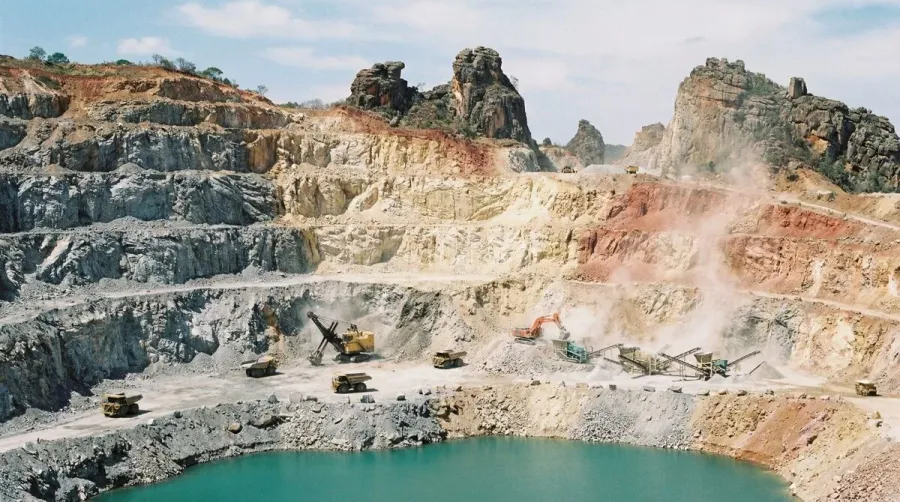
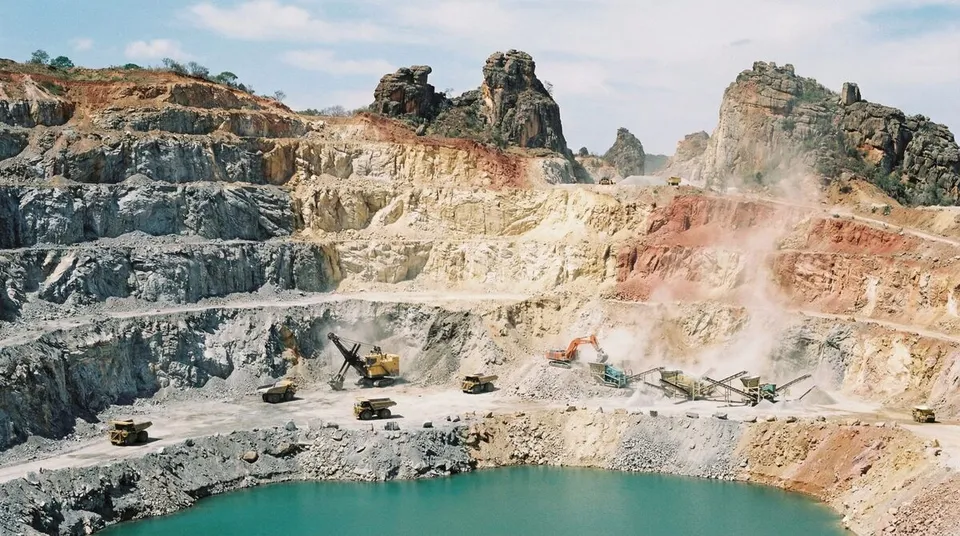
Understanding rock quarry prices can save you thousands on your next construction project. Whether you’re building a driveway, creating a landscape feature, or working on a major construction project, knowing what drives quarry stone costs helps you make smarter purchasing decisions.
Rock quarry prices typically range from $15 to $75 per ton, depending on the stone type, quality, and location. The key factors affecting these prices include transportation distance, stone quality, market demand, and the complexity of the extraction process. Most successful buyers save 20-30% by understanding these pricing factors and negotiating effectively with suppliers.
Quick Fact: Transportation costs can account for up to 50% of your total quarry stone expense, making local sourcing a smart financial choice for most projects.
This guide walks you through everything you need to know about quarry pricing, from understanding different stone types to negotiating better deals with suppliers.
About Hello Gravel
Hello Gravel delivers bulk gravel, rock, dirt, and sand by the ton. Enter your ZIP code to see prices with delivery included. A local dump-truck driver places the load where access is safe; spreading is not included.
What drives rock quarry prices
Several interconnected factors determine how much you’ll pay for quarried stone. Understanding these elements helps you anticipate costs and find opportunities to save money.
Stone quality and grade significantly impact pricing. Premium-grade stones with consistent color, minimal defects, and superior durability command higher prices. These stones undergo more rigorous selection and processing, which increases their cost but also their value for high-visibility projects.
Transportation distance often represents the largest variable cost in quarry pricing. According to hellogravel.com/guides, proximity to quarry sites can dramatically reduce overall costs. Stones sourced within 50 miles of your project typically cost 30-40% less than those shipped from distant quarries, similar to how delivered gravel costs are affected by distance.Market demand fluctuates based on construction activity in your region. During peak building seasons, prices increase as contractors compete for available materials. Conversely, ordering during slower periods can yield significant savings.The complexity of extraction also affects pricing. Some quarries require specialized equipment or more labor-intensive methods to extract stone, which increases operational costs and final prices. Understanding how much a rock crusher costs can give you insight into the processing investments quarries make.
Types of quarried stone and their cost ranges
Different stone types come with distinct characteristics and price points. Choosing the right material for your specific application ensures you get the best value for your investment.
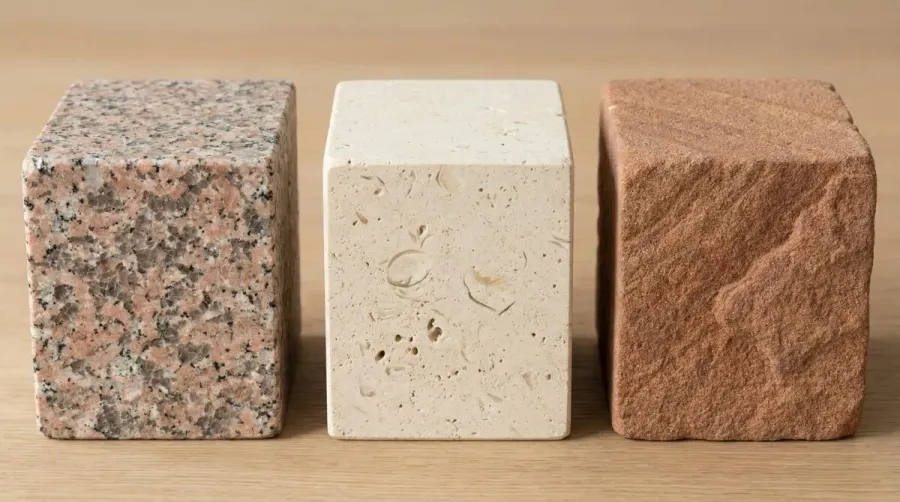
Granite represents the premium end of quarry stones, typically costing $40-75 per ton. Its exceptional durability and attractive appearance make it popular for high-end applications like countertops, building facades, and decorative features. The wide range in granite pricing reflects variations in color rarity, pattern complexity, and processing requirements.
Limestone offers excellent value at $25-45 per ton. This versatile stone works well for both structural and decorative applications. Its natural beauty and workability make it a favorite for patios, retaining walls, and architectural features. Limestone prices vary based on density, color consistency, and fossil content.
Sandstone falls in the middle range at $30-55 per ton. Known for its warm, earthy tones and natural texture, sandstone provides excellent slip resistance and weather durability. Price variations depend on grain size, color intensity, and regional availability.
Cost-Saving Tip: Consider mixed loads or “quarry run” materials for projects where perfect uniformity isn’t critical. These options can reduce costs by 15-25% while still providing quality stone.
How the quarrying process affects your costs
The extraction and processing methods used at quarries directly impact the final price you pay for stone materials. Understanding this process helps you appreciate why certain stones cost more and identify potential savings opportunities.
Extraction complexity varies significantly between quarry sites. Some operations can use simple surface mining techniques, while others require drilling, blasting, and specialized equipment to reach quality stone deposits. These operational differences translate directly to cost variations between suppliers.
Processing and finishing add value but also increase costs. Basic crushing and sizing operations are relatively inexpensive, while specialized cutting, polishing, or custom shaping can double or triple the base stone price. Consider whether your project truly requires premium finishing or if standard processing will suffice. For projects requiring specific materials, understanding bulk stone prices can help you budget appropriately.
Quality control measures implemented by quarries affect both consistency and cost. Facilities with rigorous testing and sorting procedures typically charge more but deliver more predictable results. For critical applications, this investment in quality control often pays for itself through reduced waste and better project outcomes.
Environmental compliance and sustainability practices also influence quarry operations costs. Modern quarries invest in dust control, water management, and land restoration, which adds to operational expenses but ensures responsible resource extraction.
Smart strategies for negotiating better quarry prices
Effective negotiation can significantly reduce your quarry stone costs. The key lies in understanding supplier perspectives and creating mutually beneficial arrangements.
Volume purchasing provides your strongest negotiation leverage. Even modest projects can benefit from coordinating with neighbors or timing purchases to reach volume thresholds. Many quarries offer 10-20% discounts for orders exceeding 50 tons. If you’re planning a large project, reviewing how much 100 tons of gravel costs can help you understand volume pricing structures.Flexible timing opens additional savings opportunities. Quarries often have excess inventory during slow periods and may offer substantial discounts to move material. Planning your project timeline around these opportunities can yield significant savings.
Building supplier relationships pays long-term dividends. Reliable customers who pay promptly and provide steady business often receive preferential pricing and first access to premium materials. Consider establishing relationships with top sand and gravel companies even for smaller projects.
Payment terms negotiation can improve your overall project economics. Some suppliers offer early payment discounts or extended terms for established customers. Cash payments sometimes unlock additional savings, particularly with smaller quarry operations.
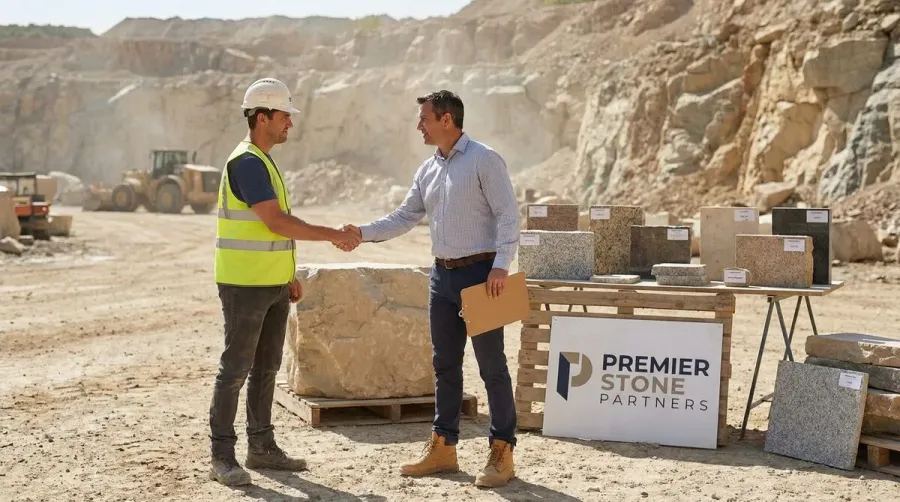
Negotiation Insight: The best time to negotiate quarry prices is during the supplier’s slow season, typically late fall through early spring in most regions.
Understanding quarry pricing empowers you to make informed decisions and secure better deals on your stone materials. Focus on local sourcing when possible, consider timing your purchases strategically, and build relationships with reliable suppliers. These approaches will help you achieve both cost savings and project success. Whether you need to understand aggregates prices or plan for delivery logistics, being informed is your best tool.
Ready to source quality aggregates for your project? Hello Gravel provides transparent pricing and reliable delivery for all your construction material needs, helping you get the best value without the hassle of negotiating with multiple suppliers.
FAQ
How much does quarry stone cost per ton?
Quarry stone prices typically range from $15 to $75 per ton, depending on the type and quality. Granite costs $40-75 per ton, limestone ranges from $25-45 per ton, and sandstone falls between $30-55 per ton. Transportation costs can add significantly to these base prices, sometimes accounting for up to 50% of your total expense.
What factors affect quarry stone prices the most?
The main factors influencing quarry stone prices include stone quality and grade, transportation distance from the quarry, market demand in your region, and the complexity of the extraction process. Transportation distance is often the largest variable cost, with local sourcing (within 50 miles) typically costing 30-40% less than distant quarries.
How can I negotiate better prices with quarry suppliers?
Effective negotiation strategies include volume purchasing (orders over 50 tons often receive 10-20% discounts), flexible timing during slow seasons, building long-term supplier relationships, and negotiating payment terms. The best time to negotiate is typically during late fall through early spring when demand is lower.
What’s the difference between granite, limestone, and sandstone pricing?
Granite is the most expensive at $40-75 per ton due to its exceptional durability and attractive appearance. Limestone offers excellent value at $25-45 per ton and works well for both structural and decorative applications. Sandstone falls in the middle range at $30-55 per ton, known for its warm tones and natural slip resistance.
Materials for this project
Get it delivered — dumped where you need it
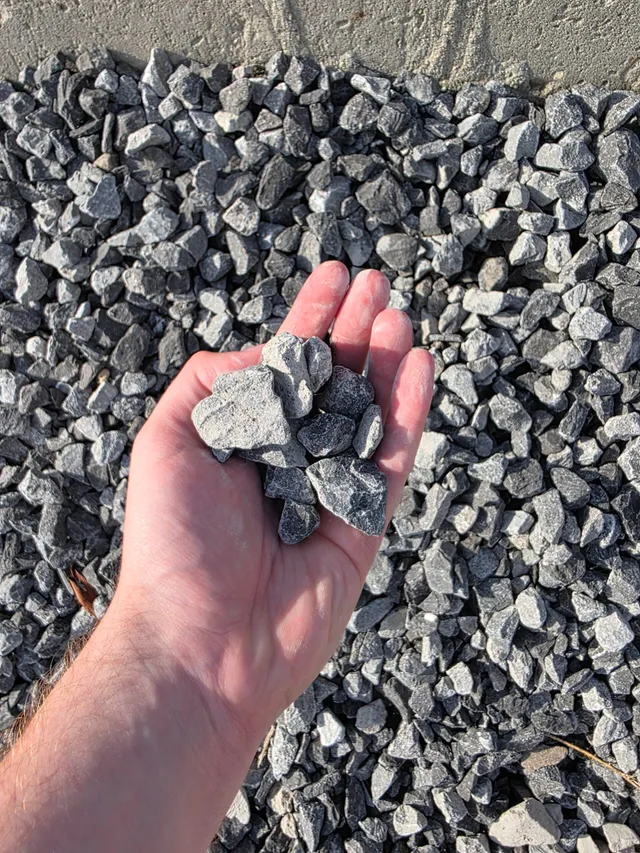
Driveway Gravel
Driveways & Parking areas
See delivered price
View product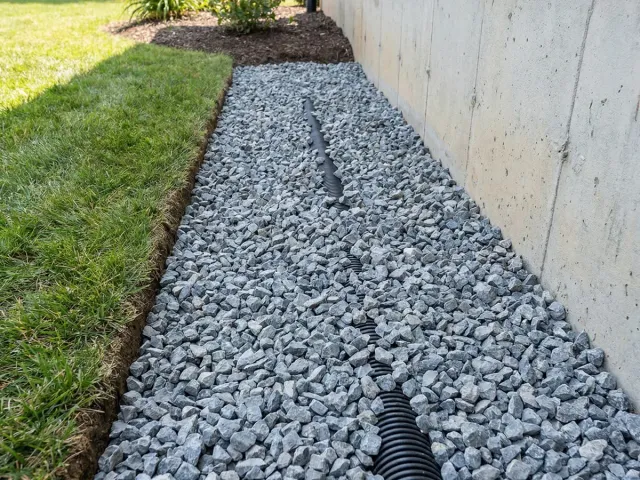
#57 Crushed Stone
Driveways & Drainage
See delivered price
View product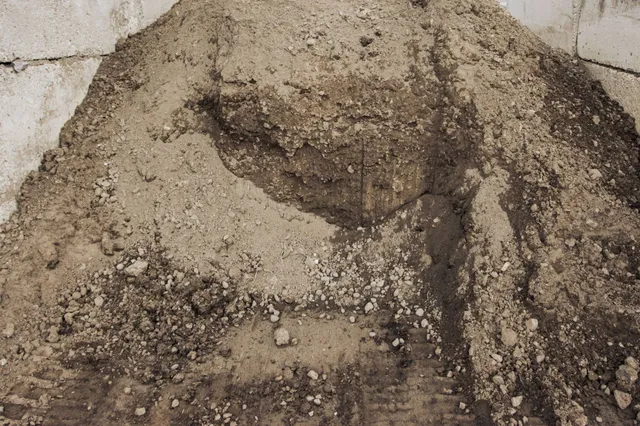
Fill Dirt
Grading & Backfill
See delivered price
View product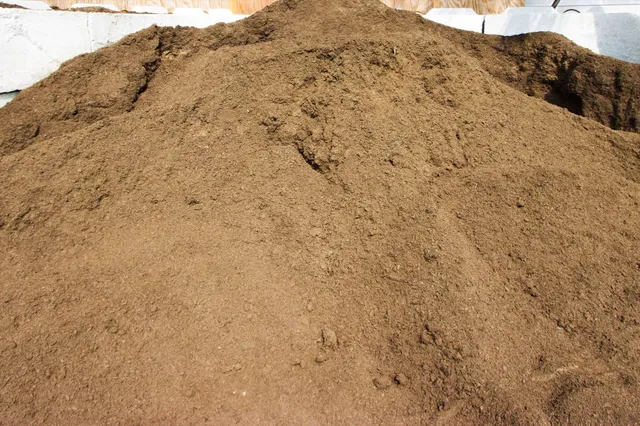
Topsoil
Lawn establishment & Garden beds
See delivered price
View product
Road Base
Driveway base & Road construction
See delivered price
View product