
How Much Does Stone Cost (Bulk Price Guide)
Free local estimate
See delivered prices for your ZIP in 60 seconds
Tell us where the project is and we'll price this material — delivered — for your exact ZIP.
- Real delivered pricing for your ZIP — not a generic range.
- Works for any quantity — driveways, pads, drains, or full projects.
- Prefer to talk? We follow up with local availability and delivery windows.
Planning a construction or landscaping project and wondering about bulk stone costs? You’re looking at prices ranging from $20 to $400 per ton, depending on the stone type and quality. Bulk stone pricing varies significantly based on material type, location, and project requirements, making it essential to understand these factors before making your purchase.
Quick Answer: Crushed rock costs $20-30 per ton, pea gravel runs $30-40 per ton, river rock ranges $40-60 per ton, and premium flagstone can reach $200-400 per ton.
Whether you’re building a driveway, creating garden pathways, or constructing retaining walls, understanding bulk stone pricing helps you budget accurately and avoid costly surprises. This guide walks you through everything you need to know about bulk stone costs, from basic pricing factors to smart purchasing strategies.
About Hello Gravel
Hello Gravel delivers bulk gravel, rock, dirt, and sand by the ton. Enter your ZIP code to see prices with delivery included. A local dump-truck driver places the load where access is safe; spreading is not included.
What drives bulk stone pricing
Several key factors determine how much you’ll pay for bulk stone materials. Understanding these elements helps you make informed decisions and potentially save money on your project.
Stone quality plays the biggest role in pricing. Higher-grade materials with better durability and appearance command premium prices, but they often provide better long-term value. You’ll find that stones rated for heavy-duty applications like driveways cost more than decorative materials for garden borders.
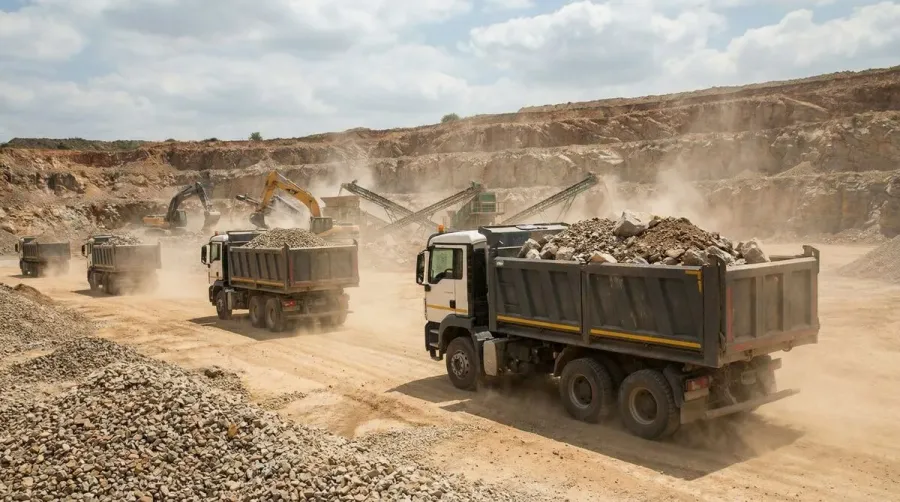
Location significantly impacts your final costs. Quarries closer to your project site typically offer lower transportation fees, while distant sources add substantial delivery charges. Some suppliers charge $10 per mile beyond their standard delivery radius, which can quickly add up for remote locations. Understanding the cost of delivered gravel helps you factor in these transportation expenses when planning your budget.
 Supply and demand fluctuations affect pricing throughout the year. Spring and summer months see increased demand for landscaping materials, often driving prices higher. Conversely, fall and winter periods may offer better deals as demand decreases.
Money-Saving Tip: Purchase bulk stone during off-peak seasons (late fall through early spring) to take advantage of lower demand pricing.
Stone types and their typical costs
Different stone materials serve various purposes and come with distinct price points. Here’s what you can expect to pay for common bulk stone types.
| Stone Type | Price Per Ton | Best Uses |
|---|---|---|
| Crushed Rock | $20-30 | Driveways, road base |
| Pea Gravel | $30-40 | Pathways, decorative areas |
| River Rock | $40-60 | Water features, landscaping |
| Flagstone | $200-400 | Patios, high-end walkways |
Crushed rock represents the most economical option for functional applications. This processed stone works excellently for driveway bases and provides solid foundation support. Pea gravel offers a middle-ground solution with attractive appearance and reasonable pricing for walkways and garden areas.
River rock commands higher prices due to its natural smoothing process and aesthetic appeal. These stones work beautifully around water features and in decorative landscaping applications. For more detailed information about specific materials, check out our guide on the cost of gravel per ton. Flagstone sits at the premium end, offering exceptional beauty for patios and high-end installations.
The price differences reflect processing requirements, availability, and intended use. Functional stones like crushed rock require less processing, while decorative materials like river rock need careful sorting and cleaning. To better understand quarry stone prices, consider the extraction and processing methods involved.
Calculating your project costs accurately
Determining the exact amount of stone needed prevents over-ordering and helps control costs. Start by measuring your project area’s length, width, and desired depth in feet.Calculate volume by multiplying length × width × depth to get cubic feet. Divide this number by 27 to convert to cubic yards, the standard measurement for bulk materials. Most suppliers quote prices per ton, so you’ll need to convert cubic yards to tons using the stone’s weight per cubic yard.
Different stone types have varying weights. Crushed rock typically weighs about 1.3 tons per cubic yard, while lighter materials like pea gravel weigh closer to 1.4 tons per cubic yard. Your supplier can provide exact conversion rates for specific materials.

Don’t forget additional costs beyond the stone itself. Delivery fees vary based on distance and quantity ordered. Installation costs depend on project complexity and whether you hire professionals or handle the work yourself. Factor in any required site preparation, such as excavation or grading. For larger projects, understanding how much a truckload of gravel costs can help you plan delivery logistics more effectively.
Planning Tip: Order 10-15% extra material to account for compaction, waste, and future repairs without paying additional delivery fees.
Smart strategies for reducing stone costs
Several proven approaches can significantly lower your bulk stone expenses without compromising quality. Timing your purchase strategically offers one of the easiest ways to save money.Negotiate with suppliers, especially for large orders. Many companies offer volume discounts or can match competitor pricing. Building relationships with local suppliers often leads to better deals on future projects. Don’t hesitate to ask about bulk pricing tiers or seasonal promotions. Learning about aggregates prices from multiple suppliers gives you leverage during negotiations.
Consider handling some preparation work yourself. Clearing vegetation, basic site preparation, and simple grading can reduce labor costs. However, leave complex excavation and drainage work to professionals to avoid costly mistakes.
Explore local quarries and suppliers to minimize transportation costs. Regional materials often cost less than imported stones and may offer unique characteristics that enhance your project’s appeal. Local stones also tend to blend better with the surrounding landscape.
Mix stone types strategically where appropriate. Use premium materials in highly visible areas while choosing functional stones for hidden foundation work. This approach maintains aesthetic appeal while controlling overall costs.
Understanding bulk stone pricing empowers you to make confident decisions for your construction or landscaping project. By considering quality requirements, comparing local suppliers, and timing your purchase strategically, you can achieve excellent results while staying within budget. Remember that investing in appropriate stone quality for your specific application often provides better long-term value than choosing the cheapest option available.
FAQ
How much does bulk stone cost per ton?
Bulk stone prices range from $20-$400 per ton depending on the type and quality. Crushed rock costs $20-30 per ton, pea gravel runs $30-40 per ton, river rock ranges $40-60 per ton, and premium flagstone can reach $200-400 per ton. Location, delivery distance, and seasonal demand also affect final pricing.
How do I calculate how much bulk stone I need for my project?
Measure your project area’s length, width, and desired depth in feet. Multiply length × width × depth to get cubic feet, then divide by 27 to convert to cubic yards. Convert to tons by multiplying cubic yards by the stone’s weight factor (typically 1.3-1.4 tons per cubic yard). Order 10-15% extra to account for compaction and waste.
What factors affect bulk stone pricing the most?
Stone quality and type have the biggest impact on pricing, with premium materials costing significantly more than basic crushed rock. Location and transportation costs can add $10 per mile beyond standard delivery radius. Supply and demand fluctuations cause seasonal price variations, with spring and summer typically seeing higher prices due to increased landscaping demand.
When is the best time to buy bulk stone to save money?
Purchase bulk stone during off-peak seasons from late fall through early spring when demand decreases. This timing can result in significant savings compared to peak spring and summer months. Additionally, ordering larger quantities often qualifies for volume discounts, and negotiating with multiple local suppliers can help you secure better pricing.
Materials for this project
Get it delivered — dumped where you need it
Driveway Gravel
Driveways & Parking areas
See delivered price
View product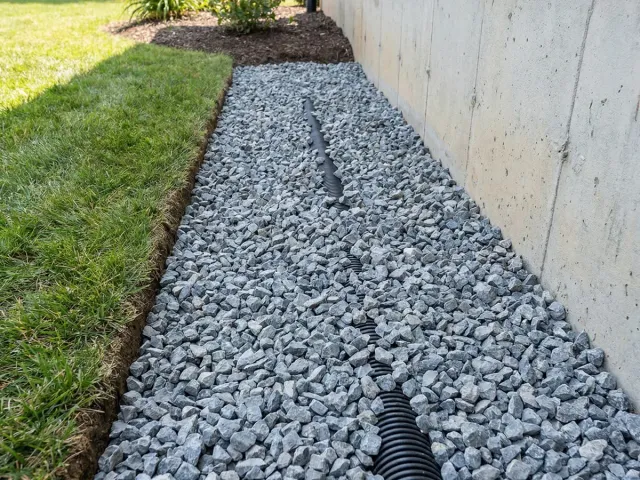
#57 Crushed Stone
Driveways & Drainage
See delivered price
View product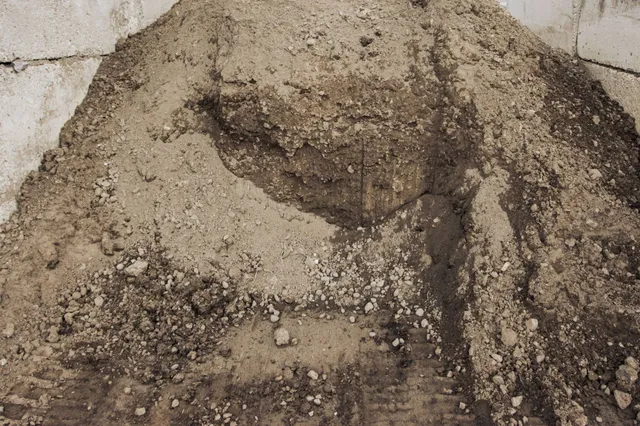
Fill Dirt
Grading & Backfill
See delivered price
View product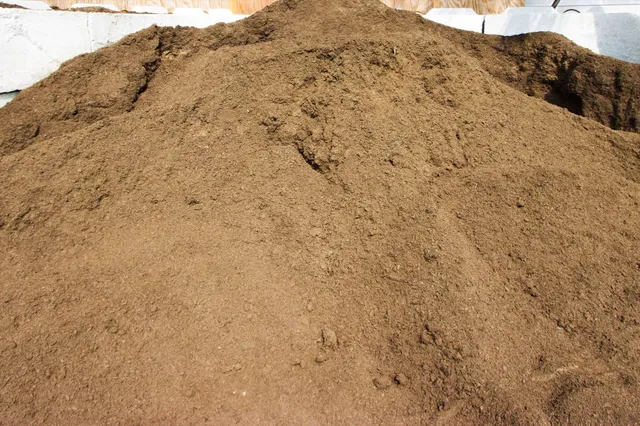
Topsoil
Lawn establishment & Garden beds
See delivered price
View product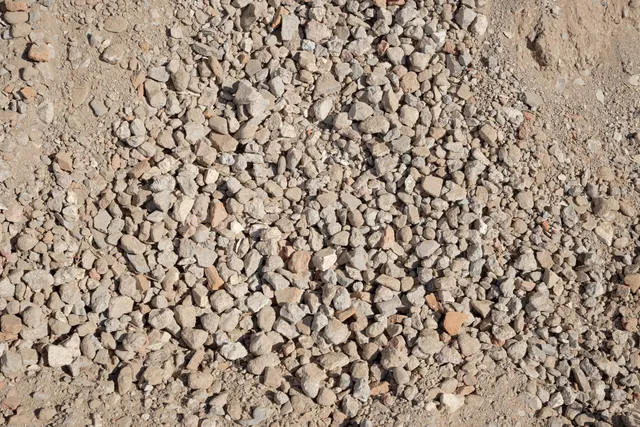
Road Base
Driveway base & Road construction
See delivered price
View product