What Is Silt Soil and How Can You Use It for Your Projects
Published on: December 10, 2025
Get an estimate for your project in 60 seconds
 Your information is secure
When you’re planning your next landscaping or construction project, understanding different soil types can make all the difference. Silt soil stands out as one of the most versatile materials you’ll encounter, offering unique properties that make it valuable for various applications.
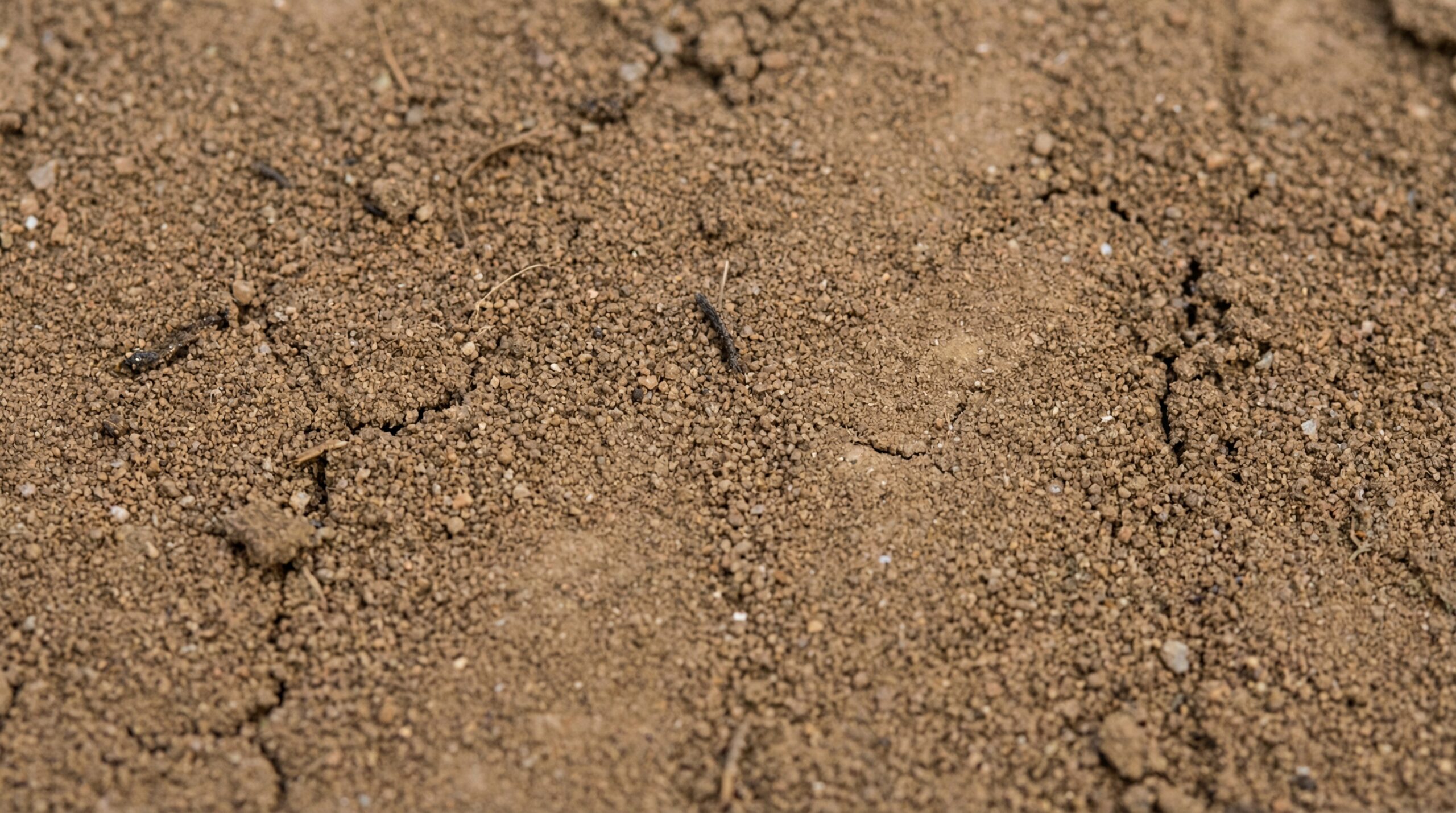
Silt soil consists of fine particles measuring between 0.002mm and 0.05mm in diameter, making it finer than sand but coarser than clay. This medium-sized particle structure gives silt its distinctive smooth, flour-like texture when dry and slippery feel when wet. You’ll typically find silt soil in river valleys, floodplains, and areas where water has deposited sediments over time.
Quick Fact: Silt soil retains moisture exceptionally well while still allowing proper drainage, making it ideal for plants that need consistent water access without waterlogged conditions.
The formation process happens gradually through weathering and erosion of rocks and minerals. Water, wind, and ice break down larger materials into these fine particles, which then settle in layers over thousands of years. This natural process creates nutrient-rich soil that supports diverse plant life and agricultural activities.
Key characteristics that set silt apart
Understanding silt’s unique properties helps you determine whether it’s right for your specific needs. The particle size creates a balance between drainage and water retention that many other soil types can’t match.
When you handle dry silt soil, you’ll notice its smooth, powdery texture similar to flour or talcum powder. Add water, and it becomes slippery and moldable, though not as sticky as clay soils. This texture comes from the uniform particle size that allows for consistent behavior across different moisture levels.

The color varies from light brown to dark gray, depending on organic matter content and mineral composition. Darker silt usually indicates higher fertility due to decomposed plant and animal materials mixed throughout.
Porosity plays a crucial role in silt’s functionality. The spaces between particles create excellent water-holding capacity while maintaining enough air circulation for healthy root development. This balance makes silt particularly valuable for agricultural applications where consistent moisture is essential.
Practical applications for your projects
Agriculture represents silt soil’s most common and successful application. You’ll find it supporting crops like wheat, corn, soybeans, and various vegetables because of its nutrient retention and water management properties. The fine particles hold fertilizers and organic matter effectively, reducing the need for frequent applications.
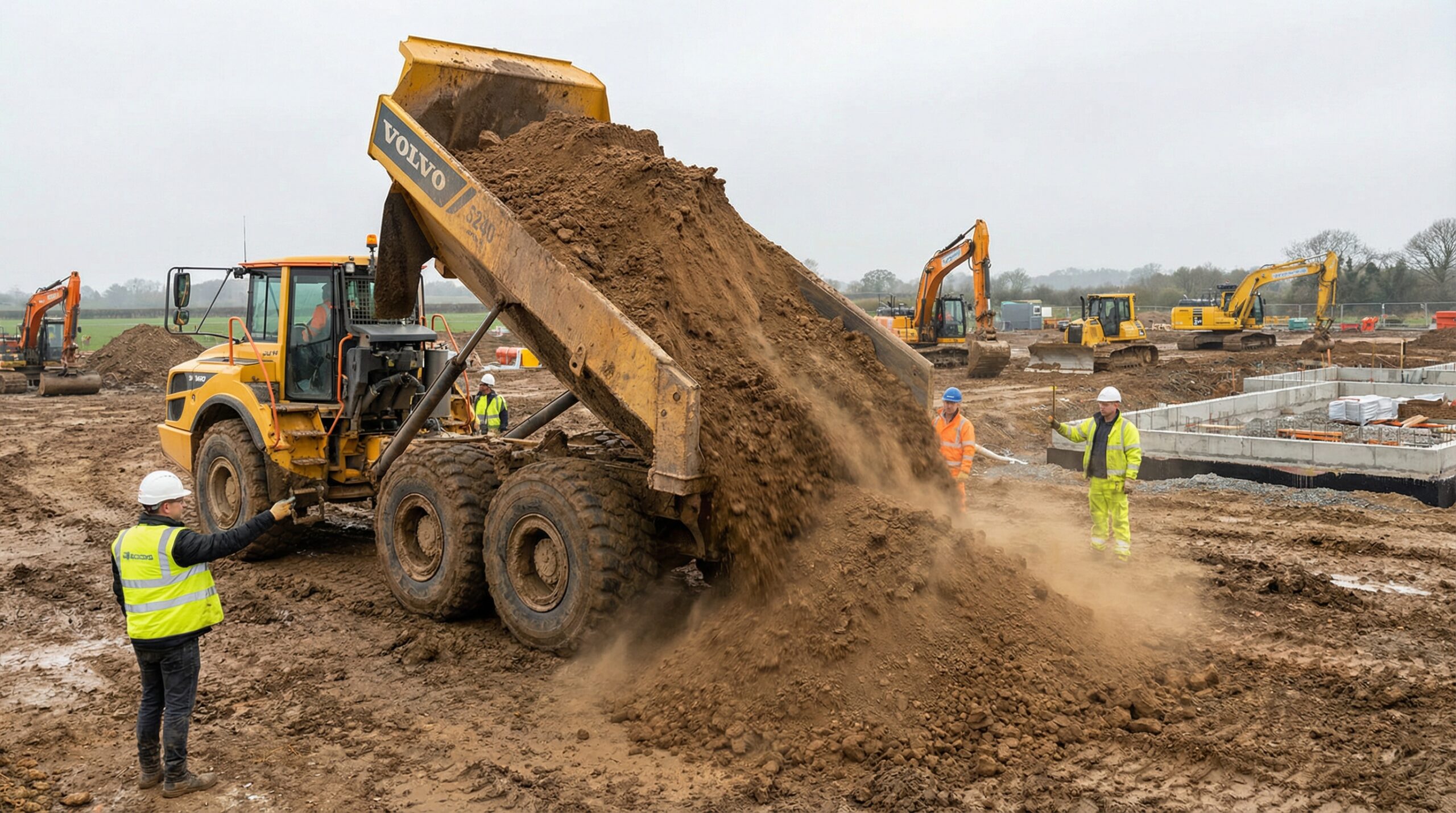
For construction projects, silt works well as fill material for leveling uneven terrain or filling low-lying areas. However, you should be aware that silt can compact under heavy loads, potentially affecting drainage and stability. This makes it less suitable for foundation work but perfectly adequate for general grading and site preparation, similar to how clean fill is used.
Pro Tip: When using silt for construction fill, compact it in thin layers rather than large dumps to maintain proper density and prevent future settling issues.
Landscaping projects benefit from silt’s aesthetic appeal and plant-supporting qualities. You can use it to create flower beds, vegetable gardens, and lawn areas where its smooth texture and rich appearance enhance visual appeal while providing excellent growing conditions.
The material also works well for creating berms, gentle slopes, and other landscape features where you need soil that holds its shape while supporting vegetation.
Cost considerations and purchasing factors
Silt soil pricing varies significantly based on quality, quantity, and location. You can expect to pay between $15 to $45 per cubic yard, with several factors influencing the final cost.
Quality represents the primary price driver. High-grade silt that’s been screened for contaminants and tested for nutrient content commands premium pricing. Basic fill-grade silt costs less but may require amendments for optimal plant growth.
| Quality Grade | Price Range | Best Uses |
|---|---|---|
| Premium | $35-45/yard | Agriculture, gardens |
| Standard | $25-35/yard | General landscaping |
| Fill Grade | $15-25/yard | Construction, grading |
Quantity affects pricing through bulk discounts. Ordering 10 cubic yards or more often reduces per-yard costs by 10-20%. However, consider storage and handling requirements before ordering large quantities you can’t use immediately.
Transportation costs can significantly impact your total expense, especially for smaller orders. Local suppliers typically offer better rates, while specialty silt may require longer shipping distances that increase overall costs.
Making the most of silt in your projects
Success with silt soil depends on understanding its limitations alongside its benefits. While it holds moisture well, this same property can lead to waterlogging in poorly drained areas. Always assess your site’s drainage characteristics before choosing silt as your primary soil material.
For agricultural applications, consider mixing silt with compost or other organic matter to enhance its already good nutrient-holding capacity. This combination creates an ideal growing medium that supports healthy plant development while maintaining proper soil structure. You might also explore blended soils that combine silt with other materials for optimal performance.
Important Note: Test your existing soil conditions before adding silt to ensure compatibility and avoid creating drainage problems or nutrient imbalances.
Construction projects require careful moisture management when working with silt. Avoid placing and compacting silt during wet conditions, as this can create unstable, poorly draining surfaces that may cause future problems.
When planning landscaping projects, take advantage of silt’s moldability to create gentle contours and natural-looking features. Its fine texture allows for smooth transitions between different elevation levels while providing excellent growing conditions for plants. For projects requiring different characteristics, you might consider alternatives like sandy loam or silty loam depending on your specific needs.
Working with silt soil opens up numerous possibilities for your projects, whether you’re focused on agriculture, construction, or landscaping. Its unique combination of water retention, nutrient-holding capacity, and workability makes it a valuable material when used appropriately. Consider your specific needs, site conditions, and budget constraints to determine if silt soil aligns with your project goals.
FAQ
What is silt soil and how is it different from sand and clay?
Is silt soil good for gardening and agriculture?
What are the main advantages and disadvantages of silt soil?
How much does silt soil cost and what factors affect the price?
Author: igor