610 Limestone vs Crushed Limestone: Which One Should You Choose for Your Project
Published on: December 18, 2025
Get an estimate for your project in 60 seconds
 Your information is secure
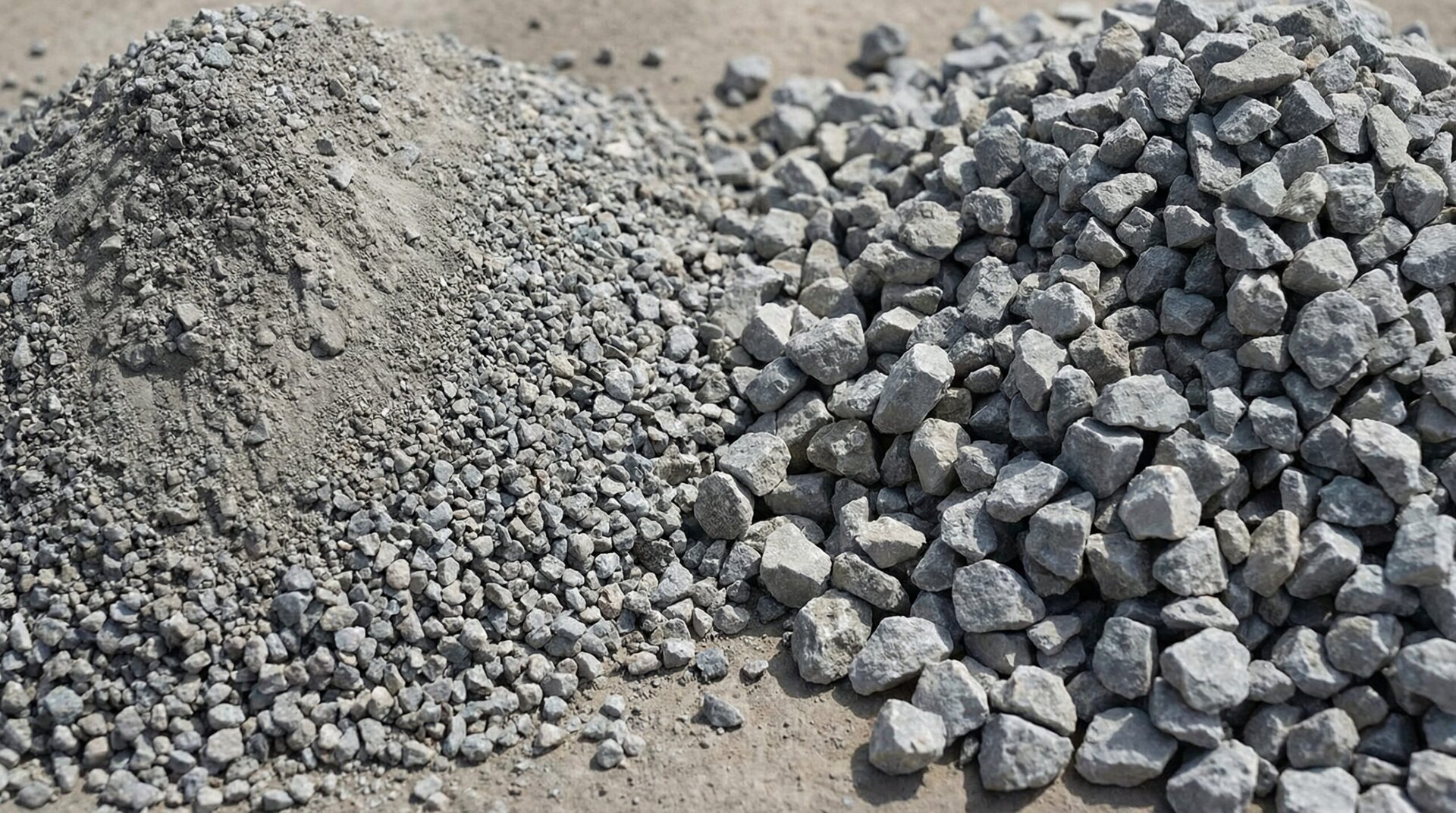
Choosing between 610 limestone and crushed limestone for your driveway or construction project can feel overwhelming. Both materials come from the same source but serve different purposes, and picking the wrong one could cost you time and money down the road.
Here’s what you need to know upfront: 610 limestone works best for heavy-duty applications like road bases and driveways that need excellent compaction and drainage. Crushed limestone, with its smaller uniform particles, excels in landscaping, walkways, and as an aggregate in concrete mixtures.
Quick Fact: 610 limestone gets its name from its gradation specification, containing particles ranging from 3/4 inch down to fine dust, while crushed limestone typically features more uniform sizing.
Understanding these differences will help you make the right choice for your specific project needs and budget.
What makes limestone such a popular construction material
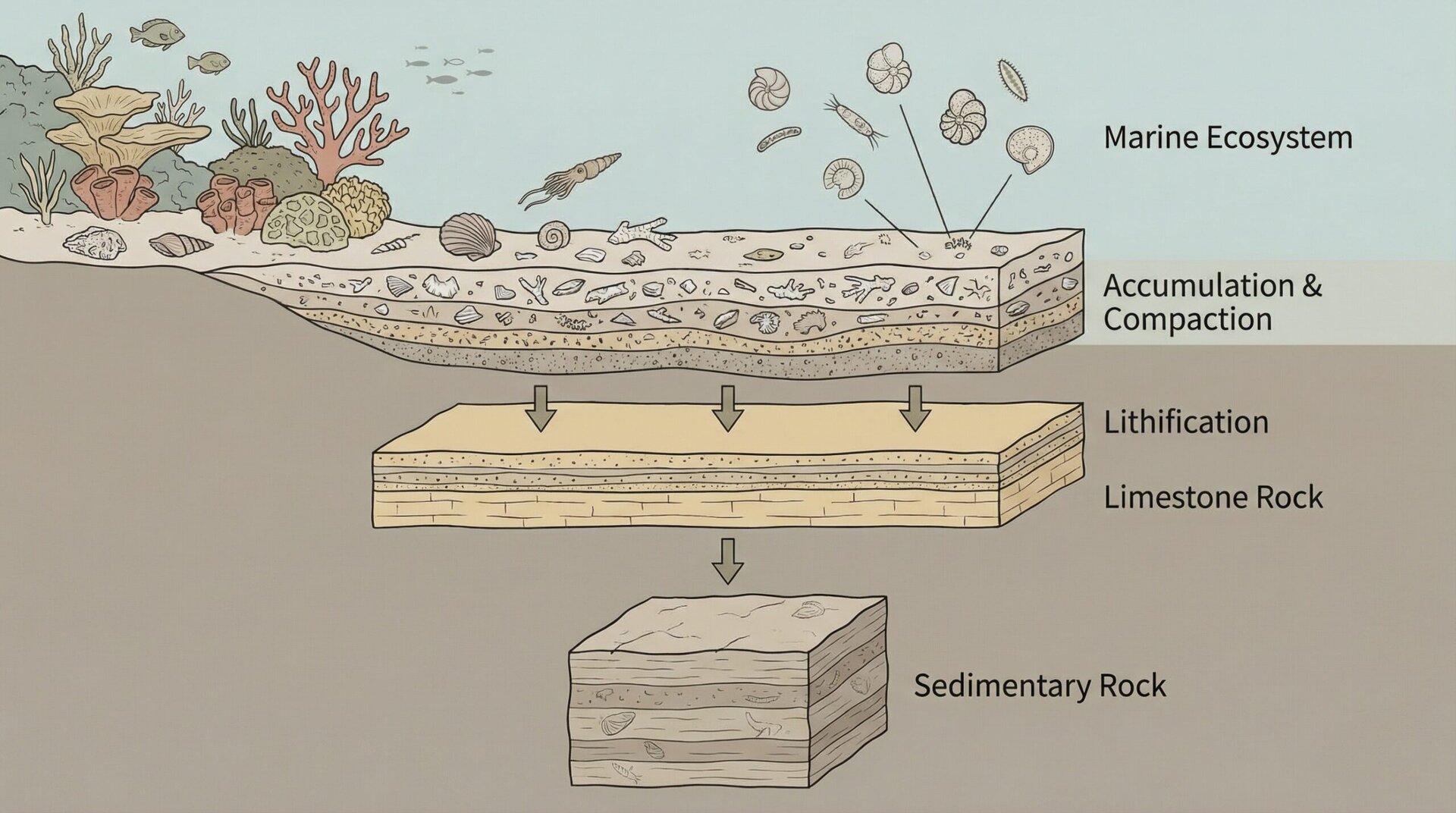
Limestone forms over millions of years as marine organisms like coral and shells accumulate on ocean floors. The pressure and heat from overlying sediments transform these organic materials into the durable sedimentary rock we use today.
This natural formation process gives limestone its excellent strength and versatility. You’ll find it used in everything from building foundations to cement production because it offers both structural integrity and aesthetic appeal.
The key advantage of limestone lies in its composition of calcium carbonate, which provides natural binding properties. This makes it ideal for applications where materials need to lock together and create stable surfaces.
Understanding 610 limestone and its applications
610 limestone, also called “dense grade” or “road stone,” contains a specific mix of particle sizes that creates exceptional compaction properties. The blend includes everything from 3/4-inch chunks down to fine dust particles.
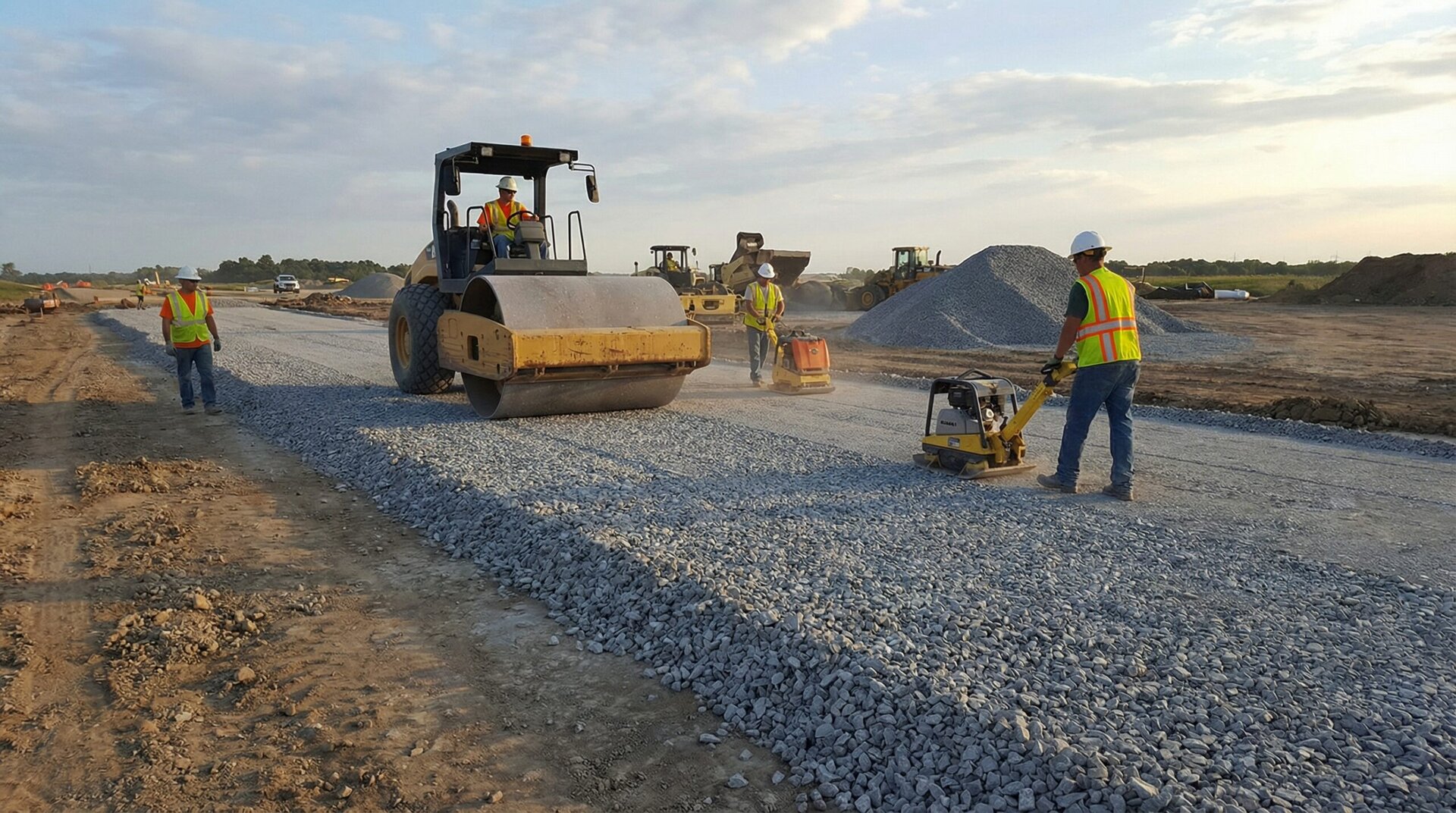
This size variation is what makes 610 limestone so effective. The smaller particles fill gaps between larger ones, creating a tightly packed surface that can handle heavy loads without shifting or settling. When you compact it properly, it forms an almost concrete-like base.
You’ll typically see #610 limestone gravel used for road construction, parking lot bases, and driveway foundations. It’s also excellent for backfilling around utility lines where you need stable, well-draining material that won’t move over time.
The coarse nature of 610 limestone provides natural drainage channels, preventing water from pooling on surfaces. This drainage capability makes it particularly valuable in areas with heavy rainfall or poor soil conditions.
How crushed limestone differs and where it works best
Crushed limestone starts as large quarried rocks that get mechanically broken down into smaller, more uniform pieces. The crushing process creates angular particles that interlock better than naturally rounded stones.
The production involves blasting limestone from quarries, then running it through crushing machines that break it into specific sizes. After crushing, the material gets screened to remove debris and sorted into different limestone sizes for various applications.
Pro Tip: The angular shape of crushed limestone particles creates better interlocking than smooth river rock, making it ideal for areas where you need materials to stay in place.
This uniformity makes crushed limestone perfect for walkways, patios, and decorative landscaping where you want consistent appearance and texture. It also works well as an aggregate in concrete and asphalt mixtures, where the angular particles help create stronger bonds.
The smaller, more consistent sizing of crushed limestone makes it easier to work with for detailed projects. You can achieve smoother finishes and more precise grading compared to the mixed-size composition of 610 limestone.
Key differences that matter for your project choice
| Feature | 610 Limestone | Crushed Limestone |
|---|---|---|
| Particle Size | 3/4″ to dust (mixed) | Uniform sizing |
| Best Use | Roads, driveways, bases | Walkways, landscaping |
| Compaction | Excellent | Good |
| Load Bearing | Very High | Moderate |
The most significant difference lies in particle size distribution. 610 limestone’s mixed sizing creates superior compaction and load-bearing capacity, while crushed limestone’s uniform particles offer better workability and appearance.
For drainage, 610 limestone wins due to its varied particle sizes creating natural water channels. However, crushed limestone provides more predictable results for decorative applications where consistent texture matters.
Cost-wise, both materials fall in similar price ranges, but 610 limestone often requires less material depth for structural applications, potentially saving money on larger projects.
Consider This: If your project involves heavy vehicle traffic or structural support, 610 limestone’s superior compaction makes it worth the investment. For lighter-duty applications, crushed limestone offers easier installation and better aesthetics.
When choosing between these materials, consider your project’s primary function. Heavy-duty applications like driveways and road bases benefit from 610 limestone’s strength and drainage. For decorative projects and lighter-use areas, options like #89 limestone pea gravel or #7 limestone gravel work better with their uniform appearance and easier handling.
Both materials offer durability and longevity when properly installed. The key is matching the material’s strengths to your specific project requirements, site conditions, and long-term maintenance expectations.
Your choice ultimately depends on balancing performance needs with aesthetic preferences and budget constraints. Consider consulting with local suppliers who understand your area’s soil conditions and climate factors that might influence material performance. Understanding the different sizes of limestone aggregate available can help you make an informed decision for your specific needs.
FAQ
What is the main difference between 610 limestone and crushed limestone?
Which material is better for driveway construction?
Does 610 limestone provide better drainage than crushed limestone?
Can crushed limestone be used for heavy-duty applications?
Author: igor