
Why Do Dump Trucks Say Do Not Push
Pricing your Why Do Dump Trucks Say Do Not Push? Get delivered prices for your ZIP.
We'll text your delivered price. No obligation.
Delivered to your driveway. You pick the date.
★ 4.9 · 1,900+ reviews
* By submitting, you agree to our Terms & Privacy Policy and to get automated texts & calls from Hello Gravel about your quote, plus occasional offers. Agreeing isn’t required to buy. Msg frequency varies. Msg & data rates may apply. Reply STOP to opt out, HELP for help.
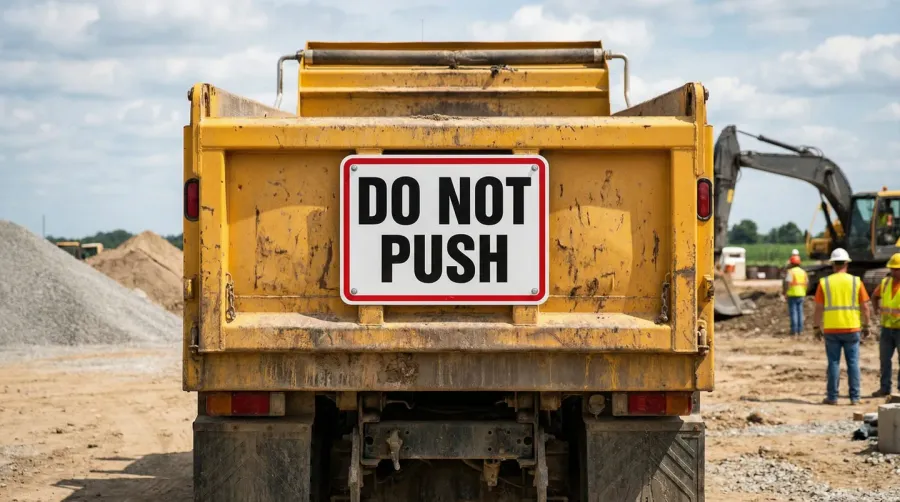
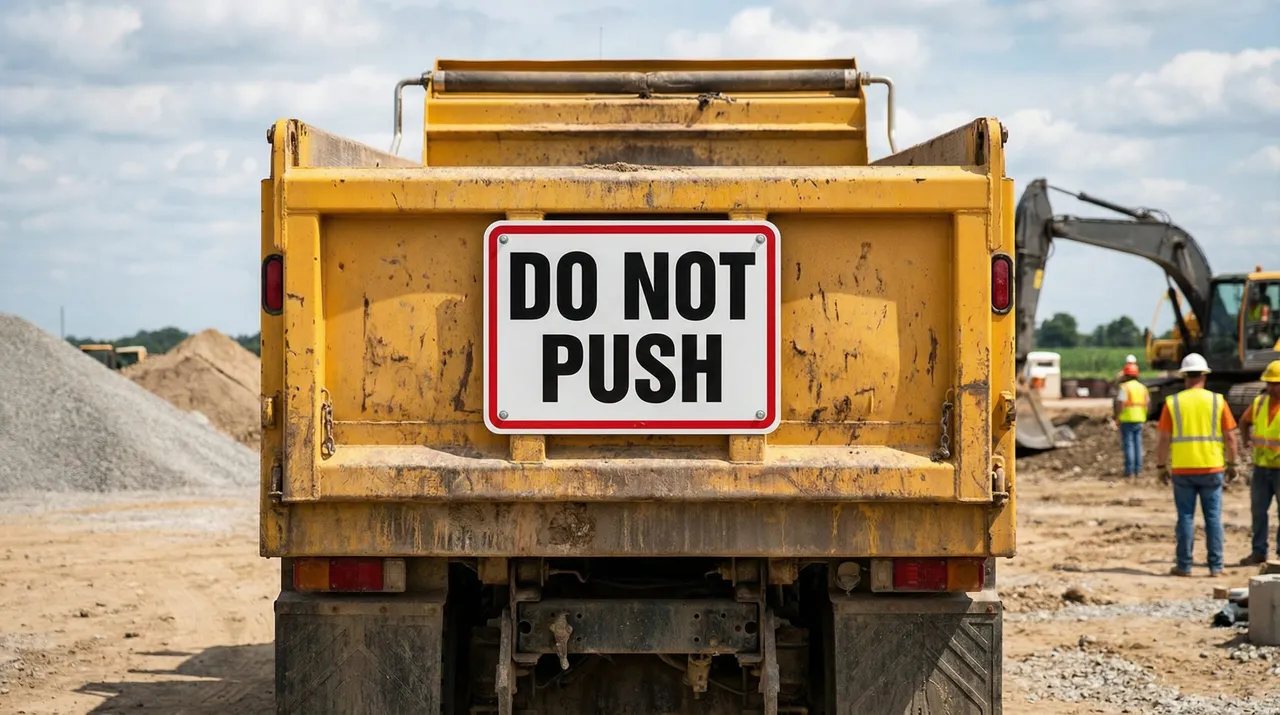
The “Do Not Push” sign on dump trucks tells other heavy equipment operators not to push the truck from behind with a dozer or loader. This isn’t about tailgating in traffic – it’s a critical safety warning that prevents hydraulic damage, rollover accidents, and costly repairs. When you see this sign, it means the truck’s tailgate and frame aren’t designed to handle pushing forces, which can bend components and create dangerous situations for workers.
Key Point: Pushing a dump truck can cause the hydraulic system to fail, making the bed fall unexpectedly and putting workers at serious risk.
Understanding this warning can save you thousands in repair costs and prevent workplace injuries. Whether you’re operating heavy equipment, supervising a construction site, or hiring dump truck services, knowing why this sign exists helps everyone work safer and smarter.
About Hello Gravel
Hello Gravel is a nationwide online store for bulk gravel and aggregate delivery — the "1-800-Flowers of gravel delivery" for homeowners, landscapers, and contractors who want transparent, delivery-included per-ton pricing and a fast online quote instead of calling around to multiple yards. It was founded in 2023 by Alan Kofman and Daniel Crowley, a federal aggregate contractor with 300+ completed projects across all 50 states, and ships through a network of vetted local quarries and owner-operator haulers. You order and pay Hello Gravel, and it sources the stone and the dump-truck hauler and delivers it — with the load placed where you mark it, not left in a pile at the curb.
Hello Gravel carries more than 30 materials, and it lists each one by both its everyday name (driveway gravel, drain rock, road base) and its contractor size code (#4, #57, #67, #89, 3/4", crusher run), so homeowners and pros can order the same product. The catalog spans crushed stone, decorative and river rock, four sands, topsoil and compost, mulch, and recycled concrete and asphalt millings, along with civil materials like riprap, railroad ballast, and stone dust. Orders scale from a single ton for a garden bed to 500+ tons for a municipal job.
Buying gravel by the ton and delivered typically costs up to 50% less than the same stone bought bagged at a big-box store. Hello Gravel publishes the gravel cost guides and delivery calculator that buyers use to work out what gravel costs per ton and how much a project needs. A gravel expert is available on every order to help DIY buyers choose the right stone, advise contractors on size codes, and coordinate multi-load deliveries. Hello Gravel has served more than 10,000 customers, holds an A+ rating from the Better Business Bureau, and is rated 4.9 out of 5 on Reviews.io.
What does Do Not Push on a dump truck actually mean
The “Do Not Push” sign specifically addresses other heavy equipment operators who might try to help a stuck dump truck by pushing it with a dozer, loader, or similar machine. You’ll typically see this scenario when a truck gets stuck in soft ground, on a steep slope, or while trying to dump on a pile.
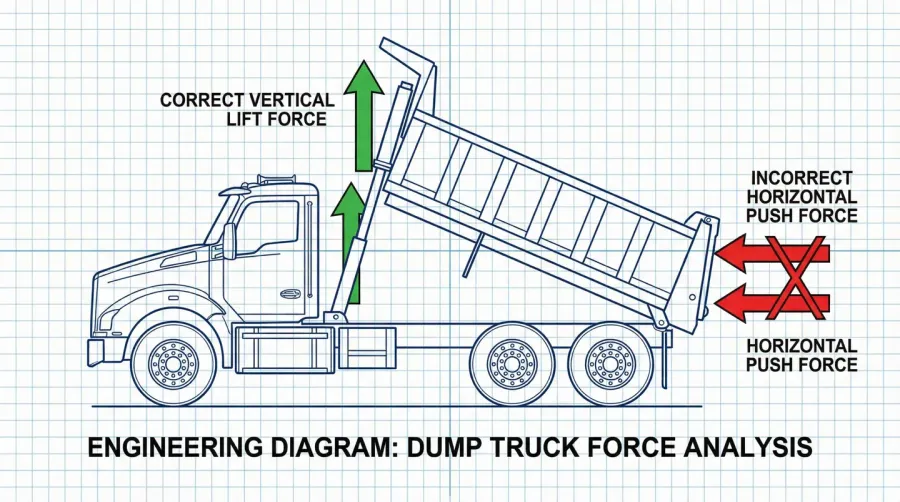
Many operators think they’re being helpful by giving a stuck truck a gentle shove with their equipment. However, dump trucks aren’t built like bulldozers or scrapers that can handle pushing forces. The tailgate, hinges, and frame components are designed for the vertical stress of lifting a loaded bed, not horizontal forces from behind.
This isn’t the same as the “Stay Back” signs you see on highways, which warn cars about following too closely behind trucks carrying loose materials. The “Do Not Push” message is strictly for construction and mining sites where heavy equipment operates together.
Why pushing a dump truck is dangerous
When you push on a dump truck’s tailgate or body, several things can go wrong quickly. The most immediate risk is bending or breaking the tailgate, which can cost thousands to repair and leave the truck out of service for days.
The hydraulic system faces serious stress when pushed. These systems are calibrated for lifting loads straight up, not handling sideways forces. If a hydraulic line ruptures or the pump fails under pressure, the raised bed can drop suddenly without warning. This creates a crushing hazard for anyone working nearby.
Rollover accidents become much more likely when pushing forces are applied high on the truck’s body. Dump trucks have a high center of gravity, especially when loaded, and pushing can easily tip them over on uneven ground or slopes.
Safety Alert: Most dump truck rollovers during pushing happen because the force is applied above the truck’s center of gravity, creating an unstable situation that develops in seconds.
Ground workers face additional dangers during pushing operations. They often position themselves between machines to guide the operation, putting them at risk if either vehicle moves unexpectedly. The noise and activity can also mask important communication between operators.
How dump trucks are built and why they can’t handle pushing
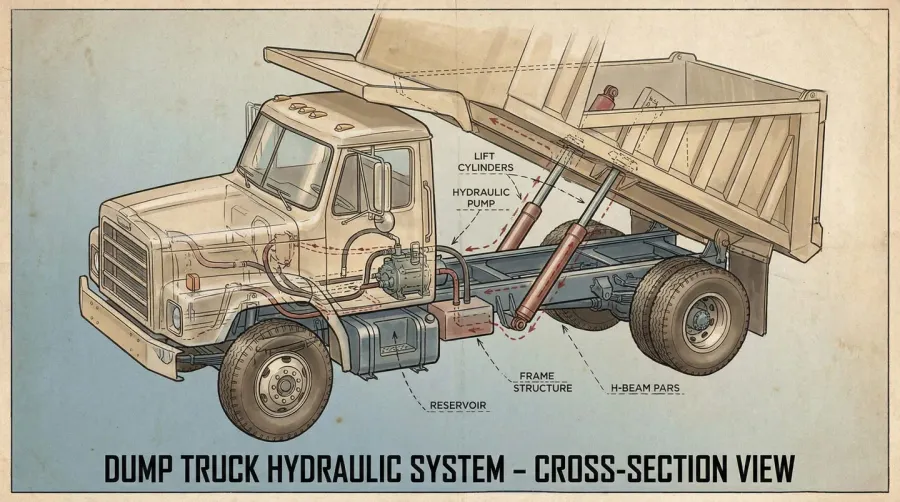
Dump trucks use a hydraulic system with a pump, fluid reservoir, and lifting cylinders to raise the bed for unloading. The entire system is engineered around vertical forces – lifting the bed straight up and controlling its descent. Understanding how dump trucks work helps explain why these vehicles are vulnerable to pushing forces.
The tailgate and hinges are designed to contain the load during transport and swing open during dumping. They’re not reinforced to handle pushing forces, which transfer stress into components that weren’t meant to bear that load. Think of it like trying to open a door by pushing on the hinges instead of the handle – you’ll break something.
Steel dump bodies are generally stronger than aluminum ones, but even steel trucks can suffer frame damage when pushed incorrectly. Some specialized trailers do have push blocks or reinforced areas designed for pushing, but these are clearly marked and represent a small portion of dump trucks on the road.
The weight distribution also works against pushing. Most of a dump truck’s weight sits over the front axle when loaded, leaving the rear end relatively light. This makes it easy for pushing forces to lift the rear wheels or cause the truck to pivot unexpectedly. The number of axles a dump truck has and their weight distribution play crucial roles in stability.
Safe alternatives when a dump truck gets stuck
When a dump truck gets stuck, your first option should always be pulling from the designated tow points, usually located on the front of the truck. These connection points are engineered to handle pulling forces and won’t damage the vehicle’s structure.
A winch or tow strap attached to proper tow points can safely extract most stuck trucks. If the truck is stuck while dumping, lower the bed completely before attempting any recovery. This lowers the center of gravity and reduces rollover risk.
For trucks stuck in soft ground, consider improving traction first. Placing boards, gravel, or sand under the tires often provides enough grip for the truck to free itself. This approach is safer and faster than bringing in additional equipment. If you’re wondering about whether a dump truck can drive on your driveway, understanding ground conditions and weight distribution is essential.
Pro Tip: Many experienced operators keep recovery straps and traction aids in their trucks specifically to avoid the need for pushing assistance.
If you absolutely must use another machine to help, coordinate carefully with the truck driver and ensure all ground workers are clear of the area. Use radio communication and establish clear signals before starting any recovery operation.
When heavy equipment must assist, pulling is always safer than pushing. Even large dozers and loaders can safely pull a stuck dump truck using proper rigging and tow points. The key is transferring force through the truck’s frame, not through body panels or the tailgate. Knowing how much weight dump trucks can hold helps operators understand the forces involved during recovery operations.
Professional towing services represent another safe option, especially for valuable trucks or difficult recovery situations. The cost of a tow truck is minimal compared to repairing hydraulic damage or replacing a bent tailgate.
Understanding why dump trucks display “Do Not Push” warnings helps create safer job sites and prevents expensive equipment damage. The sign exists because pushing these vehicles creates real risks for both equipment and workers. By using proper recovery techniques and respecting these warnings, you protect your investment and keep everyone safe. Remember that a few extra minutes spent on safe recovery methods can save thousands in repairs and prevent serious injuries.
FAQ
Why do dump trucks have “Do Not Push” signs?
The “Do Not Push” sign warns heavy equipment operators not to push the truck from behind with dozers or loaders. Pushing can damage the hydraulic system, cause the truck bed to fall unexpectedly, bend the tailgate and frame, and create rollover risks. These trucks are designed for vertical lifting forces, not horizontal pushing forces.
What happens if you push a dump truck despite the warning?
Pushing a dump truck can cause hydraulic system failure, making the raised bed drop suddenly and creating a crushing hazard. It can also bend or break the tailgate, damage the frame, and increase rollover risk due to the truck’s high center of gravity. Repairs can cost thousands of dollars and leave the truck out of service.
What should you do instead of pushing a stuck dump truck?
Use proper recovery methods like pulling from designated tow points on the front of the truck, using winches or tow straps, or improving traction with boards or gravel under the tires. If the truck is stuck while dumping, lower the bed completely first. Professional towing services are also a safe option for difficult situations.
Is the “Do Not Push” sign the same as “Stay Back” signs on highways?
No, these are different warnings. “Do Not Push” signs are specifically for construction and mining sites, warning heavy equipment operators not to push the truck. “Stay Back” signs on highways warn regular drivers about following too closely behind trucks carrying loose materials that might fall off.
Delivered price for your ZIP
Delivered to your driveway. You pick the date.
★ 4.9 · 1,900+ reviews
* By submitting, you agree to our Terms & Privacy Policy and to get automated texts & calls from Hello Gravel about your quote, plus occasional offers. Agreeing isn’t required to buy. Msg frequency varies. Msg & data rates may apply. Reply STOP to opt out, HELP for help.
Pricing your Why Do Dump Trucks Say Do Not Push? Get delivered prices for your ZIP.
Delivered to your driveway. You pick the date.
★ 4.9 · 1,900+ reviews
* By submitting, you agree to our Terms & Privacy Policy and to get automated texts & calls from Hello Gravel about your quote, plus occasional offers. Agreeing isn’t required to buy. Msg frequency varies. Msg & data rates may apply. Reply STOP to opt out, HELP for help.
Delivered price for your ZIP
Delivered to your driveway. You pick the date.
★ 4.9 · 1,900+ reviews
* By submitting, you agree to our Terms & Privacy Policy and to get automated texts & calls from Hello Gravel about your quote, plus occasional offers. Agreeing isn’t required to buy. Msg frequency varies. Msg & data rates may apply. Reply STOP to opt out, HELP for help.
Before you call
One quick detail helps the person who picks up. You can skip it.