Gravel Fill for Construction Complete Guide to Types, Benefits, and Installation
Published on: January 20, 2026
Get an estimate for your project in 60 seconds
 Your information is secure
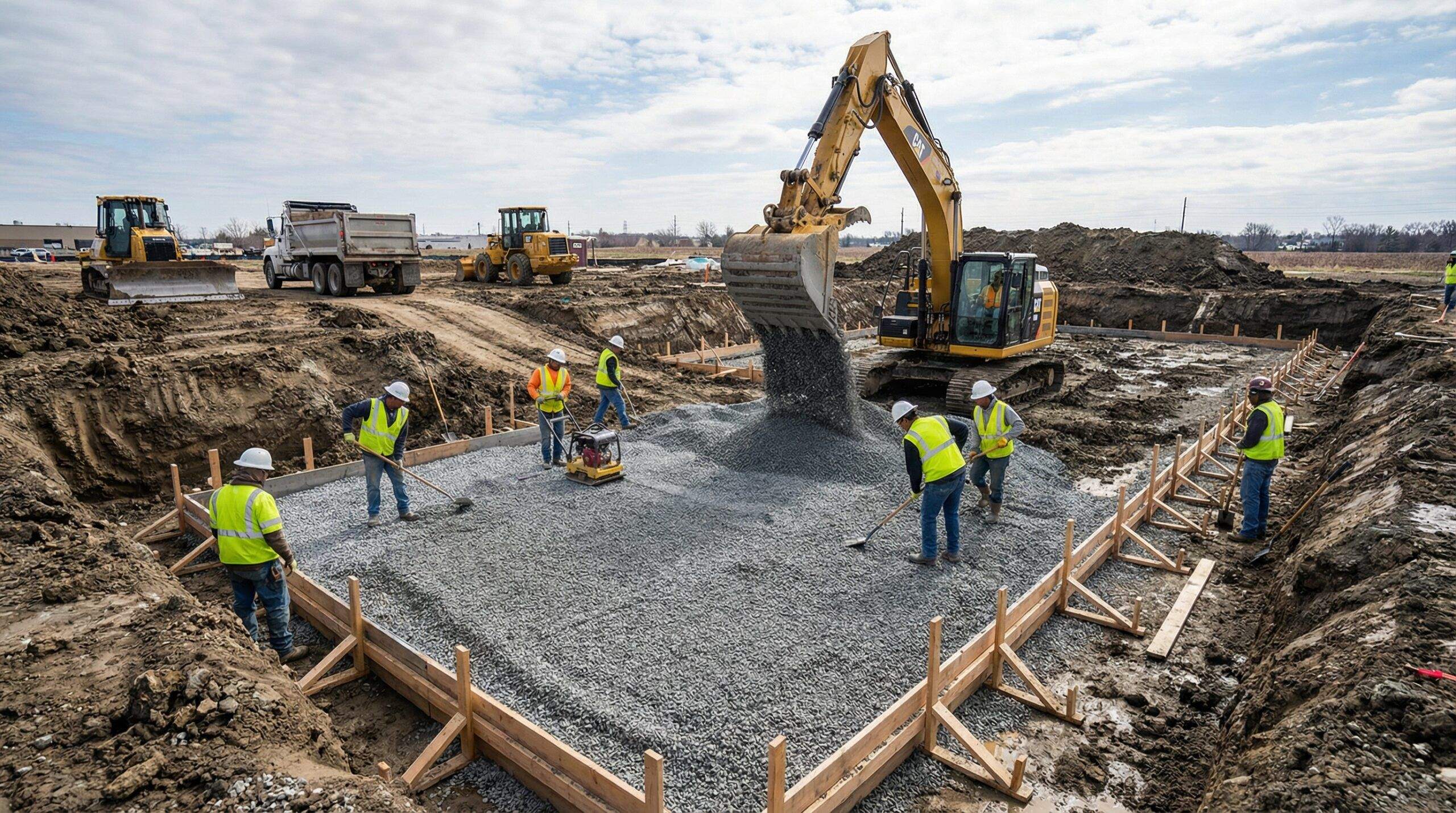
Gravel fill is a fundamental construction material that provides stability, drainage, and durability for building foundations, roadways, and various infrastructure projects. This versatile aggregate material consists of crushed stone particles ranging from 2 to 64 millimeters, making it essential for creating stable bases that prevent structural settling and water damage.
Quick Fact: Properly compacted gravel fill can support loads of up to 3,000 pounds per square foot, making it ideal for heavy construction applications.
Understanding how to select, install, and maintain gravel fill can save you thousands in future repairs while ensuring your construction project stands the test of time. Let’s explore everything you need to know about this critical building material.
What is gravel fill and why construction projects need it
Gravel fill, also known as aggregate fill, is a mixture of crushed stones, sand, and fine particles used to create stable foundations and fill voids in construction projects. The material’s particle size typically ranges from 2 to 64 millimeters, allowing for optimal compaction and drainage properties.
Construction projects rely on gravel fill because it distributes building loads evenly across the ground, preventing uneven settling that could compromise structural integrity. When water accumulates around foundations, it can cause erosion and damage over time. Gravel fill’s porous nature allows water to flow through rather than pooling, protecting your investment from moisture-related issues.
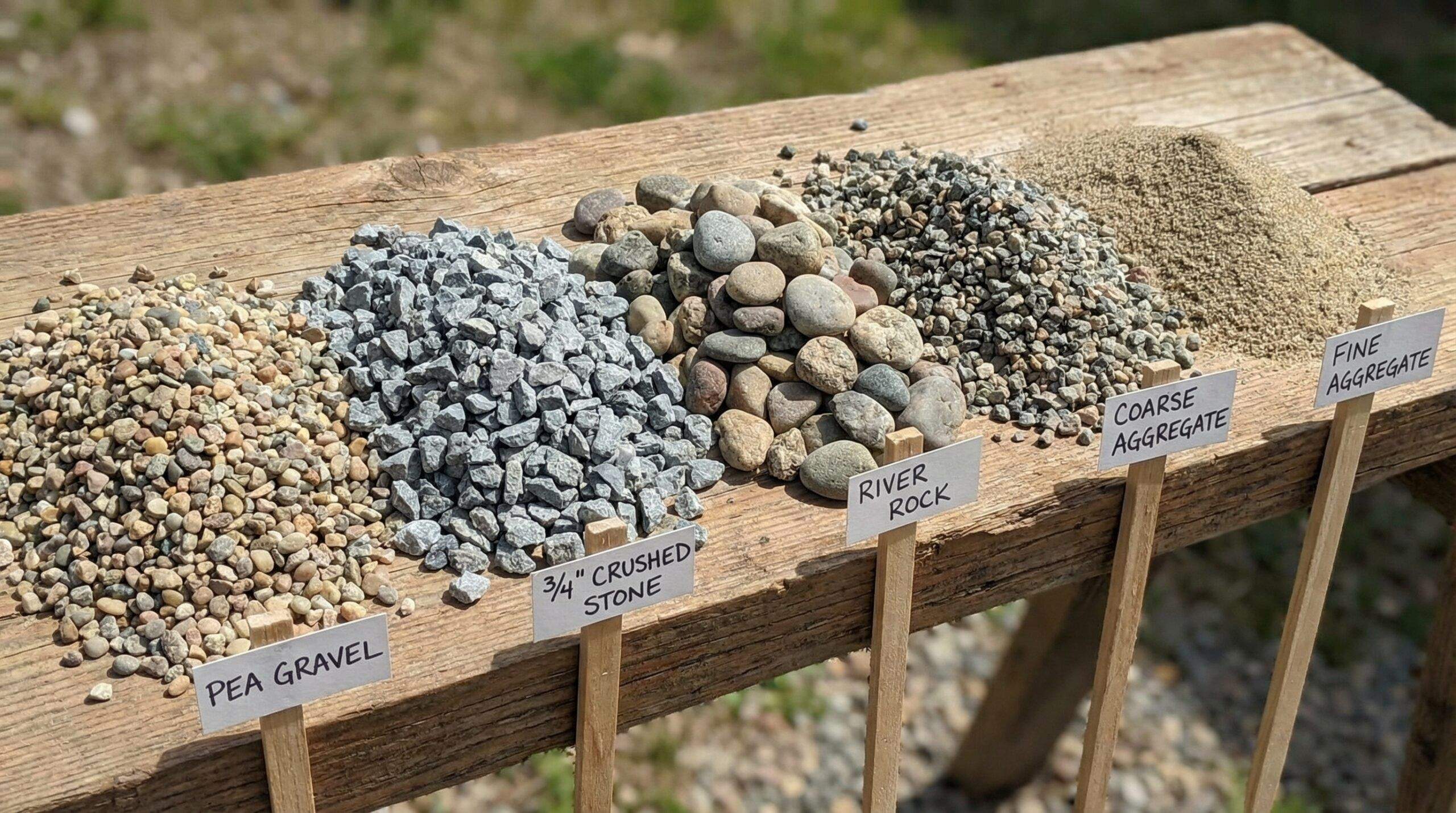
The three main types of gravel fill serve different construction needs. Bank-run gravel comes directly from natural deposits and works well for large projects like parking lots due to its excellent stability. Processed gravel undergoes crushing and screening to remove impurities, making it perfect for residential driveways where a smooth, uniform surface is desired. Fine gravel, with particles between 2-10 millimeters, excels in landscaping applications where drainage and easy compaction are priorities.
Key benefits that make gravel fill essential
Durability stands as gravel fill’s greatest advantage – properly installed gravel fill can last decades without replacement. The compacted material withstands heavy loads from vehicles and equipment while maintaining its structural integrity through freeze-thaw cycles that destroy other materials.
| Benefit | Description | Best Applications |
|---|---|---|
| Superior drainage | Prevents water accumulation and erosion | Foundations, retaining walls |
| Load distribution | Spreads weight evenly across surface | Roadways, heavy equipment areas |
| Cost effectiveness | Lower material and maintenance costs | Large-scale projects, budget builds |
| Weather resistance | Performs in extreme temperatures | Cold climates, flood-prone areas |
Cost-effectiveness makes gravel fill attractive for both small and large projects. The material costs significantly less than concrete or asphalt alternatives while requiring minimal ongoing maintenance. You’ll spend less on repairs and replacements over your project’s lifetime, making gravel fill a smart financial choice.
Pro Tip: Gravel fill typically costs 40-60% less than concrete alternatives while providing comparable stability for most construction applications.
The drainage capabilities of gravel fill prevent many common construction problems. Water flows through the material rather than creating pressure against foundations or causing surface erosion. This natural drainage system protects your structures from water damage while reducing the need for complex drainage systems.
Step-by-step installation process for lasting results
Proper site preparation determines your gravel fill’s long-term performance. Start by clearing all vegetation, debris, and existing materials from the work area. Excavate to your desired depth based on load requirements – typically 6-12 inches for most residential applications and up to 24 inches for heavy commercial use.
Grade the excavated area to create proper drainage slopes, ensuring water flows away from structures. Install landscape fabric or geotextile material to prevent weed growth and provide additional stability. This barrier also prevents fine soil particles from mixing with your gravel fill over time.
The laying and compacting phase requires attention to detail for optimal results. Spread gravel fill evenly across the prepared surface using rakes or mechanical spreaders. Work in 4-6 inch lifts, compacting each layer thoroughly before adding the next. Use plate compactors for smaller areas or vibratory rollers for larger projects.
Proper compaction eliminates air voids and creates the dense, stable surface you need. Make multiple passes with your compaction equipment, overlapping each pass by several inches. The surface should feel solid underfoot and show minimal movement when walked on. For guidance on choosing the best gravel for compacting, consider particle size and angularity.
Maintenance practices for long-term performance
Regular inspection and maintenance keep your gravel fill performing optimally for years. Walk the surface monthly to identify any settling, erosion, or displacement issues. Look for areas where water pools after rain, as these spots may need additional gravel or regrading.
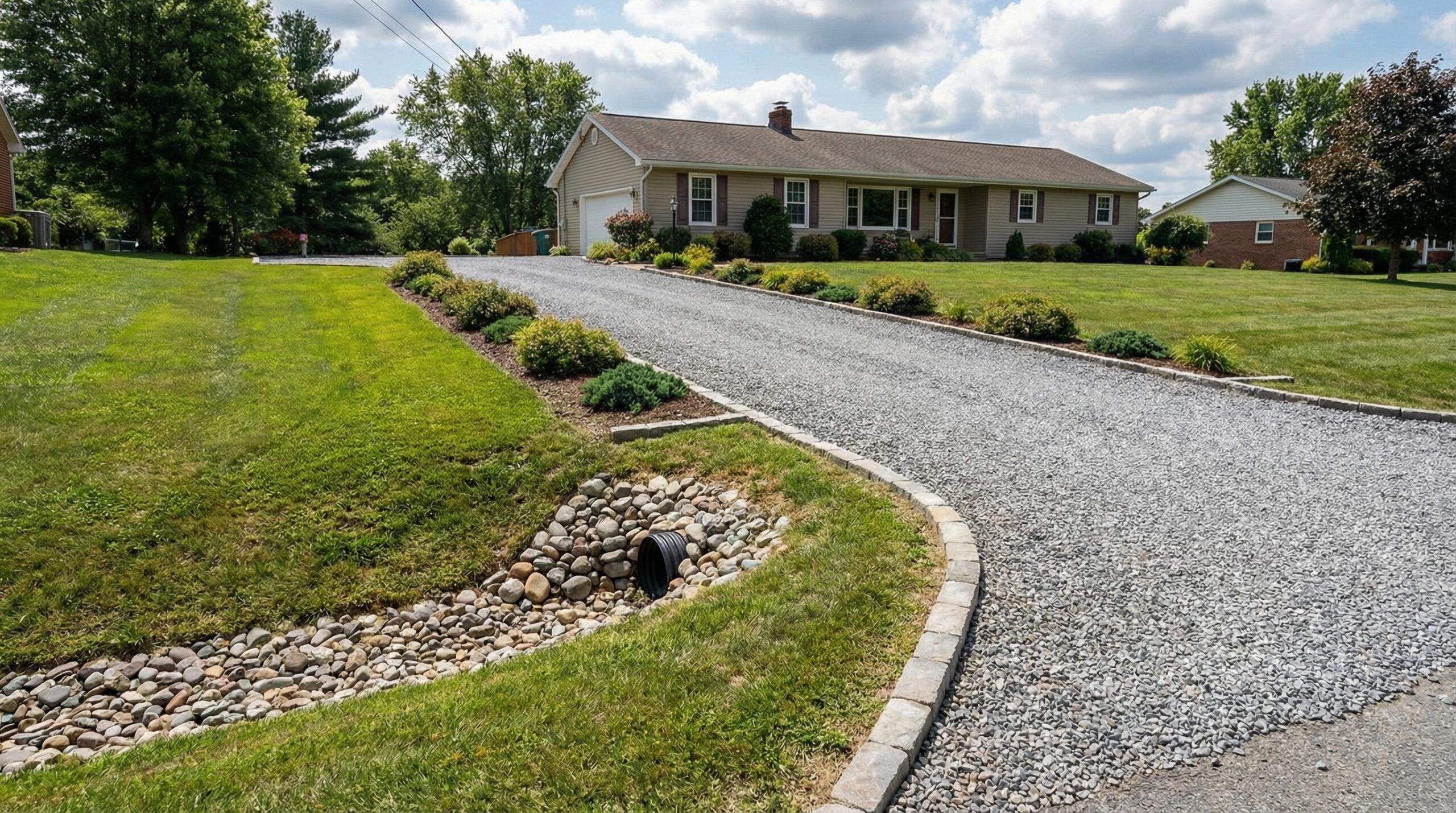
Address minor issues immediately to prevent major problems. Add fresh gravel to low spots and recompact the area. Remove any vegetation growing through the surface, as plant roots can destabilize the fill material over time. Rake the surface periodically to maintain proper drainage and appearance.
Seasonal maintenance varies by climate but generally includes spring inspection after freeze-thaw cycles and fall preparation before winter weather. In areas with heavy rainfall, check drainage paths to ensure water flows properly away from structures. Snow removal should be done carefully to avoid disturbing the gravel surface.
Maintenance Schedule: Inspect monthly, rake quarterly, and add fresh material annually for optimal performance and longevity.
Proper maintenance extends your gravel fill’s lifespan significantly while maintaining its load-bearing capacity and drainage properties. Most well-maintained gravel fill installations last 15-20 years before requiring major renovation, making it an excellent long-term investment for your construction project.
Gravel fill remains one of construction’s most reliable and cost-effective foundation materials. By understanding the different types of gravel for construction, following proper installation procedures, and maintaining your installation correctly, you’ll create a stable foundation that protects your investment for decades to come. Whether you’re building a simple driveway or a complex commercial foundation, gravel fill provides the stability and drainage your project needs to succeed. For those looking to source materials, consider exploring bulk aggregate options to ensure you get the best value for your construction needs.
FAQ
What is gravel fill and what is it used for in construction?
What are the main benefits of using gravel fill in construction projects?
How should gravel fill be properly installed for lasting results?
What maintenance is required to keep gravel fill performing optimally?
Author: