Stone Load Prices 2026 Complete Cost Guide and Pricing Factors
Get an estimate for your project in 60 seconds
 Your information is secure

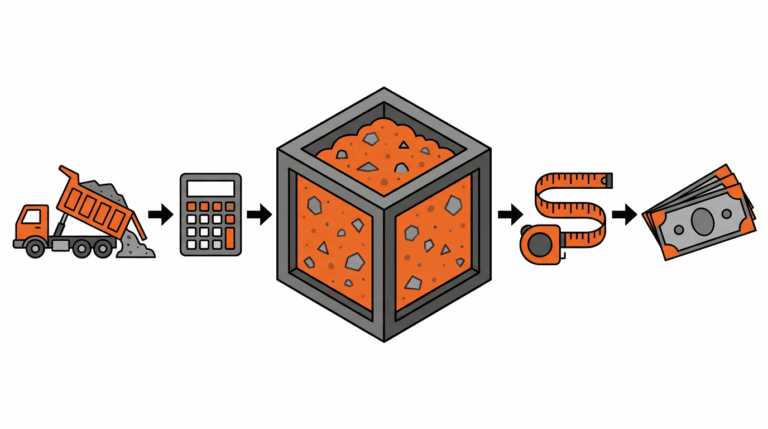
Planning a construction or landscaping project and wondering about stone load costs? You’re looking at prices ranging from $30 to $150 per ton in 2026, depending on the stone type and quality. A standard truck load of 20-25 tons typically costs between $600 to $3,750, with crushed stone averaging $30-55 per ton and premium materials like granite reaching $120-150 per ton.
Quick Answer: Most homeowners pay $1,200-$2,400 for a full load of crushed stone or gravel, including delivery within 50 miles of the quarry.
Whether you’re building a driveway, creating drainage systems, or working on foundation projects, understanding stone load pricing helps you budget accurately and avoid costly surprises. This guide walks you through current 2026 pricing, key factors that drive costs, and practical strategies to get the best value for your stone purchase.
Average stone load costs by type
Different stone materials serve various purposes and come with distinct price points based on their availability and processing requirements. At Hello Gravel, we’ve streamlined the aggregate purchasing process to help DIY homeowners, landscapers, contractors, and municipalities nationwide access competitive pricing on all types of stone materials.
Crushed stone remains the most economical option at $30-55 per ton, making it ideal for driveways and base materials. Pea gravel costs slightly more at $35-65 per ton but offers better drainage and aesthetic appeal for landscaping projects. For more detailed information on pea gravel pricing, check out our guide on the cost per ton of gravel. River rock commands premium prices of $50-85 per ton due to its natural beauty and smooth finish.
| Stone Type | Price Per Ton | Full Load (20 tons) | Best Uses |
|---|---|---|---|
| Crushed Stone | $30-$55 | $600-$1,100 | Driveways, foundations |
| Pea Gravel | $35-$65 | $700-$1,300 | Drainage, walkways |
| River Rock | $50-$85 | $1,000-$1,700 | Landscaping, decorative |
| Granite | $120-$150 | $2,400-$3,000 | Premium projects |

Specialty stones like flagstone and decorative granite can reach $200-400 per ton, but most residential projects require smaller quantities of these premium materials. If you’re considering decorative options, explore the cost of decorative gravel to understand your options. The key is matching your stone choice to both your budget and project requirements.
Key factors driving stone prices
Several interconnected elements determine what you’ll ultimately pay for your stone load. Understanding these factors helps you anticipate costs and find opportunities to save money on your project.
Stone quality significantly impacts pricing, with higher-grade materials commanding premium prices due to better durability and appearance. Premium stones undergo more rigorous selection and processing, which increases costs but often provides better long-term value for high-visibility projects.
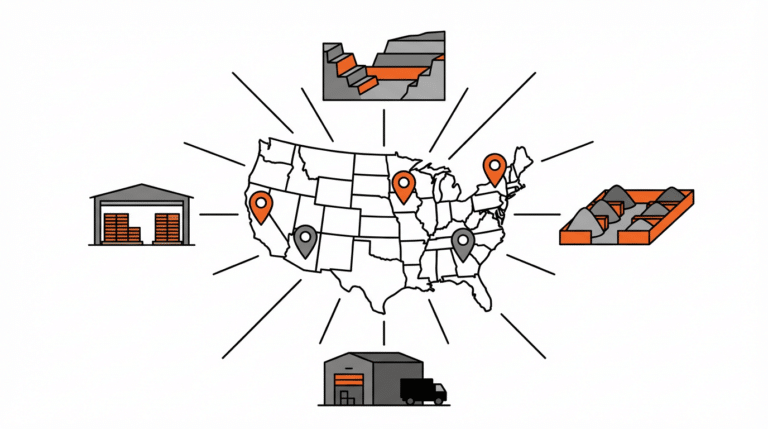
Transportation distance often represents the largest variable cost in stone pricing. Through our nationwide network of local pits and haulers, Hello Gravel can source and deliver materials nearby wherever your job is located, helping minimize transportation costs. Stones sourced within 50 miles of your project typically cost 30-40% less than those shipped from distant quarries. Most suppliers charge $10-15 per mile beyond their standard delivery radius.
Money-Saving Tip: Purchase stone during off-peak seasons (late fall through early spring) to take advantage of lower demand pricing and save 15-20% on your total costs.
Market demand fluctuates based on construction activity in your region. During peak building seasons from April through September, prices increase as contractors compete for available materials. Conversely, ordering during slower winter periods can yield significant savings. For contractors looking to optimize their material sourcing, our material sourcing secrets for busy contractors guide offers valuable insights.
Location and delivery impact on pricing
Your geographic location plays a crucial role in determining final stone costs. Areas near active quarries enjoy lower base prices, while regions far from stone sources see substantial transportation premiums added to their orders.
Local market conditions also influence pricing through competition among suppliers and regional construction activity levels. Urban areas with multiple suppliers often have more competitive pricing, while rural locations may have limited options and higher costs. Learn more about how to find the best deals on aggregates for large projects to maximize your savings.
Delivery fees typically range from $50-200 depending on distance and load size. Hello Gravel works with local haulers across all 50 states to provide delivery in as little as 2 business days, with flexible morning (7 am – 12 pm) or afternoon (12 pm – 5 pm) delivery windows. Some suppliers offer free delivery for orders over certain thresholds, usually 10-15 tons. Weekend or rush deliveries often carry additional surcharges of $25-75. For a comprehensive understanding of delivery costs, read our guide on the ultimate guide to bulk gravel delivery.

Consider consolidating orders with neighbors or timing purchases strategically to maximize delivery efficiency and reduce per-ton costs. Many suppliers provide better rates for larger orders that justify dedicated truck trips.
Smart strategies for getting the best stone prices
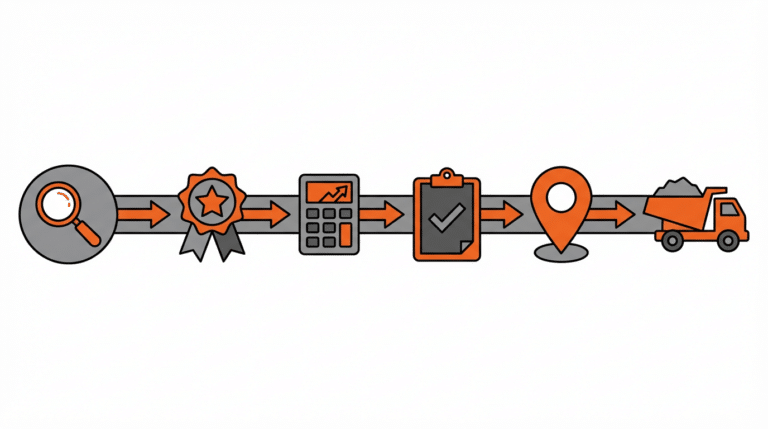
Successful stone buyers save 20-30% by understanding pricing dynamics and negotiating effectively with suppliers. Start by obtaining quotes from multiple suppliers and carefully comparing not just prices but also delivery terms and stone quality specifications.
Timing your purchase strategically can yield significant savings. Order during off-peak seasons when demand decreases, and consider flexible delivery schedules that allow suppliers to optimize their routes. Bulk purchasing often provides the best value, with meaningful discounts starting at 10-15 ton orders. Hello Gravel specializes in transactions of 500 tons or more but accommodates smaller transactions as well, providing dedicated account management for quotes, scheduling, and repeat orders. Discover the benefits of purchasing gravel by bulk to understand how bulk orders can reduce your overall costs.
When comparing quotes, factor in all costs including delivery, fuel surcharges, and any additional fees. Don’t just focus on the per-ton price; evaluate the total project cost and long-term value based on stone quality and durability. Our article on comparing aggregates: price vs. performance can help you make informed decisions.
Pro Tip: Ask suppliers about their cancellation policies and weather delays. Flexible terms can save you money if project timelines change or weather impacts delivery schedules.
Building relationships with local suppliers can lead to better pricing on future projects and priority scheduling during busy periods. Many suppliers offer contractor discounts or loyalty programs for repeat customers. For those looking to streamline their purchasing process, consider exploring how to order gravel online for convenient and hassle-free delivery options. Hello Gravel’s online platform eliminates the need for endless quote chains or phone tag, allowing you to order in minutes with transparent pricing and secure checkout.
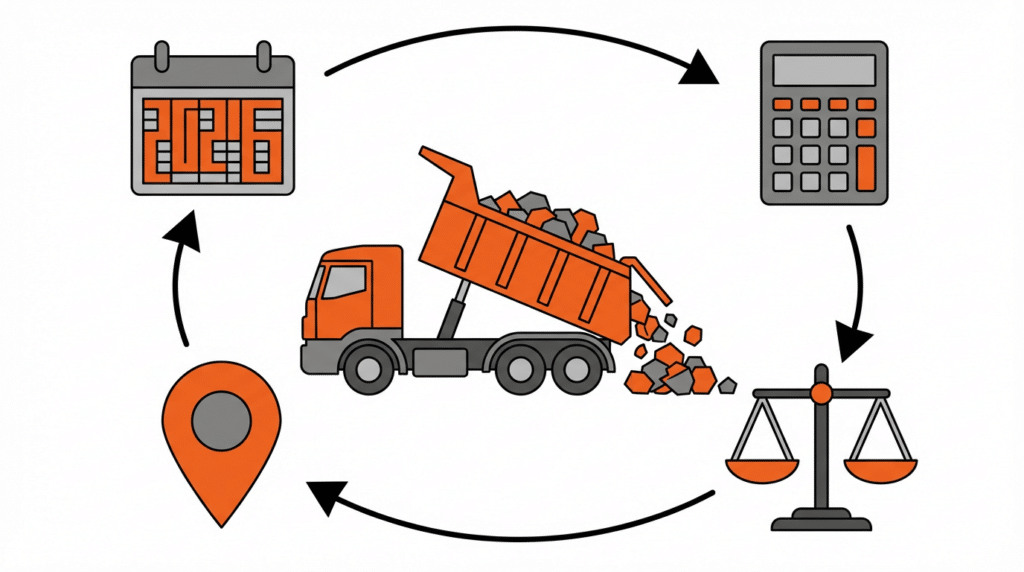
Understanding stone load pricing in 2026 requires considering multiple factors from material type to delivery logistics. By researching local suppliers, timing purchases strategically, and negotiating based on your project needs, you can secure quality stone materials while staying within budget. Remember that the lowest price isn’t always the best value when you factor in quality, reliability, and long-term performance for your specific application.