Sand vs Gravel for Parking Areas: Can You Use Sand for a Parking Lot Base

Published on: December 12, 2025

Get an estimate for your project in 60 seconds

This field is hidden when viewing the form
Security lock iconYour information is secure


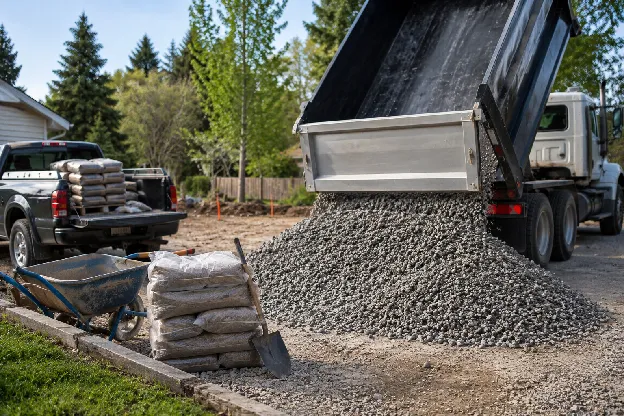
Parking area with gravel base and cars parked

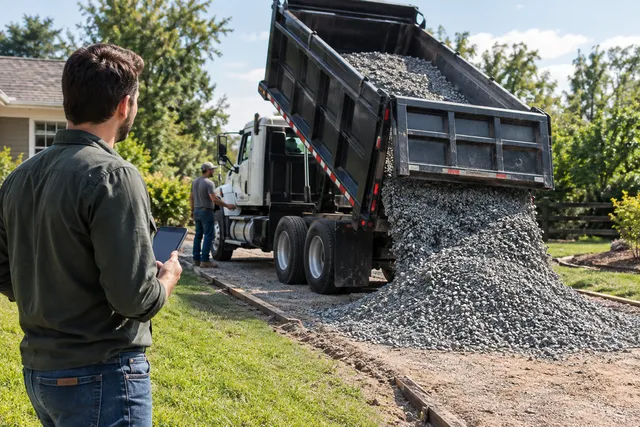
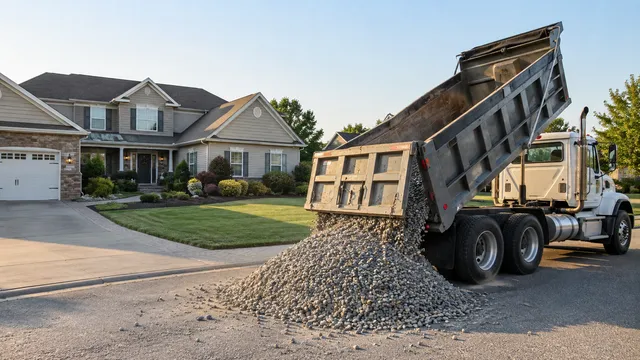
You can use sand in parking area projects, but not as the primary load-bearing base. For most parking lots, a compacted gravel base with a thin sand bedding layer provides the most stable approach. While sand works well for leveling and as a bedding material under pavers, using sand alone under vehicle loads leads to rutting, poor traction, and frequent maintenance issues.

The key difference lies in load-bearing capacity. Gravel provides superior structural support and drainage, while sand excels at fine-grade leveling and filling gaps. Understanding when and how to use each material will help you build a parking area that lasts for years without constant repairs.

Quick Fact: A properly constructed parking area typically uses 4-6 inches of compacted gravel base topped with just 1 inch of sand for bedding, not sand as the primary foundation.

When sand works and when it doesn’t for parking areas

Sand serves specific purposes in parking area construction, but it’s rarely the right choice as a standalone base material. You’ll find sand most useful as a bedding layer under pavers or for minor leveling adjustments over a solid gravel foundation.

Sand works well for light-duty applications like occasional parking for passenger cars, temporary event parking, or as a thin leveling layer. It’s also excellent for filling joints between pavers and creating a smooth surface for interlocking systems.

However, sand alone fails under regular vehicle traffic because it lacks structural integrity. Cars and trucks create point loads that cause sand to shift and settle, forming ruts and uneven surfaces. The fine particles don’t interlock like gravel, so they move easily under pressure.

Comparison of rutted sand surface versus stable gravel parking

You’ll also struggle with traction on sand surfaces, especially when wet. Vehicles can spin their wheels or get stuck, creating safety concerns and access problems. In areas with heavy rainfall or freeze-thaw cycles, sand-only surfaces require constant maintenance and replenishment.

Sand versus gravel: The key differences that matter

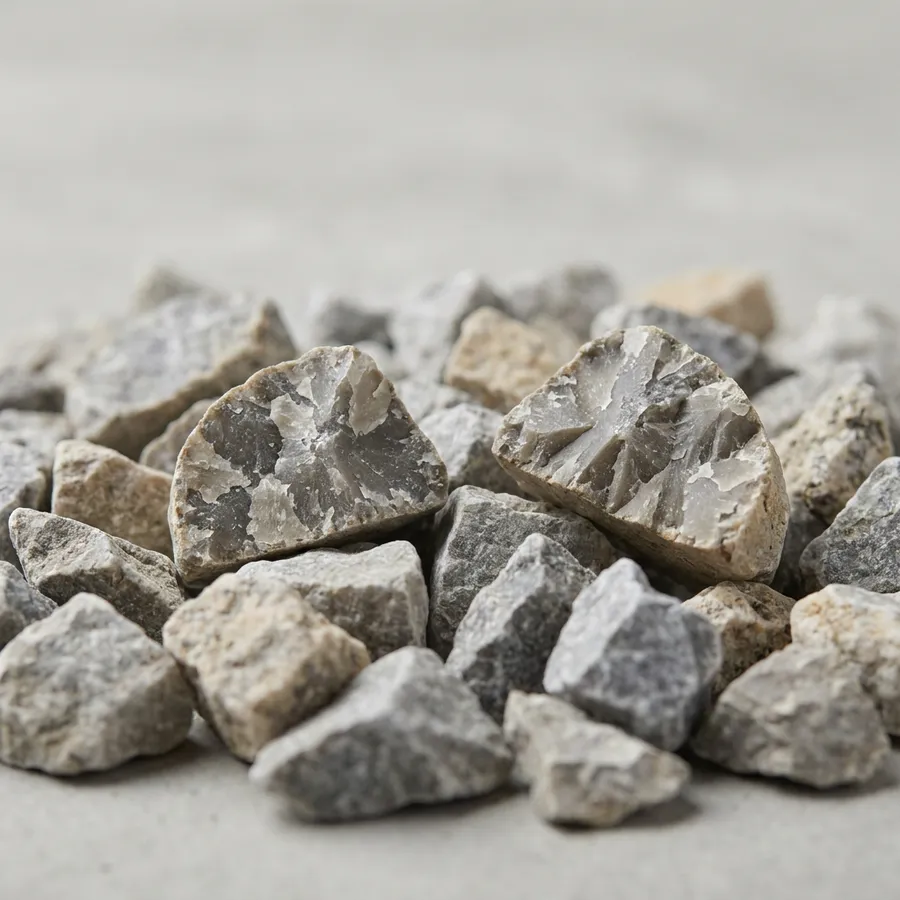
The fundamental differences between sand and gravel directly impact their performance in parking applications. Gravel consists of larger, angular particles that interlock when compacted, creating a stable matrix that distributes vehicle loads effectively.

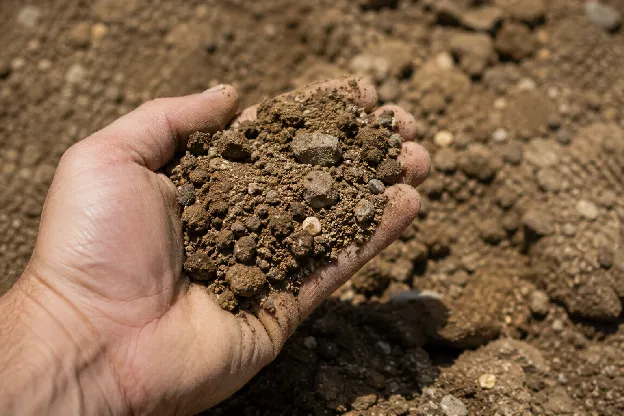
Sand particles are much smaller and rounder, which means they don’t interlock as well. This creates a surface that shifts under load and provides less structural support. While sand drains well, it also erodes more easily during heavy rains.

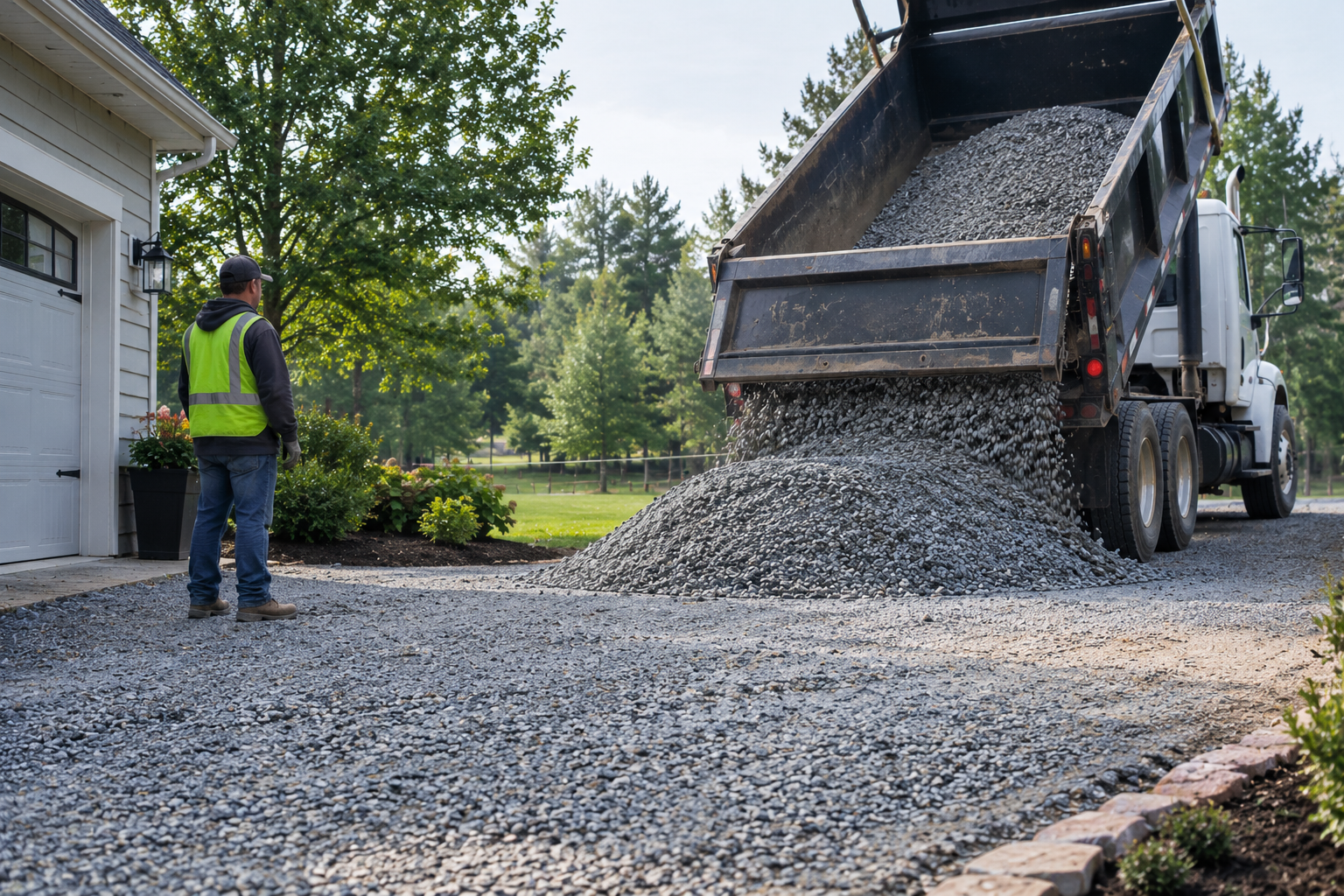
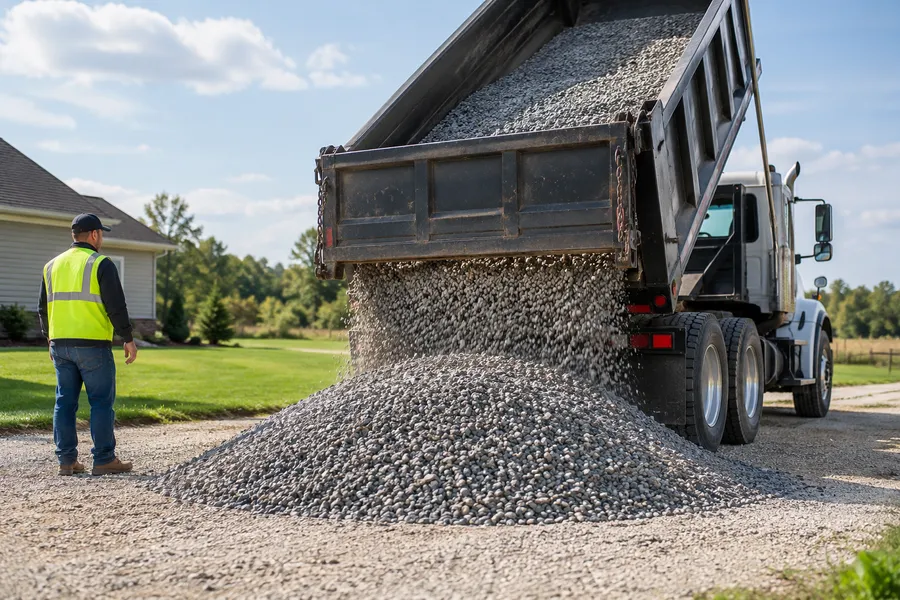
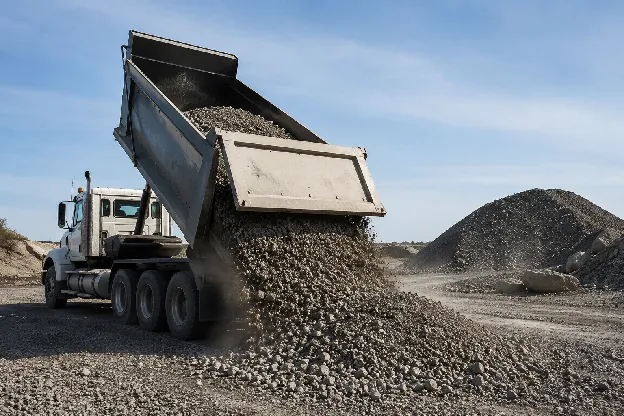
Crushed stone for parking areas offers superior load-bearing capacity because the larger stones create a framework that resists compression. When properly compacted, gravel bases can support heavy vehicles without significant settlement or rutting.

The drainage characteristics also differ significantly. Gravel allows water to flow through quickly while maintaining structural integrity. Sand drains well initially but can become unstable when saturated, leading to soft spots and uneven settling.

Key Insight: Gravel particles interlock to create structural strength, while sand particles simply fill space without providing significant load-bearing support.

Building the right base structure for lasting results

A durable parking area requires a layered approach that takes advantage of both materials’ strengths. Start with proper subgrade preparation, removing organic material and compacting the native soil to create a stable foundation.

The base layer should consist of 4-8 inches of compacted gravel, depending on your soil conditions and expected traffic loads. Use crushed stone or road base material rather than round river rock, as the angular edges provide better interlocking and stability.

For light-duty parking with passenger cars only, 4 inches of compacted gravel usually suffices. Heavy-duty areas expecting delivery trucks or frequent traffic need 6-8 inches of base material. Poor soil conditions may require even deeper bases or geotextile fabric for additional support.

Cross section diagram showing parking area layers with subgrade, gravel, and sand

If you’re installing pavers or need a perfectly level surface, add a 1-inch layer of coarse sand over the compacted gravel base. This sand bedding layer allows for fine adjustments and provides a smooth foundation for surface materials.

The key is proper compaction at each stage. Compact the gravel base in 2-3 inch lifts using a plate compactor or roller, then add and level the sand bedding layer without over-compacting it.

Choosing the right materials for your specific needs

Not all sand and gravel work equally well for parking applications. For sand, choose coarse concrete sand or bedding sand rather than fine masonry sand. The larger particles in concrete sand provide better stability and drainage while still allowing for easy leveling.

Avoid using play sand or very fine sand, as these materials lack the stability needed even for bedding applications. The particles are too small and round to provide adequate support or drainage.

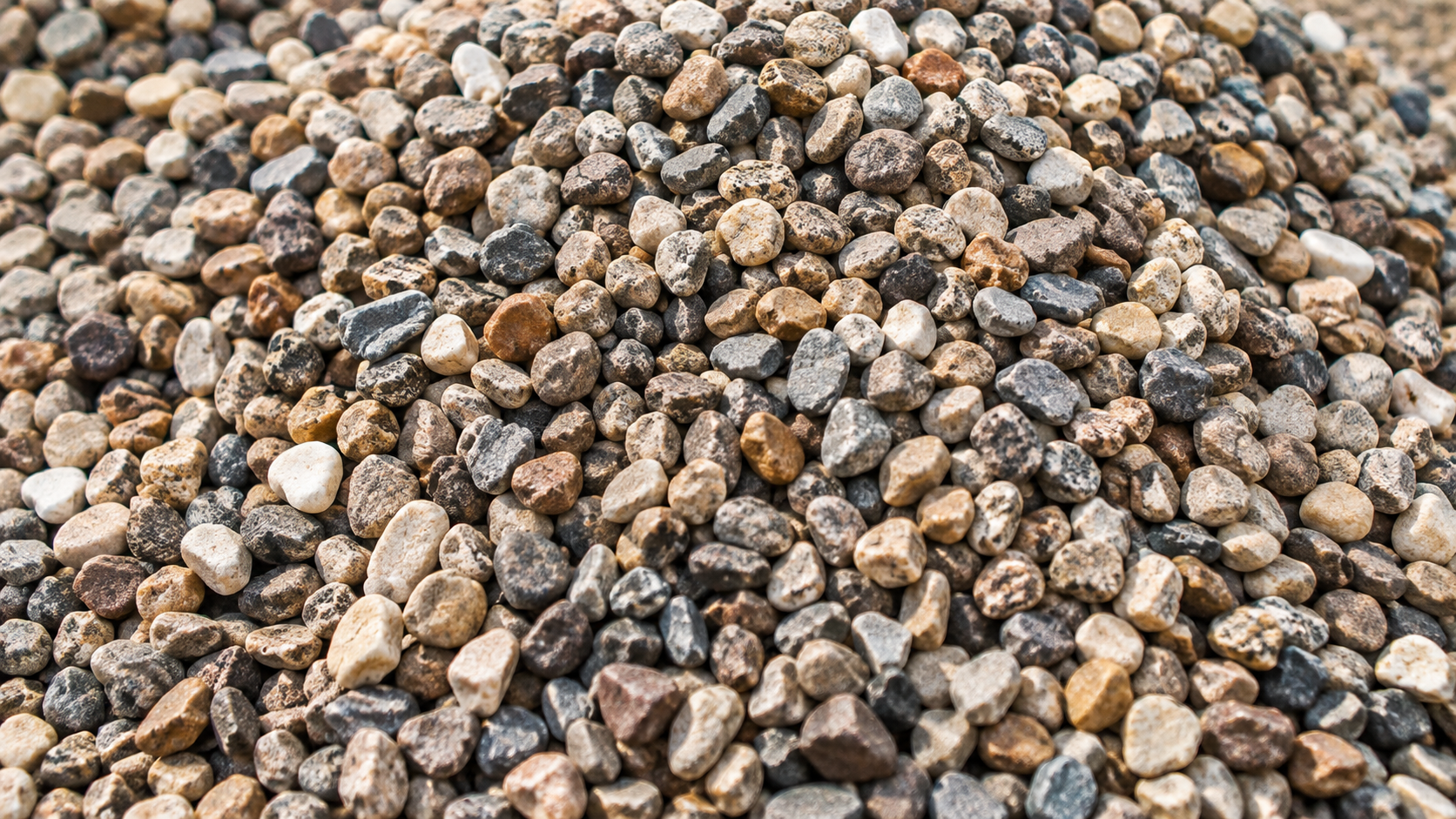
For gravel, crushed stone or road base materials work best. Look for 3/4-inch minus crushed stone, which contains a mix of larger stones and fine particles that compact together tightly. This gradation creates excellent stability while maintaining good drainage.

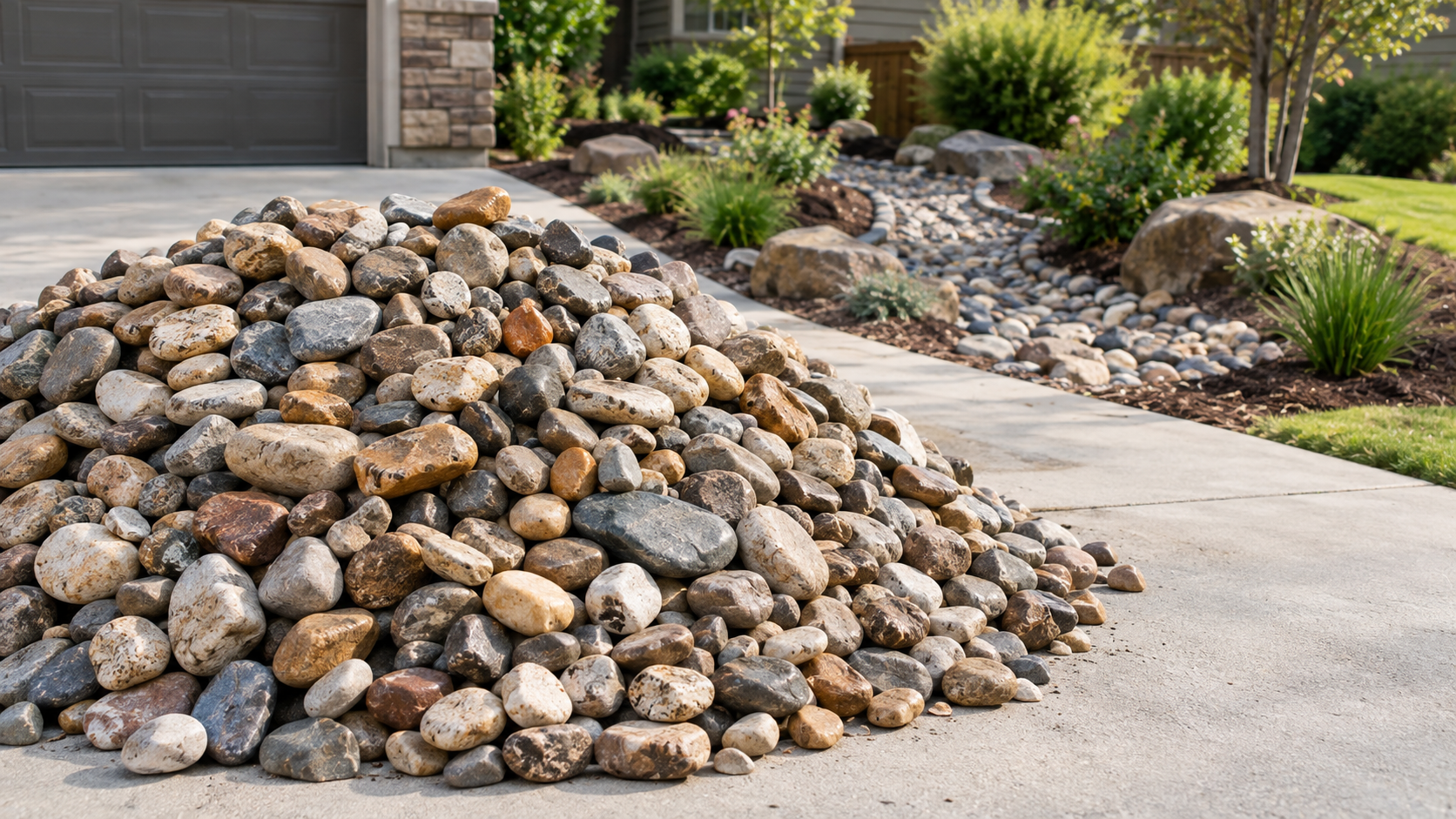
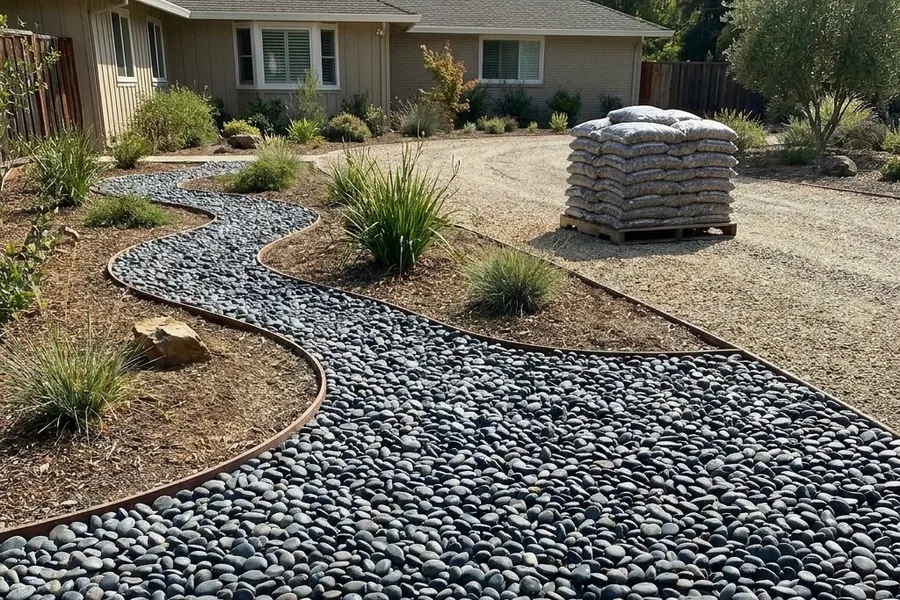
Avoid using pea gravel for parking areas or other rounded stones as your base material. While these look attractive, they don’t compact well and tend to shift under load, similar to sand.

Pro Tip: Road base gravel contains the ideal mix of particle sizes for maximum compaction and stability, making it the preferred choice for most parking area bases.

Consider your local climate when selecting materials. In areas with frequent freeze-thaw cycles, ensure your base extends below the frost line and provides excellent drainage to prevent frost heaving.

When you’re ready to source materials for your parking area project, working with an experienced aggregate supplier ensures you get the right products for your specific application. Quality suppliers can recommend appropriate materials based on your soil conditions, traffic expectations, and local climate factors. If you’re exploring alternative materials, you might also consider bluestone for parking areas or brick chips for parking projects, though these typically serve different purposes than standard base materials.

A well-designed parking area using the right combination of gravel base and sand bedding will provide years of reliable service with minimal maintenance. The initial investment in proper materials and construction pays off through reduced long-term costs and better performance under all weather conditions.

FAQ

Can sand be used alone as a parking lot base?

Sand alone is not recommended as the primary base for parking areas. While it can be physically used, sand lacks sufficient load-bearing capacity and tends to shift, rut, and erode under vehicle traffic. A compacted gravel base provides much better stability, drainage, and long-term performance for parking applications.

What is the best base material for a parking area?

Compacted crushed stone or gravel (such as 3/4-inch minus road base) is the preferred base material for most parking areas. This provides excellent load-bearing capacity, stability, and drainage. A typical installation uses 4-8 inches of compacted gravel base, with an optional 1-inch sand bedding layer if installing pavers.

When can sand be appropriately used in parking area construction?

Sand works best as a thin bedding or leveling layer over a compacted gravel base, particularly under pavers or for fine-grade adjustments. It’s also suitable for temporary, light-duty parking areas with occasional car traffic, or as joint filler between pavers. However, even in these applications, a gravel foundation underneath significantly improves performance.

What problems occur when using sand as the main parking surface?

Sand-only parking surfaces develop several issues including rutting and sinking under vehicle weight, poor traction especially when wet, erosion and washouts during heavy rain, and frequent maintenance needs for regrading and replenishment. These problems worsen in areas with freeze-thaw cycles or heavy traffic.

Author: igor