River Pebbles Cost 2026 Complete Pricing Guide and Budget Tips

Get an estimate for your project in 60 seconds
 Your information is secure

Planning a landscaping project with river pebbles? You’re looking at costs between $40 to $300 per ton depending on size, quality, and location. These naturally smooth stones offer unmatched beauty for pathways, water features, and garden accents, but understanding the pricing structure helps you budget effectively and avoid costly surprises.
Quick Answer: Small river pebbles (1-2 inches) cost $40-80 per ton, medium sizes (3-5 inches) range $80-150 per ton, while large decorative stones (6+ inches) can reach $200-300 per ton. Premium varieties like Mexican beach pebbles command higher prices up to $500 per ton.
Whether you’re creating a zen garden, building a decorative pathway, or designing a water feature, this guide walks you through everything you need to know about river pebble costs in 2026.
Understanding river pebbles and their value
River pebbles are naturally formed stones that have been smoothed and shaped by flowing water over thousands of years. This natural polishing process creates their distinctive smooth texture and rounded edges that make them so appealing for landscaping projects.
The formation process begins when rocks break down through erosion. River currents carry these fragments downstream, constantly tumbling and grinding them against each other. This continuous abrasion removes sharp edges and creates the smooth, tactile surface that defines quality river pebbles.
What makes river pebbles particularly valuable is their durability and weather resistance. Unlike manufactured alternatives, these natural stones maintain their appearance and integrity through freeze-thaw cycles, heavy rain, and UV exposure. This longevity makes them a smart investment for outdoor projects.

Current market pricing breakdown for 2026
River pebble pricing varies significantly based on size, with smaller stones generally costing less per ton than larger decorative pieces. Here’s what you can expect to pay in 2026:
| Size Range | Price Per Ton | Best Uses |
|---|---|---|
| 1-2 inches | $40-80 | Pathways, drainage |
| 3-5 inches | $80-150 | Garden borders, accents |
| 6+ inches | $200-300 | Focal points, water features |
Regional varieties also affect pricing. Arizona river rock with warm desert tones costs $120-220 per ton, while Colorado river rock featuring cooler grays runs $90-180 per ton. Tennessee river rock, known for classic rounded shapes, typically ranges $80-160 per ton.
Money-Saving Tip: Purchase during off-season months (late fall through early spring) when demand drops and suppliers offer better pricing to move inventory.
Specialty stones command premium prices. Mexican beach pebbles, prized for their uniform shape and color, can cost $300-500 per ton. Black river rock and multicolored varieties also carry higher price tags due to their visual appeal and limited availability. For a comprehensive comparison with other materials, check out our guide on how much a ton of pebbles costs.
Key factors that drive river pebble costs
Size and weight represent the biggest cost drivers for river pebbles. Larger stones require more specialized equipment for extraction and handling, increasing labor costs. They also weigh more per cubic yard, affecting transportation expenses.
Quality grading significantly impacts pricing. Premium-grade pebbles undergo additional washing and sorting to ensure consistent sizing and color. This extra processing removes dust and debris, creating cleaner stones that perform better in visible applications but cost 20-30% more than standard grades.
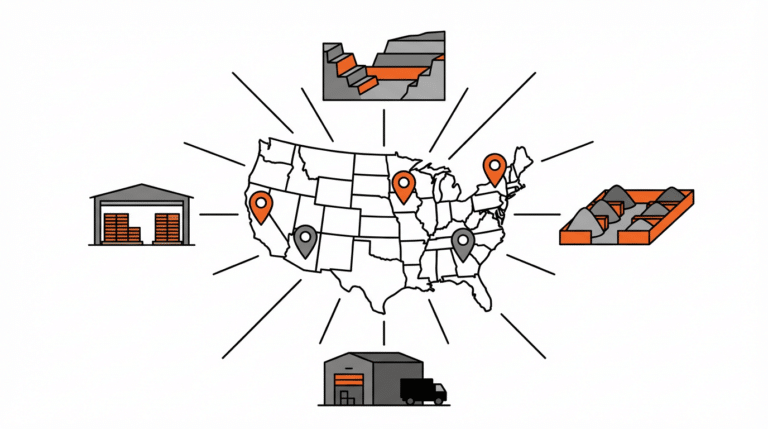
Your location relative to quarries directly affects final costs. Areas near major river rock sources typically see lower base prices, while remote locations face substantial delivery surcharges. With Hello Gravel’s nationwide network, we work with local pits and haulers across all 50 states to minimize transportation costs and deliver on time, every time. Understanding the current price of river stones in your area can help you plan accordingly.
Transportation method also matters. Bulk delivery by dump truck offers the best value for large projects, while smaller quantities delivered in bags or supersacks cost significantly more per ton but provide convenience for smaller applications.
Smart strategies for buying river pebbles
Buying in bulk provides the most significant cost savings. Most suppliers offer price breaks starting at 5 tons, with better rates at 10 tons and 20+ tons. Hello Gravel specializes in transactions of 500 tons or more but accommodates smaller orders as well, helping DIY homeowners, landscapers, contractors, and municipalities access competitive bulk pricing. If your project requires less material, consider coordinating with neighbors or splitting larger orders to access bulk pricing. Learn more about the benefits of purchasing gravel by the ton to maximize your savings.
Timing your purchase strategically can save substantial money. Spring and summer see peak demand for landscaping materials, driving prices higher. Fall and winter purchases often come with 15-25% discounts as suppliers clear inventory before new seasons.
Compare wholesale versus retail options carefully. Wholesale suppliers typically require minimum orders but offer 30-40% savings over retail prices. For projects requiring 3+ tons, wholesale purchasing usually makes financial sense even with minimum order requirements. Consider exploring how to find the best deals on aggregates for large projects to optimize your purchasing strategy.
Pro Tip: Always request samples before large purchases. Color and texture can vary significantly between suppliers, and seeing actual stones helps ensure they match your project vision.

Consider local sourcing when possible. Regional quarries often provide competitive pricing while supporting local businesses. They also offer shorter delivery distances, reducing transportation costs and environmental impact. Hello Gravel’s marketplace serves as a free directory of up-to-date aggregate prices, helping you compare options and find the best value in your area. Our guide on finding the best gravel around you can help you locate quality suppliers in your area.
Calculating your project needs and budget
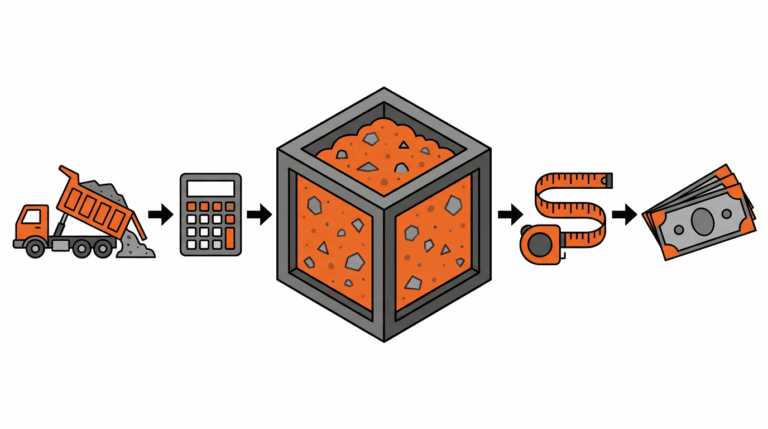
Accurate quantity estimation prevents costly over-ordering or project delays from under-ordering. Start by measuring your project area in square feet, then determine desired depth. For basic coverage, plan on 1.5 tons per 100 square feet at 2-inch depth. Hello Gravel’s online material calculator can help you determine exactly how many cubic yards or tons you need based on your project measurements.
Factor in 10-15% extra material for settling and future touch-ups. River pebbles naturally settle over time, especially in high-traffic areas, so having extra stones on hand prevents mismatched replacements later.
Don’t forget additional costs beyond material prices. Delivery fees typically range $50-200 depending on distance and quantity, though Hello Gravel offers delivery in as little as 2 business days nationwide. Installation costs, if hiring professionals, add $2-5 per square foot. Site preparation, including landscape fabric or base materials, can add another $1-3 per square foot. For comparison with other decorative options, review our comprehensive guide on decorative gravel prices and options.
Planning your river pebble project with realistic cost expectations ensures success without budget surprises. By understanding current market prices, key cost factors, and smart purchasing strategies, you can create beautiful landscaping features that provide lasting value. Remember to request quotes from multiple suppliers, compare quality grades carefully, and time your purchase for maximum savings. With proper planning, river pebbles offer an excellent investment in your property’s beauty and functionality.