Recycled Concrete Aggregate Driveway Guide 2026

Published on: January 24, 2026

Get an estimate for your project in 60 seconds

This field is hidden when viewing the form
Security lock iconYour information is secure


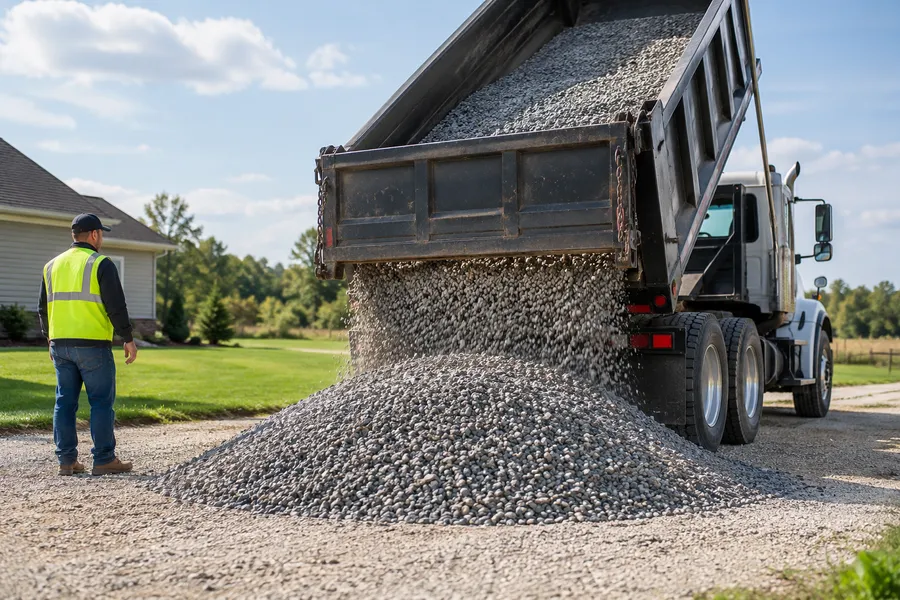
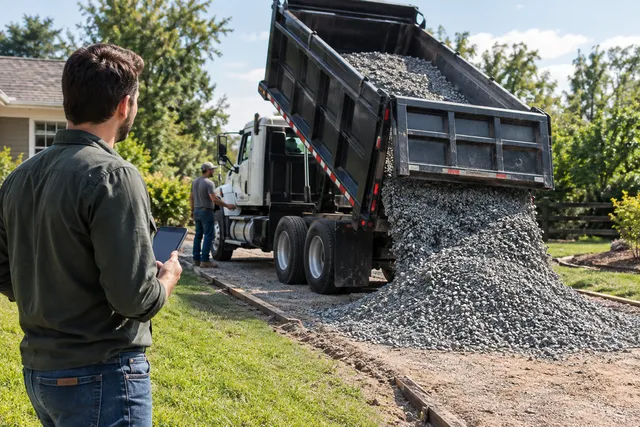
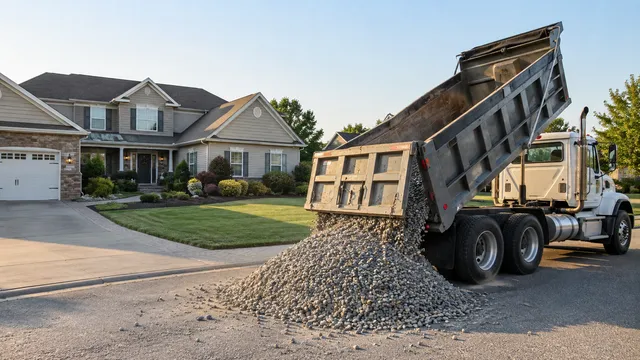
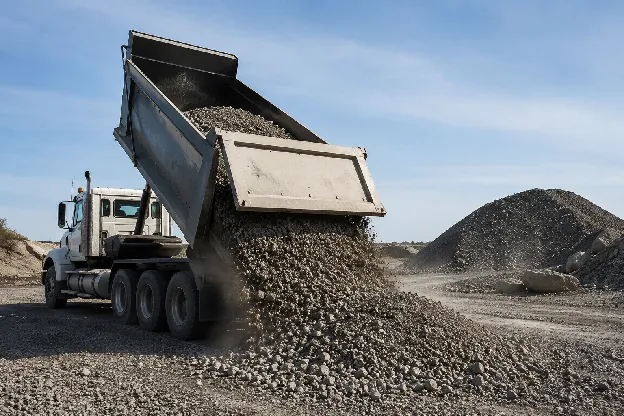
Crushed concrete driveway installation process

Recycled concrete aggregate (RCA) driveways offer an affordable, durable solution that costs 20-30% less than traditional materials while delivering comparable performance. This eco-friendly option transforms demolished concrete into a reliable driveway surface that handles daily traffic and harsh weather conditions with minimal maintenance requirements.

Key insight: Recycled concrete aggregate costs between $15-25 per ton compared to $20-35 for traditional road base, making it an economical choice for residential driveways.

Whether you’re building a new driveway or replacing an existing one, understanding the benefits and installation process of recycled concrete aggregate helps you make an informed decision that balances cost, performance, and environmental responsibility.

What is recycled concrete aggregate

Recycled concrete aggregate comes from demolished concrete structures like buildings, roads, and sidewalks that are crushed into specific sizes for construction use. The crushing process removes contaminants and creates angular particles that compact well together, forming a stable foundation.

The quality of recycled concrete aggregate depends on the original concrete source. High-quality demolished concrete produces superior aggregate with excellent binding properties. Most suppliers screen their material to ensure consistent sizing, typically ranging from fine dust to 2-inch pieces for driveway applications.

This material contains cement particles that continue to harden over time when exposed to moisture, creating a self-cementing effect that strengthens the driveway surface. Understanding how crushed concrete hardens is essential for proper installation planning. The angular shape of crushed pieces allows for better interlocking compared to rounded gravel, resulting in improved stability under vehicle loads.

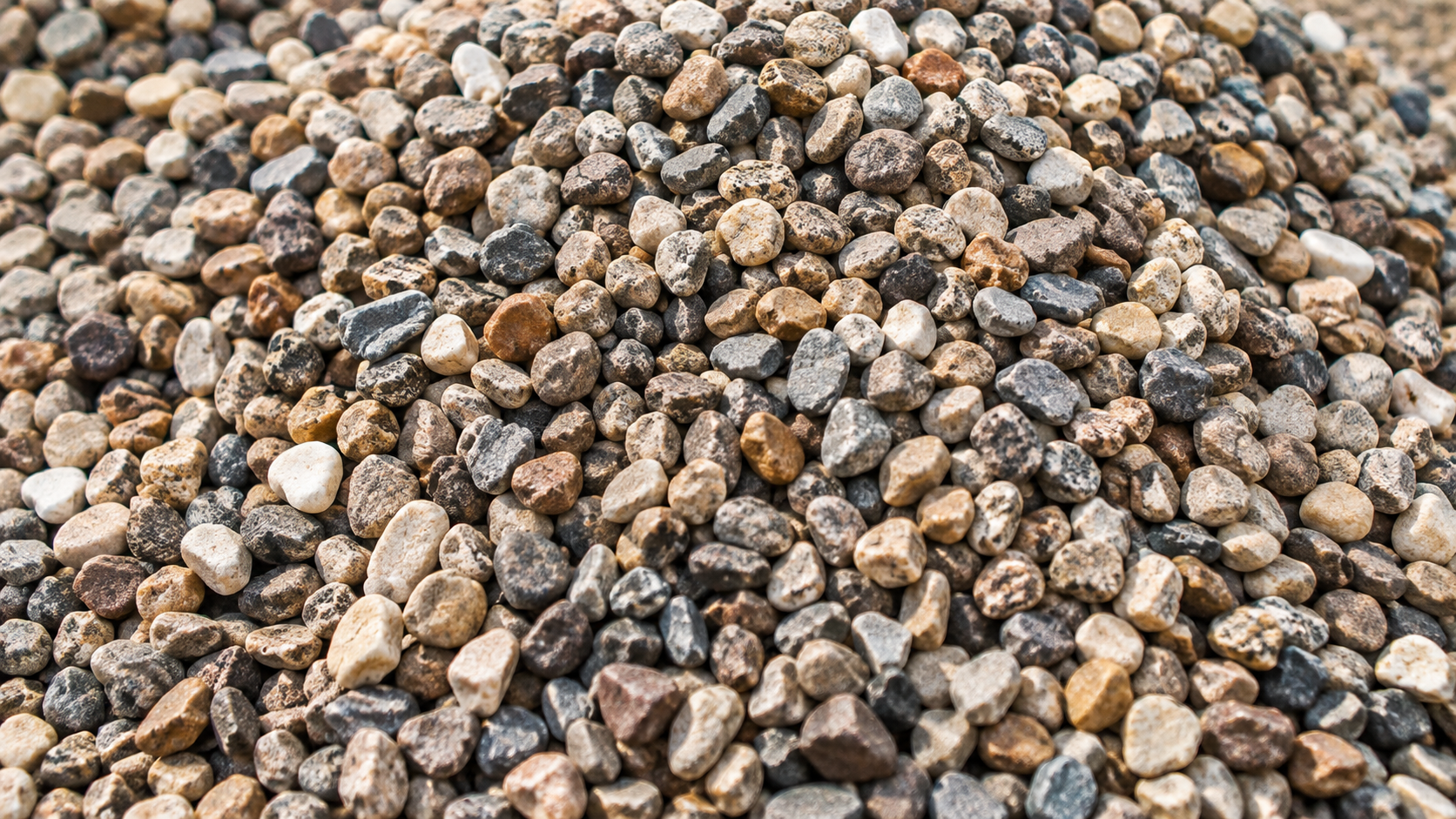
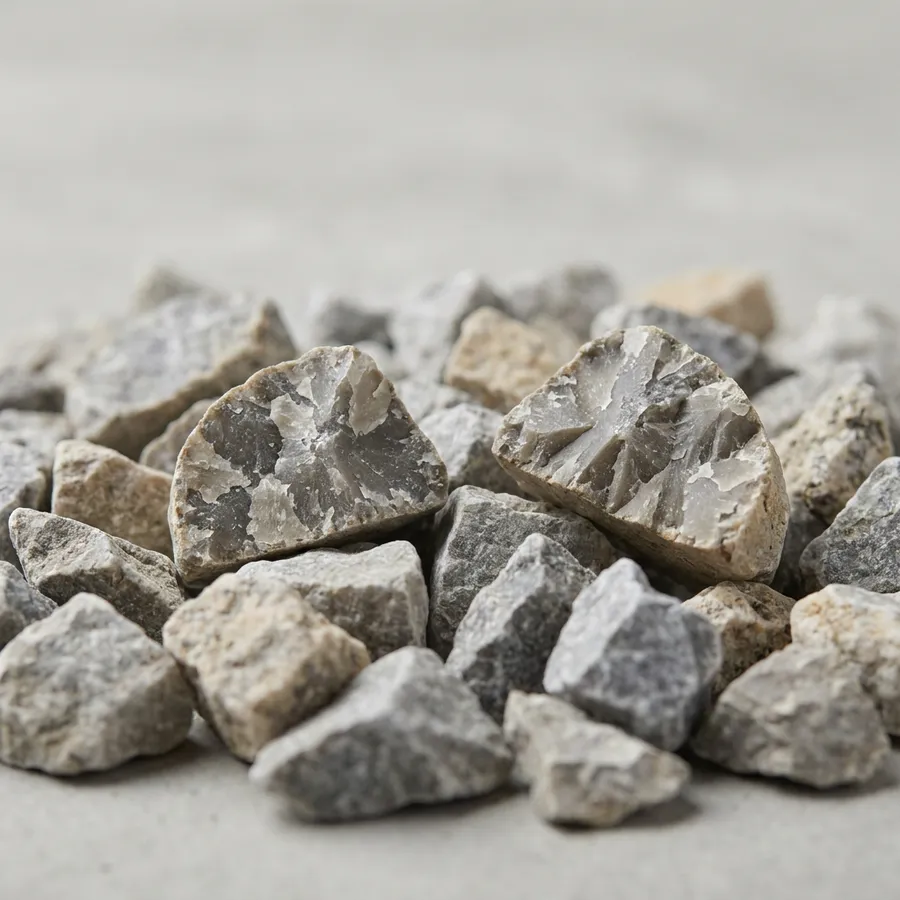
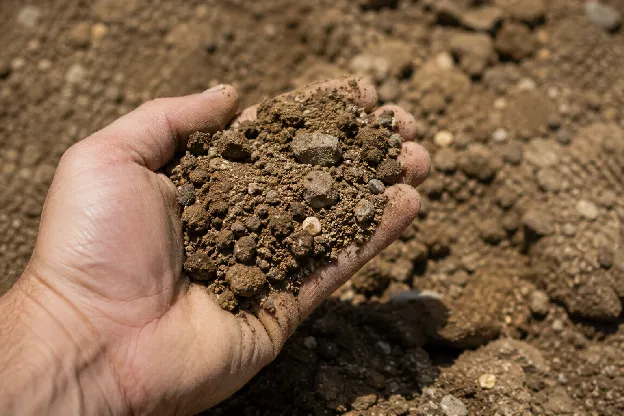
Recycled concrete aggregate material close-up

Benefits of using recycled concrete aggregate

Cost savings represent the primary advantage of choosing recycled concrete aggregate for your driveway. You’ll typically save 20-30% compared to virgin aggregate materials while achieving similar durability and performance characteristics. For a detailed comparison, check out crushed concrete vs gravel pricing to understand the full cost benefits.

Environmental benefits make this material particularly attractive for eco-conscious homeowners. Using recycled concrete aggregate diverts waste from landfills and reduces the demand for quarrying new materials. This choice helps conserve natural resources while giving demolished concrete a second life in your driveway project.

Drainage performance exceeds many traditional materials due to the angular particle shape and varied sizes that create natural water channels. Learn more about how well crushed concrete drains to ensure proper water management. This prevents standing water and reduces ice formation during winter months, improving both safety and longevity.

Environmental fact: Using recycled concrete aggregate prevents approximately 2,000 pounds of concrete waste per typical residential driveway from entering landfills.

The self-cementing properties of recycled concrete aggregate create a surface that actually strengthens over time. As moisture activates remaining cement particles, the material bonds together more tightly, reducing maintenance needs and extending the driveway’s lifespan.

Installation process for recycled concrete aggregate driveways

Site preparation forms the foundation of a successful recycled concrete aggregate driveway. Remove existing vegetation and debris, then excavate to the proper depth based on your expected traffic load. Residential driveways typically require 4-6 inches of compacted material, while areas expecting heavy vehicles need 6-8 inches.

Proper grading ensures water flows away from structures and prevents pooling. Create a slight crown in the center of the driveway with gentle slopes toward the edges. This drainage design protects both your driveway and surrounding property from water damage.

Material placement requires spreading recycled concrete aggregate in lifts no thicker than 4 inches before compacting. Use a plate compactor or roller to achieve proper density, working from the edges toward the center. For detailed guidance on how to compact crushed concrete, proper technique is crucial for long-term performance. Add water lightly during compaction to activate the cement particles and improve binding.

The final surface should be smooth and even with proper drainage slopes maintained. Allow the driveway to cure for 24-48 hours before light vehicle use, and avoid heavy traffic for at least one week to ensure proper setting of the material. Understanding the crushed concrete compaction factor helps ensure you order the right amount of material.

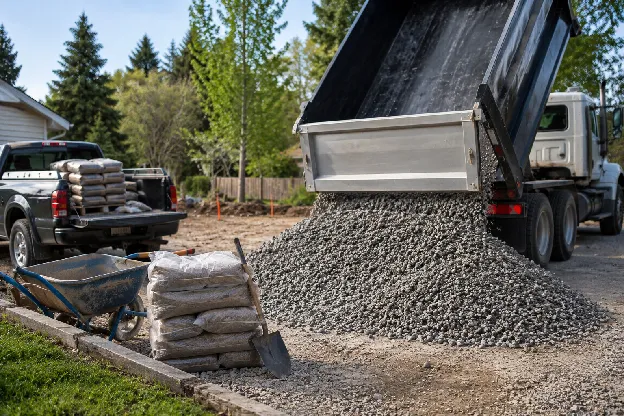
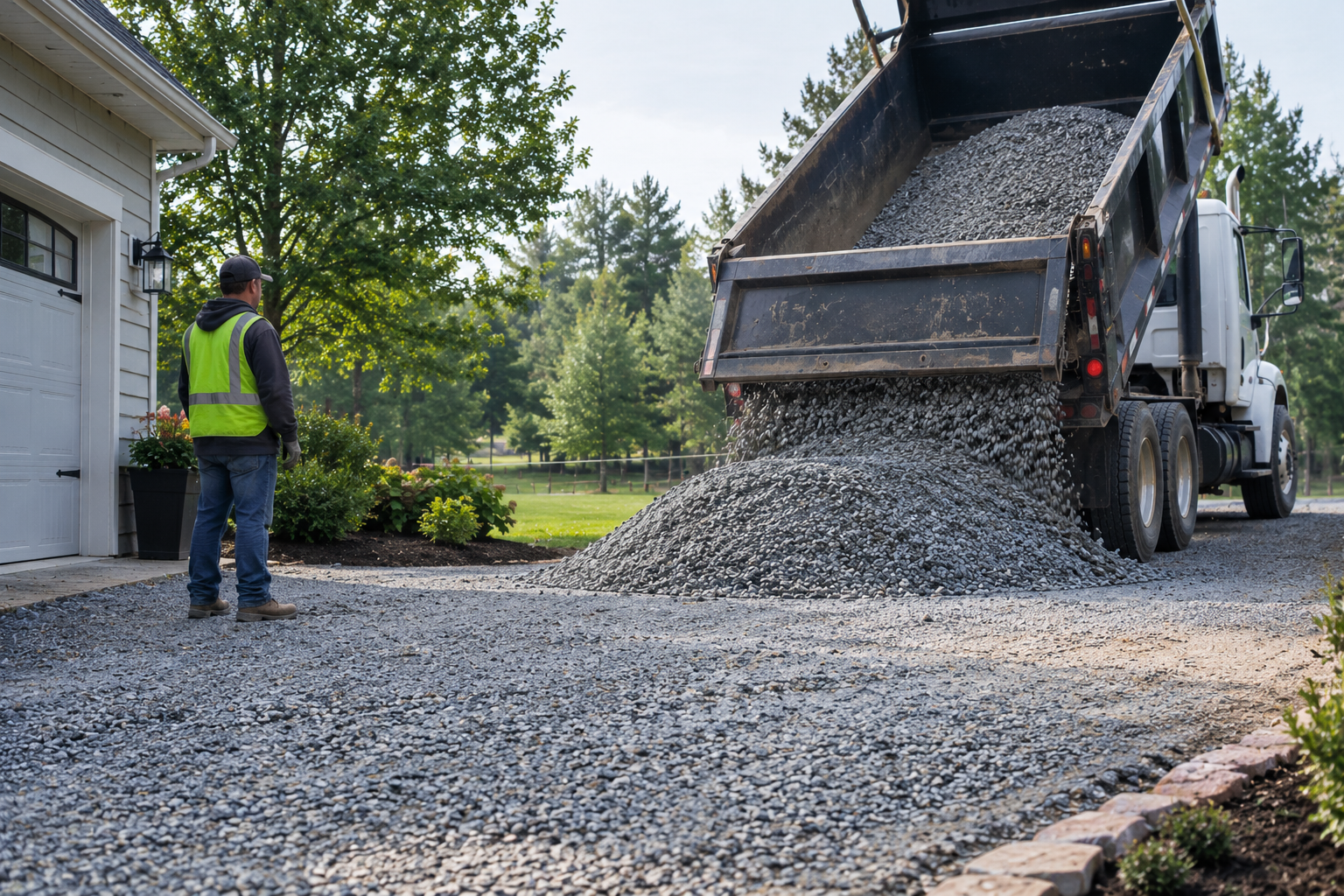
Driveway installation compaction equipment

Maintenance and longevity considerations

Regular inspection helps identify potential issues before they become major problems. Check for loose material, rutting, or drainage problems every few months, especially after heavy rains or freeze-thaw cycles. Address any issues promptly to prevent further deterioration.

Periodic re-grading may be necessary in high-traffic areas or after severe weather events. Add fresh recycled concrete aggregate as needed to maintain proper thickness and surface quality. This maintenance typically occurs every 3-5 years depending on usage and local climate conditions.

Maintenance Task Frequency Purpose
Visual inspection Monthly Identify early problems
Surface cleaning As needed Remove debris and stains
Re-grading 3-5 years Restore surface integrity
Material addition As needed Maintain proper thickness

Sealing options exist for recycled concrete aggregate driveways, though they’re not always necessary. A penetrating sealer can help bind loose particles and reduce dust generation while maintaining the material’s natural appearance. Consider sealing if dust becomes problematic or if you want enhanced surface stability.

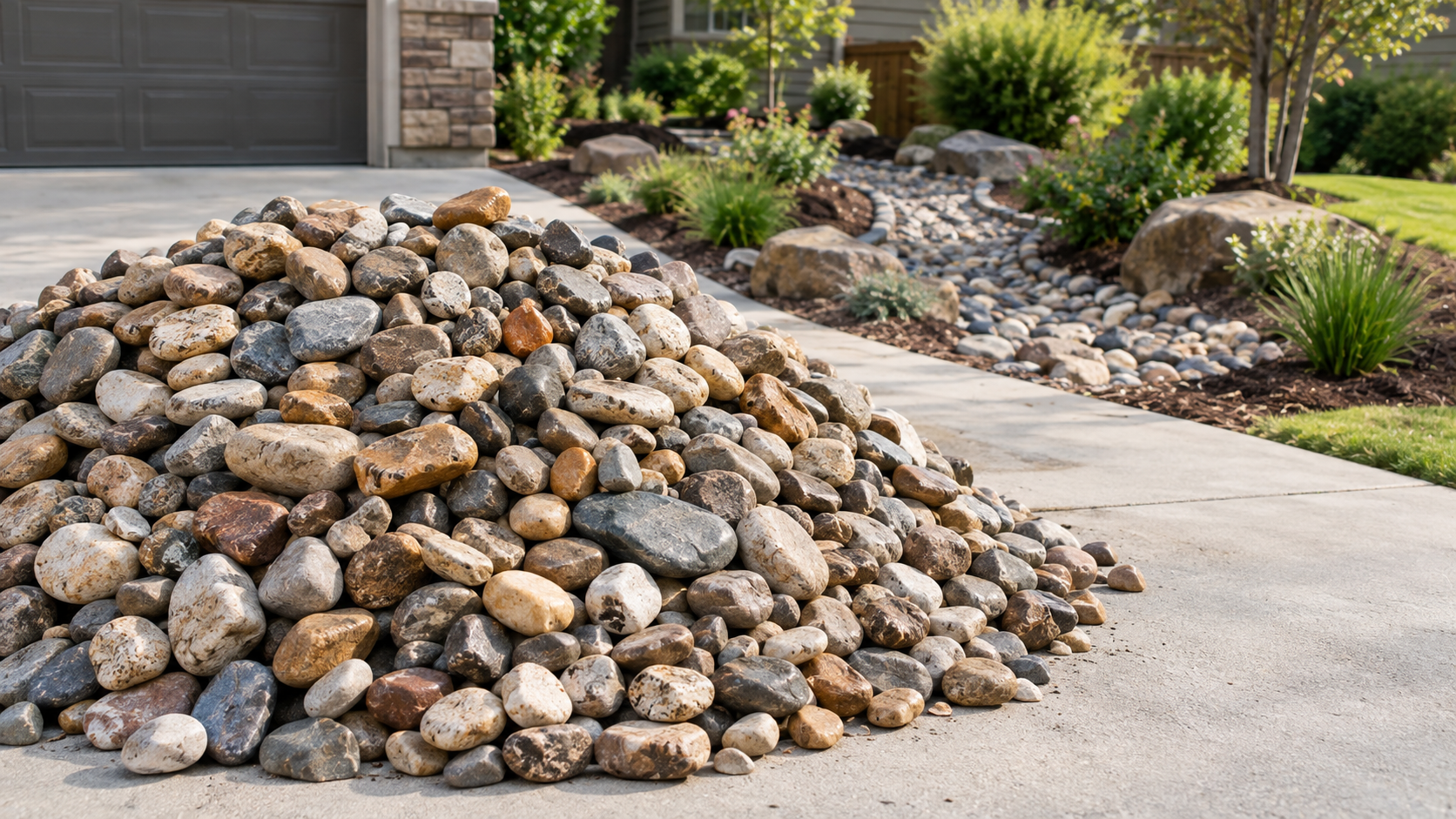
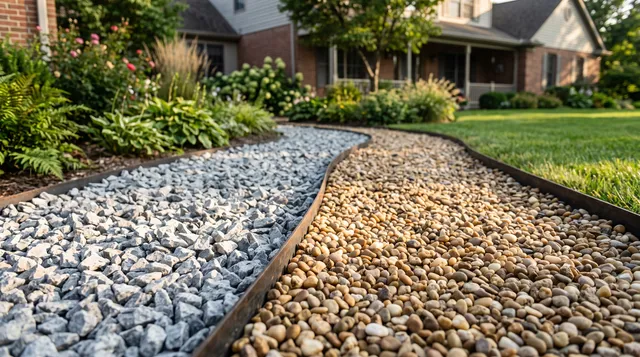
With proper installation and maintenance, a recycled concrete aggregate driveway can last 15-20 years or more. The material’s self-cementing properties actually improve performance over time, making it a smart long-term investment for residential applications. For visual inspiration, browse through crushed concrete driveway pictures to see real-world examples of successful installations.

Recycled concrete aggregate driveways combine affordability, durability, and environmental responsibility in a practical solution for homeowners. The material’s proven performance, cost savings, and eco-friendly benefits make it an excellent choice for most residential driveway projects. With proper installation and minimal maintenance, you’ll enjoy a functional, attractive driveway that serves your needs for decades while supporting sustainable construction practices.

FAQ

Is recycled concrete aggregate good for driveways?

Yes, recycled concrete aggregate is excellent for driveways. It costs 20-30% less than traditional materials while providing comparable durability and performance. The angular particles compact well together, creating a stable surface that handles daily traffic and harsh weather conditions. Its self-cementing properties actually strengthen the driveway over time as moisture activates remaining cement particles.

How much does recycled concrete aggregate cost for a driveway?

Recycled concrete aggregate costs between $15-25 per ton compared to $20-35 for traditional road base materials. This represents a 20-30% cost savings for homeowners. The total project cost depends on your driveway size and local supplier pricing, but you can expect significant savings while maintaining quality and durability.

How do you install a recycled concrete aggregate driveway?

Installation involves excavating 4-6 inches for residential driveways, creating proper drainage slopes, spreading the material in 4-inch lifts, and compacting with a plate compactor or roller. Add water lightly during compaction to activate cement particles. Allow 24-48 hours before light vehicle use and avoid heavy traffic for one week to ensure proper setting.

How long does a recycled concrete aggregate driveway last?

With proper installation and maintenance, a recycled concrete aggregate driveway can last 15-20 years or more. The material’s self-cementing properties actually improve performance over time, making it stronger as it ages. Regular maintenance includes periodic re-grading every 3-5 years and adding fresh material as needed to maintain proper thickness.

Author: