Does fill dirt have rocks in it
Published on: January 19, 2026
Get an estimate for your project in 60 seconds

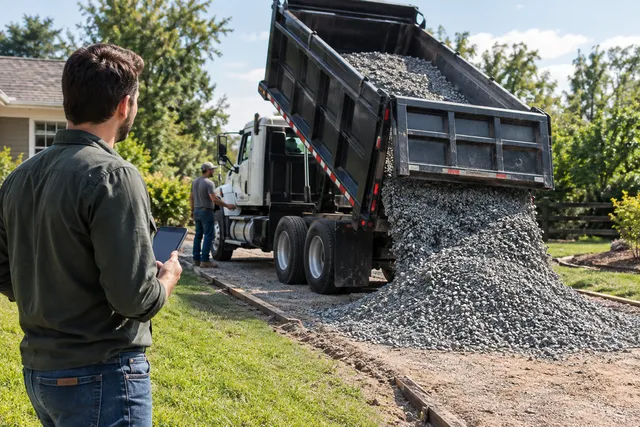
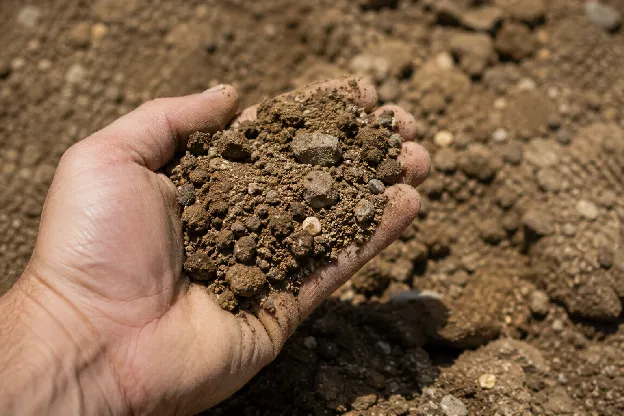
Fill dirt can contain rocks, but it depends entirely on where the material is sourced and how it’s processed. Some fill dirt includes small stones and gravel that actually improve stability, while other types are screened to remove rocks completely. Understanding what you’re getting matters because the rock content directly impacts how well your project turns out.
Quick answer: Most fill dirt contains some rocks or stone fragments, but the amount varies significantly. Construction projects often benefit from rocky fill dirt for stability, while landscaping typically requires rock-free material for plant growth.
If you’re planning a foundation, driveway, or garden bed, knowing whether your fill dirt has rocks helps you choose the right material and avoid costly mistakes down the road.
What exactly is fill dirt
Fill dirt is subsoil material used to raise ground levels, fill holes, or create stable foundations for construction projects. Unlike topsoil, which contains organic matter and nutrients for plants, fill dirt comes from deeper soil layers that are relatively inert and won’t decompose over time.
This stability makes fill dirt ideal for structural applications where you need material that won’t shift, settle, or change composition. The lack of organic content means it compacts well and maintains its shape under pressure.
Most fill dirt consists of clay, sand, and silt in varying proportions. The exact composition depends on local geology, which is why fill dirt from different regions looks and behaves differently. Some areas produce clay-heavy fill dirt, while others yield sandy material with more drainage.

How rocks affect fill dirt performance
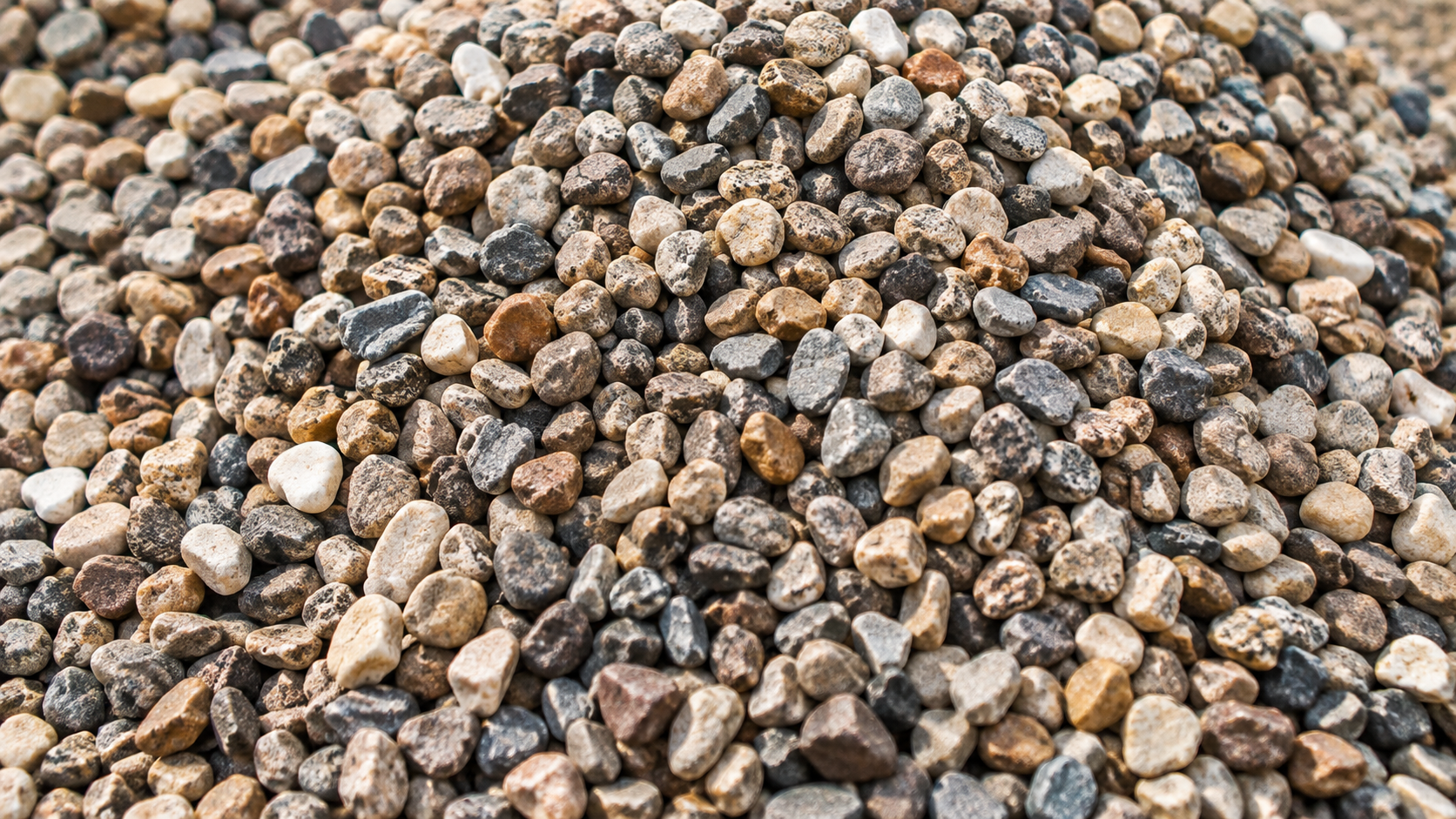
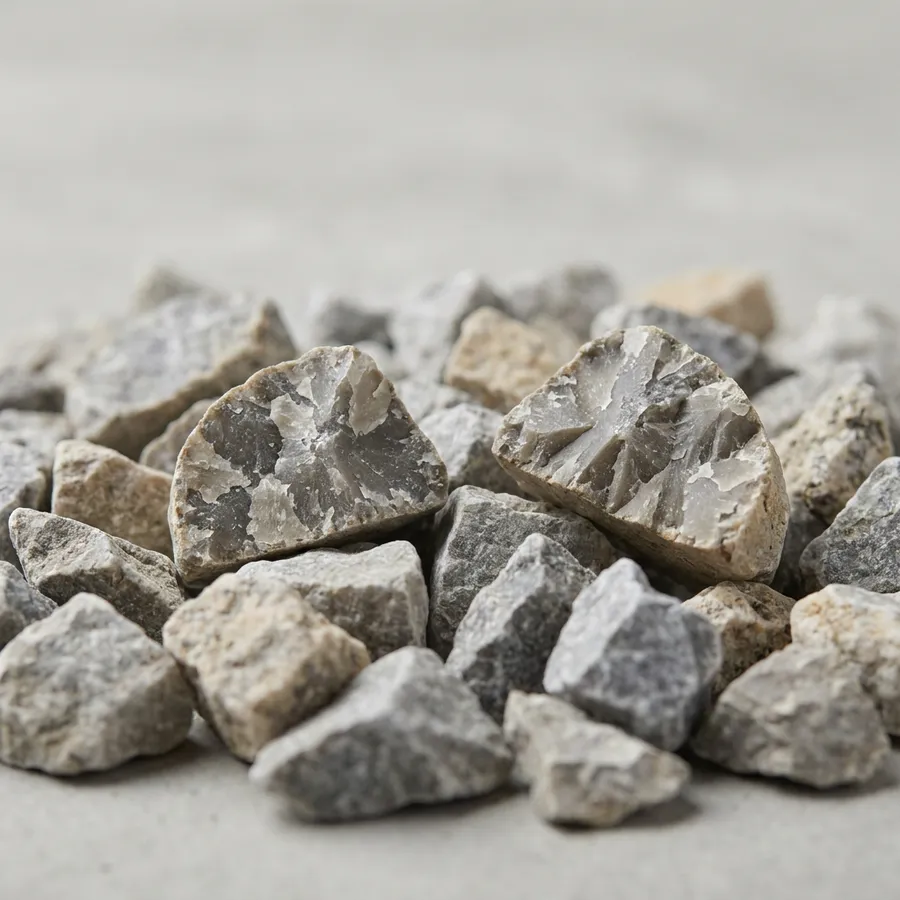
Small rocks and gravel in fill dirt actually serve important structural purposes. They create internal framework that prevents excessive compaction and helps maintain stability under heavy loads. Think of rocks as tiny pillars that distribute weight and resist crushing forces.
For construction projects like building pads or road bases, rocky fill dirt often performs better than completely smooth material. The stones interlock when compacted, creating a stronger foundation that resists shifting and settling over time.
However, rocks can interfere with certain applications. In landscaping projects where you need to plant directly in the fill dirt, rocks block root growth and make digging difficult. They also create uneven surfaces that require additional grading work.
Pro tip: Fill dirt with rocks typically costs less than screened material because it requires less processing, making it budget-friendly for large construction projects.
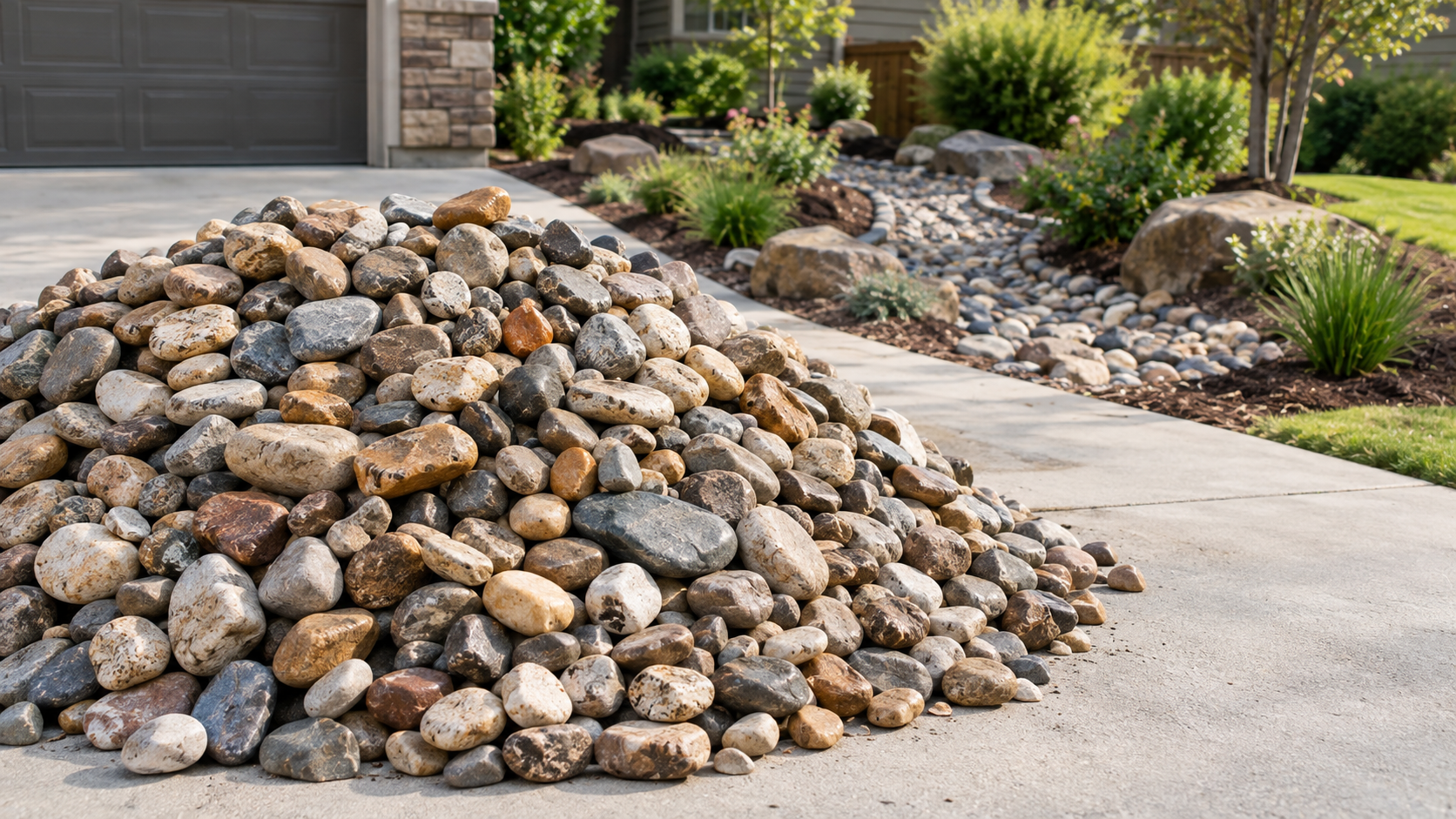
The size of rocks matters too. Pea-sized gravel integrates well and improves drainage, while larger stones can create voids and weak spots if not properly distributed during placement.
Choosing fill dirt for your specific project
Construction and foundation work generally benefits from fill dirt that contains some rock content. The mixed material compacts into a solid base that supports heavy structures without excessive settling. Road construction, building pads, and retaining wall backfill all work well with rocky fill dirt.
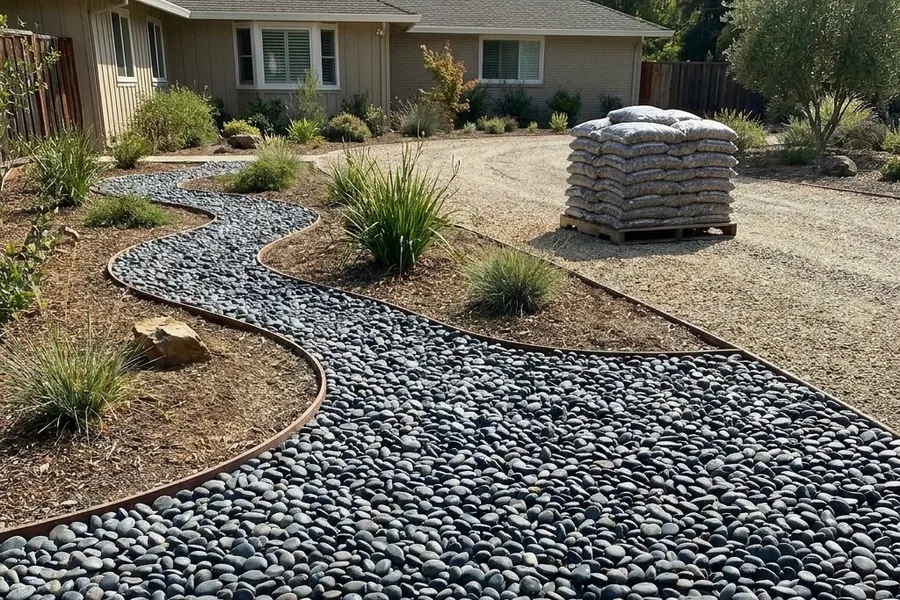
Landscaping projects require more careful consideration. If you’re creating planting beds or areas where grass will grow, rock-free fill dirt works better. Plants need soil they can penetrate easily, and rocks interfere with root development and water absorption.
For projects that combine both needs, like grading around a new home, you might use rocky fill dirt for the structural base and top it with screened material for landscaping areas. This layered approach gives you stability where needed and plantable soil at the surface.

Consider drainage requirements too. Rocky fill dirt drains faster, which helps in wet climates but might be problematic in dry areas where you want to retain moisture for plants. Understanding the differences between fill dirt vs gravel can help you make the best choice for your specific drainage needs.
Getting the right fill dirt for your needs
When ordering fill dirt, specify whether you need material with or without rocks. Most suppliers can provide either option, though availability depends on local sources and processing capabilities.
Ask about the source location and typical rock content before placing large orders. Some quarries produce naturally rocky fill dirt, while others screen their material to remove stones above certain sizes. If you need clean fill for landscaping purposes, make sure to communicate this clearly to your supplier.
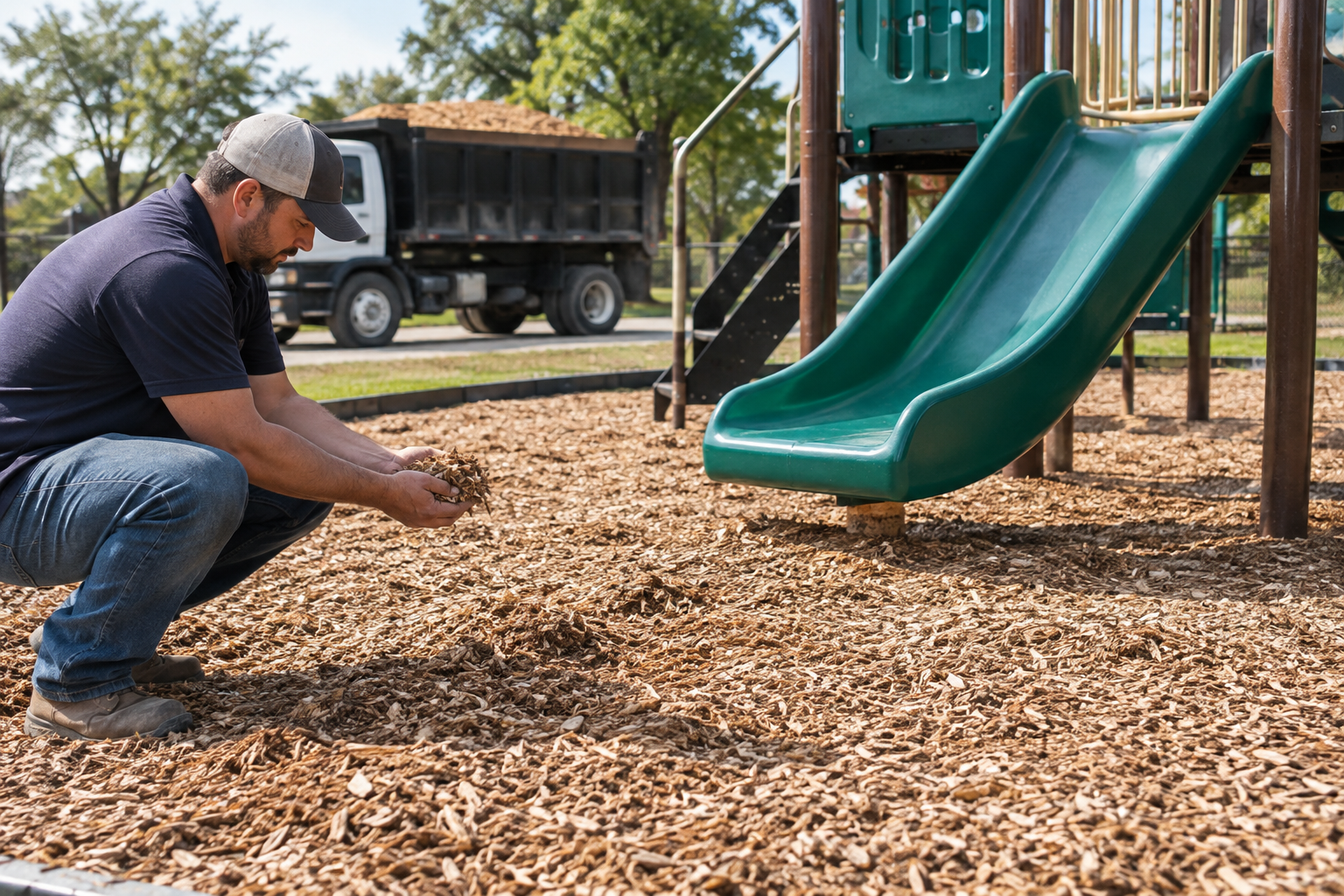
Key consideration: Always request a small sample before ordering bulk quantities, especially for landscaping projects where rock content significantly affects usability.
For construction projects, inquire about compaction characteristics and load-bearing capacity. Rocky fill dirt often requires different compaction techniques than smooth material, and understanding these requirements helps ensure proper installation. Learn more about how fill dirt compacts to prepare for your project.
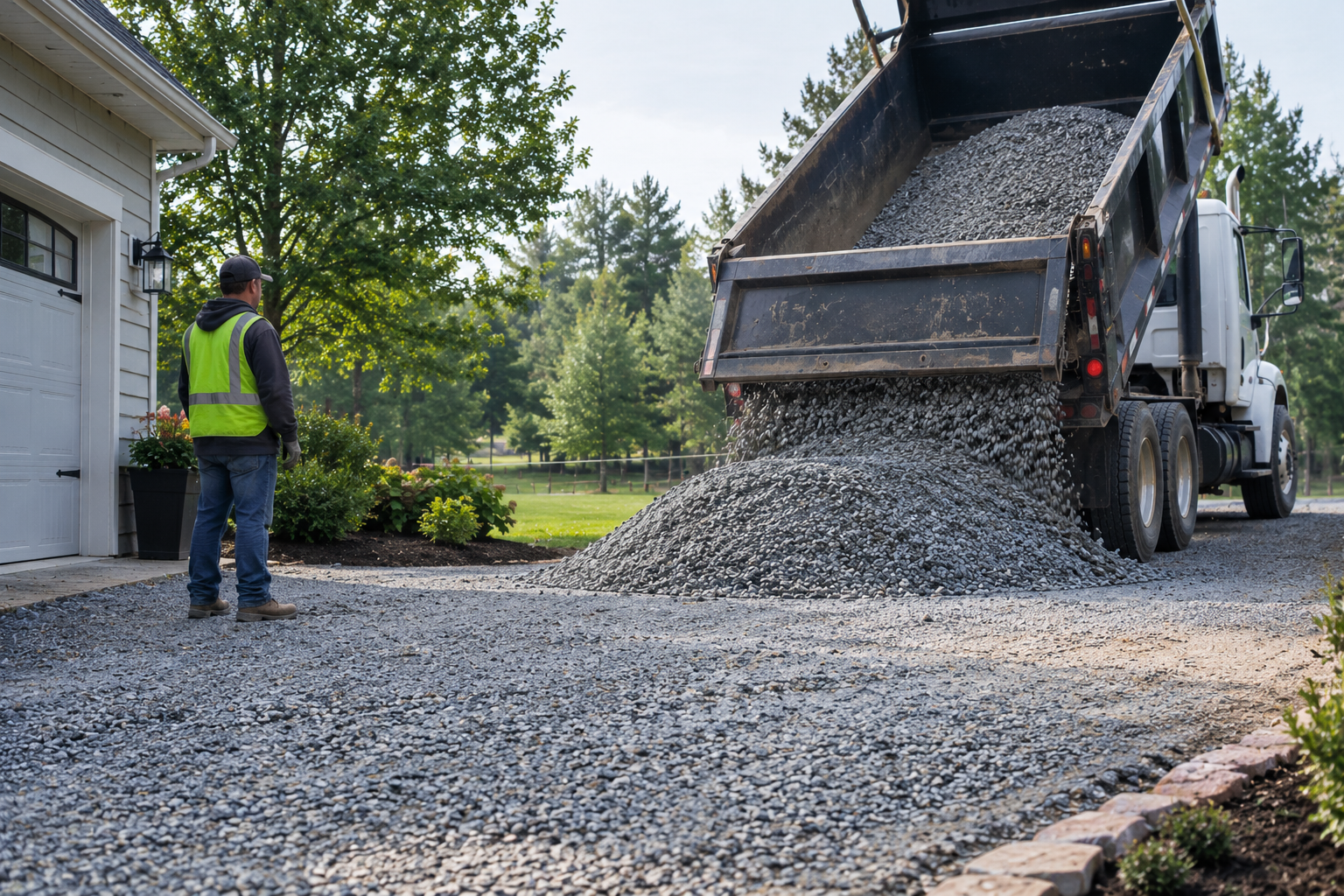
Consider delivery timing and site access too. Rocky fill dirt can be harder to spread and grade, potentially requiring additional equipment or labor time for proper placement.
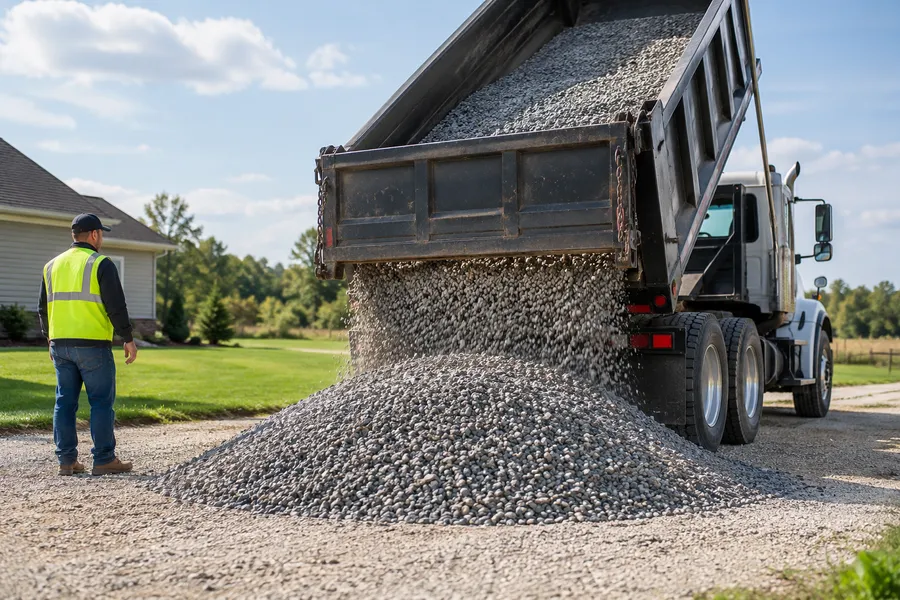
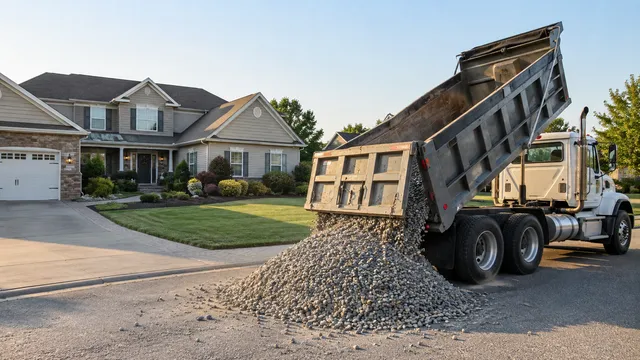
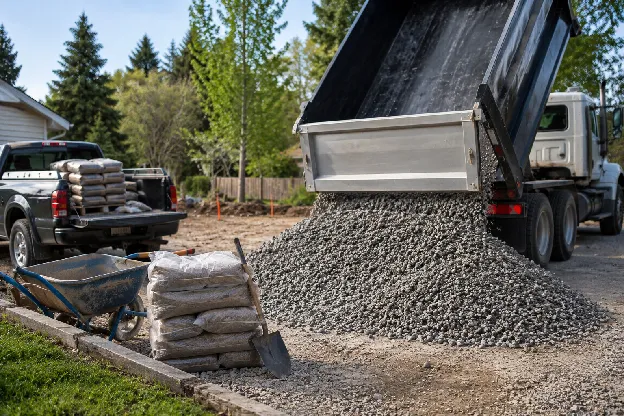
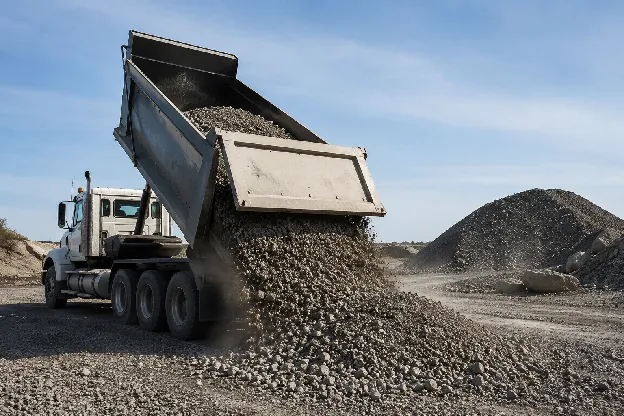
Most suppliers offer delivery in dump truck loads, with minimum quantities typically starting around 10 cubic yards. Calculate your needs carefully, as rocky fill dirt is difficult to return or exchange once delivered. If you’re unsure about quantities, check out our guide on how much fill dirt you need for your project.
Getting quality fill dirt with the right rock content sets your project up for long-term success. Whether you need structural stability or plantable soil, matching the material to your specific requirements saves time, money, and frustration during construction or landscaping work.
FAQ
Does all fill dirt contain rocks?
Is fill dirt with rocks better for construction projects?
Can I use rocky fill dirt for landscaping and gardening?
How do I specify the right type of fill dirt when ordering?
Author: