Pea Gravel Guide: Benefits, Uses, Installation and Cost Comparison
Published on: December 18, 2025
Get an estimate for your project in 60 seconds
 Your information is secure
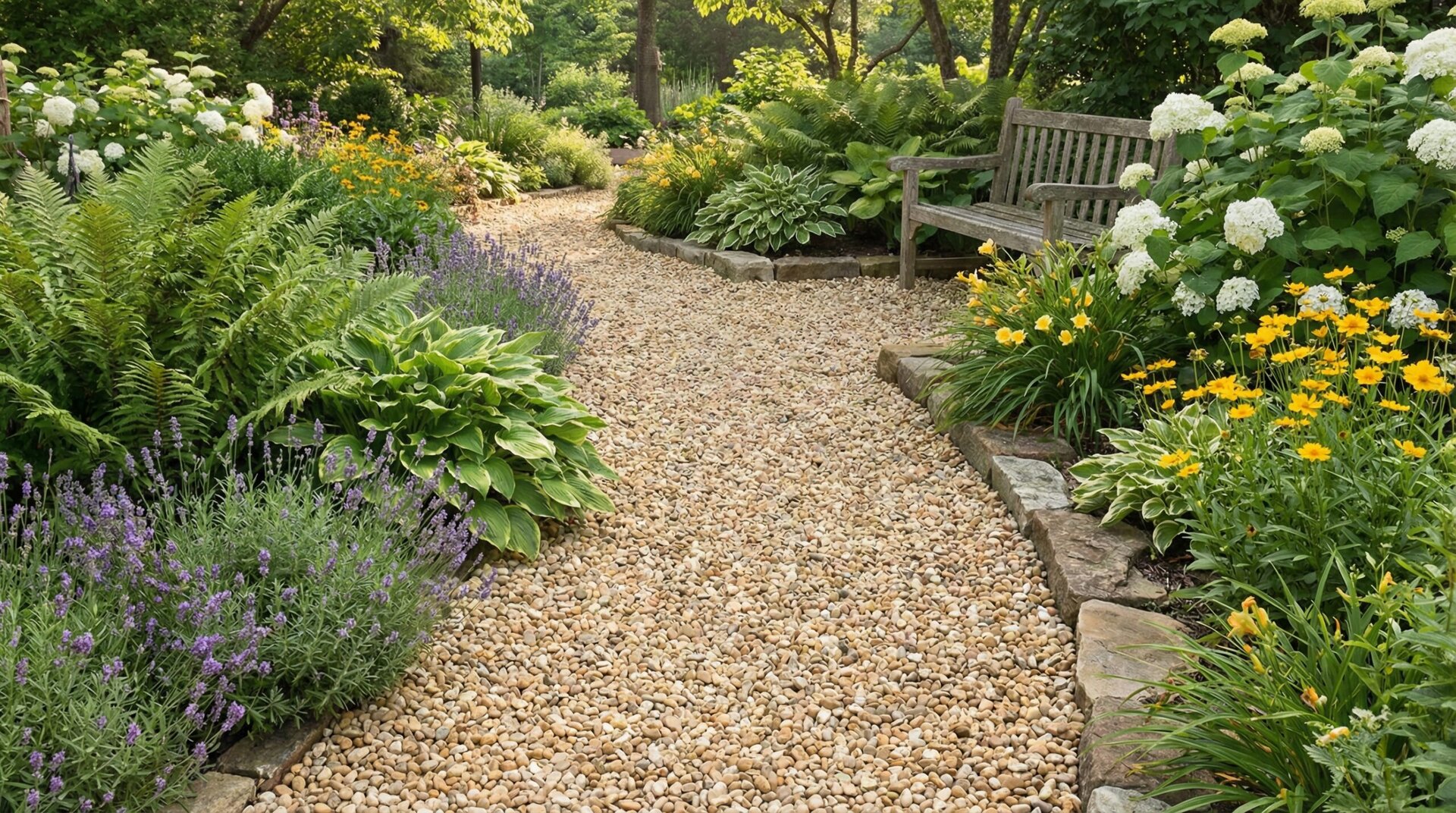
Pea gravel is a small, naturally rounded stone typically measuring 1/8 to 3/8 inches in diameter. This versatile landscaping material offers excellent drainage, low maintenance requirements, and an affordable alternative to concrete or pavers for driveways, walkways, and garden beds.
Whether you’re planning a new patio, need better drainage around your home, or want an attractive ground cover that won’t break the budget, pea gravel delivers practical solutions. You’ll find it costs significantly less than traditional hardscaping materials while providing natural beauty and functionality that lasts for years.
Quick Fact: Pea gravel gets its name from its pea-sized dimensions and smooth, rounded shape created by natural water erosion over time.
What is pea gravel and how is it made
Pea gravel consists of small stones naturally weathered by water movement in rivers and streams. This erosion process creates the characteristic smooth, rounded edges that make pea gravel comfortable to walk on and visually appealing in landscape designs.
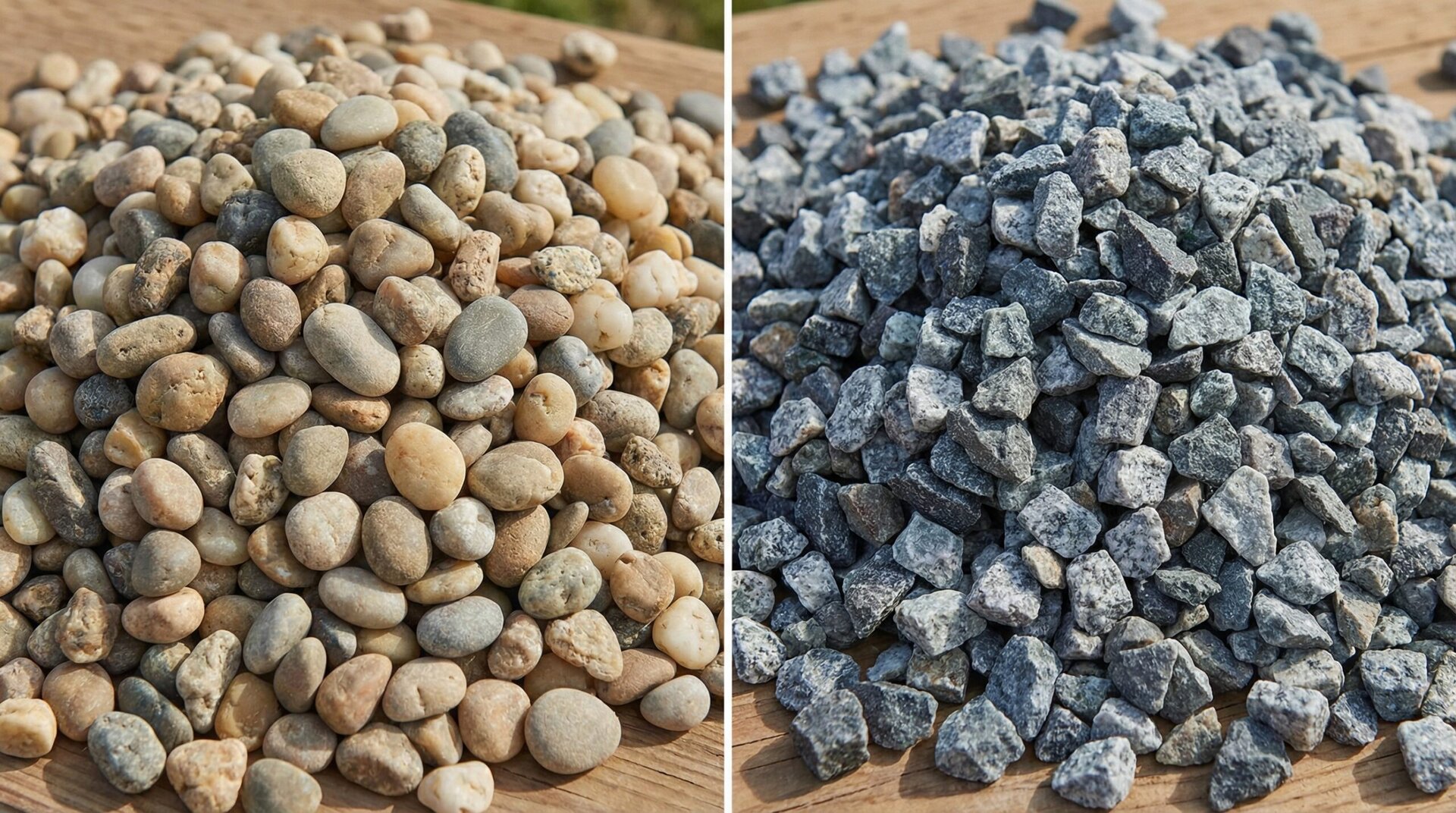
The stones come in natural earth tones including beige, brown, gray, and tan. Some varieties feature mixed colors that blend seamlessly with existing landscape elements. Unlike crushed stone, which has angular edges, pea gravel’s rounded shape allows it to compact naturally while maintaining excellent drainage properties.
Most pea gravel is sourced from riverbeds or quarries where natural weathering has occurred. The material is then screened to achieve consistent sizing, ensuring uniform appearance and performance in your projects.
Pea gravel vs other materials
Understanding how pea gravel compares to alternatives helps you make the right choice for your project needs and budget.
| Material | Drainage | Cost | Stability | Maintenance |
|---|---|---|---|---|
| Pea Gravel | Excellent | Low | Moderate | Very Low |
| Crushed Stone | Good | Low | High | Low |
| Concrete | Poor | High | Very High | Moderate |
| Pavers | Good | Very High | High | Moderate |
Pea gravel excels in drainage applications where water needs to flow through the surface. Unlike concrete, which creates runoff, pea gravel allows natural water infiltration. This makes it ideal for areas prone to standing water or where you want to reduce erosion.
The main trade-off is stability. While pea gravel shifts slightly underfoot, this movement is minimal with proper installation. For high-traffic areas requiring maximum stability, crushed stone might be preferable, though it lacks pea gravel’s aesthetic appeal.
Top benefits of using pea gravel
Pea gravel offers numerous advantages that make it a smart choice for many landscaping and construction projects.
Excellent drainage tops the list of benefits. The spaces between rounded stones allow water to flow through easily, preventing puddles and reducing erosion. This natural drainage makes pea gravel perfect for French drains, around downspouts, and in areas where water management is crucial.
Low maintenance requirements save you time and effort. Unlike grass that needs mowing or mulch that requires annual replacement, pea gravel stays put for years. Occasional raking keeps it looking fresh, and you might need to add a thin layer every few years to maintain depth.
Cost effectiveness makes pea gravel accessible for large projects. It typically costs 50-70% less than concrete or pavers while covering the same area. This affordability lets you tackle bigger projects or allocate budget to other landscape improvements.
Weed suppression occurs naturally when pea gravel is installed at proper depth. A 3-4 inch layer blocks sunlight from reaching weed seeds while allowing established plants to thrive. This reduces the need for chemical weed control.
Pro Tip: Pea gravel stays cooler than concrete in summer heat, making it more comfortable for bare feet around pools and patios.
Practical uses and applications
Pea gravel adapts to numerous landscaping and construction applications, making it one of the most versatile materials available.
Pathways and walkways benefit from pea gravel’s smooth texture and natural appearance. Install it 2-3 inches deep between stepping stones or use it alone for informal garden paths. The material provides good traction while remaining comfortable underfoot.
Driveways work well with pea gravel when properly prepared. Use 4-6 inches of depth over a compacted base for light vehicle traffic. While not suitable for heavy trucks, pea gravel driveways handle regular car traffic effectively and cost much less than asphalt.
Drainage solutions represent pea gravel’s strongest application. Use it around foundation plantings, in French drains, or anywhere water needs to move away from structures. The material’s permeability prevents water damage while looking attractive.
Garden beds and borders gain visual interest with pea gravel as a landscaping mulch alternative. It doesn’t decompose like organic mulches, provides excellent drainage for plants that prefer drier conditions, and creates clean lines between different landscape areas.
Installation and maintenance tips
Proper installation ensures your pea gravel project looks great and performs well for years to come.
Site preparation starts with removing existing vegetation and debris. Excavate to the desired depth, typically 3-4 inches for walkways and 4-6 inches for driveways. Level the area and compact the soil to create a stable base.
Install landscape fabric before adding gravel to prevent weeds and keep the stones from sinking into the soil. Choose a permeable fabric that allows drainage while blocking plant growth. Overlap seams by 6 inches and secure with landscape pins.
Add and level the gravel in thin layers, raking smooth as you go. Don’t dump all the material at once, as this makes leveling difficult. Use a rake to distribute evenly and create the desired contours. When considering whether to use pea gravel for a paver base, it’s important to understand the specific requirements of your project.
Maintenance involves periodic raking to redistribute stones and remove debris. Hose off dust occasionally to restore the natural color. Add fresh gravel every 3-5 years to maintain proper depth and appearance.
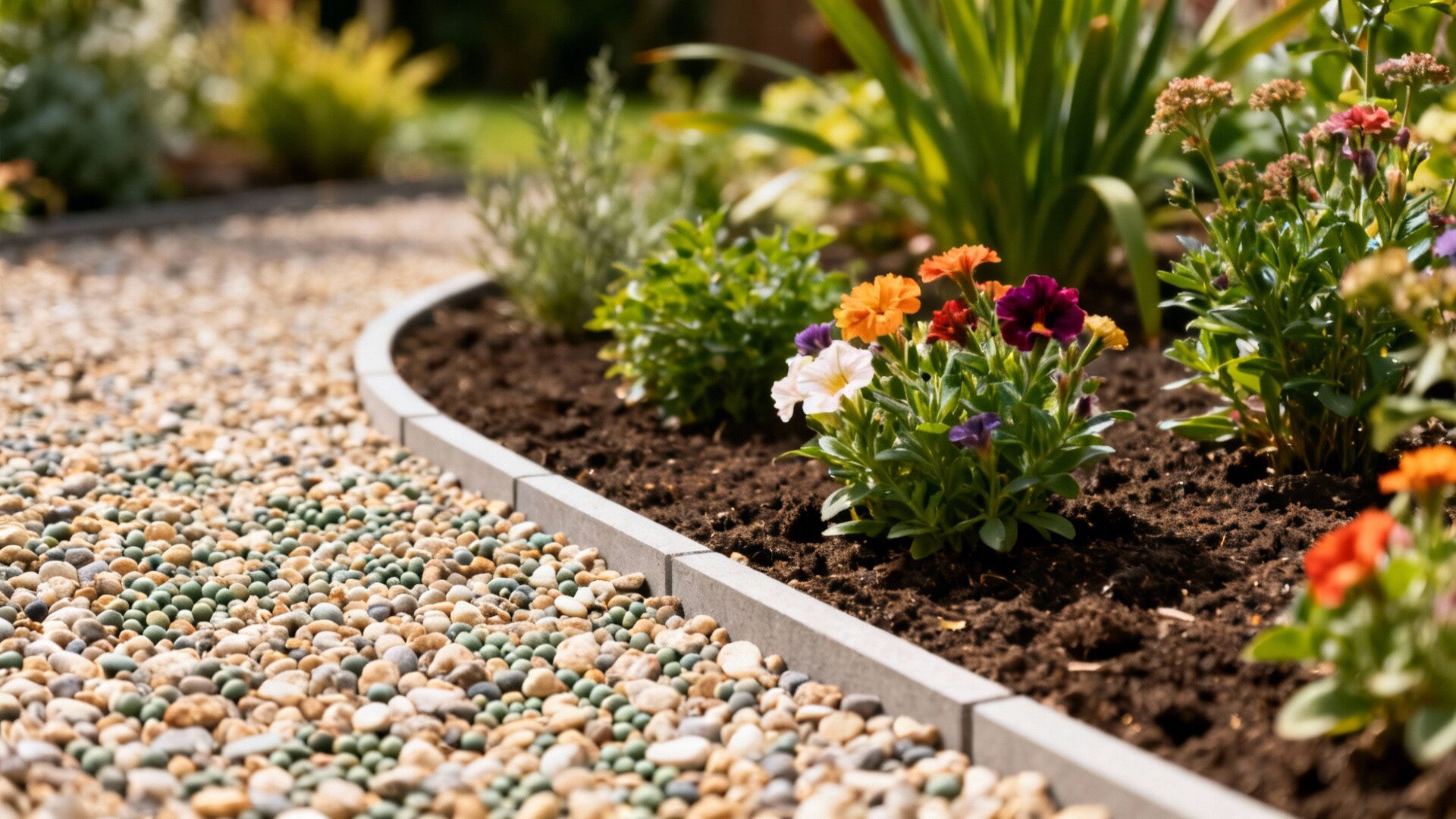
Installation Tip: Edge restraints like metal or plastic strips keep pea gravel contained and prevent it from spreading into adjacent areas.
Pea gravel combines affordability, functionality, and natural beauty in a single material. Its excellent drainage properties, low maintenance needs, and versatility make it suitable for everything from elegant garden paths to specialized contractor applications. With proper installation and minimal upkeep, pea gravel provides lasting value for your landscaping investment while enhancing your outdoor spaces with timeless appeal.
FAQ
What is pea gravel and how is it different from other gravel types?
How much pea gravel do I need for my project?
Is pea gravel good for drainage problems?
How do I maintain pea gravel landscaping?
Author: igor