How to identify high-quality gravel for construction and landscaping projects nationwide

Get an estimate for your project in 60 seconds
 Your information is secure

Choosing the right gravel can make or break your construction or landscaping project. Whether you’re building a driveway, creating garden pathways, or establishing drainage systems, understanding how to identify high-quality gravel saves you time, money, and frustration down the road.
High-quality gravel features consistent particle size, durable material composition, and proper grading that matches your specific application. The key lies in understanding the relationship between particle shape, source material, and intended use.
Quick Fact: Properly selected gravel can extend project lifespan by up to 40% compared to using inferior materials, making quality assessment crucial for long-term success.
This guide walks you through the essential factors for identifying superior gravel, from particle characteristics to supplier evaluation, helping you make informed decisions for your next project across all 50 states.
Understanding gravel fundamentals and particle characteristics
Gravel consists of rock fragments ranging from 2mm to 64mm in diameter, formed through natural weathering or mechanical crushing processes. The formation method directly impacts performance characteristics like drainage, stability, and compaction ability.
Particle shape plays a critical role in gravel performance. Angular particles from crushed stone interlock better, providing superior stability for high-traffic areas like driveways and road bases. These jagged edges create mechanical bonds that resist shifting under load. Rounded particles from river sources offer excellent drainage but less structural integrity, making them ideal for decorative applications and areas requiring water flow.

Size consistency matters significantly for project success. Quality gravel maintains uniform particle distribution within its specified grade. Mixed sizes can cause problems – too many fine particles create poor drainage, while excessive large stones leave gaps that compromise stability. Look for gravel that has been properly screened and sorted to ensure consistent performance.
The three main size classifications serve different purposes. Coarse gravel (20-64mm) provides excellent drainage and load distribution for heavy-duty applications. Medium gravel (5-20mm) works well for general construction where you need balanced drainage and stability. Fine gravel (2-5mm) compacts tightly, creating smooth, stable surfaces for pathways and decorative areas.
Material composition and durability factors
The source rock determines gravel’s long-term performance and suitability for specific applications. Granite-based gravel offers exceptional hardness and weather resistance, making it ideal for high-traffic areas and harsh climates. Limestone gravel provides good binding properties when compacted but may be softer than granite options.
Key Insight: Harder source materials like granite and basalt resist wear better than softer stones, but limestone offers superior binding properties for certain applications.
Durability testing reveals quality differences between suppliers. Superior gravel undergoes abrasion testing to measure wear resistance under traffic loads. Look for suppliers who can provide test results showing low degradation rates and minimal dust production during handling.
Color consistency indicates processing quality and material uniformity. High-quality gravel maintains consistent coloration throughout the batch, suggesting proper screening and washing processes. Significant color variations may indicate mixed source materials or inadequate processing, potentially affecting performance.
Contamination levels affect both appearance and functionality. Quality gravel should be free from organic matter, clay, and excessive dust that can interfere with drainage and compaction. Clean gravel allows proper water flow and creates stronger mechanical bonds between particles.
Evaluating suppliers and quality standards
Reputable suppliers maintain consistent quality control processes and can provide detailed specifications for their products. Look for suppliers who offer gradation charts showing particle size distribution, which helps you verify the gravel meets your project requirements.

Testing capabilities indicate supplier commitment to quality. Professional suppliers conduct regular sieve analysis to ensure consistent grading and may offer additional tests like Los Angeles abrasion testing for durability assessment. When choosing a gravel supply company, ask potential suppliers about their testing protocols and request recent test results.
Source transparency builds confidence in material quality. Reliable suppliers readily share information about quarry locations, extraction methods, and processing techniques. This transparency allows you to understand the material’s characteristics and suitability for your specific application. Finding the best gravel around you starts with evaluating local suppliers’ quality standards.
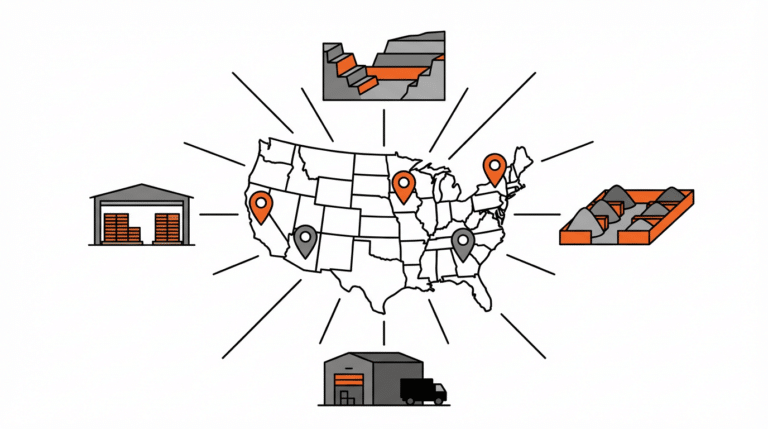
Delivery and handling practices affect gravel quality during transport. Quality suppliers use clean trucks and proper loading techniques to prevent contamination and segregation during delivery. They should also provide guidance on proper storage and handling to maintain material integrity on your site. Modern aggregate companies work with local pits and haulers nationwide to deliver quality materials on time, every time, often with delivery windows as fast as 2 business days. Consider gravel and dirt delivery services that prioritize material quality throughout the transportation process.
Practical selection tips for different applications
Match gravel characteristics to your specific project requirements for optimal results. Driveway applications benefit from angular crushed stone that compacts well and resists rutting under vehicle traffic. The interlocking nature of angular particles creates a stable surface that maintains its shape over time. Understanding gravel driveway costs helps you budget appropriately for quality materials.
Pro Tip: For drainage applications, choose gravel with minimal fine particles to ensure proper water flow, while decorative projects can use rounded river rock for aesthetic appeal.
Drainage projects require careful attention to particle size and gradation. Larger particles allow faster water movement, making them suitable for French drains and erosion control. Avoid gravel with excessive fines that can clog drainage systems and reduce effectiveness over time. Learn more about drainage gravel costs and options to select the right material for your water management needs.
Decorative applications offer more flexibility in gravel selection, allowing you to prioritize appearance alongside functionality. River rock provides natural beauty with smooth textures, while colored crushed stone offers consistent appearance with better stability for walkways and garden borders. Explore decorative gravel prices and options to find materials that balance aesthetics with performance.
Climate considerations influence gravel selection in different regions. Areas with freeze-thaw cycles benefit from harder materials that resist cracking, while regions with heavy rainfall require gravel with excellent drainage characteristics to prevent water damage and erosion. Whether you’re working on projects in Louisiana’s humid climate or dealing with harsh northern winters, selecting regionally appropriate materials ensures long-term performance.
Making informed gravel decisions
Selecting high-quality gravel requires balancing multiple factors including particle characteristics, material composition, supplier reliability, and application-specific requirements. Take time to evaluate samples, review supplier credentials, and understand your project’s specific needs before making final decisions.
Remember that investing in quality gravel upfront prevents costly repairs and replacements later. The right material choice, properly installed and maintained, provides decades of reliable performance while enhancing your property’s value and functionality. Whether you’re purchasing gravel by the ton for large-scale projects or ordering smaller quantities for residential use, prioritizing quality ensures long-term project success. Modern online ordering systems make it easier than ever to source quality materials with transparent pricing and reliable delivery schedules, eliminating the traditional hassles of calling around for quotes.