
How to break concrete blocks at home
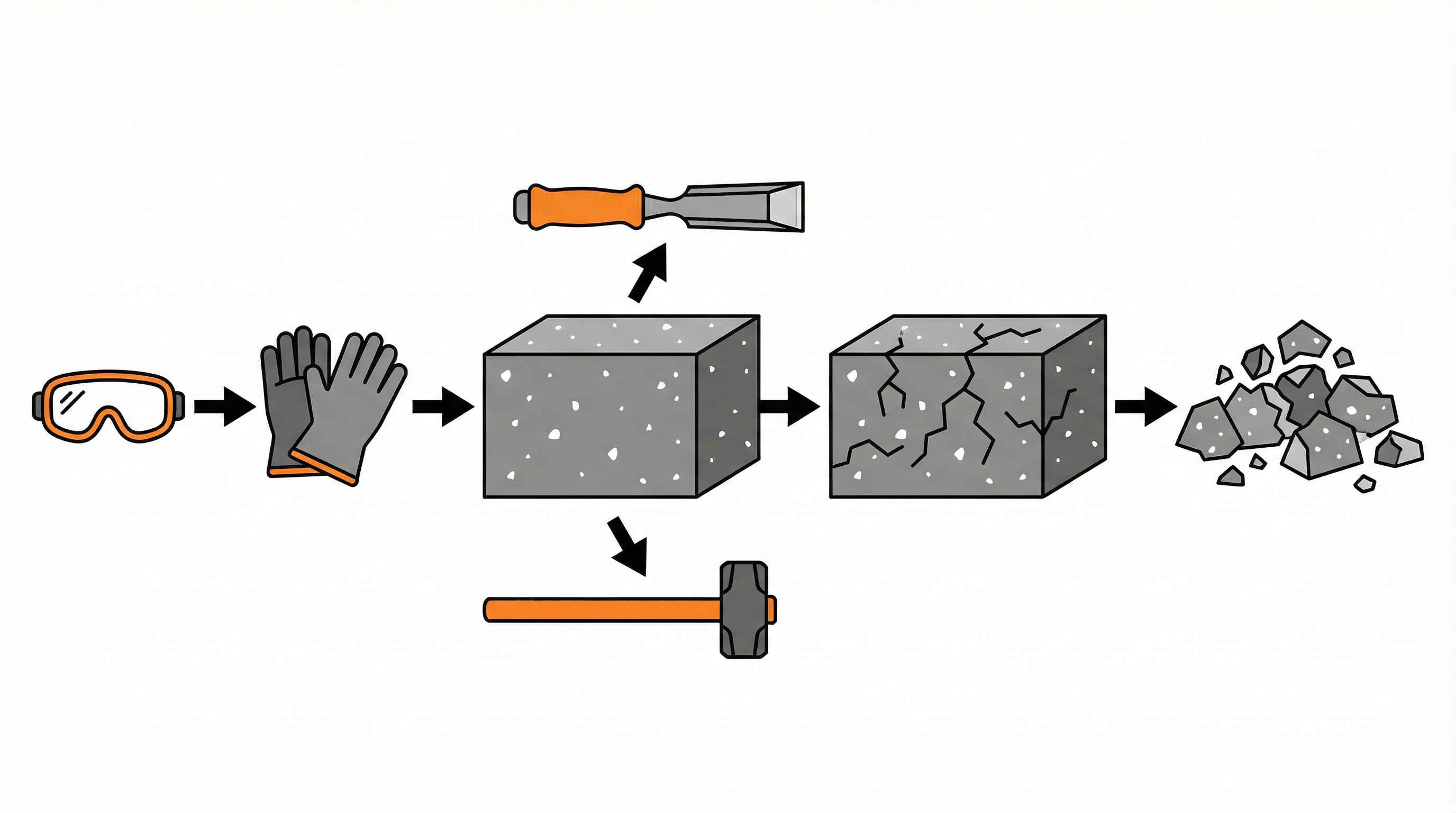
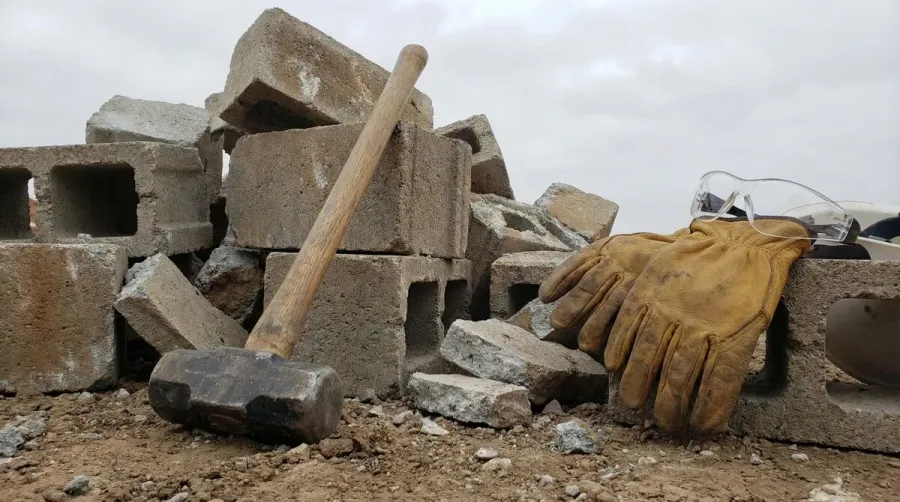
Breaking concrete blocks at home doesn’t require expensive machinery or professional expertise. Whether you’re demolishing an old garden wall, removing a concrete structure, or preparing blocks for recycling, you can accomplish this task with the right approach and basic tools. Most homeowners can successfully break concrete blocks using a sledgehammer and proper technique, though larger projects may benefit from rented equipment.
Quick tip: Start with the corners and edges of concrete blocks, as these are typically the weakest points and will crack more easily than the center.
The key to successful concrete block breaking lies in understanding the material, using appropriate safety measures, and choosing the right method for your project size. This guide will walk you through everything you need to know to tackle this project safely and effectively.
Understanding concrete blocks and why you might need to break them
Concrete blocks, often called cinder blocks, are hollow rectangular building materials made from concrete and aggregate. These versatile construction materials are commonly used for foundation walls, garden borders, and structural applications because of their durability and cost-effectiveness.
You might need to break concrete blocks for several reasons. Home renovation projects often require removing existing concrete structures, while landscaping changes may involve dismantling garden walls or borders. Additionally, breaking concrete blocks allows you to recycle the material for other uses, such as creating crushed concrete for drainage applications or using crushed pieces as aggregate for new concrete projects.
The composition of concrete blocks makes them relatively straightforward to break with proper technique. The hollow design creates natural weak points, and the concrete mixture typically breaks cleanly when struck correctly.
Essential tools and safety equipment
Before starting your concrete breaking project, gather the necessary tools and safety equipment. For most home projects, a heavy-duty sledgehammer weighing 8 to 12 pounds provides sufficient force to break standard concrete blocks effectively.
Safety equipment is non-negotiable when breaking concrete. You’ll need safety glasses to protect your eyes from flying debris, work gloves to maintain grip and protect your hands, and closed-toe shoes with good traction. Consider wearing long pants and a long-sleeved shirt to protect your skin from concrete dust and small fragments.
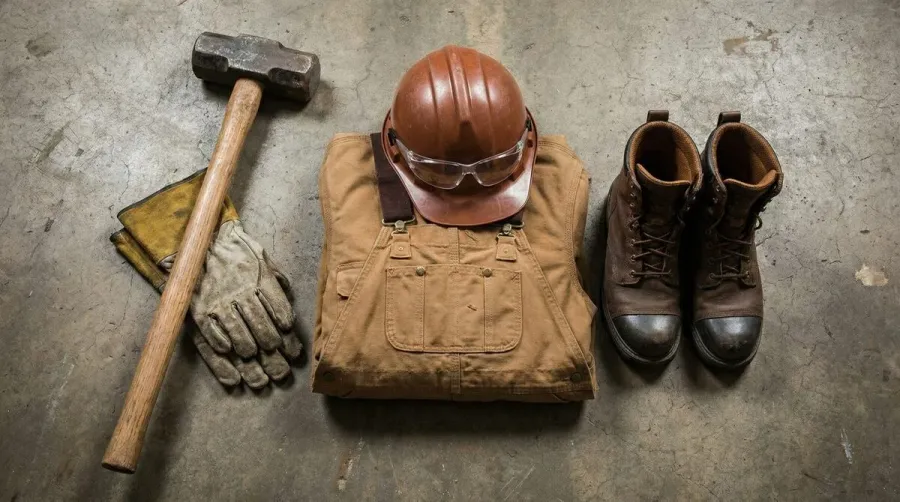
Additional helpful tools include a concrete chisel for precision work, a wheelbarrow for collecting broken pieces, and a tarp to contain debris. If you’re working indoors or in an enclosed space, ensure adequate ventilation to manage concrete dust. It’s also important to understand the health hazards of crushed concrete dust to take proper precautions.
Safety reminder: Always work in a well-ventilated area and consider wearing a dust mask, especially when breaking multiple blocks or working in confined spaces.
Step-by-step breaking process
Start by preparing your work area. Clear the space of any obstacles and lay down a tarp if you want to contain the debris. Position the concrete block on a solid, stable surface like a concrete pad or packed earth. Avoid placing blocks on surfaces that might absorb the impact energy, such as grass or loose soil.
When using a sledgehammer, aim for the corners and edges first, as these areas typically crack more easily than the center. Hold the sledgehammer with both hands, keeping your feet shoulder-width apart for stability. Swing with controlled force, allowing the weight of the hammer to do most of the work rather than relying purely on arm strength.
Strike the block firmly and consistently. Most standard concrete blocks will begin to crack after several well-placed hits. Once you see initial cracks forming, continue striking along the crack lines to complete the break. Work systematically around the block rather than focusing on one area.
After breaking the blocks, sort the pieces by size. Larger fragments can be broken down further if needed, while smaller pieces are ready for disposal or reuse in other projects. If you plan to reuse the material, learn more about how to crush concrete into gravel at home for various applications.
When to consider professional equipment or services
For larger projects involving multiple concrete blocks or thicker structural elements, manual breaking may become impractical. Projects requiring the removal of more than 20-30 blocks often benefit from rented equipment such as electric jackhammers or pneumatic breakers.
Consider the comparison between DIY and professional approaches:
| Method | Best for | Time required | Cost range |
|---|---|---|---|
| Manual (sledgehammer) | 1-20 blocks | 2-6 hours | $50-100 |
| Rented equipment | 20+ blocks | 1-3 hours | $150-300 |
| Professional service | Large structures | Same day | $300-800 |
Professional concrete crushing services become cost-effective when dealing with substantial quantities or when time constraints are important. These services have specialized equipment that can process large volumes quickly and safely, often providing additional benefits like debris removal and recycling services.
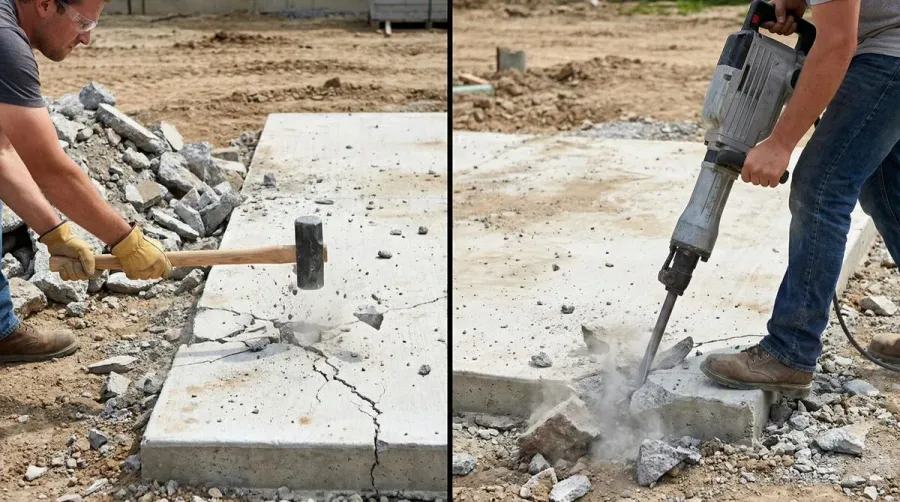
If your project involves reinforced concrete blocks or structures with embedded rebar, professional equipment or services are typically necessary. The metal reinforcement makes manual breaking extremely difficult and potentially dangerous. For more information on this topic, check out our guide on crushing concrete with rebar.
Project planning tip: Estimate your project scope carefully before choosing your approach. Breaking concrete is physically demanding work, and larger projects can quickly become overwhelming without proper equipment.
Breaking concrete blocks at home is an achievable DIY project when approached with the right tools, safety measures, and realistic expectations about project scope. For smaller projects, manual methods using a sledgehammer provide an economical solution that most homeowners can handle. Larger projects may justify the cost of rented equipment or professional services, especially when time and efficiency are priorities. Once you’ve broken down your concrete, you can explore various uses such as crushed concrete for driveways or backfill applications. Remember that safety should always be your top concern, and don’t hesitate to seek professional help when dealing with complex or large-scale concrete removal projects.
FAQ
How do you break a concrete block with a sledgehammer?
Place the concrete block on a stable, solid surface like a concrete pad. Using an 8-12 pound sledgehammer, strike firmly at the corners and edges first, as these are the weakest points. Continue striking along crack lines until the block breaks completely. Always wear safety glasses, gloves, and closed-toe shoes during this process.
What safety equipment is needed when breaking concrete blocks?
Essential safety equipment includes safety glasses to protect from flying debris, work gloves for grip and hand protection, and closed-toe shoes with good traction. Additionally, wear long pants and sleeves to protect from concrete dust and fragments, and consider a dust mask when working in enclosed spaces or breaking multiple blocks.
When should you hire professionals instead of breaking concrete blocks yourself?
Consider professional services for projects involving more than 20-30 blocks, reinforced concrete with rebar, or when time constraints are important. Professional equipment like jackhammers can process large volumes quickly and safely, often providing debris removal and recycling services that justify the $300-800 cost for substantial projects.
What can you do with broken concrete block pieces?
Broken concrete blocks can be recycled for various applications including crushed concrete for drainage, driveway material, or backfill projects. Larger pieces can be broken down further into smaller aggregate sizes. You can also use the material as a base for new concrete projects or as decorative landscaping elements.