
Is Crushed Concrete Toxic (Silica Dust Risks)
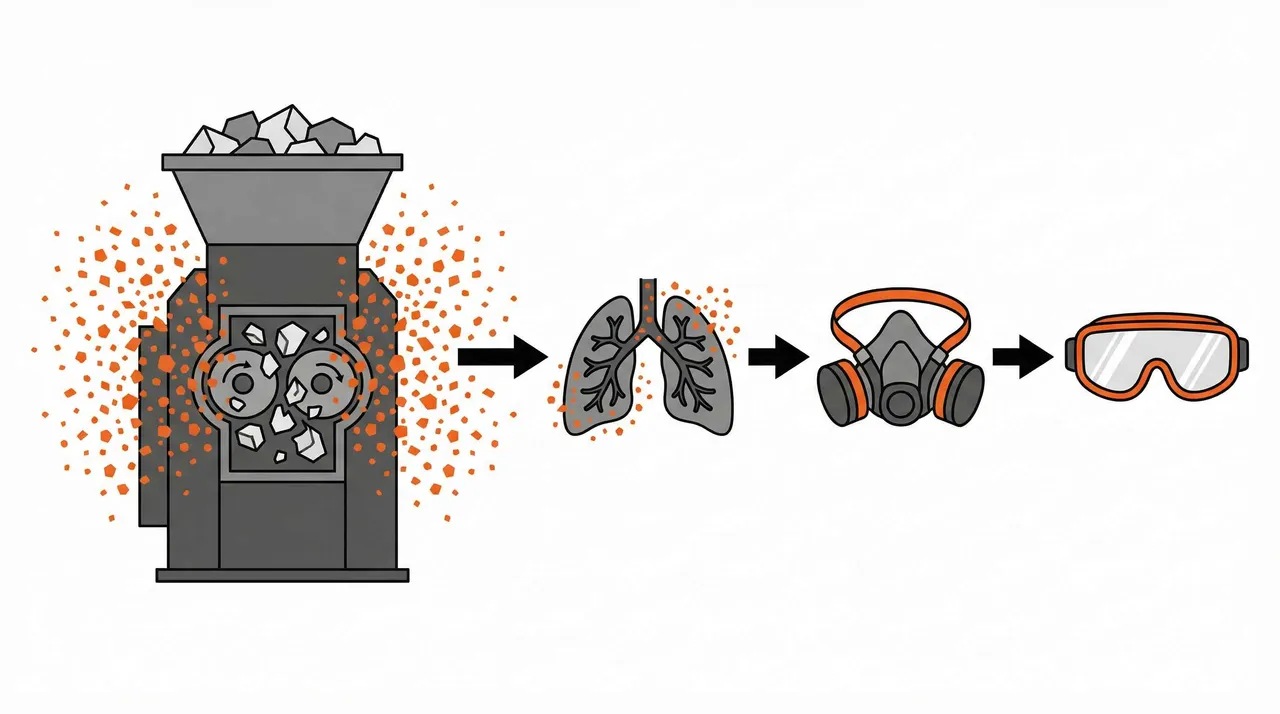
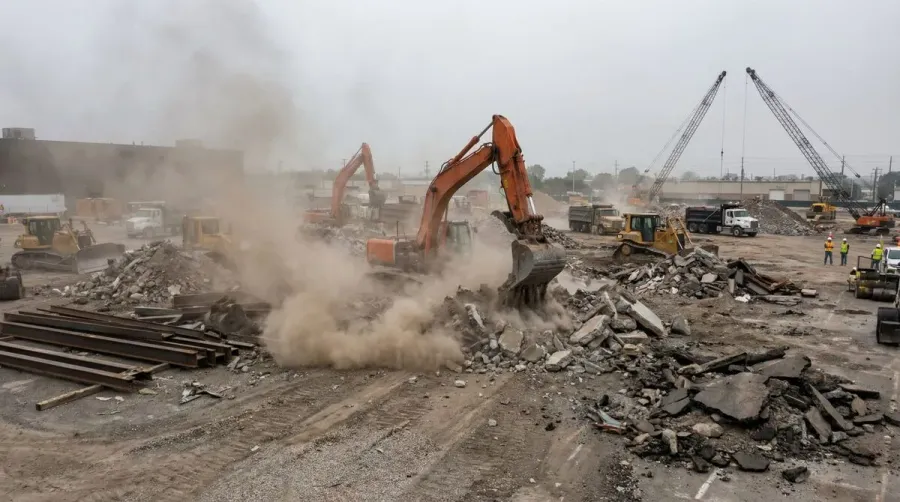
Is crushed concrete dust dangerous to your health? Yes, crushed concrete dust can pose serious health risks, particularly respiratory problems including silicosis, due to its crystalline silica content. However, with proper safety measures and protective equipment, you can significantly reduce these risks.
Key Insight: According to regulations.gov, crushed concrete contains 0-90% crystalline silica, which can cause serious lung diseases when inhaled over time.
Crushed concrete is widely used in construction for its cost-effectiveness and environmental benefits. Yet many workers and homeowners remain unaware of the potential health hazards lurking in the dust particles. Understanding these risks and implementing proper safety protocols can mean the difference between safe project completion and serious health complications.
About Hello Gravel
Hello Gravel delivers bulk gravel, rock, dirt, and sand by the ton. Enter your ZIP code to see prices with delivery included. A local dump-truck driver places the load where access is safe; spreading is not included.
What is crushed concrete and why does it pose health risks
Crushed concrete is recycled material created by breaking down old concrete structures into reusable aggregate. The crushing process generates fine dust particles that contain crystalline silica, a naturally occurring mineral found in cement, sand, and stone components.
When you breathe in these microscopic particles, they can penetrate deep into your lungs where they cause inflammation and scarring. The danger lies in the cumulative effect – even small exposures over time can lead to permanent lung damage.
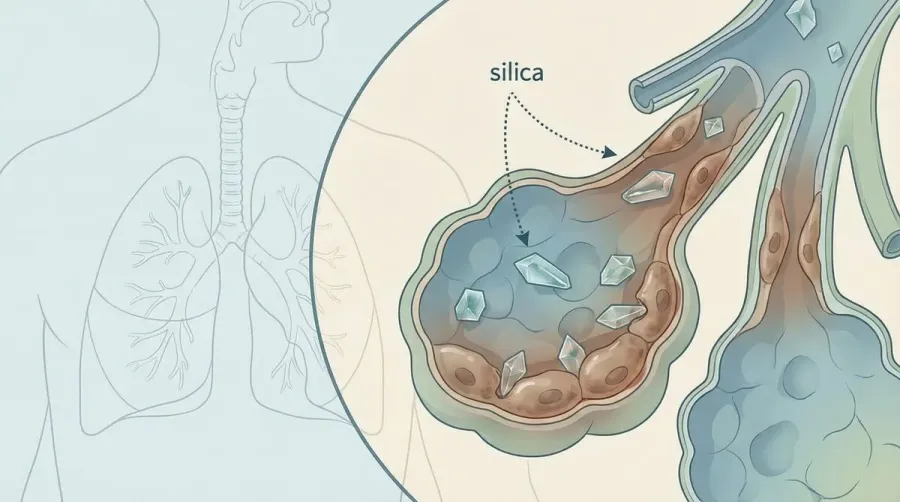
The composition varies depending on the original concrete, but according to hellogravel.com/guides, typical crushed concrete contains cement (limestone and clay), aggregate materials, and trace amounts of crystalline silica that raise the primary health concerns. Understanding the different types of crushed concrete can help you identify which materials may pose greater dust risks during handling.
Respiratory health risks from crushed concrete dust
The most serious health threat from crushed concrete dust is silicosis, a progressive lung disease that develops when silica particles accumulate in your lungs over months or years. There are three types you should know about.
Chronic silicosis develops after 10 or more years of low-level exposure and is the most common form. You might experience gradual breathing difficulties that worsen over time. Accelerated silicosis occurs after 5-10 years of higher exposure levels, while acute silicosis can develop within months of very high exposure.
Health Warning: hellogravel.com/guides reports that silicosis can be disabling or even fatal, and there is currently no cure for this disease once it develops.
Beyond silicosis, crushed concrete dust exposure can trigger asthma, chronic obstructive pulmonary disease (COPD), and increase your risk of lung cancer and kidney disease. Short-term exposure typically causes coughing, wheezing, and throat irritation that may seem minor but signals your respiratory system is under stress. If you’re concerned about broader toxicity issues, you may want to learn more about whether crushed concrete is toxic in various applications.
Eye and skin irritation from concrete dust exposure
While respiratory risks get the most attention, crushed concrete dust can also affect your eyes and skin in uncomfortable ways. When dust particles contact your eyes, you’ll likely experience immediate redness, itching, and excessive tearing.
Your skin faces similar irritation risks, especially if you’re working with the material for extended periods. The alkaline nature of concrete dust can cause dryness, itching, and rashes. Some people develop contact dermatitis, which creates scaling and cracking of affected skin areas.
These effects are usually temporary and resolve once exposure stops, but repeated contact can lead to more persistent skin problems. The key is recognizing these early warning signs and taking immediate action to protect yourself.
Essential safety measures for handling crushed concrete
Protecting yourself from crushed concrete health hazards requires a three-pronged approach: proper personal protective equipment, effective dust control, and consistent hygiene practices.
Your first line of defense is wearing appropriate PPE every time you work with crushed concrete. This means using a NIOSH-approved respirator designed for dust particles, not just a simple dust mask. Safety glasses or goggles protect your eyes from airborne particles, while gloves and long-sleeved clothing shield your skin.
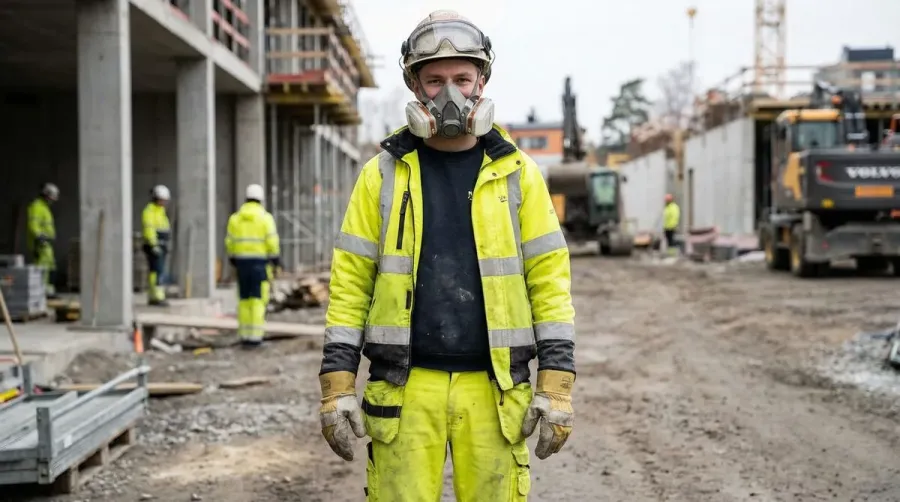
Dust suppression is equally critical. Water spraying is one of the most effective methods for keeping dust levels down during crushing, cutting, or handling operations. If possible, use tools with built-in dust collection systems and ensure adequate ventilation in work areas. When working with crushed concrete fines, which produce more dust than larger aggregates, extra precautions are essential.
| Safety Measure | Effectiveness | Implementation |
|---|---|---|
| NIOSH Respirator | High | Required for all dust exposure |
| Water Suppression | High | Spray during operations |
| Proper Ventilation | Medium | Ensure airflow in enclosed spaces |
| Regular Hygiene | Medium | Wash before eating/drinking |
Good hygiene practices complete your protection strategy. Always wash your hands and face thoroughly before eating, drinking, or smoking. Change into clean clothes and shower after work to remove dust particles that could otherwise be inhaled later or transferred to family members.
Safety Tip: According to graniterock.com, you should avoid dry sweeping concrete dust and instead use HEPA vacuums or wet cleaning methods to prevent particles from becoming airborne again.
Remember that these safety measures work best when used together consistently. Skipping any component of your protection plan increases your risk of developing serious health problems down the road. Whether you’re spreading crushed concrete for a driveway or compacting crushed concrete for a base layer, proper dust control should always be your priority.
The bottom line is that crushed concrete dust does pose legitimate health risks, but these hazards are entirely manageable with proper precautions. By understanding the dangers, using appropriate protective equipment, and implementing effective dust control measures, you can safely work with this valuable construction material. Your respiratory health is worth the extra effort to follow these safety protocols every single time.
FAQ
Is crushed concrete dust dangerous to breathe?
Yes, inhaling crushed concrete dust is dangerous because it contains crystalline silica particles that can penetrate deep into your lungs. Long-term exposure can lead to silicosis, a serious and incurable lung disease, as well as COPD, lung cancer, and other respiratory problems. Even short-term exposure can cause coughing, wheezing, and throat irritation.
What safety equipment do I need when handling crushed concrete?
Essential safety equipment includes a NIOSH-approved respirator designed for dust particles (not just a simple dust mask), safety glasses or goggles to protect your eyes, gloves to shield your hands, and long-sleeved clothing to cover exposed skin. This personal protective equipment should be worn consistently whenever working with crushed concrete.
How can I control dust when working with crushed concrete?
Effective dust control methods include water spraying during crushing, cutting, or handling operations to keep dust levels down, using tools with built-in dust collection systems, ensuring adequate ventilation in work areas, and avoiding dry sweeping. Instead, use HEPA vacuums or wet cleaning methods to prevent particles from becoming airborne again.
Can crushed concrete dust cause skin and eye problems?
Yes, crushed concrete dust can cause immediate eye irritation including redness, itching, and excessive tearing when particles make contact. For skin, the alkaline nature of concrete dust can cause dryness, itching, rashes, and contact dermatitis with scaling and cracking. While these effects are usually temporary, repeated exposure can lead to more persistent problems.
Materials for this project
Get it delivered — dumped where you need it
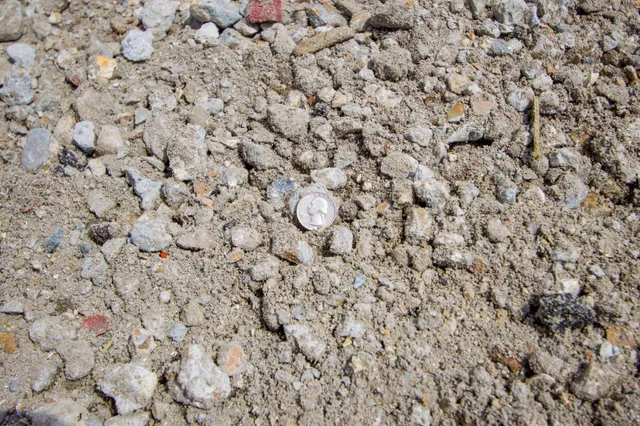
Crushed Concrete
Driveways & Base material
See delivered price
View product
Driveway Gravel
Driveways & Parking areas
See delivered price
View product
Fill Dirt
Grading & Backfill
See delivered price
View product
Topsoil
Lawn establishment & Garden beds
See delivered price
View product
#57 Crushed Stone
Driveways & Drainage
See delivered price
View product