
Granite Rock Price Per Ton – Complete 2026 Cost Guide
Guide handoff
Want help applying this guide to your project?
Share your ZIP and what you need help with. We'll use this guide as context when we follow up.
- 1 This guide gives us the context you were reading.
- 2 Ask about pricing, material choice, delivery timing, or quantity.
- 3 Keep it broad if you are still figuring out the project.
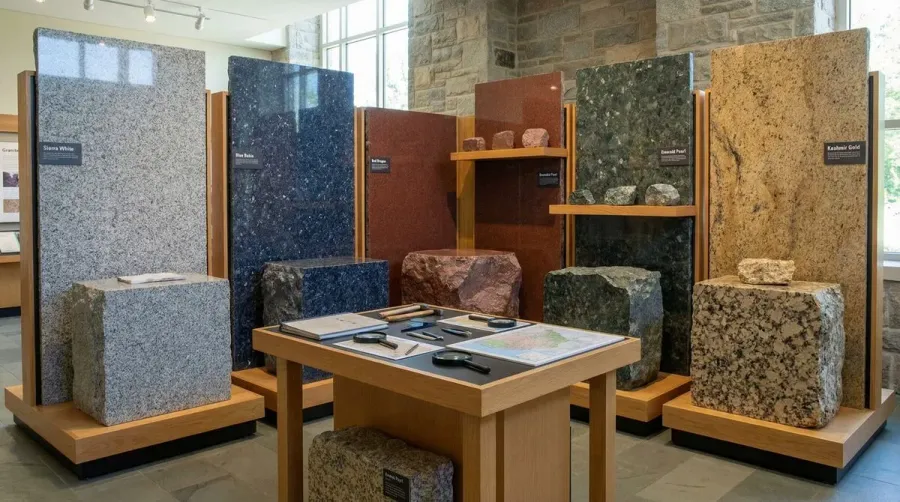
Granite rock typically costs between $50 to $150 per ton, depending on the type, quality, and your location. This natural stone remains one of the most sought-after materials for construction and landscaping projects due to its exceptional durability and timeless appeal.
Understanding granite pricing helps you budget effectively for your project. The final cost depends on several key factors including the granite’s rarity, quality grade, transportation distance, and current market conditions. Whether you’re planning a driveway renovation or a large construction project, knowing these price drivers ensures you make informed purchasing decisions.
Quick Fact: Standard granite delivery typically adds $30-$80 per ton to your total cost, making local sourcing a smart budget consideration.
Current granite rock pricing by type
Different granite types command varying prices based on their characteristics and availability. Common varieties like gray granite typically cost $50-$80 per ton, while premium options like blue granite for landscaping can reach $120-$150 per ton.
Crushed granite, popular for driveways and base materials, generally falls on the lower end of the price spectrum at $45-$70 per ton. Decomposed granite for driveways, excellent for pathways and landscaping, usually costs $55-$85 per ton. These processed forms often provide better value for large-scale projects.
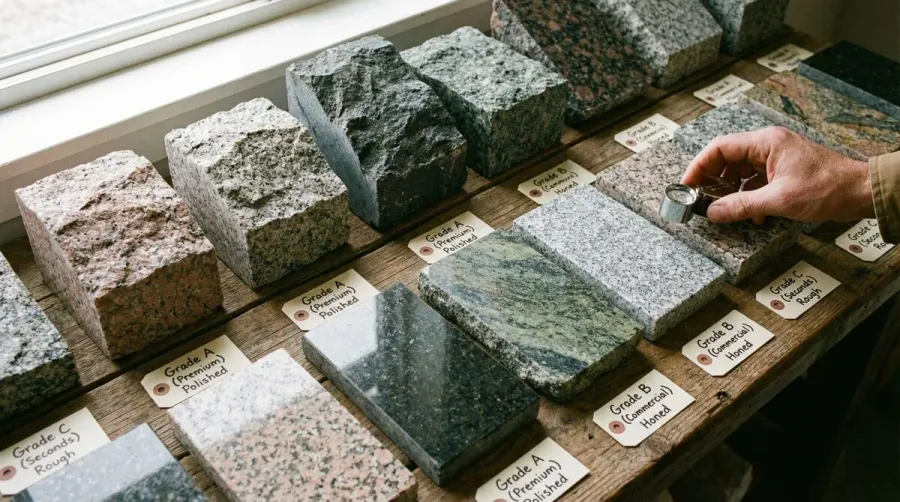
The size and finish also impact pricing significantly. Larger granite pieces require more careful extraction and handling, increasing costs. Polished or specially finished granite commands premium prices compared to raw or roughly processed material.
| Granite Type | Price Range (Per Ton) | Best Uses |
|---|---|---|
| Standard Gray | $50-$80 | Driveways, base material |
| Crushed Granite | $45-$70 | Road base, drainage |
| Decomposed Granite | $55-$85 | Pathways, landscaping |
| Premium Colors | $120-$150 | Decorative projects |
Key factors affecting granite costs
Location plays a crucial role in granite pricing. Areas near active quarries typically enjoy lower prices due to reduced transportation costs. Regions far from granite sources often see prices increase by $20-$40 per ton due to shipping expenses.
Quality grades significantly impact pricing. Higher-grade granite with consistent color patterns and minimal defects costs more than lower-grade material. The grading process considers factors like structural integrity, color uniformity, and surface finish quality.
Market demand fluctuates seasonally, with spring and summer months typically seeing higher prices due to increased construction activity. Planning your purchase during off-peak seasons can result in meaningful savings.
Cost Tip: Ordering larger quantities often qualifies for bulk pricing discounts, potentially saving 10-15% on your total granite costs.
Regional price variations across markets
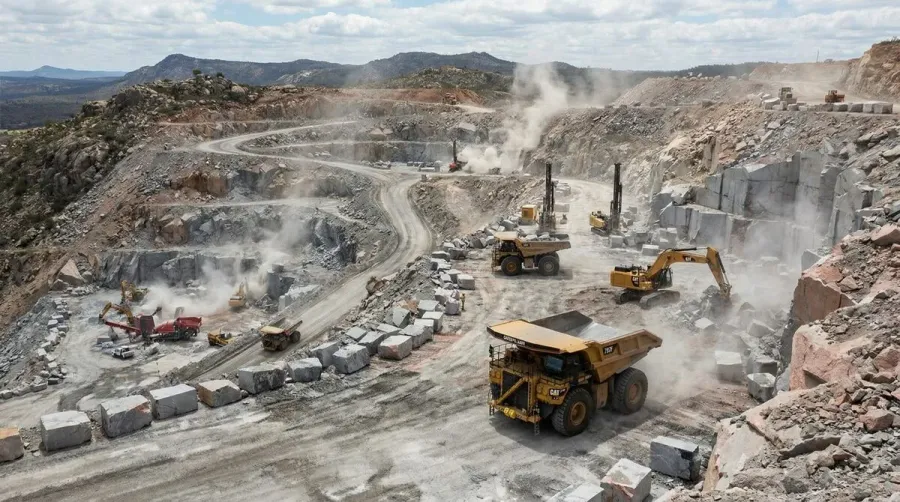
Granite pricing varies considerably across different regions. States with active granite quarries like Georgia, North Carolina, and Vermont typically offer more competitive pricing. California and Florida, despite high demand, often see elevated prices due to limited local supply and high transportation costs.
International markets show even greater variation. Countries with abundant granite resources like Brazil and India often export at competitive rates, though import duties and shipping costs can offset these savings for smaller projects.
Local economic conditions also influence pricing. Areas experiencing construction booms typically see increased granite demand and higher prices. Conversely, regions with slower economic activity might offer more competitive rates as suppliers compete for business.
The distance from quarry to delivery site remains the most significant regional cost factor. Each additional 100 miles of transportation typically adds $10-$25 per ton to the final price, making local sourcing economically advantageous whenever possible.
Smart buying strategies for granite rock
Timing your purchase strategically can lead to substantial savings. Late fall and winter months often feature lower prices as construction activity slows and suppliers offer incentives to maintain cash flow.
Working directly with quarries or established suppliers like Hello Gravel eliminates middleman markups. These relationships often provide access to bulk pricing, flexible delivery schedules, and quality guarantees that protect your investment.
Consider your project’s specific requirements when selecting granite types. While premium varieties offer superior aesthetics, standard grades often provide excellent performance for functional applications at significantly lower costs. Understanding different granite gravel sizes helps match granite grade to intended use and optimizes your budget allocation.
Buying Tip: Request samples before committing to large orders, as granite appearance can vary significantly between batches and photos rarely capture true color and texture.
 Understanding granite rock pricing empowers you to make confident purchasing decisions for your project. The $50-$150 per ton range provides a solid foundation for budgeting, while considering factors like location, quality, and timing helps optimize your investment. Remember that the lowest price doesn’t always represent the best value when durability and appearance matter for your specific application.
When comparing materials, it’s helpful to understand how granite stacks up against alternatives. For foundation work, you might want to explore crushed limestone versus crushed granite for base course applications. Additionally, granite screenings offer another cost-effective option for certain projects.
Ready to get accurate pricing for your granite needs? Hello Gravel connects you with trusted local suppliers who provide competitive rates and reliable delivery. Our network ensures you receive quality granite at fair prices, backed by excellent customer service that makes your project success our priority.
FAQ
What is the average price of granite rock per ton in 2026?
Granite rock typically costs between $50 to $150 per ton, with standard gray granite ranging from $50-$80 per ton and premium colored varieties reaching $120-$150 per ton. Crushed granite generally falls on the lower end at $45-$70 per ton, while decomposed granite costs $55-$85 per ton. The final price depends on quality grade, location, and transportation distance.
How much does delivery add to granite rock costs?
Standard granite delivery typically adds $30-$80 per ton to your total cost. Each additional 100 miles of transportation usually increases the price by $10-$25 per ton. Areas near active quarries enjoy lower prices due to reduced transportation costs, while regions far from granite sources often see prices increase by $20-$40 per ton due to shipping expenses.
How many square feet does one ton of granite rock cover?
One ton of granite rock typically covers approximately 80-120 square feet at a 2-inch depth, depending on the granite type and size. For driveways and pathways, this coverage estimate helps determine how many tons you’ll need for your project. The exact coverage can vary based on compaction and the specific granite grade used.
When is the best time to buy granite rock for lower prices?
Late fall and winter months often feature lower granite prices as construction activity slows and suppliers offer incentives to maintain cash flow. Spring and summer typically see higher prices due to increased construction demand. Ordering larger quantities during off-peak seasons can result in bulk pricing discounts of 10-15% on your total granite costs.