Fill Dirt Cost Per Ton – Complete 2026 Pricing Guide

Get an estimate for your project in 60 seconds
 Your information is secure

Planning a construction or landscaping project and wondering about fill dirt costs? You’re looking at $10 to $25 per ton for most fill dirt types, with clean structural fill running higher at $15-30 per ton. The exact price depends on the dirt type, your location, and how much you need.
Understanding these costs upfront helps you budget accurately and avoid project delays. Fill dirt serves as the foundation for countless projects, from leveling yards to supporting new construction. This guide walks you through everything you need to know about fill dirt pricing so you can make informed decisions for your project.
Quick Fact: Most contractors order 10-20% more fill dirt than calculated to account for compaction and settling during installation.
What is fill dirt and why does it matter
Fill dirt is the subsoil layer found beneath topsoil, making it perfect for creating stable foundations. Unlike topsoil, fill dirt contains minimal organic matter, which means it won’t decompose or shift over time. This stability makes it essential for construction projects, driveway foundations, and leveling uneven ground.
You’ll encounter different types when shopping for fill dirt. Clean fill dirt gets screened to remove rocks, roots, and debris, making it more expensive but easier to work with. Common fill dirt costs less but may contain natural materials that require additional sorting on your end.
The choice between these types depends on your project requirements. Foundation work typically demands clean fill dirt for optimal stability, while basic landscaping projects can often use common fill dirt effectively.
Fill dirt types and their costs per ton
Different fill dirt types serve specific purposes and come with varying price points that directly impact your project budget.
| Type | Cost Per Ton | Best For | Key Features |
|---|---|---|---|
| Clay Fill | $15-$30 | Foundations, retaining walls | Dense, excellent compaction |
| Sand Fill | $10-$20 | Drainage projects, leveling | Good drainage, moderate stability |
| Silt Fill | $12-$25 | General backfill, grading | Balanced properties, versatile |
Clay fill dirt represents the premium option due to its density and compaction properties. It creates rock-solid foundations but costs more because of these superior characteristics. Sand fill offers excellent drainage at a moderate price point, making it perfect for projects where water management matters.
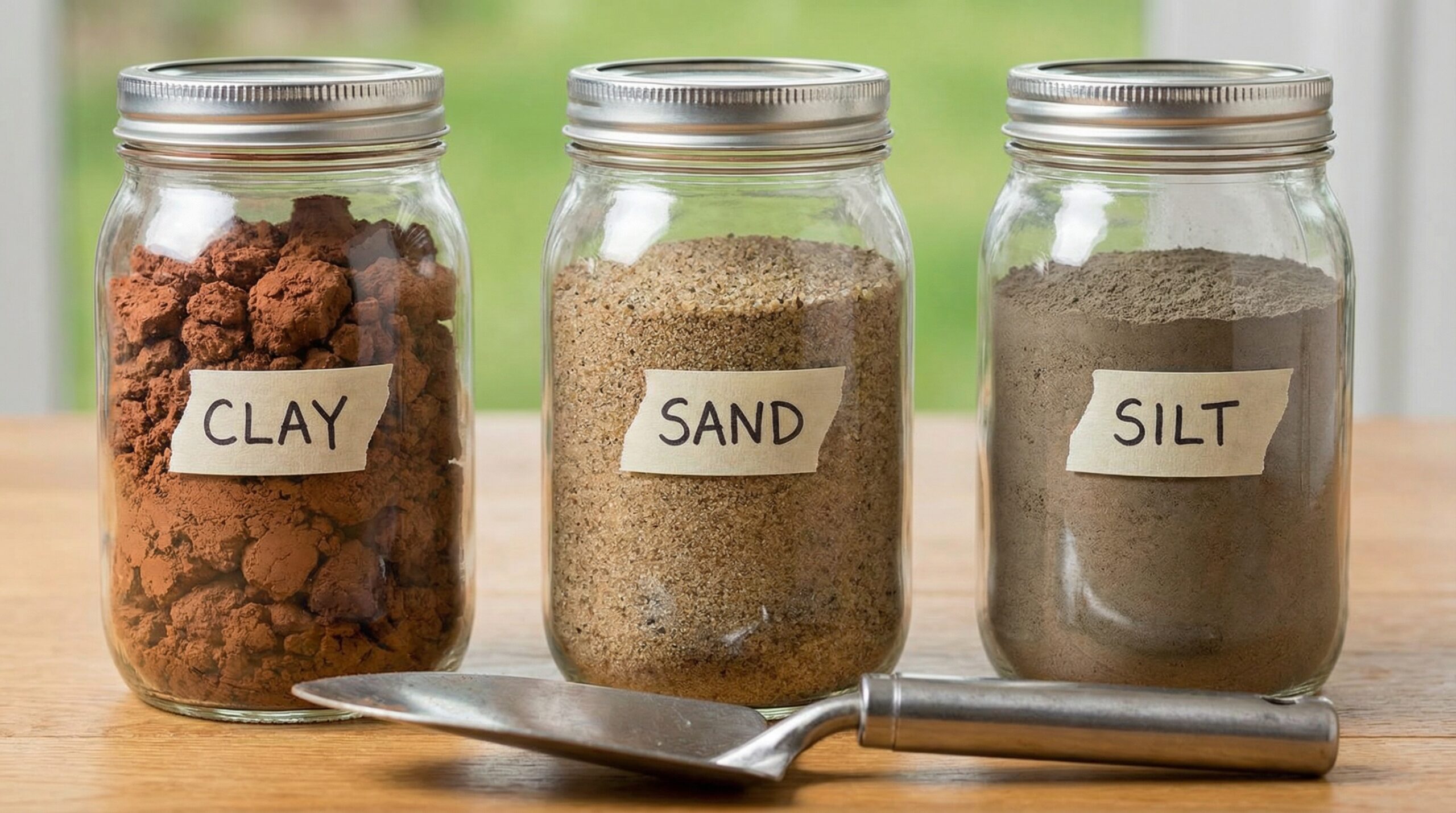
Silt fill dirt falls in the middle range for both cost and performance. It provides reliable results for most residential projects without breaking your budget. The type you choose should match your project requirements rather than just your budget constraints.
Key factors that determine your fill dirt price
Several variables influence what you’ll actually pay for fill dirt, and understanding these helps you estimate costs more accurately.
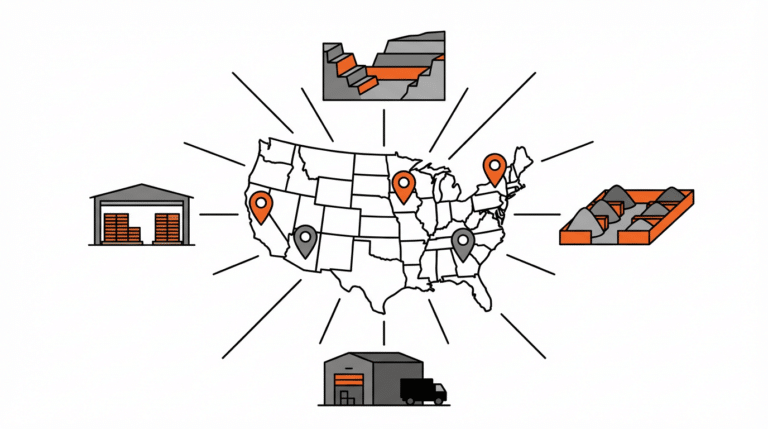
Location and delivery distance significantly impact pricing. With Hello Gravel’s nationwide coverage across all 50 states, you can access competitive pricing regardless of your project location. Our network of local pits and haulers ensures delivery in as little as 2 business days while keeping transportation costs reasonable. For a detailed breakdown of what to expect, check out our guide on fill dirt delivery costs.
Order quantity works in your favor for larger projects. Hello Gravel specializes in transactions of 500 tons or more but accommodates smaller orders as well, offering bulk discounts when you order 10 tons or more. Smaller orders under 5 tons typically carry higher per-ton costs due to delivery minimums and handling fees. If you’re comparing different measurement units, our article on fill dirt cost per yard can help you understand the pricing differences.
Dirt quality and processing also affect your final bill. Screened fill dirt costs more than unscreened varieties because of the additional processing required. Some suppliers charge premium rates for clean fill that’s been tested for contaminants or meets specific engineering standards.
Pro Tip: Ordering during off-peak seasons (fall and winter) can save you 10-15% on both material and delivery costs.
How to calculate fill dirt needed for your project
Calculating the right amount of fill dirt prevents costly overordering while ensuring you have enough material to complete your project.
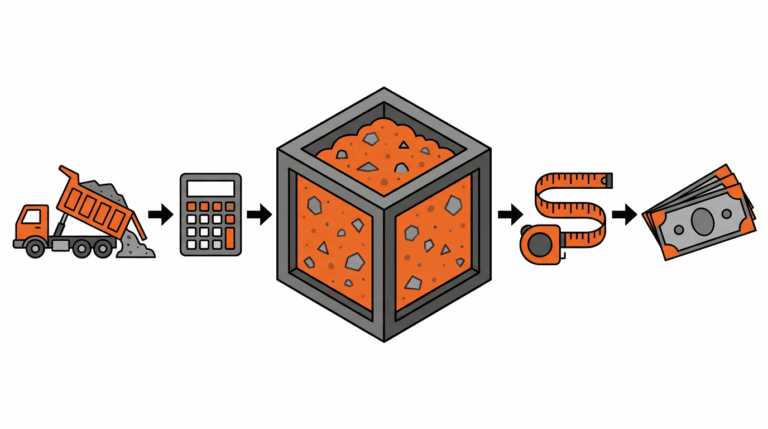
Start by measuring your project area in feet. Multiply length times width times depth to get cubic feet, then divide by 27 to convert to cubic yards. Most fill dirt weighs about 1.3 tons per cubic yard, so multiply your cubic yards by 1.3 to get tons needed.
For example, if you need to fill an area 20 feet long, 10 feet wide, and 2 feet deep, that’s 400 cubic feet or about 15 cubic yards. Multiply 15 by 1.3 to get roughly 19 tons of fill dirt needed. To understand pricing based on different load sizes, explore our comprehensive guide on fill dirt cost per load.
Hello Gravel’s online material calculator can help you determine the exact cubic yards and tons needed based on your project measurements, taking the guesswork out of ordering. Remember to add 10-20% extra for compaction and settling to prevent running short during installation and having to pay for additional delivery charges later.

Important: Different fill dirt types have varying densities, so always confirm the conversion factor with your supplier before finalizing your order.
Getting the best value for your fill dirt purchase
Smart purchasing strategies can significantly reduce your fill dirt costs without compromising quality.
Source locally whenever possible to minimize transportation costs. Hello Gravel’s nationwide network allows us to source and deliver material nearby wherever your job is located, eliminating the need to call around for price sheets. Our marketplace serves as a free directory of up-to-date aggregate prices, providing complete price transparency.
Time your purchase strategically by ordering during slower construction seasons. Fall and winter typically offer better pricing since demand drops compared to peak spring and summer months. For more cost-saving strategies, read our article on how to find the best deals on aggregates for large projects.
Consider bulk ordering if you have multiple projects planned. Combining orders helps you reach bulk discount thresholds and spreads delivery costs across more material. Just make sure you have proper storage space and protection from weather. Learn more about material sourcing secrets for busy contractors to optimize your purchasing process.
Working with Hello Gravel ensures you get quality materials and professional guidance throughout your project. Our dedicated account managers help with quotes, scheduling, and repeat orders, while our simple online checkout process lets you order in minutes with no endless quote chains or phone tag. With our experience providing millions of tons of aggregate through our parent company Crowley Holdings, you can trust us to deliver on time, every time.
Ready to get accurate pricing for your fill dirt needs? Contact Hello Gravel at 855-241-8884 or email [email protected] for a detailed quote that includes material costs, delivery, and expert recommendations tailored to your project requirements.