Is Crushed Concrete Cheaper Than Gravel
Published on: January 21, 2026
Get an estimate for your project in 60 seconds

When you’re planning a construction or landscaping project, choosing between crushed concrete and gravel often comes down to one crucial factor: cost. Yes, crushed concrete is typically 20-40% cheaper than gravel, making it an attractive option for budget-conscious projects. However, the decision involves more than just upfront costs.
Quick Answer: Crushed concrete averages $15-25 per ton, while gravel ranges from $30-75 per ton. The exact savings depend on your location, project size, and material quality requirements.
Both materials serve similar purposes in construction and landscaping, but understanding their price differences and performance characteristics helps you make the right choice for your specific needs. Let’s break down what drives these cost differences and when each material makes the most sense.
Understanding crushed concrete pricing
Crushed concrete, also known as recycled concrete aggregate, comes from demolished concrete structures that get processed into usable aggregate. This recycling process creates significant cost savings compared to extracting and processing virgin materials.
The typical price range for crushed concrete falls between $15-25 per ton, though this varies by region and supplier. According to hellogravel.com, their crushed concrete starts at around $462 for 3 tons, which breaks down to approximately $154 per ton including delivery.

Several factors influence crushed concrete pricing. Location plays a major role since transportation costs affect the final price. Projects near urban areas with active demolition typically see lower costs due to abundant supply. Quality also matters – cleaner concrete with fewer contaminants commands higher prices, while basic crushed concrete dust with some debris costs less.
The environmental benefits of choosing recycled concrete often translate to cost savings through reduced disposal fees and lower processing costs compared to quarrying new materials.
Gravel pricing breakdown
Gravel pricing varies significantly based on type, size, and source. Natural gravel extracted from quarries typically costs more than crushed concrete because it requires mining, processing, and transportation from specific geological locations.
Standard gravel prices range from $30-75 per ton according to industry data from hellogravel.com. A typical truckload of 10-13 tons costs between $500-1,000, which translates to roughly $38-77 per ton.
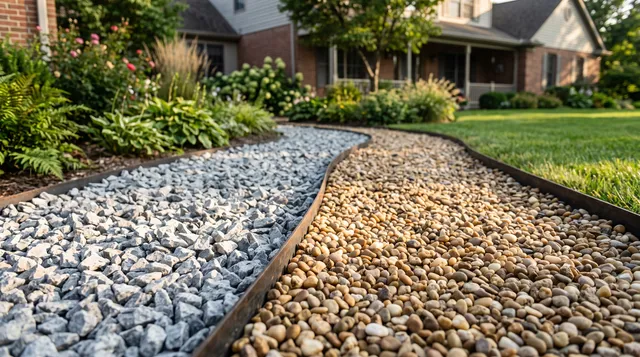
Different gravel types command different prices. Pea gravel and decorative stones cost more than basic crushed stone. Specialty gravels with specific color or size requirements can push prices even higher. The processing required to achieve uniform sizing and clean the material adds to the overall cost.
Cost Tip: Buying gravel in bulk quantities often reduces the per-ton price, with suppliers offering discounts for orders over 20 tons.
Transportation distance significantly impacts gravel pricing since the material is heavy and expensive to move. Local quarries provide the best pricing, while distant sources add substantial delivery costs.
Direct cost comparison
| Material | Price Range (per ton) | Typical Project Cost | Environmental Impact |
|---|---|---|---|
| Crushed Concrete | $15-25 | Lower | Eco-friendly |
| Standard Gravel | $30-75 | Higher | Resource extraction |
| Premium Gravel | $50-100+ | Highest | Resource extraction |
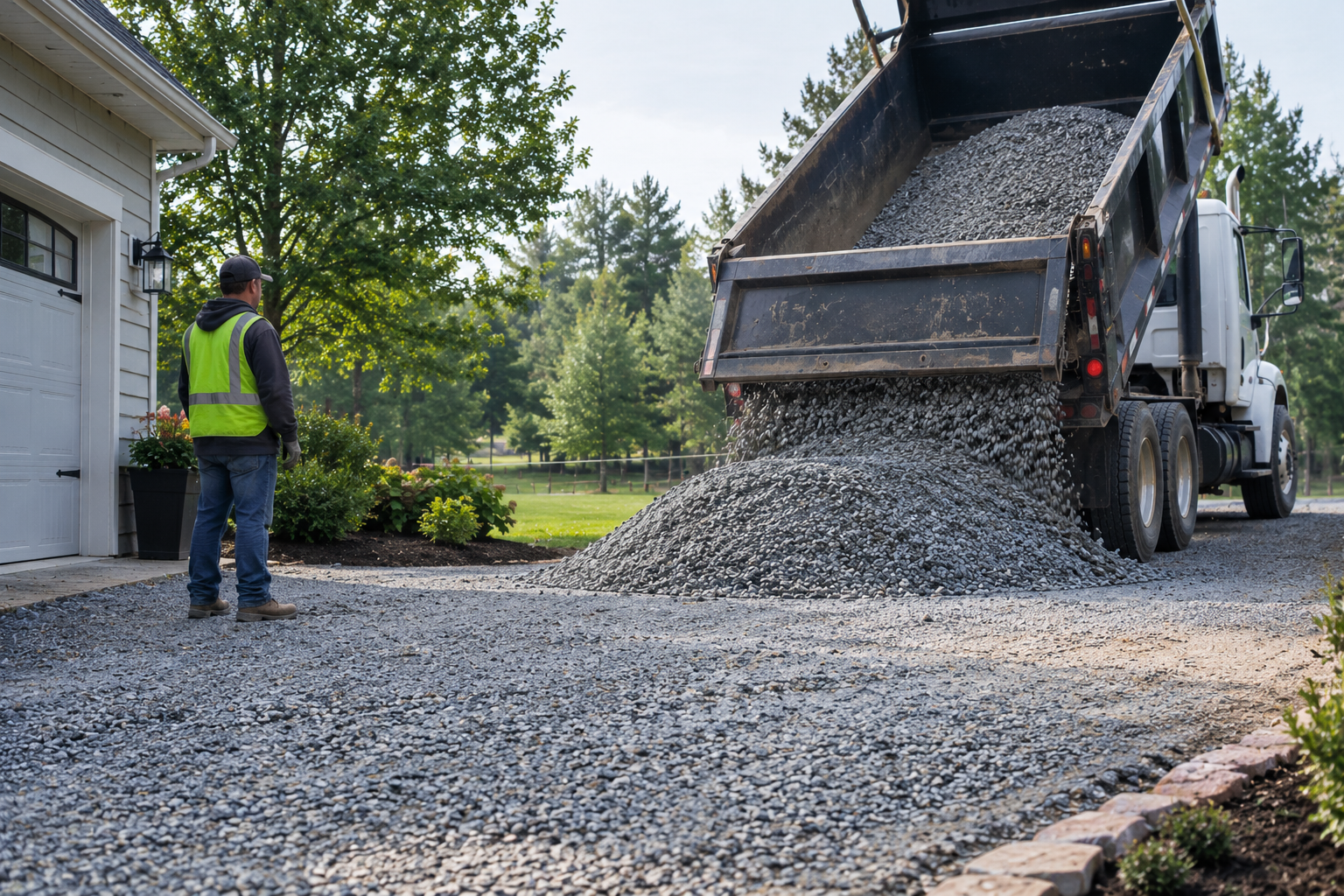
The cost difference becomes substantial on larger projects. For a typical driveway requiring 15 tons of material, crushed concrete might cost $225-375, while gravel could run $450-1,125. This represents potential savings of $225-750 just on material costs.
However, consider the total project cost beyond just material pricing. Crushed concrete may require additional preparation or finishing work depending on your aesthetic requirements. Gravel often provides better immediate appearance and may need less maintenance over time.

Labor costs remain similar for both materials since installation techniques are nearly identical. The main difference lies in material preparation and any additional steps needed to achieve your desired finish. Understanding how to compact crushed concrete properly can help ensure optimal performance and longevity.
Making the right choice for your project
Your project type should guide your material selection beyond just cost considerations. Crushed concrete excels for utility applications like road base, drainage projects, and temporary access roads where appearance matters less than functionality and cost savings.
For driveways and walkways where aesthetics matter, gravel often provides better visual appeal with its uniform color and texture. However, crushed concrete on driveway applications can work well when budget constraints are primary concerns.
Consider long-term costs alongside upfront savings. Crushed concrete may require more frequent maintenance or replacement in high-traffic areas, potentially offsetting initial cost savings. Gravel typically offers better durability and longevity, especially in demanding applications.
Project Tip: For large commercial projects or extensive residential work, the 20-40% cost savings from crushed concrete can free up budget for other project elements or higher-quality finishes elsewhere.
Environmental considerations also factor into the decision. Choosing crushed concrete supports recycling efforts and reduces landfill waste, which may align with your sustainability goals or local environmental requirements. If you’re comparing different base materials, you might also want to explore crushed concrete vs crusher run options for your specific application.
The choice between crushed concrete and gravel ultimately depends on balancing upfront costs, long-term performance, aesthetic requirements, and environmental priorities. While crushed concrete consistently offers lower initial costs, gravel may provide better value in applications requiring superior appearance or maximum durability. Consider your specific project needs, budget constraints, and long-term goals to make the most cost-effective decision.
FAQ
Is crushed concrete cheaper than gravel?
What factors affect the price difference between crushed concrete and gravel?
How much can I save using crushed concrete instead of gravel for my driveway?
When should I choose gravel over crushed concrete despite the higher cost?
Author: