Complete Guide to Gravel Rock Types, Uses, and Selection
Published on: January 14, 2026
Get an estimate for your project in 60 seconds
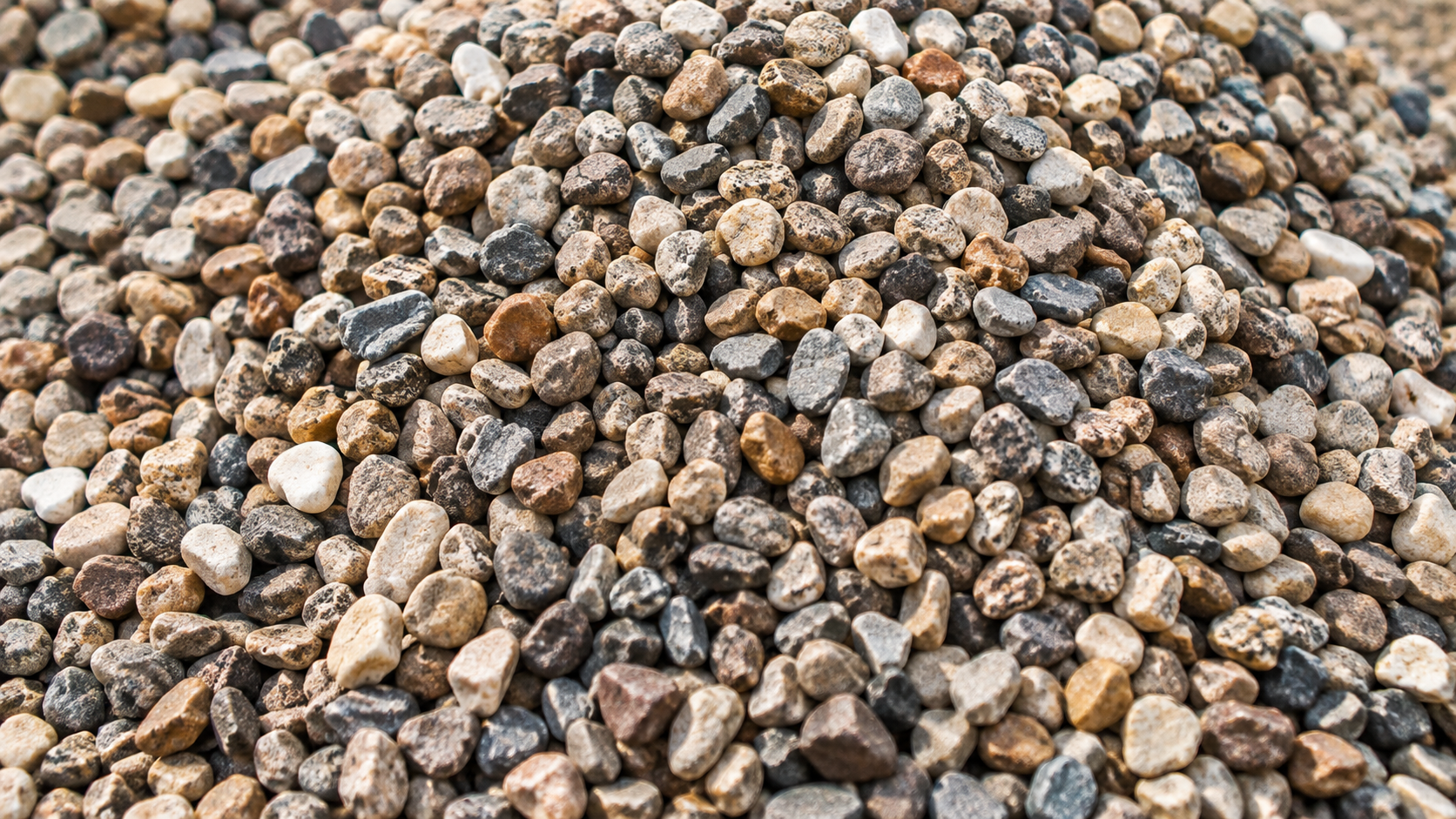
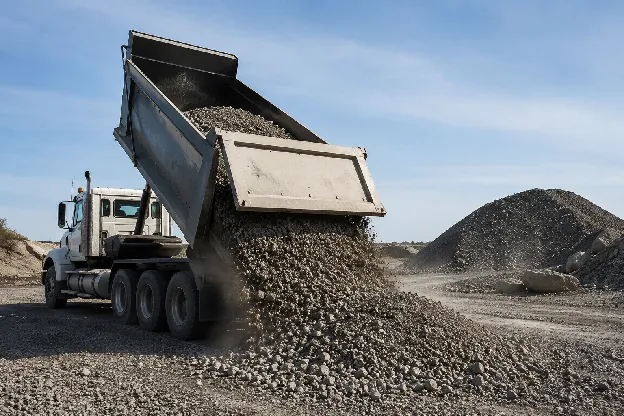
Gravel rock is a loose aggregate material composed of small rock fragments that forms naturally through weathering and erosion processes. Whether you’re planning a driveway installation, designing a drainage system, or enhancing your landscape, understanding gravel rock fundamentals helps you make informed decisions for your project.
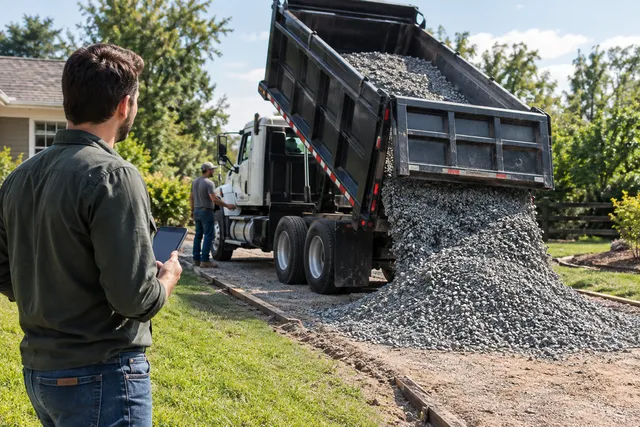
This guide covers everything from geological formation to practical applications, helping you navigate the world of gravel rock with confidence. You’ll discover the main types available, their specific uses, and how to choose the right material for your needs.
Key Insight: Gravel rock provides excellent drainage properties due to its porous nature, making it ideal for areas prone to water accumulation while offering superior stability compared to sand or soil alone.
Understanding Gravel Rock Formation and Characteristics
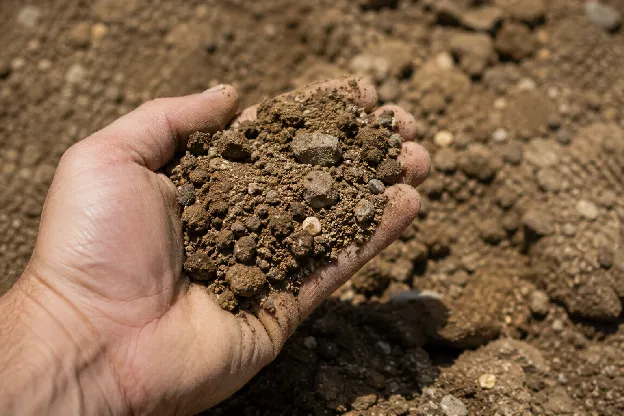
Gravel rock forms through natural geological processes spanning thousands of years. Larger rocks break down into smaller fragments through weathering caused by wind, water, ice, and temperature changes. Rivers carry these fragments downstream, where they settle in beds and accumulate over time.
The composition varies significantly based on the source material. You might find granite-based gravel in mountainous regions, limestone gravel near sedimentary deposits, or mixed compositions in areas with diverse geological activity. Each type brings unique characteristics to your project.
What makes gravel rock particularly valuable is its interlocking ability. The angular and rounded shapes create a stable surface that distributes weight evenly. This natural engineering makes gravel suitable for heavy-load applications while maintaining excellent permeability for water drainage.
The texture ranges from smooth river stones to angular crushed varieties. Smooth gravel typically comes from water-worn sources, while angular gravel results from mechanical crushing processes. Both serve different purposes depending on your specific requirements.
Types of Gravel Rock and Their Applications

Pea Gravel
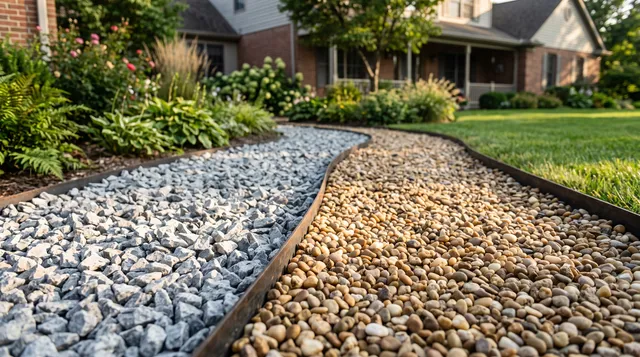
Pea gravel consists of small, rounded stones approximately 1/8 to 3/8 inches in diameter. Its smooth texture makes it comfortable for walking, which explains its popularity for pathways and playground surfaces. The small size allows for excellent compaction while maintaining good drainage properties.
You’ll find pea gravel works exceptionally well for decorative applications. Its natural appearance complements garden designs, and the variety of colors available lets you match existing landscape elements. The rounded shape also prevents it from becoming sharp or uncomfortable underfoot. If you’re considering using pea gravel for a shed foundation project, it’s important to understand its compaction characteristics and drainage benefits.
Crushed Stone
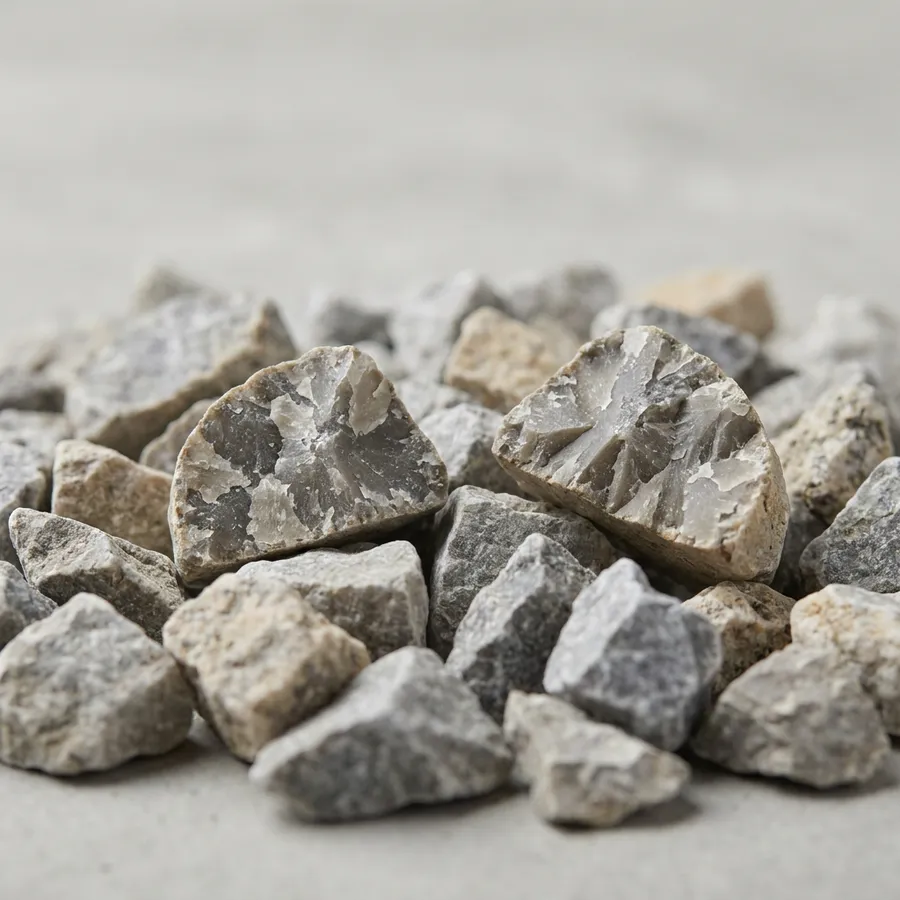
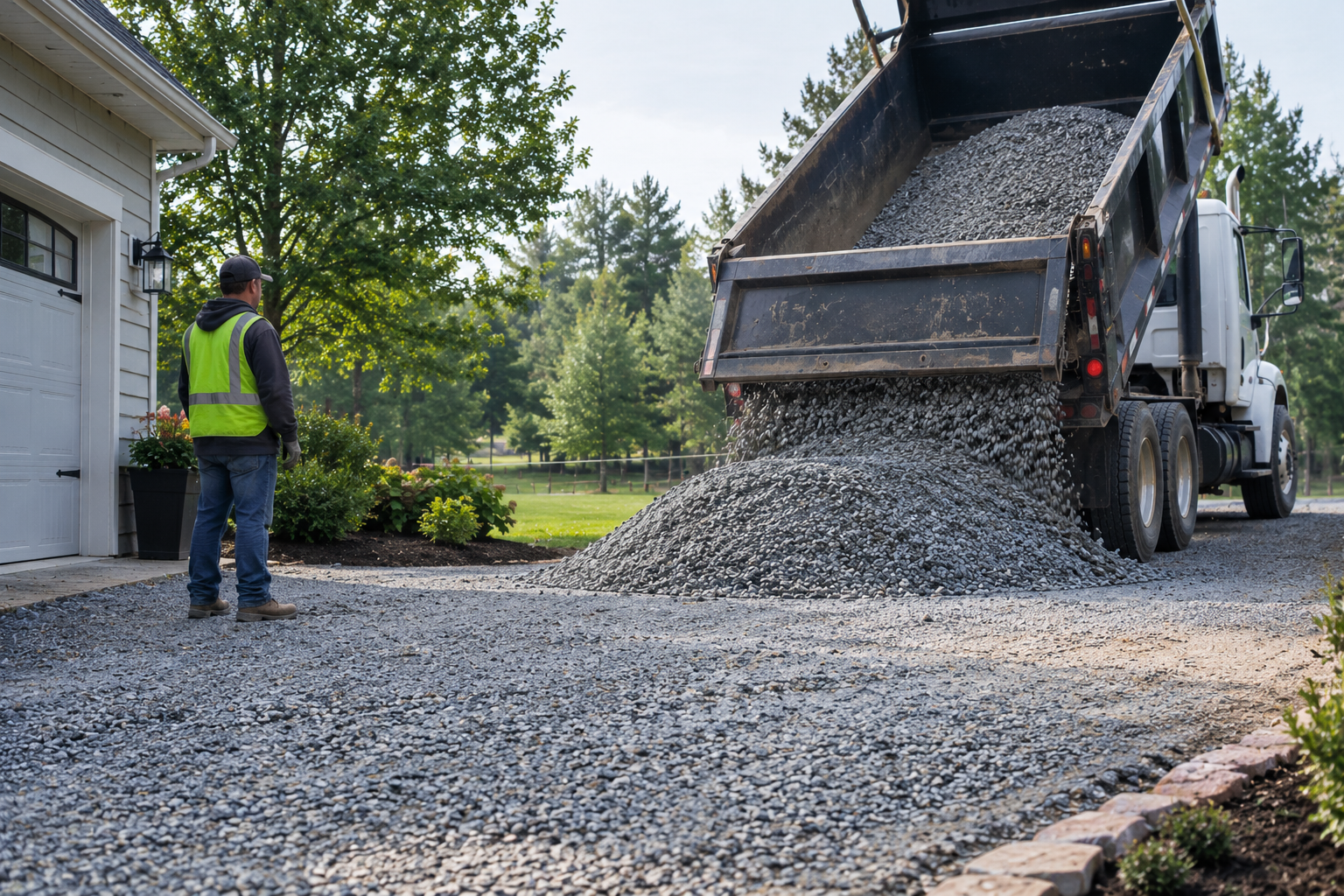
Crushed stone offers the most versatility among gravel types. Produced by mechanically crushing larger rocks, it comes in various sizes from fine screenings to several inches in diameter. The angular shape provides superior interlocking compared to rounded alternatives.This type excels in structural applications where stability matters most. Driveways, road bases, and foundation work benefit from crushed stone’s ability to compact tightly and resist movement under load. According to hellogravel.com, crushed stone gravel offers excellent compaction properties and stability for heavy-duty applications. For those wondering about the best crushed stone size for a foundation, selecting the right grade ensures optimal structural support.
River Rock
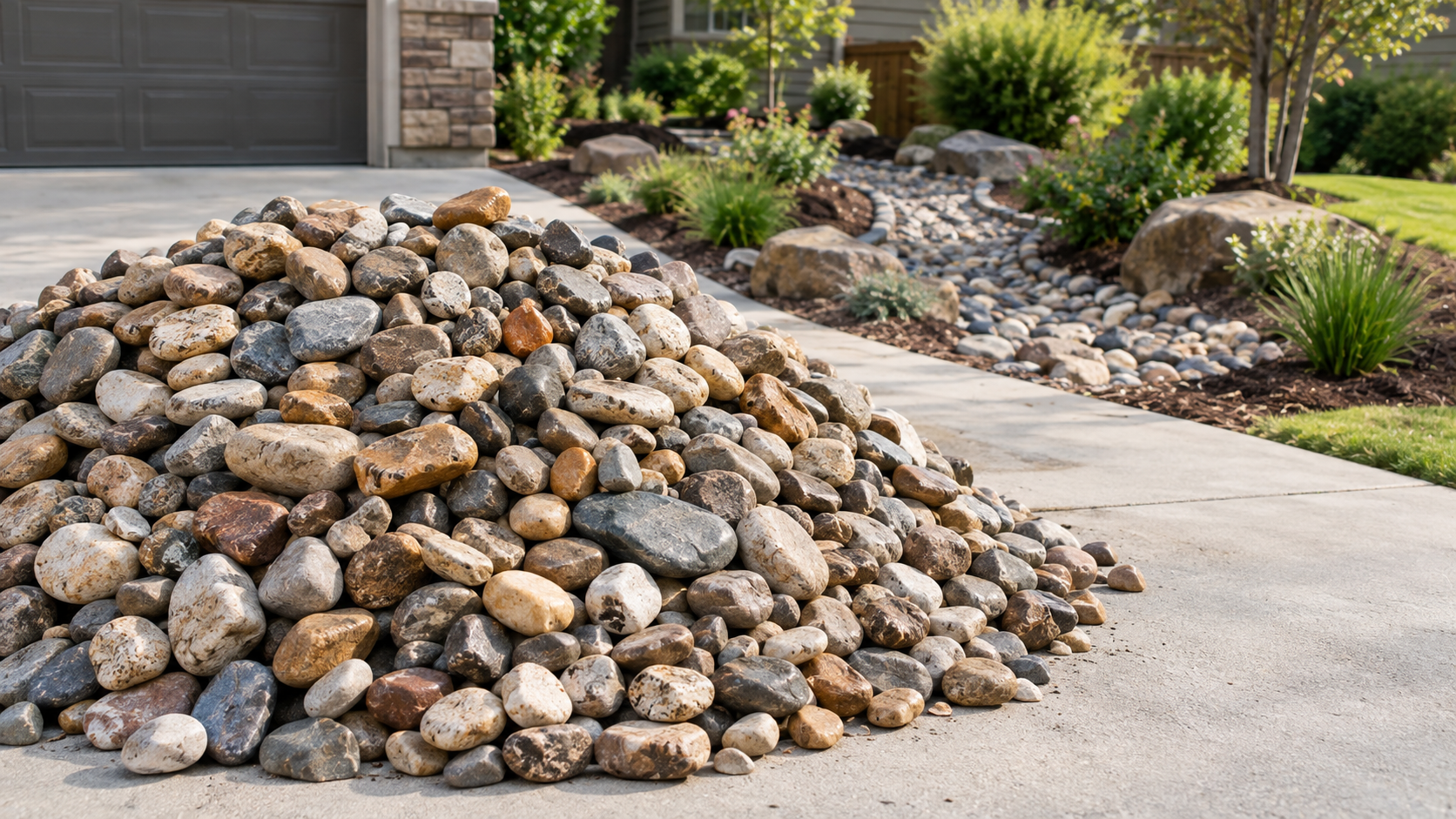
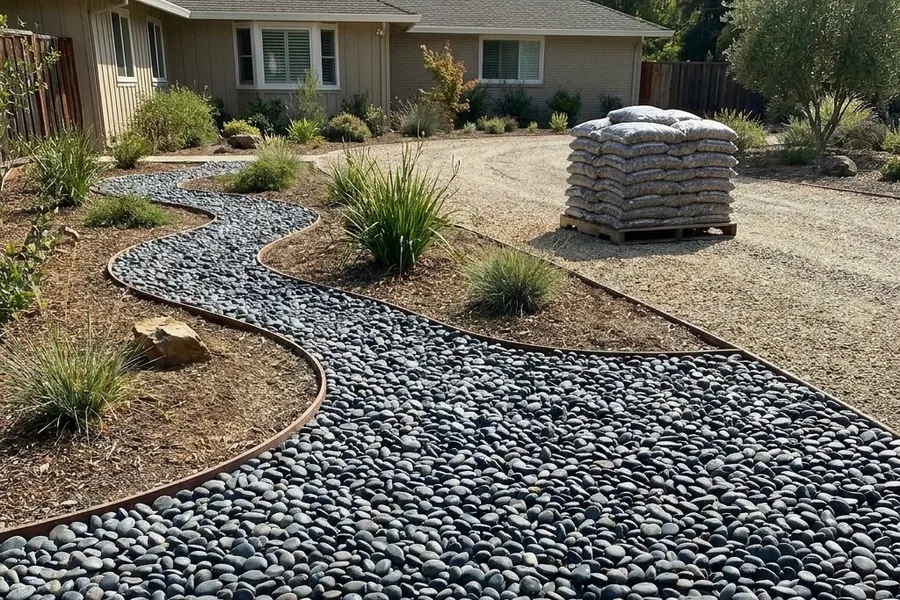
River rock brings natural beauty to landscaping projects. These smooth, water-worn stones come in various sizes and colors, making them perfect for decorative features like dry creek beds, water features, and garden borders.
The smooth surface of river rock makes it less suitable for high-traffic areas but ideal for aesthetic applications. Its natural appearance blends seamlessly with outdoor environments, creating visual interest without appearing artificial or manufactured. Learn more about using river rock for retaining wall base projects to understand when this material works best.
Pro Tip: River rock works best in areas where appearance matters more than structural support, such as decorative garden features or low-traffic pathways where its smooth texture won’t cause stability issues.
Practical Uses in Construction and Landscaping
Construction Applications
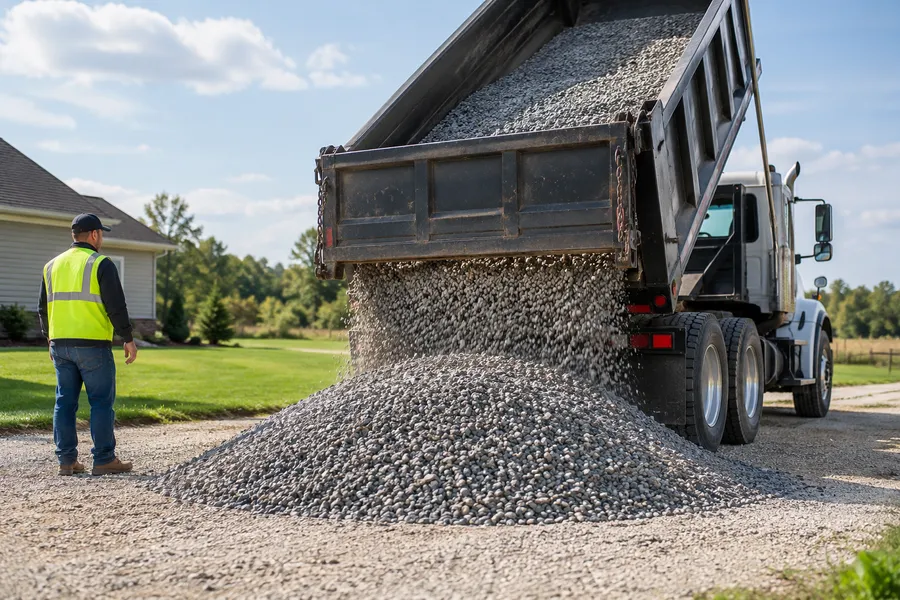
Gravel rock serves as a fundamental building material in construction projects. Road construction relies heavily on graded gravel for base layers that provide stability and drainage beneath asphalt or concrete surfaces. The material’s ability to distribute loads evenly prevents settling and cracking in finished surfaces.
Foundation work benefits from gravel’s drainage properties. A properly installed gravel base around foundations directs water away from structures, preventing moisture problems and soil erosion. This application proves particularly important in areas with clay soil or high water tables. For specific guidance on what gravel size is best for a foundation, consider both drainage needs and load-bearing requirements.
Concrete production incorporates gravel as aggregate material. The rock fragments provide strength and reduce the amount of cement needed, making concrete more economical while maintaining structural integrity.
Landscaping and Drainage
Landscaping applications showcase gravel’s versatility and aesthetic appeal. Garden pathways created with gravel provide attractive, low-maintenance alternatives to traditional paving materials. The natural drainage prevents puddle formation while creating defined walking areas.
French drains utilize gravel’s permeability to manage water flow around properties. The rock creates channels that direct water away from problem areas, preventing flooding and soil erosion. This application works particularly well for basement waterproofing and landscape drainage. Discover the best gravel for drainage to ensure your drainage system performs optimally.
Decorative features like rock gardens and xeriscaping benefit from gravel’s water-conserving properties. The material reduces evaporation while providing an attractive backdrop for drought-resistant plants.

Selection and Maintenance Guidelines
Choosing the Right Gravel
Size selection depends on your intended use. Fine gravel works well for pathways and decorative applications, while larger sizes provide better stability for driveways and structural uses. Consider traffic levels when making your choice – heavier use requires larger, more stable gravel types.
Color and texture should complement your existing landscape or architectural elements. Natural earth tones blend with most environments, while contrasting colors can create dramatic focal points. Consider how the material will look both wet and dry, as moisture significantly affects appearance.
Budget considerations include both initial cost and long-term maintenance requirements. While premium materials cost more upfront, they often provide better durability and require less frequent replacement. For patio projects, explore what gravel size is best for a patio to balance aesthetics with functionality.
Maintenance Requirements
Regular maintenance keeps gravel surfaces functional and attractive. Remove debris like leaves and organic matter that can block drainage and create uneven surfaces. This simple step prevents most common gravel problems.
Periodic raking redistributes material and maintains level surfaces. High-traffic areas may develop ruts or thin spots that require additional gravel to restore proper coverage. Plan for annual touch-ups in most applications.
Weed control becomes important in decorative applications. Landscape fabric beneath gravel helps prevent weed growth, while periodic application of appropriate herbicides maintains clean appearances. If weeds become problematic, learn how to permanently get rid of weeds in a gravel driveway for long-term solutions.
Maintenance Tip: Spring and fall represent ideal times for gravel maintenance, allowing you to address winter damage and prepare for seasonal weather changes that affect drainage and surface integrity.
Gravel rock offers an excellent combination of functionality, durability, and aesthetic appeal for numerous applications. Understanding the different types available and their specific characteristics helps you choose materials that will perform well and look great for years to come. Whether you’re building a driveway, creating a garden feature, or solving drainage problems, the right gravel selection makes all the difference in project success.
FAQ
Is gravel a rock?
Where does gravel come from?
What are the best gravel sizes for driveways?
How much gravel do I need for my project?
Author: